
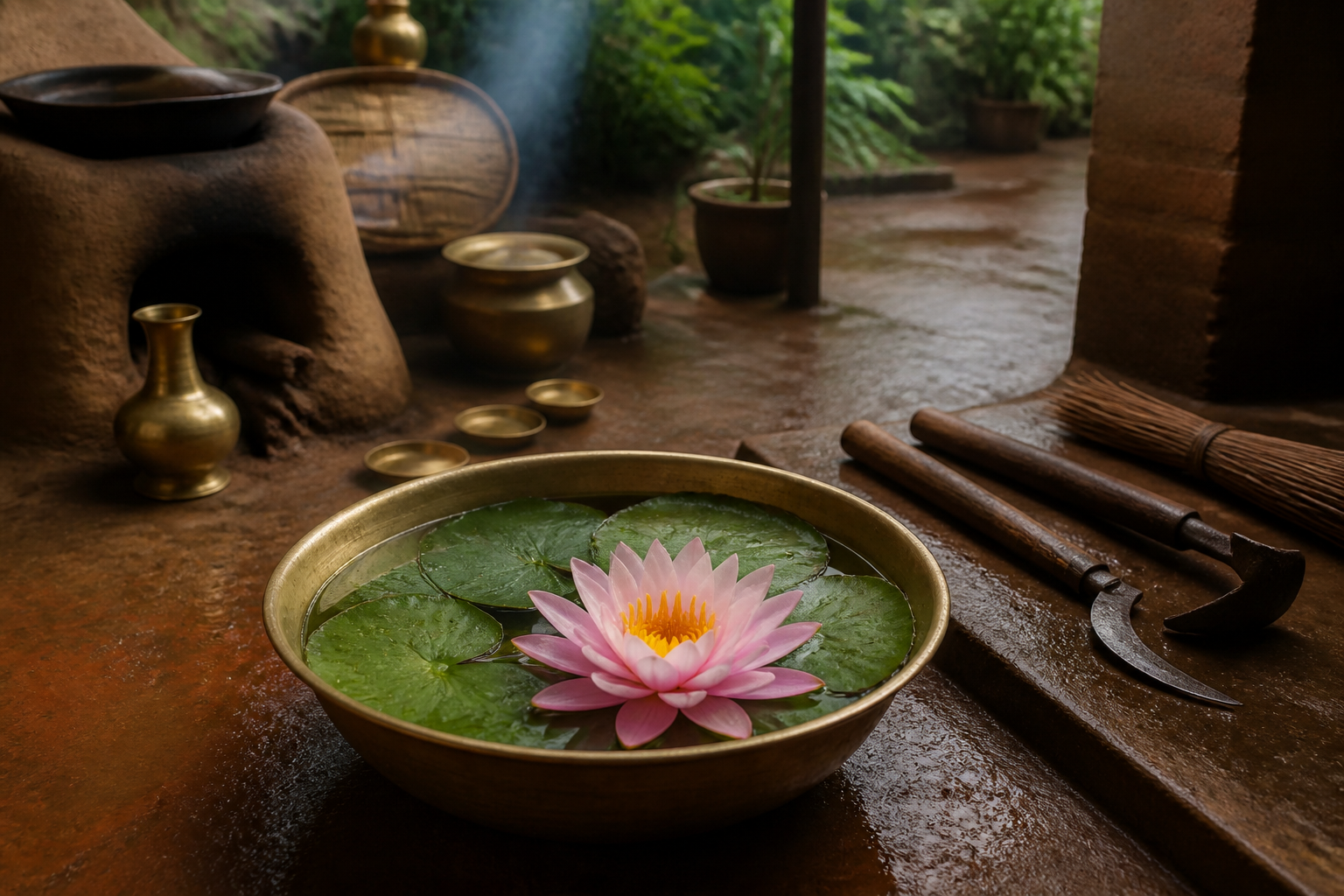
If you have seen a shaluk used in a Bengali puja and wondered whether it is simply a seasonal decoration, read it as sacred language. In Ranna Puja and Vishwakarma Puja, the water lily carries meanings of purity, divine grace, faith, and prosperity.
That answer should shape what you do next. Keep the Bengali name instead of flattening it into a generic flower, understand the image behind it, and confirm the actual ritual procedure from the tradition you follow. The symbolism is clear; a universal offering sequence is not.
What the shaluk says without words
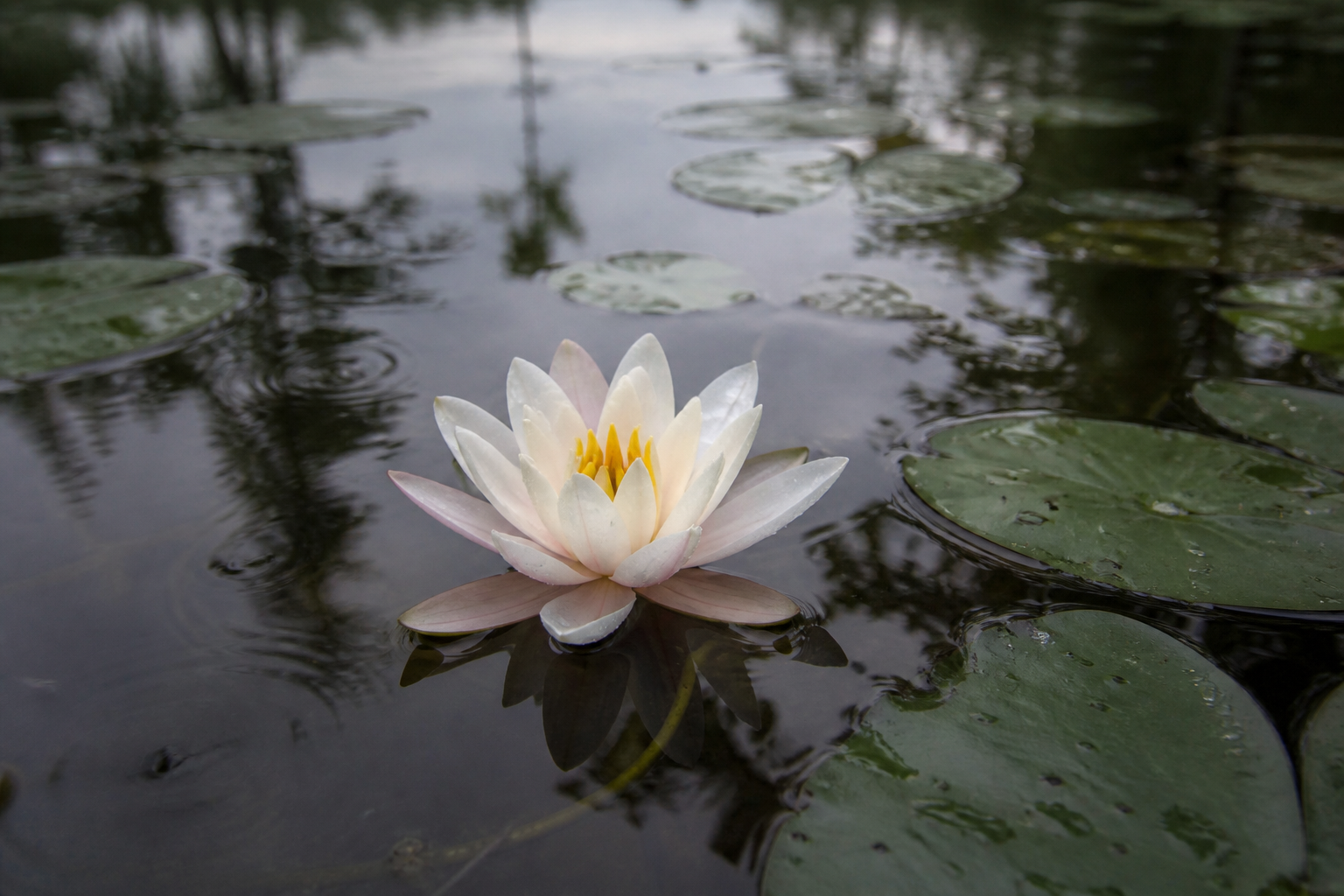
The central image is simple: a serene bloom rests upon still water without surrendering its beauty to the impurity around it. Bengali sacred interpretation turns that image inward. The shaluk mirrors a human soul that remains pure amid impure surroundings.
Purity here should not be reduced to physical cleanliness. Nor is it a botanical claim that the water surrounding the flower is literally harmless. It is a spiritual analogy: your circumstances can be confused, difficult, or morally compromised without determining the condition of your inner life.
- Purity points to inner integrity. You can encounter disorder without allowing it to govern your intention or conduct.
- Divine grace asks you to notice sacred significance in the natural world, not merely decorative beauty.
- Faith appears as quiet steadiness. The flower does not need spectacle to communicate its meaning.
- Prosperity belongs within a devotional frame. It is a blessing sought with reverence, not a promise that possession of a flower will produce material wealth.
These meanings correct one another. Prosperity without purity can become acquisitiveness. Purity treated only as appearance becomes empty respectability. Faith holds the two together by directing both aspiration and conduct toward the sacred.
Ranna Puja and Vishwakarma Puja do not imply one ritual formula
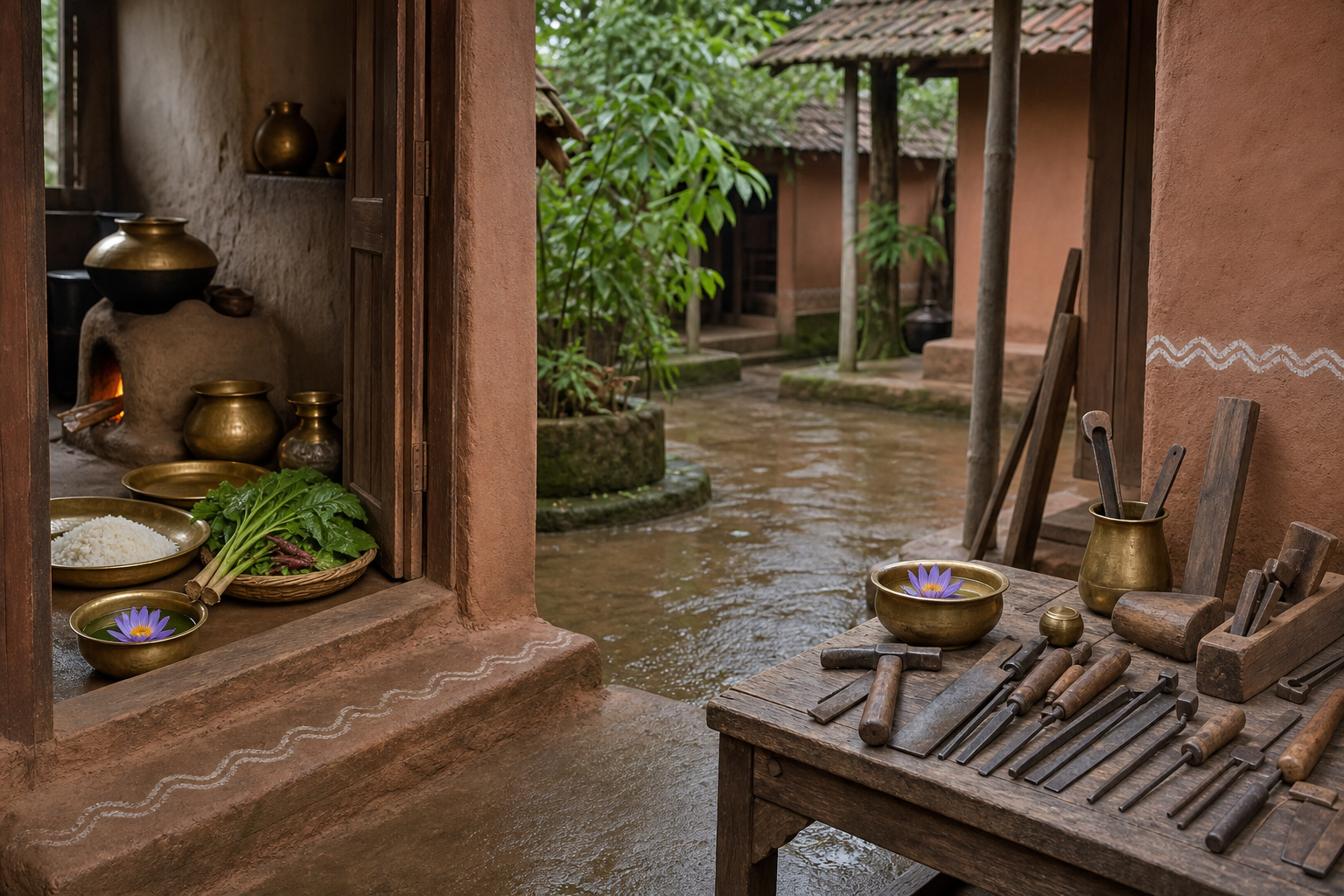
The shaluk’s association with both Ranna Puja and Vishwakarma Puja shows that its symbolism is not confined to a single observance. It does not prove that every family, locality, or worshipping community handles the flower in the same way.
This distinction matters when you are preparing for worship. A shared sacred meaning can travel across observances while placement, sequence, accompanying words, and rules about substitution remain local. Do not turn a symbolic explanation into a ritual manual.
Before acting, ask the person who preserves the practice in your setting:
- Is shaluk specifically expected in this observance, or is its use customary rather than compulsory?
- At what point is it presented, and where is it placed?
- Is the whole flower used, or does the local practice specify something more precise?
- Are any words, gestures, or other offerings joined to it?
- If shaluk is unavailable, is substitution accepted, and by whom is that decision made?
- How should the flower be handled after the puja?
Take those answers from the living tradition you are actually following: a knowledgeable family elder, priest, temple, or community custodian. If two lineages answer differently, record the difference instead of hastily declaring one version wrong. Shared meaning does not require identical local form.
How to keep the flower’s meaning intact
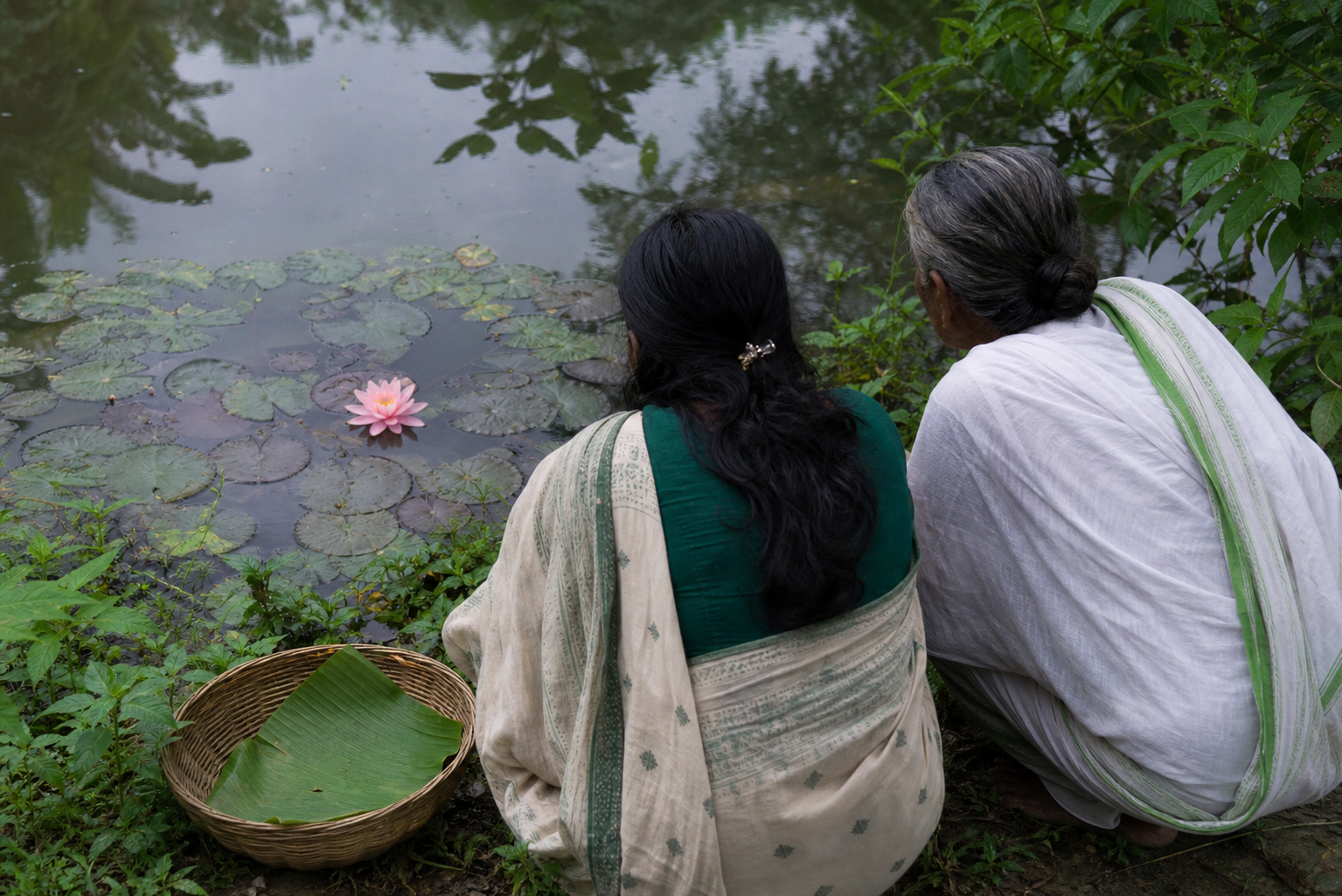
Respectful use begins before the flower reaches the place of worship. The aim is not to create a more elaborate display. It is to prevent a meaningful emblem from becoming an unexplained prop.
- Retain the name shaluk. When speaking in English, say “shaluk, the water lily” on first mention. The translation helps a newcomer identify it; the Bengali word preserves its cultural identity.
- Confirm the practice before arranging it. Do not infer placement or ritual necessity from a photograph, decoration, or another community’s observance.
- Match presentation to reverence. If your custom calls for the bloom, treat it as an offering rather than as leftover decoration. Follow local instructions for selection, handling, and post-puja care.
- Explain the image in one clear sentence. You can tell a child or visitor: “Shaluk shows how the soul can remain pure amid impure surroundings, and it carries prayers of faith and prosperity.”
- Preserve the local version. Write down which puja used the flower, who taught the practice, where it was placed, and what your tradition permits when it is unavailable. That record is more valuable than a generic online checklist.
Avoid describing the shaluk as a lucky object. Its association with prosperity does not make the flower a mechanism for obtaining wealth. The devotional meaning lies in the relationship among the offering, the worshipper’s intention, and the sacred occasion.
The lasting lesson begins after the puja
A sacred symbol earns its place in your life when it redirects conduct. The shaluk’s image does not ask you to deny difficult surroundings. It asks whether you can move through them without allowing resentment, dishonesty, or confusion to define you.
Use the flower as a prompt for three practical questions:
- Where are your surroundings exerting the strongest pressure on your values?
- What would inner purity require there: clearer intention, truthful speech, disciplined work, or refusal to imitate harmful conduct?
- If prosperity comes, how will you receive and use it without weakening the integrity represented by the flower?
For parents, teachers, and cultural groups, begin a lesson with the visible image rather than an abstract definition. Ask learners what they notice about the bloom upon the water. Then connect that observation to purity amid adverse conditions, identify its place in Ranna Puja and Vishwakarma Puja, and finally explain that the exact ritual form must be learned from the relevant tradition. This sequence lets the symbol remain memorable without presenting conjecture as custom.
Key takeaways
- Shaluk is the water lily associated with Bengali Ranna Puja and Vishwakarma Puja.
- Its sacred meanings include purity, divine grace, faith, and prosperity.
- The bloom’s serenity upon still water offers an analogy for a soul that keeps its purity amid surrounding impurity.
- Association with two pujas does not establish one universal procedure for placement, substitution, or handling.
- Keep the Bengali name, learn the practice from its living custodians, and teach the spiritual image along with the ritual form.
The next time shaluk appears in worship, pause before treating it as ornament. Name it, ask how your tradition uses it, and carry its demand for inward clarity into the situation that most tests your values.
References
