
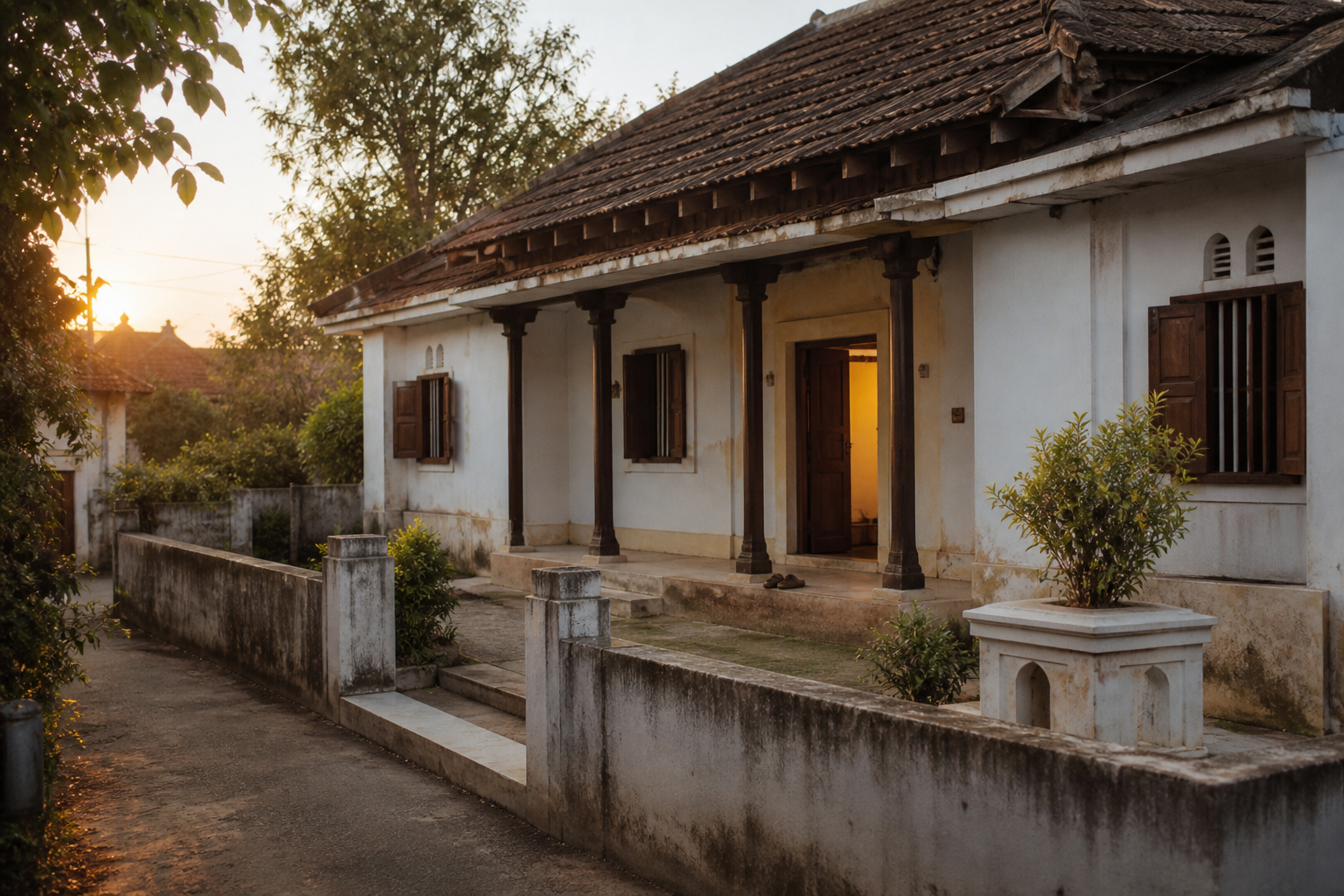
You have encountered the name Prabhupada House, and now you are deciding what to do with it. Should you visit, contribute, volunteer, share an appeal, or simply understand why the place matters?
Begin with a distinction that protects both faith and heritage: reverence for A.C. Bhaktivedanta Swami Prabhupada does not remove the need for practical questions. It makes those questions more important. A place bearing an acharya’s name should be approached with shraddha, but it should also be understood accurately, served responsibly, and preserved without blurring history.
A sacred name does not answer practical questions
The word “house” can describe several very different things. It may identify an original residence, a building associated with a person’s life, a later memorial, a devotional centre in a converted house, or a project still being established. Those categories are not interchangeable.
Before repeating a historical claim, ask what relationship Prabhupada actually had with the place. Did he reside there, visit it, teach there, correspond with its occupants, inspire its later use, or simply lend his name to a new devotional initiative? Each possibility can carry spiritual value, but each tells a different story. Calling a newly dedicated centre an original residence, for example, would weaken rather than strengthen its credibility.
You should therefore look for a one-sentence description that answers three questions: what the property is, how it is connected with Prabhupada, and what function it serves now. If the stewards have not yet supplied that description, ask for it before writing a social-media caption or explaining the project to someone else.
This is not suspicion disguised as diligence. Dharmic memory depends on truthful transmission. Guru-parampara carries teachings through faithful hearing and repetition; heritage stewardship applies the same discipline to places, objects, dates, and personal recollections. When a fact remains uncertain, “oral recollection” or “under verification” is more honourable than an attractive but unsupported certainty.
Four questions to ask before you commit
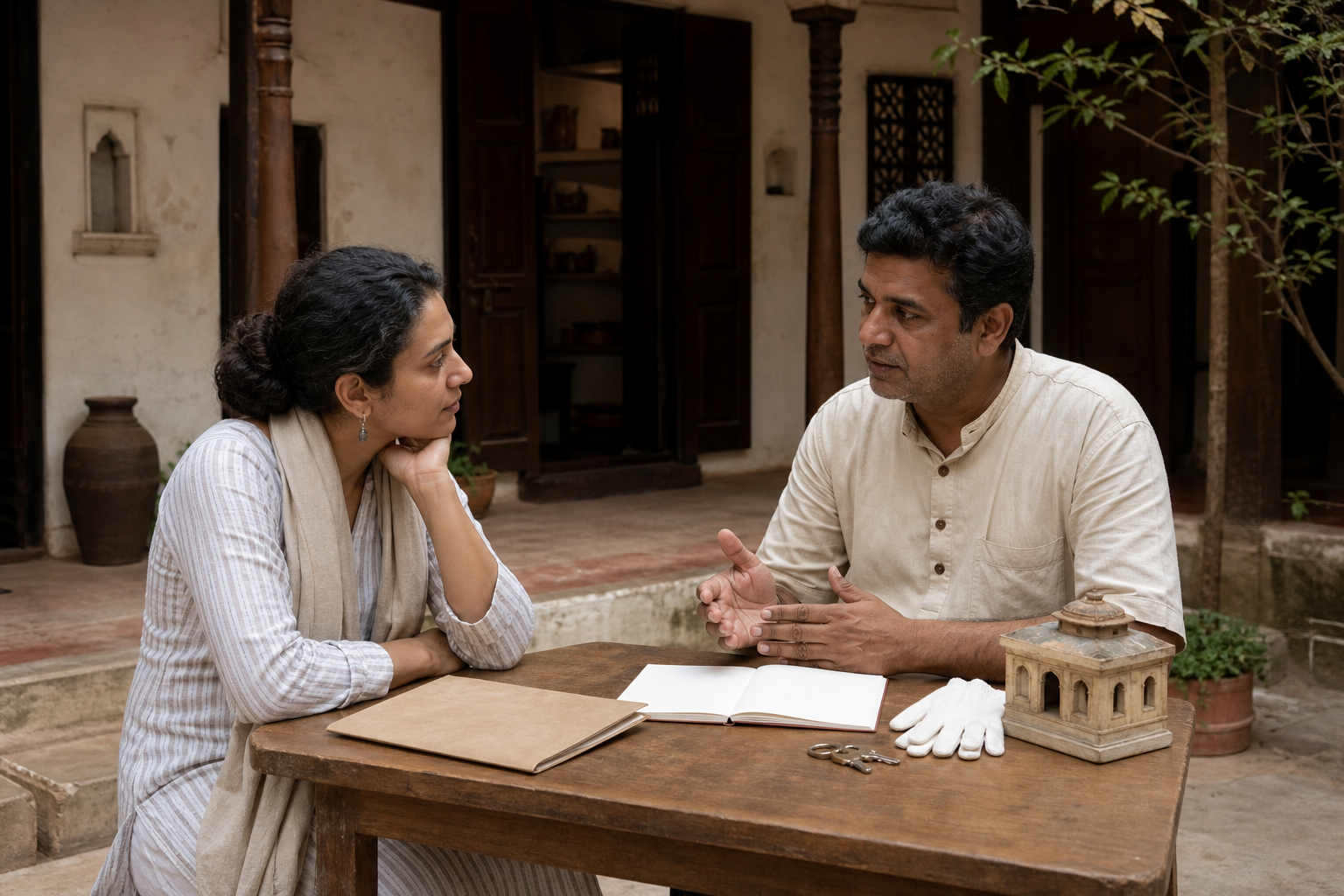
If you are considering a visit, donation, volunteer role, or public endorsement, work through these questions in order. They separate the spiritual purpose from the administrative machinery without pretending that either can be neglected.
- What exactly is being preserved or created? Ask whether the priority is the building, a documented historical association, an archive, a worship space, accommodation, education, community service, or some combination of these. A project trying to do everything at once needs to explain which work comes first.
- Who is responsible for it? Identify the property holder, the spiritual or advisory authority, the people managing daily activity, and the contact responsible for questions. These roles may belong to different people. A respected devotional name does not by itself tell you who can approve building work, handle funds, authenticate an object, or set visitor rules.
- What stage has the work reached? Acquisition, structural repair, restoration, fitting out, opening, and ongoing operation require different kinds of support. A request for emergency building work should not be described as though the house already functions as a public centre. An operating centre, meanwhile, needs maintenance and programme support rather than one-time enthusiasm alone.
- What specific action is being requested? “Support Prabhupada House” is an aspiration, not an instruction. Look for a defined need: a named repair, archival assistance, professional advice, volunteer service, recurring maintenance, participation in a programme, or a clearly described financial purpose.
If money is involved, verify the payment route through a published project contact rather than relying only on a forwarded image or copied message. Ask what the contribution is for, whether a receipt is available, and how contributors will hear what was completed. The downside of skipping this step is not merely personal loss. A confusing appeal can damage trust in legitimate devotional work.
Clear governance is not an intrusion of worldly thinking into seva. Property, safety, preservation, worship, and public access all create responsibilities. When nobody can say who holds which responsibility, even sincere volunteers can duplicate work, alter something that should have been conserved, or make promises that the project cannot fulfil.
The dharmic test is whether remembrance leads to practice
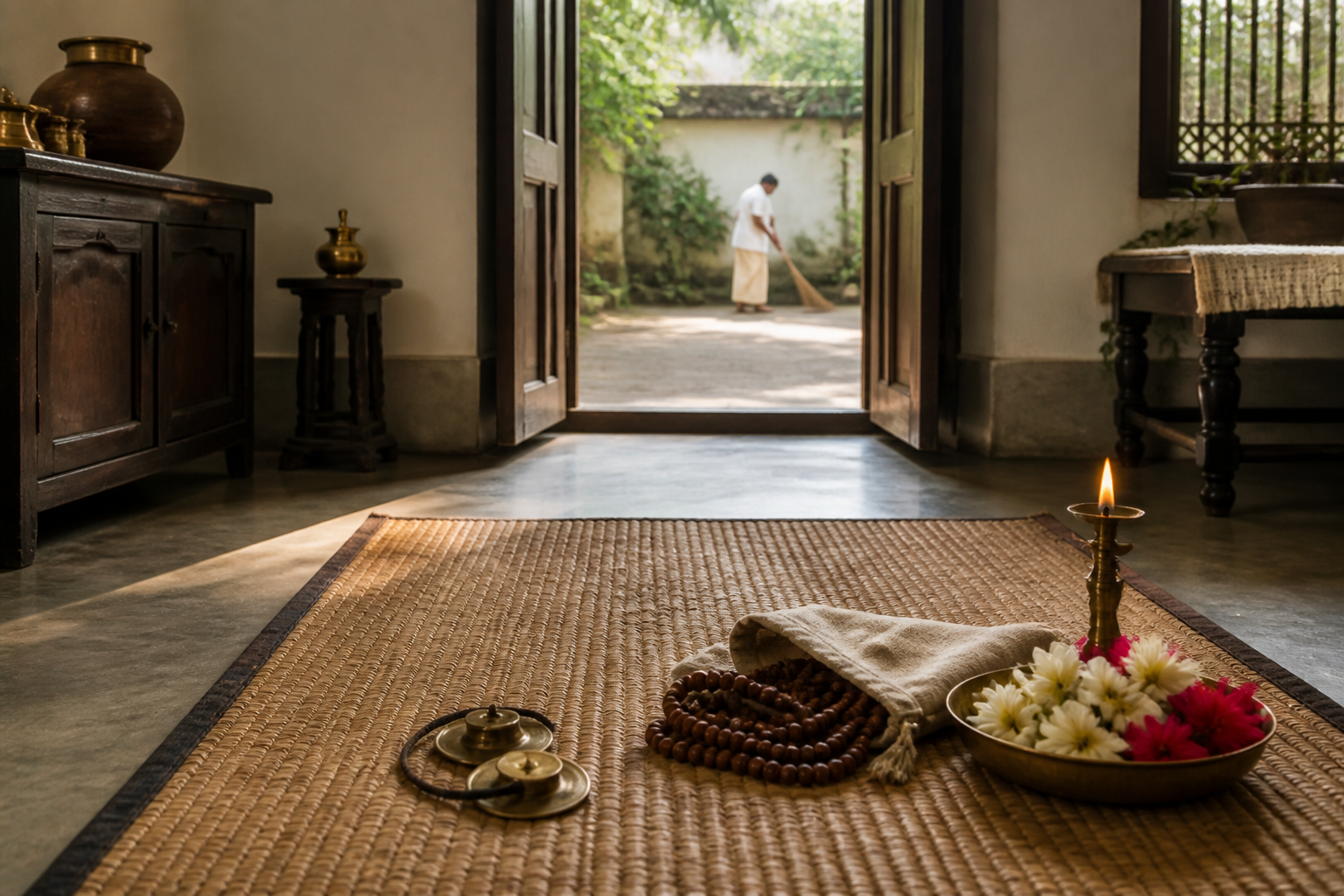
A Prabhupada-centred place should do more than make a revered personality visible. Its deeper purpose is to help a visitor move from recognition to attention: to hear, read, chant, ask a serious question, serve, or reconsider how spiritual teaching enters daily life.
That does not require every room to become an exhibition or every visit to become a formal ceremony. A residential-scale sacred place often speaks through restraint. A clearly explained room, a carefully presented text, a regular programme, and a peaceful opportunity for reflection may transmit more than crowded walls and unverified memorabilia.
If you visit, treat the house as a devotional environment before treating it as a photographic destination. Check the local expectations for footwear, dress, silence, food, photography, and access to worship or archival areas. Ask before touching objects or entering spaces that are not obviously public. If a programme is underway, follow the host’s direction rather than assuming that every activity is open to observation or recording.
Then pay attention to what the visit enables after you leave. Is there a text you can read, a practice you can undertake, a programme you can join, or a form of service matched to a real need? Sacred memory becomes living inheritance when it changes conduct. Otherwise, even a beautifully maintained house can be reduced to a backdrop.
Preserve the line between inheritance and reconstruction
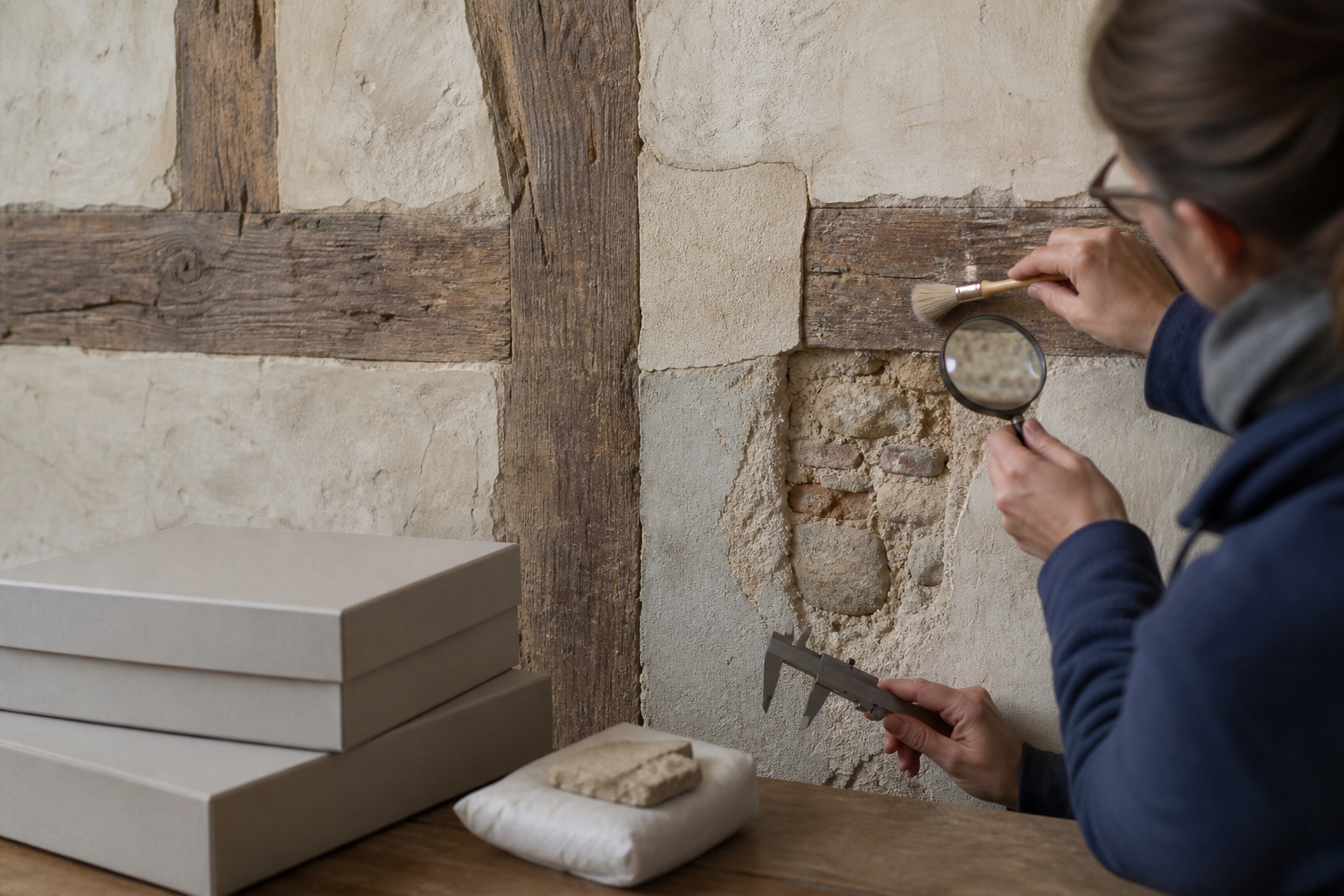
Devotional heritage is especially vulnerable when affection runs ahead of documentation. Later decoration can be mistaken for original fabric. A donated object can acquire an assumed personal connection. A remembered event can lose the name of its witness. Within a generation, repetition may make each claim sound equally established.
The remedy is simple in principle: label what is known, record why it is known, and distinguish it from what has been restored or newly created. If an object is said to have belonged to Prabhupada, preserve its provenance: who supplied it, how that person obtained it, what supporting record exists, and which points remain uncertain. If a room has been reconstructed, say so. Reconstruction can help visitors understand a setting, but it should not silently pass as untouched history.
Oral testimony deserves similar care. Record the speaker’s full name, relationship to the events, place being discussed, and the circumstances in which the recollection was given. Keep the original recording where permission allows, along with a transcript and any later corrections. Do not merge several memories into a single seamless account unless the editorial work is disclosed.
If you have relevant photographs, letters, recordings, publications, architectural knowledge, conservation experience, or first-hand memories, do not begin by surrendering the only copy. Contact the responsible steward, describe the material, retain a backup, and agree on whether the item is being donated, loaned, scanned, or merely shown for assessment. That protects the contributor as well as the collection.
Physical work needs the same discipline. Enthusiastic repainting, drilling, cleaning, or replacing may erase evidence that a trained conservator would have retained. Before altering old fabric or a historically significant object, confirm whether the goal is repair, restoration, conservation, or functional replacement. Those words describe different interventions, and the least reversible option deserves the most scrutiny.
Choose a form of seva the house can actually use
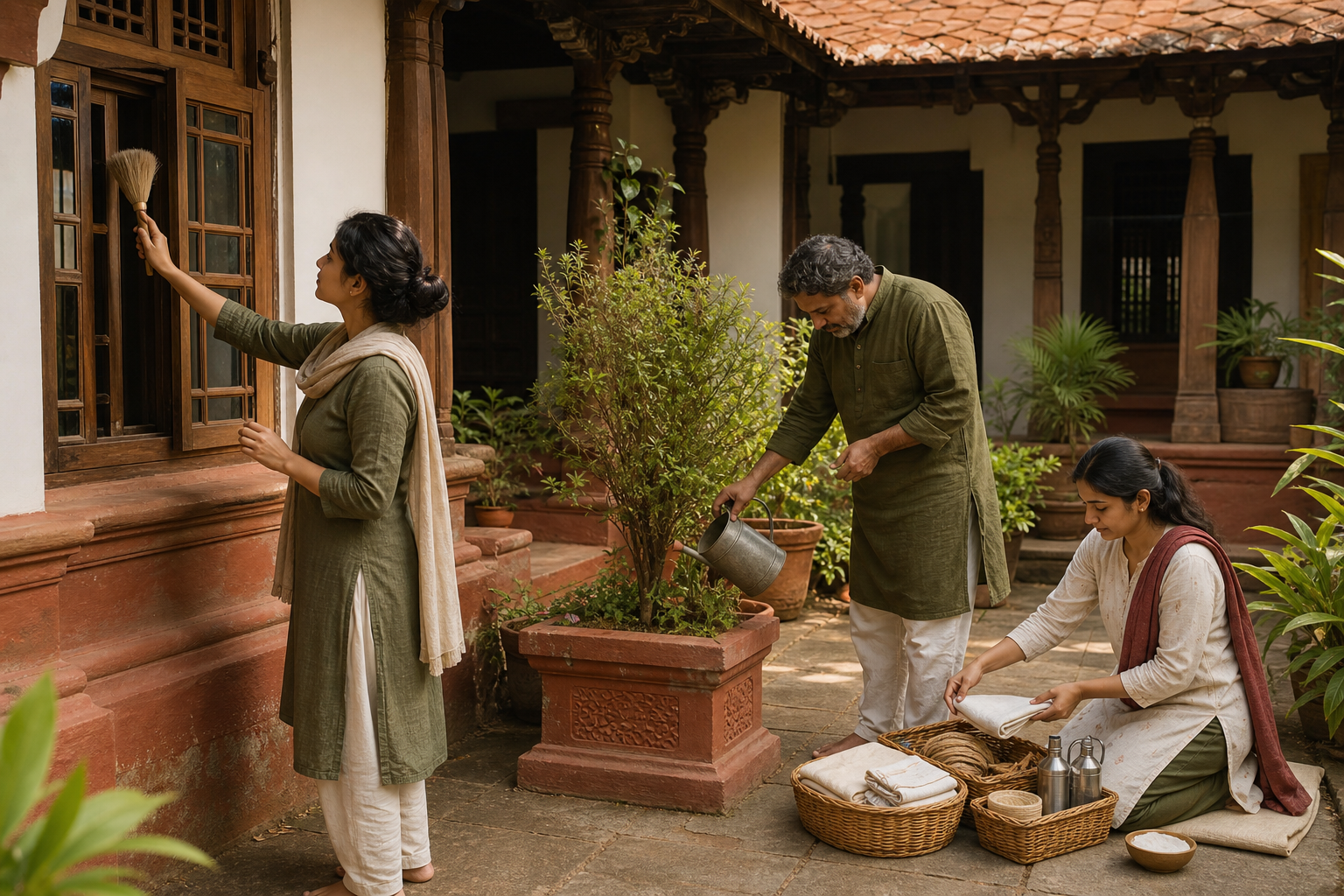
Not every supporter needs to donate money, and not every volunteer should arrive expecting to perform the most visible task. A heritage house may need patient, unglamorous service: cataloguing, transcription, translation, cleaning under proper guidance, visitor coordination, accessibility review, maintenance planning, bookkeeping, or help communicating verified information.
Offer a defined skill and a realistic commitment. “We can transcribe two recorded recollections and return the files in the requested format” is more useful than “Call us whenever you need anything.” If you lack specialist knowledge, ask for a supervised task. Good intentions do not make someone a conservator, archivist, electrician, or structural adviser.
If you are sharing the project publicly, treat accuracy as part of your seva. Use the project’s stated name and description. Preserve qualifications such as “planned,” “proposed,” “under restoration,” or “awaiting verification.” Link people to the identified contact instead of becoming an unofficial intermediary. Do not add urgency, miraculous claims, guaranteed outcomes, or historical details simply to increase engagement.
For ongoing support, ask what happens after the immediate goal is met. Buildings require routine care; archives need organised custody; devotional programmes need people and schedules; public access needs clear responsibility. A successful opening is a milestone, not a plan for stewardship. Recurring, modest service may therefore be more valuable than a burst of attention that disappears once the visible work is finished.
Key takeaways
- Do not infer the house’s historical status from its name. Ask what the property is, how it is connected with Prabhupada, and what it does now.
- Before donating or volunteering, identify the responsible people, the present stage of work, and the exact purpose of the request.
- Approach a visit as entry into a devotional environment, with attention to local rules and the practice the place is meant to nourish.
- Keep original, restored, reconstructed, donated, and newly created material clearly distinguished.
- Offer a specific skill or commitment, and leave specialist building or conservation work to qualified people.
- When sharing information, repeat only what can be responsibly established and preserve every stated qualification.
Your next step can be small and concrete. Ask the stewards for the house’s current purpose, present need, and authorised contact. Once those three points are clear, choose one action you can complete well. That is how admiration becomes dependable seva, and how sacred memory is carried forward without sacrificing truth.
References
