
If you encountered the Chikkamagaluru reel through an angry repost, you were probably given a verdict before you were given the evidence. The important question is not whether imagery invoking Pakistan’s military or mujahideen would be disturbing. It would. The question is whether that description of the audio has been established, who selected it, and what conduct the police can prove.
A responsible pro-Bharat response has to do two things at once: take possible extremist glorification seriously and refuse to turn an allegation into a conviction. That distinction helps you discuss the incident firmly without spreading misinformation, assigning collective guilt, or making the police case harder to understand.
What can safely be said about the Chikkamagaluru reel
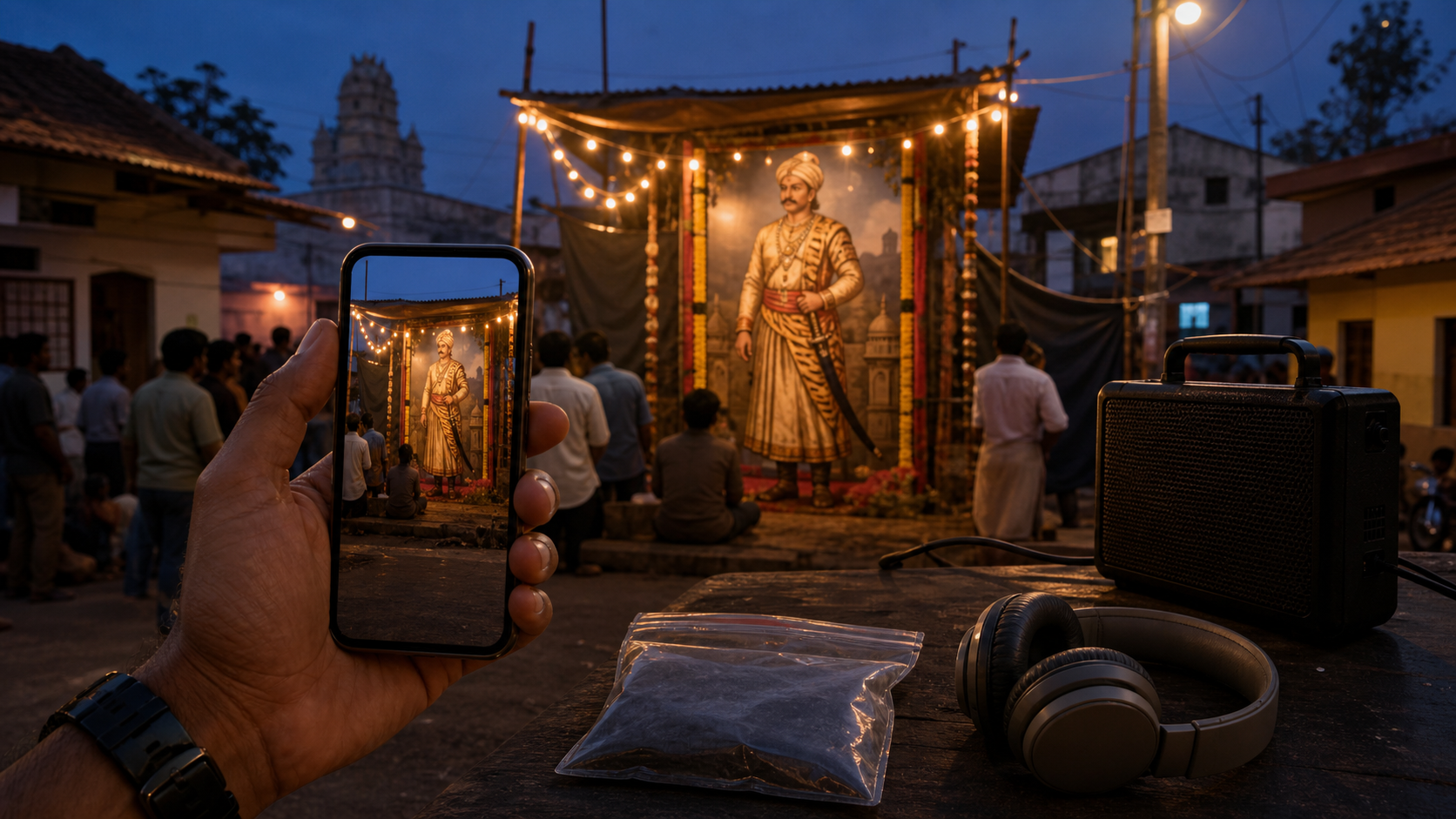
During Eid Milad celebrations in Chikkamagaluru, a group of youths reportedly installed a 40-foot Tipu Sultan cutout. Footage of the display was uploaded through an Instagram account named “Chikkamagaluru Power Tipu Boys.” The reel carried audio described as being associated with the Pakistani Army and mujahideen.
Police identified the arrested accused as Afrid, a 23-year-old resident of Tipu Nagar. Sub-Inspector Dhanraj filed a complaint, Chikkamagaluru City Police registered a suo motu case, and Afrid was produced before a court. The court remanded him to judicial custody for 14 days while the investigation continued.
The case was registered under Sections 299, 196 and 197 of the Bharatiya Nyaya Sanhita. Those section numbers tell you which provisions police have invoked; they do not, by themselves, prove that every public description of the reel is accurate. An arrest and a remand order are procedural developments, not findings of guilt.
A suo motu case also means the police initiated action through their own machinery rather than waiting for an unrelated private complainant. It does not remove the need to authenticate the recording, establish who controlled the account, and connect the accused to the disputed editorial choices in the reel.
Do not collapse the display, the soundtrack and criminal intent

Most heated arguments about this incident merge several different questions into a single accusation. Keep them separate and the real evidentiary issues become easier to see:
- The physical display: A large Tipu Sultan cutout was reportedly erected during the celebration. Its size and presence do not identify the audio used in a later social-media edit.
- The reel’s soundtrack: The allegation concerns audio attached to the Instagram reel. Unless evidence shows that the same song was played at the physical gathering, do not tell people that the celebration itself broadcast it.
- The meaning of the audio: Calling a track “Pakistan-linked,” “military” or “mujahideen” requires identification of the actual recording, its provenance and its lyrical or visual context.
- The editor’s intent: Even an authenticated track does not automatically reveal why it was selected. Investigators still need evidence bearing on whether the choice was celebratory, provocative, threatening, careless or something else.
- Individual responsibility: The account name, the person who filmed the display, the person who edited the reel, the person who selected the audio and the person who uploaded it may or may not be the same person.
- Criminal liability: Police must prove the elements of the offences they have invoked. Political outrage cannot substitute for that work.
This separation protects both national security and public credibility. If the audio was added only during editing, falsely saying it was played at the venue creates an avoidable factual weakness. If investigators can prove deliberate use of extremist material, precise language will make the case more persuasive, not less.
The same discipline applies to Tipu Sultan. People may hold sharply different historical and political views of him, but the existence of his cutout does not establish allegiance to Pakistan. Nor does the festival setting immunise the accompanying digital content from scrutiny. The display and the alleged soundtrack must each be evaluated on their own evidence.
The alleged Pakistan connection needs authentication
A celebratory reel can transform a local event into a political message. Music supplies emotional meaning, and an editor may use it to glorify, mock, threaten or simply chase attention. That is why the disputed soundtrack matters. It is also why its identity cannot be assumed.
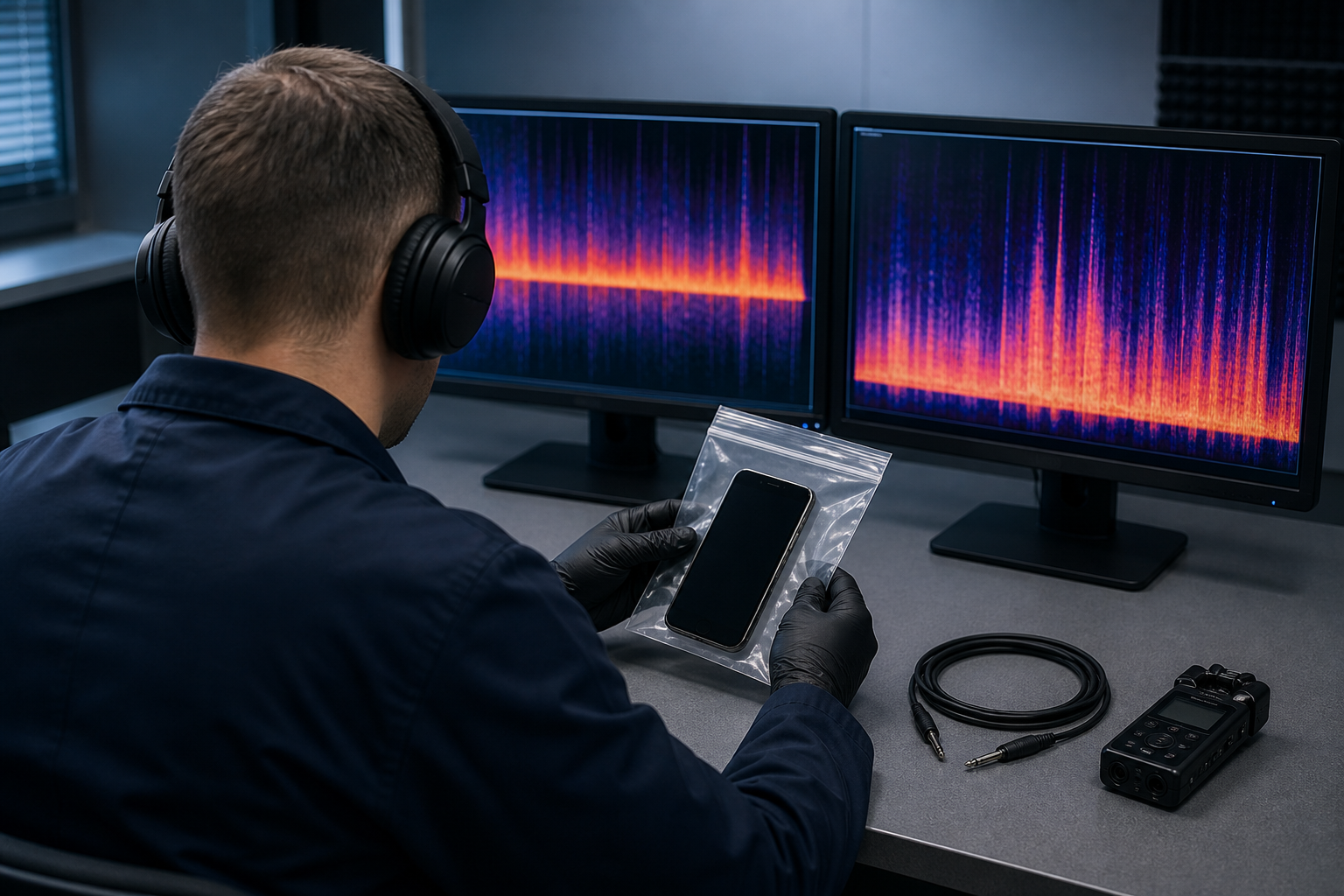
No exact song title, quoted lyric, translation, audio fingerprint or originating release is included in the facts made public here. Without those details, an ordinary reader cannot independently determine whether this is a Pakistani military song, a track about mujahideen, a reused cinematic recording, or an audio clip circulating under an inaccurate label.
Before treating the Pakistan association as established, look for answers to these questions:
- What is the exact title and version of the recording?
- What do the relevant lyrics say, and is there a complete, context-preserving translation?
- What evidence connects the track to the Pakistani military or to a mujahideen organisation?
- Was the audio audible at the physical event, or was it added while editing the reel?
- Who selected the audio, who uploaded the reel, and who had access to the Instagram account?
- Has the complete reel been preserved, rather than only a clipped or screen-recorded copy?
- Has any official police filing or court record described the audio and the alleged intent in precise terms?
Until those questions are answered, the accurate formulation is “audio alleged to be Pakistan-linked” or “audio described as associated with the Pakistani Army and mujahideen.” Calling it a proven terrorist anthem goes further than the disclosed facts allow. Precision here is not softness. It prevents a serious allegation from being weakened by exaggeration.
Judge the police case separately from the political argument

BJP leader C.T. Ravi demanded an FIR, arrests and strict action, while accusing Karnataka’s Congress government of neglecting a serious law-and-order issue. He argued that provocative content capable of inflaming communal tensions should not be dismissed as ordinary social-media activity.
That is a political demand for accountability, not forensic proof of the song’s identity or the accused’s intent. Police action is now part of the record, but the quality of that action should be judged by the evidence preserved, the statutory allegations actually made, and the ability to connect a particular person to a particular unlawful act.
You do not have to choose between firm enforcement and due process. A credible government should investigate potentially inflammatory or adversary-glorifying material without regard to party or community. A credible prosecution must also disclose a coherent chain of evidence. Weak authentication, collective accusation or politically inflated claims can allow genuinely dangerous conduct to disappear inside a broader communal quarrel.
The conduct of one accused person cannot be imputed to every participant in the celebration, every resident of the locality, or an entire religious community. Dharma does not require collective guilt. It requires discrimination in the proper sense: the ability to distinguish an individual act from a crowd, a suspicion from a fact, and national vigilance from indiscriminate hostility.
The next meaningful developments will not be louder speeches. They will be evidence identifying the track, proof of who controlled the account, preservation of the original reel, and court records clarifying the alleged offences. Those are the developments worth watching.
Key takeaways and the responsible way to respond
- A 40-foot Tipu Sultan cutout and an Instagram reel are part of the reported factual sequence; the exact identity and provenance of the audio remain allegations requiring proof.
- The reel’s soundtrack should not be described as music played at the physical celebration unless evidence establishes that connection.
- Afrid’s arrest, the cited BNS provisions and 14 days of judicial custody show that a formal process is underway. They do not amount to a conviction.
- The person who erected or filmed the display need not be the person who chose the audio or uploaded the reel. Account control and editing responsibility matter.
- C.T. Ravi’s criticism frames the political stakes, but the criminal case must stand on authenticated evidence rather than a party’s characterisation.
- You can oppose extremist glorification without blaming a whole community or presenting an unverified label as settled fact.
If you still encounter the reel, do not re-upload it merely to express outrage; that can give provocative content a larger audience and separate it from its original context. Preserve the public URL, account name, visible timestamp and an unedited screenshot. If the content appears to threaten violence or glorify terrorism, report the original material to the platform and the appropriate police channel rather than organising harassment.
When discussing it, use a one-sentence factual distinction: “The Instagram reel carried audio alleged to be linked to Pakistan’s military or mujahideen; the police investigation must authenticate the track and establish who selected it.” That wording neither minimises the concern nor claims more than is known.
Do not publish addresses, phone numbers or names of additional people on the basis of appearance, association or rumour. Misidentification can endanger innocent people and create legal exposure. If you intend to make a formal accusation or complaint, retain the original material unchanged and obtain advice from a qualified lawyer on the evidence and procedure applicable to your situation.
Watch what the investigation establishes next: the track’s identity, whether it was added after the event, who controlled the account, and what intent can actually be proved. A pro-Bharat position is strongest when its language remains as disciplined as its resolve.
References
