
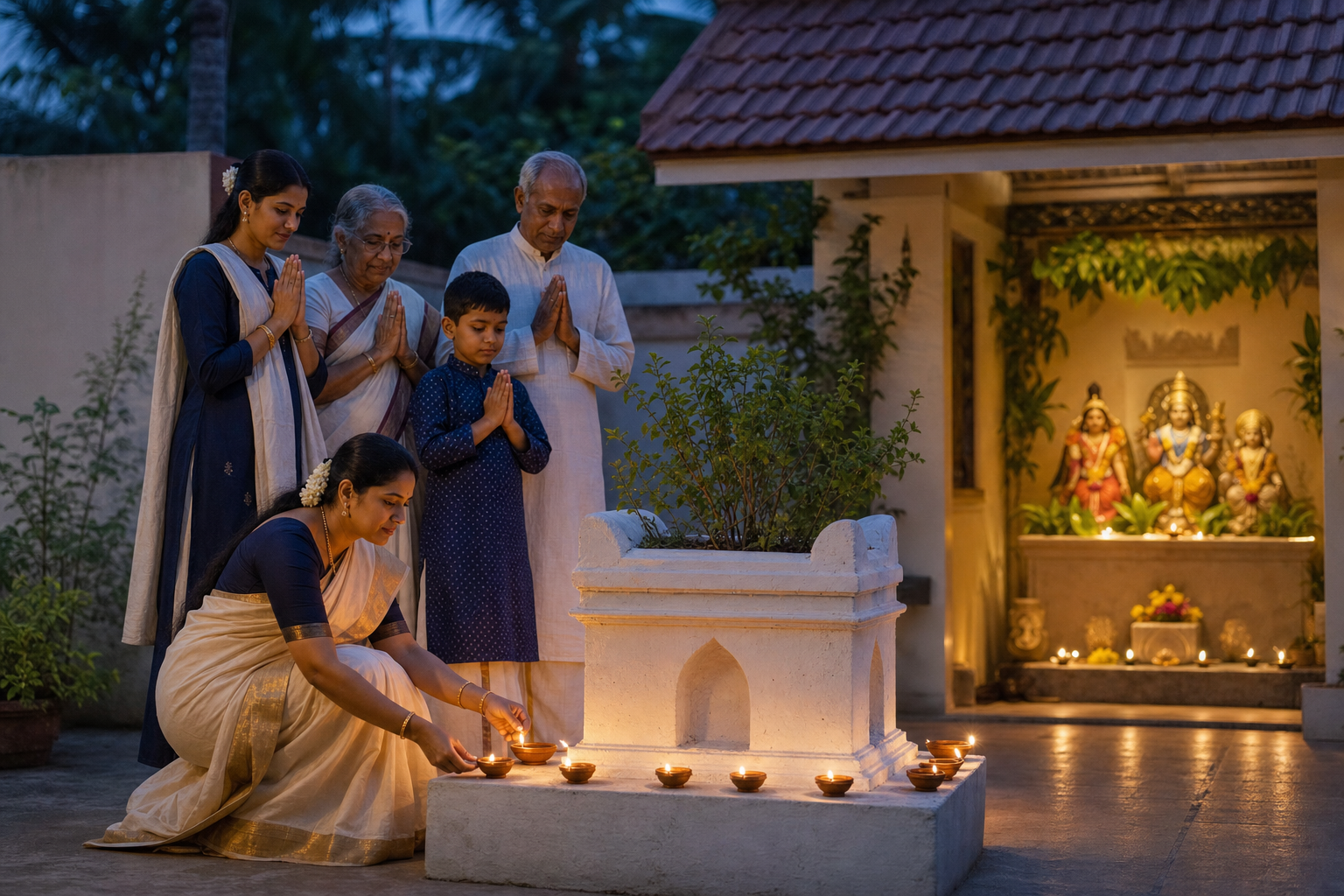
If you want to observe Karthika in 2025 but cannot organize your household around every tithi, begin with a manageable rule: choose one daily devotional practice and prepare properly for two important dates. This gives the month a steady rhythm without turning devotion into an exhausting checklist.
The two planning anchors are Nagula Chavithi on October 25 and Ksheerabdhi Dwadashi on November 2. One directs your attention toward Naga Devata, family welfare, water, soil, and respect for living beings. The other centers Tulsi, Damodara, Vishnu, Lakshmi, and the renewal of household vows. Around them, a lamp, a familiar prayer, sattvic restraint, and seva can carry the spirit of Karthika into ordinary days.
Put the two planning dates on your calendar first
These dates serve different devotional purposes, so do not collapse them into a generic festival routine. Prepare the offerings, prayers, and family conversation appropriate to each observance.
| Date | Observance | Devotional center | What to arrange |
|---|---|---|---|
| October 25, 2025 | Nagula Chavithi | Naga Devata, family welfare, fertility, water, soil, and ecological responsibility | Confirm a Naga shrine or temple program; prepare turmeric, flowers, naivedyam, and your vrata sankalpa |
| November 2, 2025 | Ksheerabdhi Dwadashi | Tulsi, Damodara, Vishnu, Lakshmi, awakening, and devotional renewal | Clean the Tulsi area; arrange flowers, naivedya, a lamp, Vishnu prayers, and the conclusion of the vrata |
Tithi observance is not determined by the civil date alone. Sunrise-based lunar calculations, vrata periods, and parana timings can vary by location. Use the dates above for advance planning, but confirm the actual observance and conclusion with a trusted regional panchang, your temple, or your family’s acharya. Do that before coordinating a group puja or inviting relatives, because a local timing difference discovered at the last moment can disrupt the vrata.
Key takeaways
- Reserve October 25 for Nagula Chavithi and November 2 for Ksheerabdhi Dwadashi, then verify local tithi and parana timings.
- Give Karthika a sustainable backbone: a clean prayer space, a safely placed lamp, a familiar prayer, sattvic restraint, and an outward act of kindness.
- Honor Naga Devata at a shrine or through symbolic worship; do not feed, handle, or disturb living snakes.
- Center Ksheerabdhi Dwadashi on Tulsi and Damodara worship, then conclude the vrata according to your local tradition.
Build a daily rhythm simple enough to sustain

A crowded ritual schedule often fails at the level of repetition. The household performs an elaborate opening and then loses the thread on ordinary working days. A better Karthika plan uses a small set of fixed acts that can continue even when school, work, travel, or caregiving makes a longer puja difficult.
- Begin your chosen prayer period by cleaning the immediate worship space. Bathe and change into clean clothes where that belongs to your family practice.
- State a short sankalpa in plain language. Name the discipline you intend to keep, such as regular prayer, gentler speech, sattvic eating on vrata days, service, or greater care toward living beings.
- Light a lamp near the shrine or Tulsi only where it can stand securely and remain supervised. Keep it away from curtains, dry leaves, unstable ledges, children, and animals.
- Use a prayer you already know. Vishnu Sahasranama or verses remembering Damodara fit the Vaishnava emphasis of Ksheerabdhi Dwadashi, but a shorter familiar nama-japa is more useful than an ambitious recitation your household cannot maintain.
- Give the practice an outward expression. Offer food responsibly, support a temple or conservation effort, help someone in need, or perform another concrete act of seva.
Do not measure the month by how many ritual items you accumulate. For this household plan, the useful test is whether worship changes attention and conduct: whether you remember the Divine regularly, handle food and natural resources with care, speak more deliberately, and make room for another being’s welfare.
If fasting is part of your vrata, treat it as a devotional discipline rather than a contest in endurance. When fasting is unsuitable for your health, keep the vow through another form of restraint and follow appropriate clinical advice. Physical risk does not make a vrata more sincere.
Observe Nagula Chavithi without disturbing living snakes
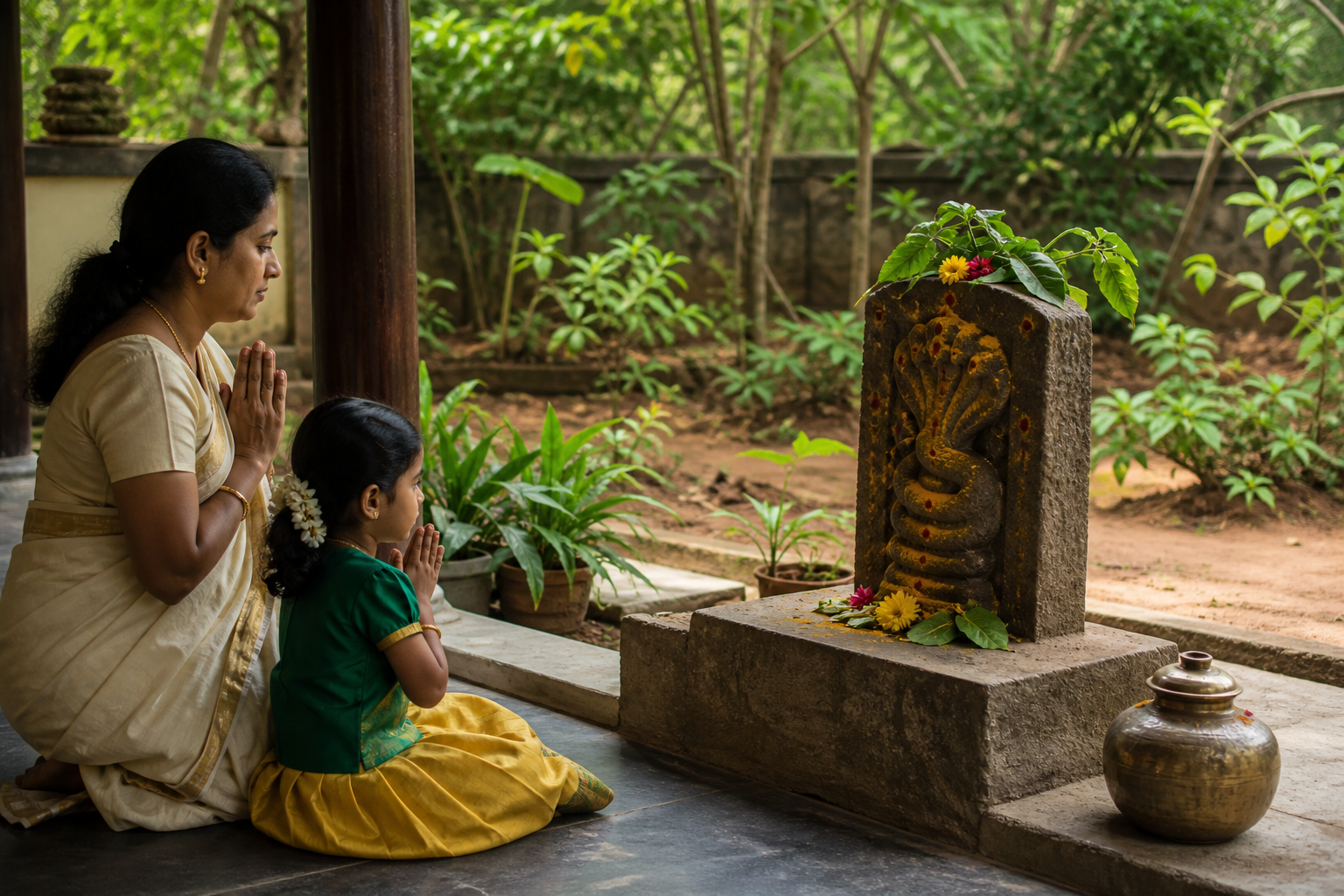
Nagula Chavithi is especially associated with Telugu communities in Andhra Pradesh and Telangana. It is observed on the fourth day after Deepavali and falls within Karthika masam in the Telugu calendar. Its agrarian language matters: reverence for Naga Devata connects family welfare with fertility, water, soil, and the conditions that sustain life.
That meaning gives you a clear standard for the ritual. An action that frightens, captures, handles, or harms a living snake contradicts the observance’s emphasis on protection and gratitude. Temple-based worship, symbolic offerings, and habitat-conscious conduct preserve the devotional intention without turning wildlife into a ritual object.
- Check whether your temple has a Naga shrine and whether it will conduct abhishekam. Confirm the local puja period before leaving home.
- Make a sankalpa for health, protection, children’s well-being, marital harmony, or the welfare of the household, according to your family tradition.
- Prepare simple offerings such as turmeric, flowers, and sattvic naivedyam. If your custom uses a clay image, choose biodegradable materials rather than decorative items that will become plastic waste.
- At the shrine, offer prayers with attention rather than rushing through the physical actions. Water, turmeric, flowers, and temple-directed abhishekam provide an appropriate ritual setting.
- Treat milk as a symbolic or temple-managed offering. Do not pour it into snake burrows, leave food in wildlife habitat, or attempt to feed a living snake.
- Complete the observance with an ecological act: support wildlife protection, avoid disturbing a habitat, care for a water source, or teach children why soil and water cannot be separated from household prosperity.
The final step prevents Naga worship from becoming merely decorative. If children are participating, ask an elder to explain why the serpent is remembered as a guardian rather than presented only as an object of fear. That conversation turns inherited symbolism into ecological responsibility and gives the ritual a place in the child’s moral world.
Make Tulsi and Damodara the center on November 2

Ksheerabdhi Dwadashi is widely observed on November 2, 2025, during Shukla paksha Dwadashi in Karthik. Your family calendar may use another regional name, including Tulsi Damodara Dwadasi, Chilku Dwadasi, Yogini Dwadashi, Yogeeshwari Dwadasi, or Chukkala Dwadashi. Recognizing those names can prevent confusion when relatives, temples, and regional panchangs use different labels.
The Vaishnava sacred frame begins with Vishnu’s awakening from cosmic rest on Utthana Ekadashi. Vishnu is then remembered as coming to Vrindavan with Lakshmi, bringing divine re-engagement, grace, and the possibility of renewal. This is why the Dwadashi is well suited to renewing a household vow rather than merely repeating a familiar puja.
- Take an early bath and clean the Tulsi area and household shrine before arranging the offerings.
- Sanctify the Tulsi plant according to your family custom. Offer flowers and naivedya with a sankalpa for renewed devotion, restraint, service, and harmony.
- Worship Vishnu with Lakshmi and remember Damodara. Recite Vishnu Sahasranama, Damodara verses, or the established prayer used in your sampradaya.
- Light an earthen lamp near Tulsi if it can be placed safely. Let the lamp remain a focus for prayer, not an unattended decoration.
- Read or hear an appropriate Puranic remembrance if that belongs to your household observance. Give each family member a defined role so that the puja is shared rather than performed around passive spectators.
- Extend the worship through charity, compassionate feeding, or another form of seva. Use offerings that are gentle toward living beings and do not leave avoidable waste.
- Conclude the vrata with sattvic food only after the appropriate parana period established by your local panchang and tradition.
The most important practical distinction is between preparing the puja and completing the vrata. Many households remember flowers, lamps, and naivedya but leave the parana timing vague. Confirm it when you confirm the tithi, write it on the household calendar, and tell everyone who is participating. That small act prevents uncertainty at the end of the observance.
Let Karthika change one household habit
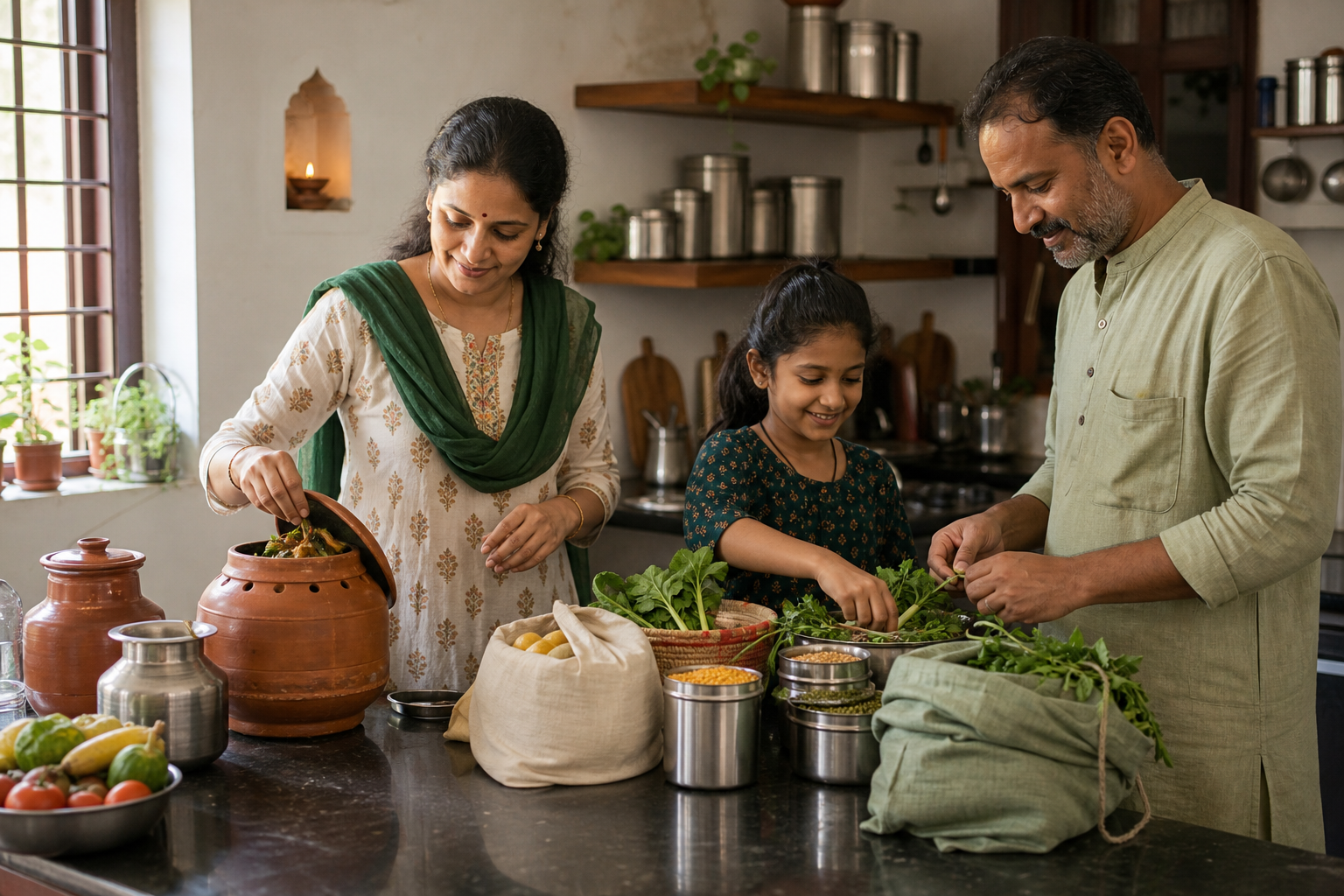
Nagula Chavithi and Ksheerabdhi Dwadashi approach sacred life from different directions. The first makes the welfare of the family inseparable from water, soil, habitat, and respect for Naga life. The second gathers the household around Tulsi, Vishnu, Lakshmi, remembrance, restraint, and renewal. Their common ground is not a single interchangeable ritual. It is the Dharmic conviction that devotion must shape how you treat life beyond the altar.
You can make that connection visible by assigning one lasting household practice to each observance. Let Nagula Chavithi establish a rule against disturbing wildlife or wasting water. Let Ksheerabdhi Dwadashi establish a regular act of seva, care for Tulsi, shared prayer, or more mindful use of food. A vow that survives the festival is more instructive to children than an elaborate arrangement dismantled the next morning.
These values also provide a careful way to discuss the wider Dharmic family. Naga protectors appear in Buddhist narratives, and Jain remembrance associates a protective Naga with Parshvanatha. The contemplative discipline of Karthika can resonate with Buddhist practice, its ahimsa with Jain ethics, and its seva with Sikh teaching. These parallels do not erase the distinct identities of the traditions. They show how different Dharmic paths can meet in responsibility, compassion, disciplined conduct, and care for life.
For your 2025 plan, enter October 25 and November 2 on the family calendar, contact the temple or panchang authority about local timings, and choose the daily practice you can actually sustain. Then decide which act of ecological care or seva will remain after the lamps are extinguished. That is where Karthika moves from an observed date into a lived discipline.
References
- DharmaRenaissance Blog – Discover Ksheerabdhi Dwadashi 2025 (Tulsi Damodara): Complete Guide to Date, Meaning, and Rituals
- DharmaRenaissance Blog – Nagula Chavithi 2025 Guide: Discover the Complete Significance, Rituals, and Date Insights
