
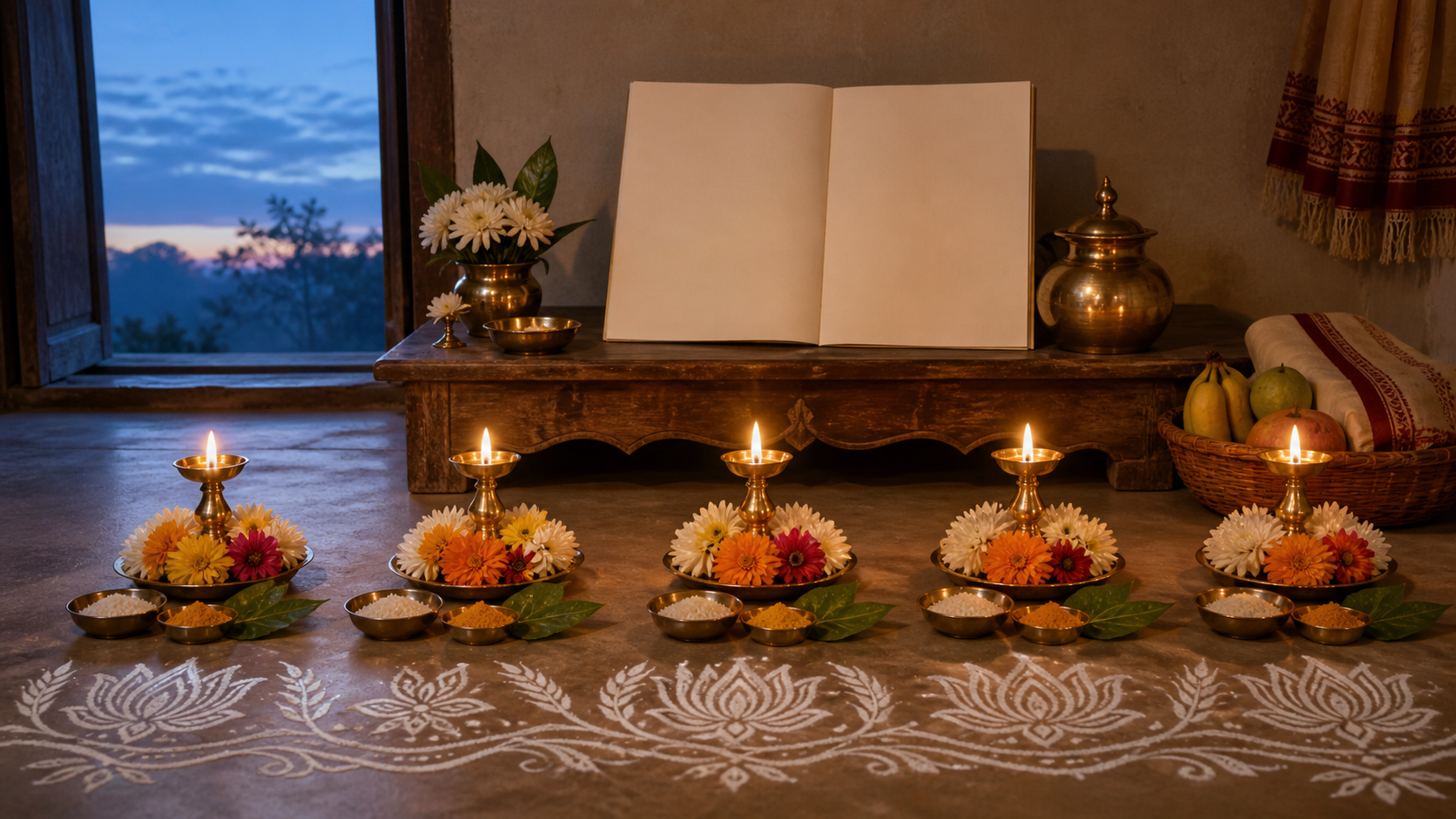
Your hardest task this November is not remembering a list of dates. It is knowing which observance depends on a local tithi calculation, which one requires five weeks of continuity, and what you should prepare before each date arrives.
Use this calendar as a household planning sheet. Reserve the dates now, prepare recurring items once, and confirm location-sensitive timings with your own temple or regional Panchang before making a vrata sankalpa.
Dates to reserve for November 2025
The month contains two different planning patterns. November 2 involves a lunar-tithi transition from Ekadashi to Dwadashi. The four November Thursdays belong to a five-part Manabasa Gurubar cycle that concludes on December 4.
| Date | Observance | What you need to plan |
|---|---|---|
| Sunday, November 2 | Shukla Paksha Ekadashi to Dwadashi | Ekadashi prevails until 2:57 AM in most regions, followed by Dwadashi through the day. Confirm the local transition and the permitted parana period before concluding a fast. |
| Thursday, November 6 | Manabasa Gurubar, Pratham Pali | Begin the five-Thursday household observance. Clean the worship space and prepare the Mana, grain, lamps, offerings, and Lakshmi worship materials. |
| Thursday, November 13 | Manabasa Gurubar, Dwitiya Pali | Repeat the observance without rebuilding the entire arrangement. Refresh the altar, Jhoti or Chita, flowers, lamp, and naivedya. |
| Thursday, November 20 | Manabasa Gurubar, Tritiya Pali | Protect the weekly rhythm from mid-month fatigue. Schedule cleaning and food preparation on Wednesday. |
| Thursday, November 27 | Manabasa Gurubar, Chaturtha Pali | Continue the vrata and retain the materials needed for the final Pali rather than packing everything away. |
| Thursday, December 4 | Manabasa Gurubar, Panchama Pali | Complete the five-part sequence. Although this date falls outside November, it belongs on the same household calendar. |
Do not read the table as a universal muhurta chart. Nakshatra, rashi, auspicious windows, and even the exact local tithi boundary can vary with location and calculation method. A regional almanac or temple notice should settle those details for your city.
Handle the November 2 tithi transition correctly
A civil date changes at midnight, but a Hindu observance is often governed by the tithi prevailing at the ritually relevant time. That is why writing only “Ekadashi on November 1” or “Dwadashi on November 2” in your diary may not give you enough information to plan the vrata.
For November 2, the usable anchor is the transition at 2:57 AM in most regions. It tells you that Dwadashi governs the day after the early-hours change. It does not, by itself, establish a universal parana time for every city or sampradaya. Treating the transition time and the parana window as interchangeable is the mistake to avoid.
- Check a Panchang calculated for your location. Confirm the tithi transition and the parana window rather than copying a time prepared for another city.
- Follow your family or sampradaya rule for the Ekadashi vrata. Dietary restraint and the manner of fasting are not identical across all Hindu lineages.
- Plan the spiritual practice as carefully as the food restriction. Japa, quiet study, mindful speech, temple darshan, or simple seva can give the vrata a clear purpose.
- Conclude the fast during the locally applicable Dwadashi period. Arrange the parana meal beforehand so that uncertainty in the kitchen does not displace the observance itself.
If you are not keeping a food fast, you can still use the day for disciplined restraint. A satvik meal, fewer distractions, sacred reading, and a deliberate act of care preserve the movement from self-control toward clarity without pretending that every household must follow one ritual form.
Treat Manabasa Gurubar as one five-week vrata
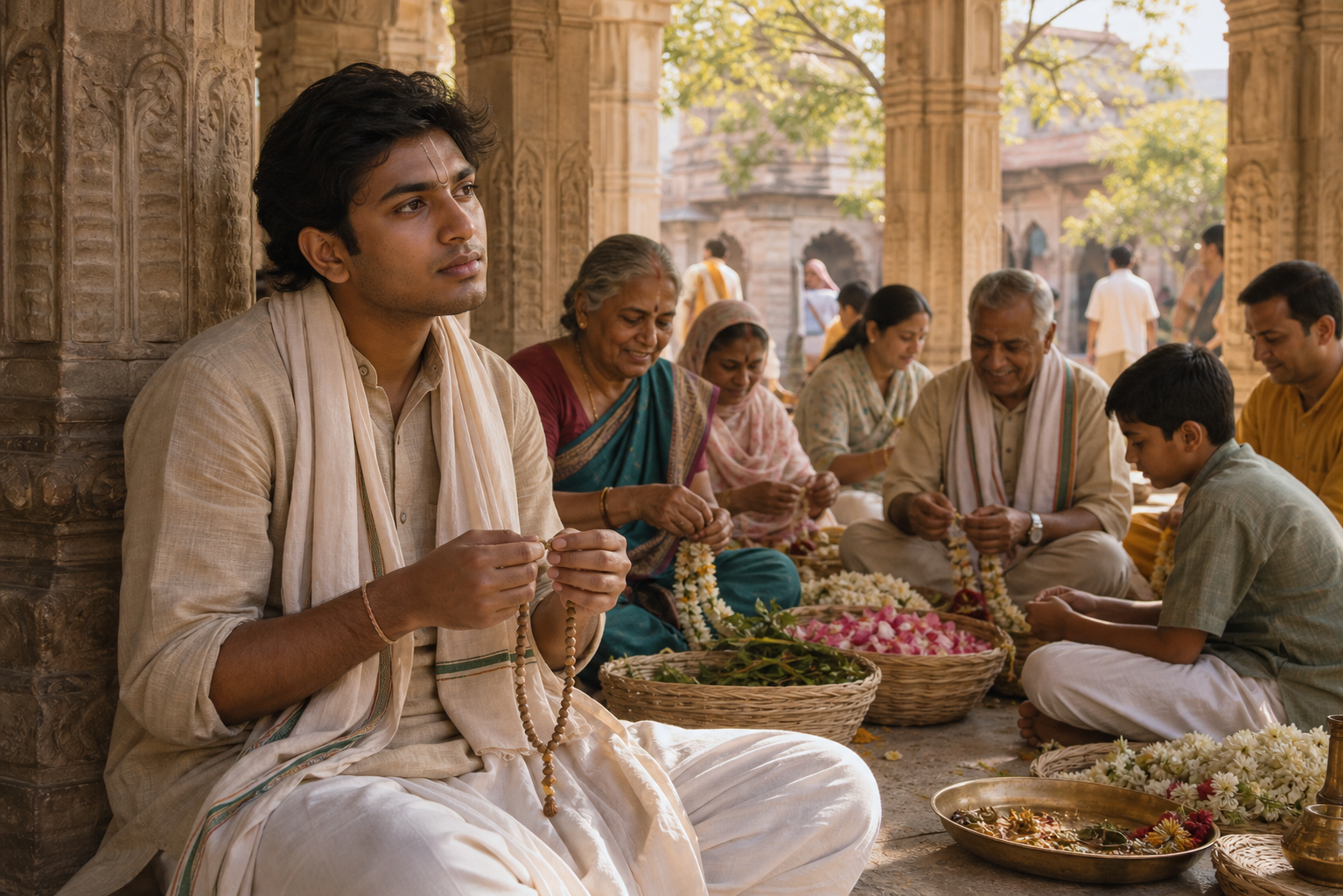
Manabasa Gurubar begins on Thursday, November 6, and continues on November 13, November 20, November 27, and December 4. The Palis are Pratham, Dwitiya, Tritiya, Chaturtha, and Panchama respectively. Put all five dates into your calendar together. Otherwise, the end of November can feel like the end of the vrata even though the final Pali is still a week away.
The Mana, a traditional measure associated with paddy, places food, cultivation, and honest labour at the centre of the observance. This is not prosperity detached from responsibility. The household welcomes Lakshmi through cleanliness, gratitude, disciplined worship, hospitality, and ethical conduct.
Recitation of the Lakshmi Purana gives the weekly practice a social dimension through its emphasis on humility, inclusion, and respect. You can carry that meaning into the vrata by pairing worship with a concrete act of dana or seva. Choose the act before the first Thursday so that generosity does not remain a vague intention.
Continuity matters more than decorative escalation. A modest altar maintained across five Thursdays is more faithful to a disciplined vrata than an elaborate first week followed by hurried observances. Decide what your household can repeat before purchasing or preparing anything.
Build a repeatable Wednesday-to-Thursday routine
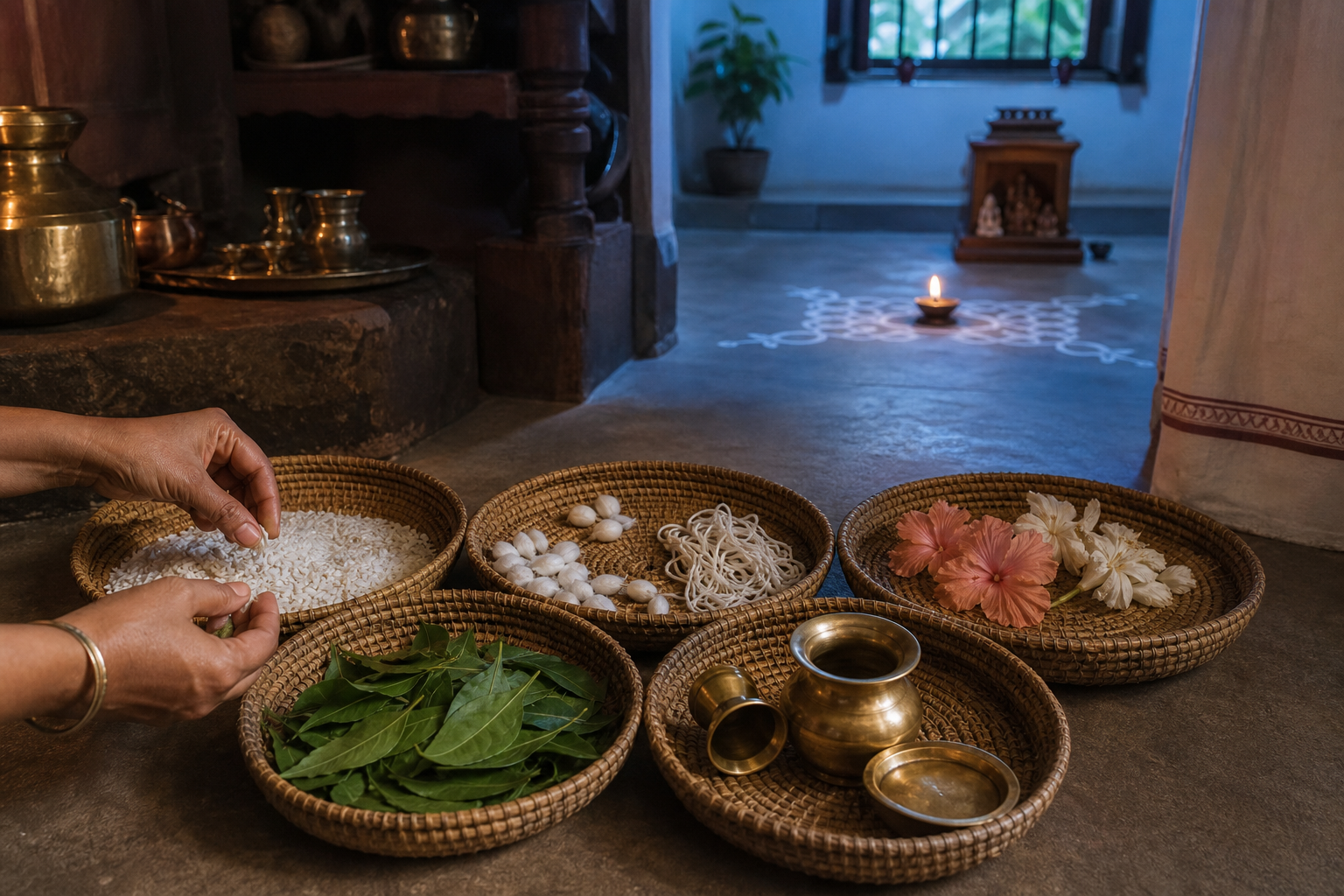
Move the practical work to Wednesday evening whenever your schedule permits. Thursday can then remain centred on worship rather than searching for rice, cleaning lamps, or deciding what to cook.
Keep one Manabasa worship kit ready
- A clean Mana with paddy and rice
- A kalasha or a clean image or murti of Goddess Lakshmi
- Turmeric, kumkum, and akshata
- Flowers, incense, and reusable diyas
- Betel leaves and nuts, coconut, fruits, and seasonal grains
- A clean white cloth for the altar
- Rice paste or natural material for Jhoti or Chita designs and Lakshmi paada chinha
- The text used by your household for Lakshmi Purana recitation
Store the durable items together between Palis. On Wednesday, clean the home and sacred area, wash the lamps and vessels, refresh the doorway, and check the perishable offerings. If your family makes traditional Odia naivedya, choose in advance among preparations such as kakara pitha, arisa pitha, chittau pitha, khiri, or a jaggery-based offering. You do not need to prepare every item each week.
Use a simple Thursday sequence
- Clean and sanctify the worship space with water according to your household practice.
- Arrange the Mana, paddy, rice, kalasha or image, white cloth, and other offerings.
- Make the Jhoti or Chita and Lakshmi paada chinha where this belongs to your tradition.
- Invoke Goddess Lakshmi and light the lamp.
- Offer turmeric, kumkum, akshata, flowers, incense, fruit, grain, and the prepared naivedya.
- Recite or listen attentively to the Lakshmi Purana.
- Perform arati, distribute prasada, and complete the act of charity or service you planned.
This is a practical framework, not a replacement for parampara. Retain additional mantras, fasting rules, and family customs where they are part of your inherited practice. If you are learning the observance for the first time, ask an elder, an Odia temple, or a trusted local practitioner which elements are essential in your community.
Natural rice paste, locally available flowers, earthen or reusable lamps, and reusable altar cloths keep the preparation close to the agricultural symbolism of the vrata. The point is not to make the ritual visually sparse. It is to avoid turning sacred repetition into five weeks of disposable decoration.
Keep precision and the ethical centre together
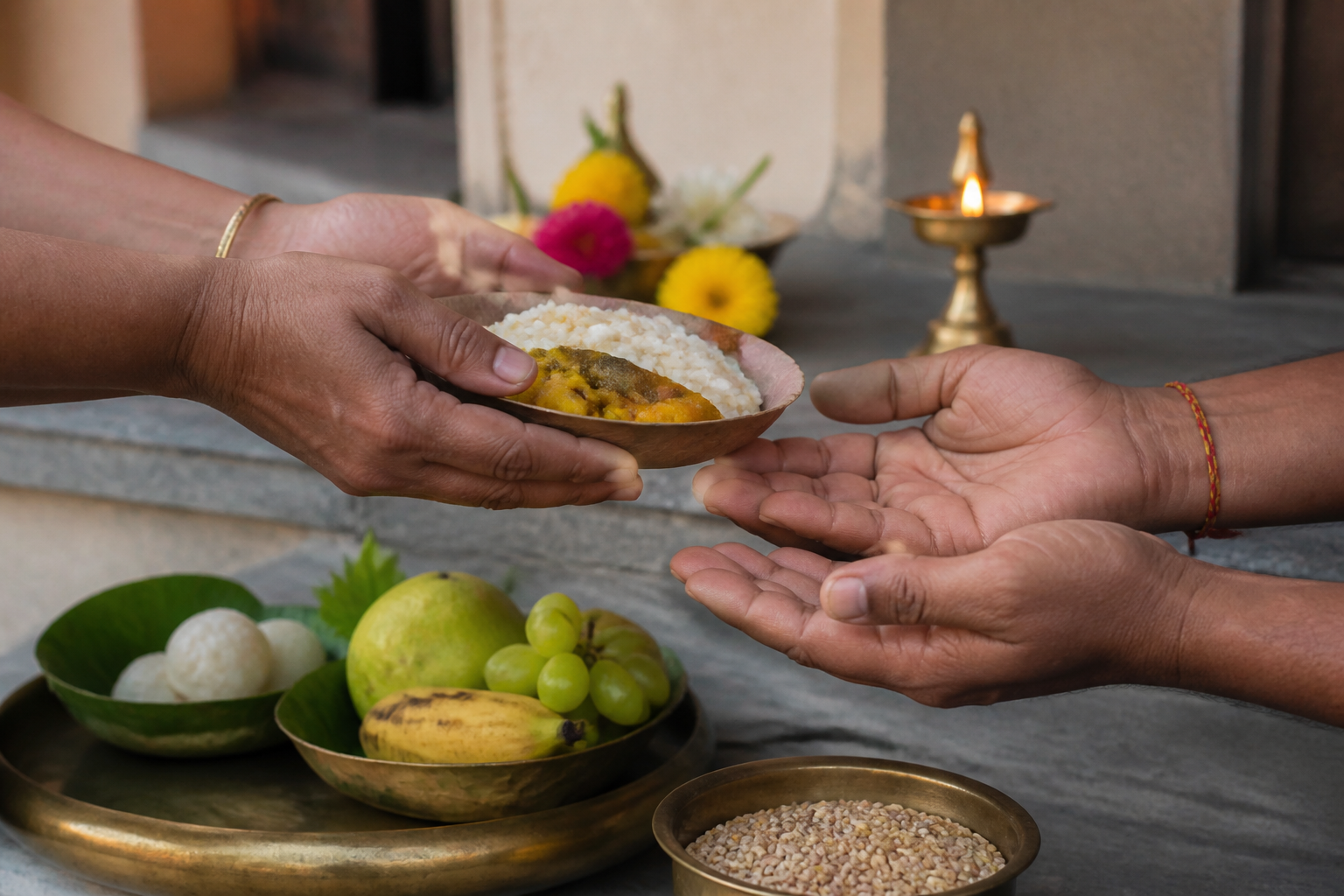
Ritual precision and lived dharma are not competing priorities. The local Panchang tells you when a tithi prevails; your sampradaya tells you how the vrata is kept; and the conduct surrounding the observance shows what the discipline is producing in daily life.
For the Ekadashi-Dwadashi passage, notice whether restraint makes your speech and attention steadier. For Manabasa Gurubar, notice whether the weekly cleaning, grain offering, hospitality, and dana deepen respect for food and labour. Those are concrete tests. They prevent the calendar from becoming a collection of dates detached from conduct.
Households with more than one regional or Dharmic inheritance do not need to erase their differences to practise together. Keep the actual ritual forms distinct where tradition requires it, while allowing restraint, gratitude, ahimsa, seva, humility, and care for the household to provide common ground.
Key takeaways
- Reserve November 2 for the Ekadashi-to-Dwadashi transition, but obtain the actual parana window from a location-specific Panchang.
- Do not treat 2:57 AM as a universal parana instruction; it is the reported tithi transition time for most regions.
- Enter all five Manabasa Gurubars together: November 6, 13, 20, and 27, followed by December 4.
- Prepare durable puja materials once, then refresh the altar, designs, flowers, grain, and naivedya each week.
- Follow family and regional parampara where timings or ritual details differ.
- Give the observances an ethical expression through disciplined attention, respect for food and labour, hospitality, dana, or seva.
Mark the five dates now, then contact your temple or consult your regional Panchang for the November 2 details. Before Wednesday, November 5, assemble the Manabasa kit and decide on a Thursday routine your household can sustain through December 4.
References
- DharmaRenaissance Blog – Complete Panchang for Nov 2, 2025: Shukla Paksha Dwadashi, Nakshatra & Rashi Guide
- DharmaRenaissance Blog – Manabasa Gurubar 2025: Discover the Complete Guide to Dates, Decorations, Puja Items, and Ritual Meaning
