
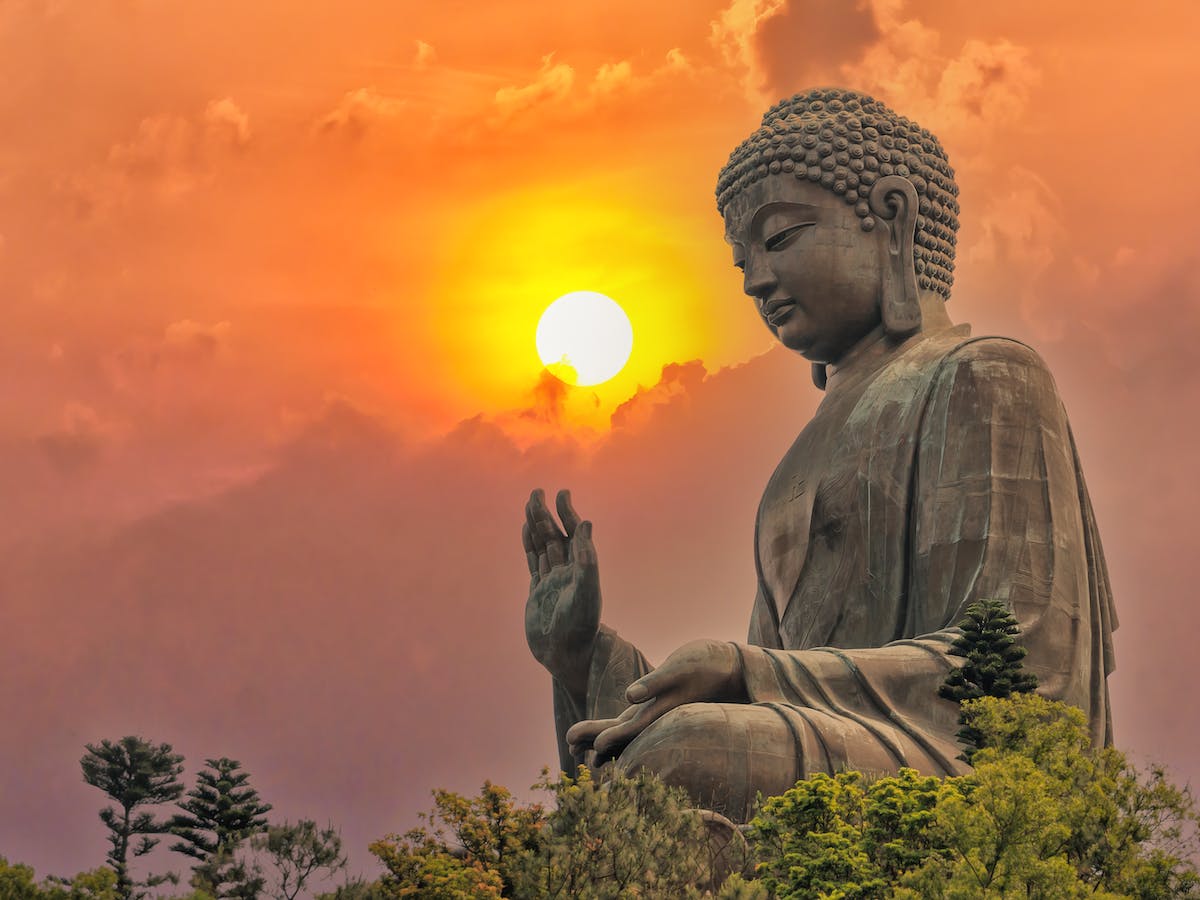
Buddha Purnima, also known as Vesak or Buddha Jayanti, is one of the most important festivals in the Buddhist calendar. It commemorates the birth, enlightenment, and death of the Buddha, Siddhartha Gautama, who lived in ancient India over 2500 years ago. Buddha Purnima is celebrated in many countries around the world, including Nepal, India, Sri Lanka, Thailand, Myanmar, Cambodia, Laos, Vietnam, Indonesia, and China.
In this blog post, we will explore the significance of Buddha Purnima, how it is celebrated, and the messages and teachings of the Buddha that are relevant to us today.
Introduction
Buddha Purnima, which falls on the full moon day of the month of Vaisakha (April/May), is a time for Buddhists to reflect on the life and teachings of the Buddha. The festival is marked by various rituals and traditions, such as offering prayers, lighting lamps, and chanting Buddhist scriptures.
Significance of Buddha Purnima
The birth, enlightenment, and death of the Buddha are considered the three most important events in his life, and they are celebrated during Buddha Purnima.
The birth of Buddha
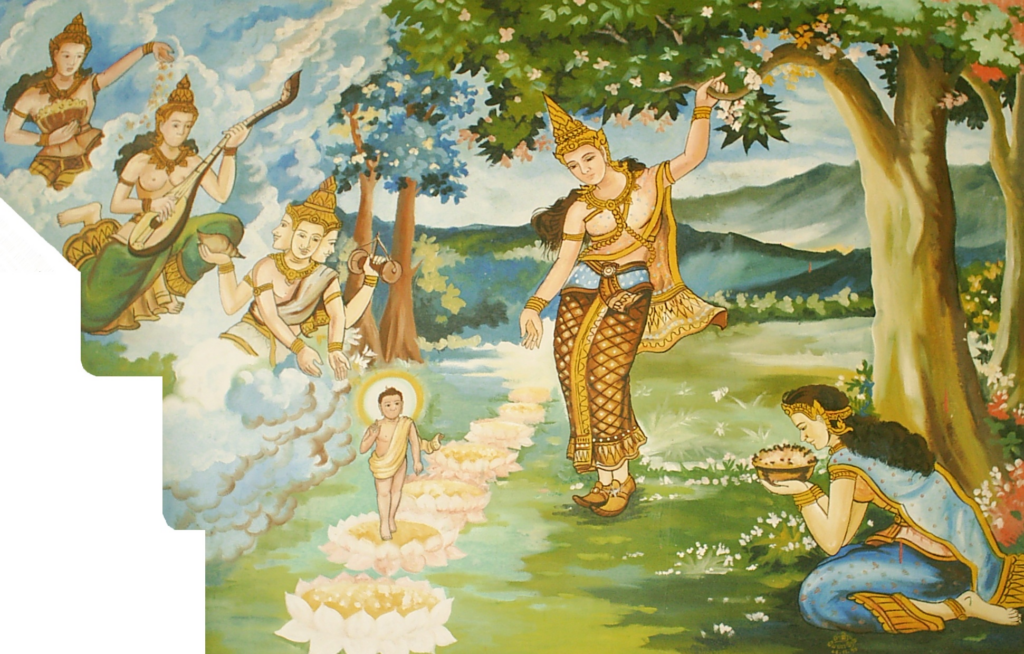
According to Buddhist tradition, the Buddha was born in Lumbini, in present-day Nepal, on the full moon day of Vaisakha in 563 BCE. His mother, Queen Maya, died seven days after his birth, and he was raised by his aunt, Mahaprajapati Gautami.
The birth of the Buddha is significant because it represents the beginning of his journey towards enlightenment. It is also a reminder of the Buddha’s humanity, as he was born into a royal family but chose to leave his luxurious lifestyle in search of the truth.
The enlightenment of Buddha
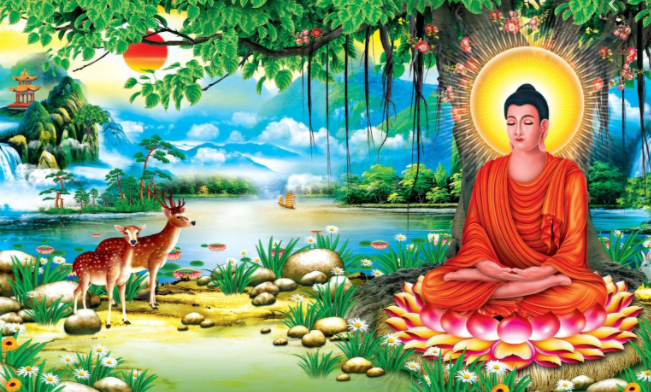
The Buddha’s enlightenment, also known as Buddhahood, occurred when he was 35 years old. He had been practicing meditation and asceticism for six years when he finally achieved enlightenment while sitting under a Bodhi tree in Bodh Gaya, India.
The Buddha’s enlightenment is significant because it represents the moment when he gained insight into the nature of reality and became free from suffering. He realized the Four Noble Truths, which form the foundation of Buddhist philosophy, and the Noble Eightfold Path, which provides a practical guide for living a meaningful life.
The death of Buddha
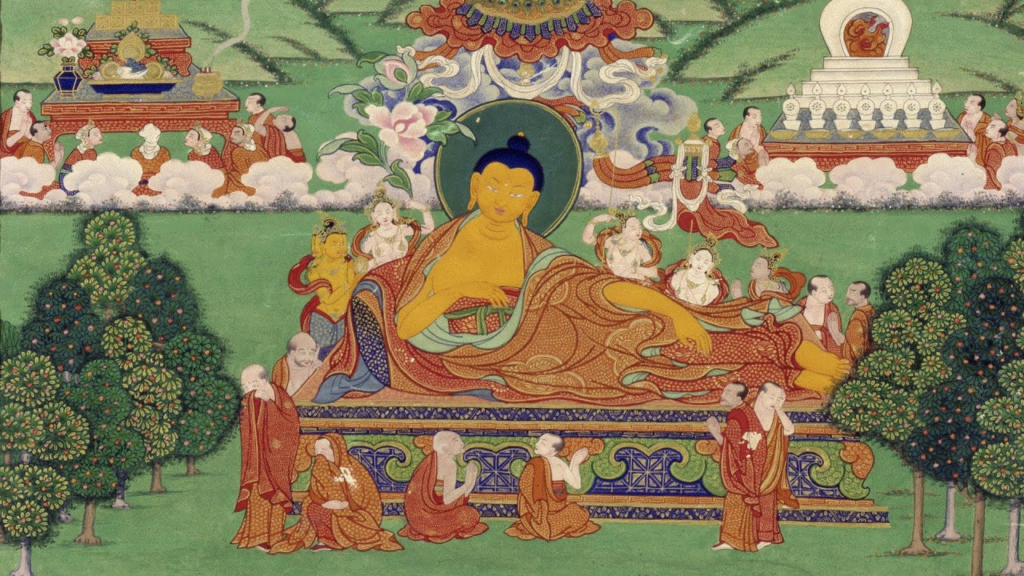
The Buddha passed away at the age of 80, in Kushinagar, India, on the full moon day of Vaisakha. His last words were “all things are impermanent” (Skt. Anicca vata sankhara), which is a reminder of the Buddhist belief in the transience of all phenomena.
The Buddha’s death is significant because it represents the culmination of his teachings and the beginning of a new era for Buddhism. It also reminds us of the impermanence of life and the importance of practicing mindfulness and compassion.
Celebration of Buddha Purnima
Buddha Purnima is celebrated in different ways in different parts of the world, but there are some common practices and rituals.
How Buddha Purnima is celebrated in different parts of the world
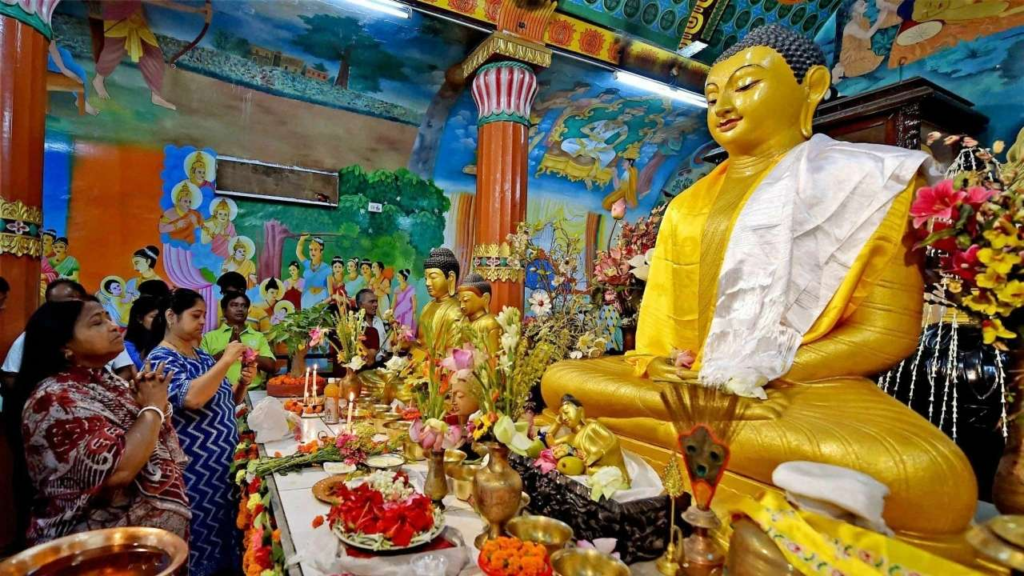
In Nepal, Buddha Purnima is celebrated with processions and rituals at Buddhist temples and monasteries. In India, the festival is marked by the lighting of lamps, the chanting of Buddhist scriptures, and the offering of food and flowers to the Buddha. In Sri Lanka, Vesak is a public holiday, and people decorate their homes and streets with colorful lanterns and flags. In Thailand, the festival is known as Visakha Bucha, and Buddhists visit temples to make offerings and participate in candlelight processions.
Customs and traditions associated with Buddha Purnima
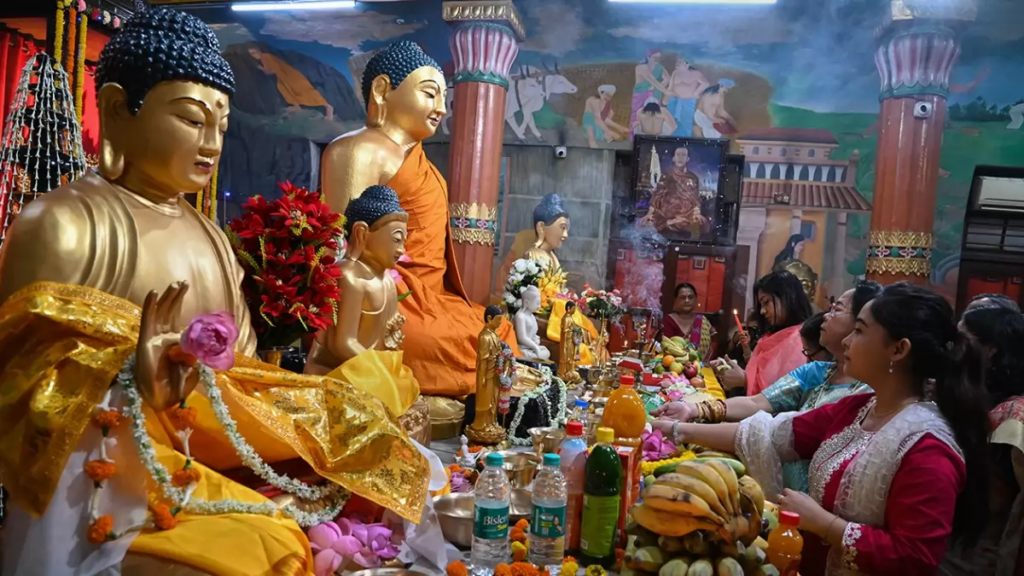
One of the most common customs associated with Buddha Purnima is the practice of giving, which is known as Dana in Buddhism. Buddhists often donate food, clothing, and money to the poor and to monasteries during the festival. They also observe sila, or ethical conduct, by abstaining from meat and alcohol and by practicing meditation and other spiritual practices.
Another important tradition during Buddha Purnima is the bathing of the Buddha, which symbolizes purification and renewal. Buddhists pour water over statues or images of the Buddha as a way of expressing their devotion and gratitude.
The role of meditation and spiritual practice during Buddha Purnima
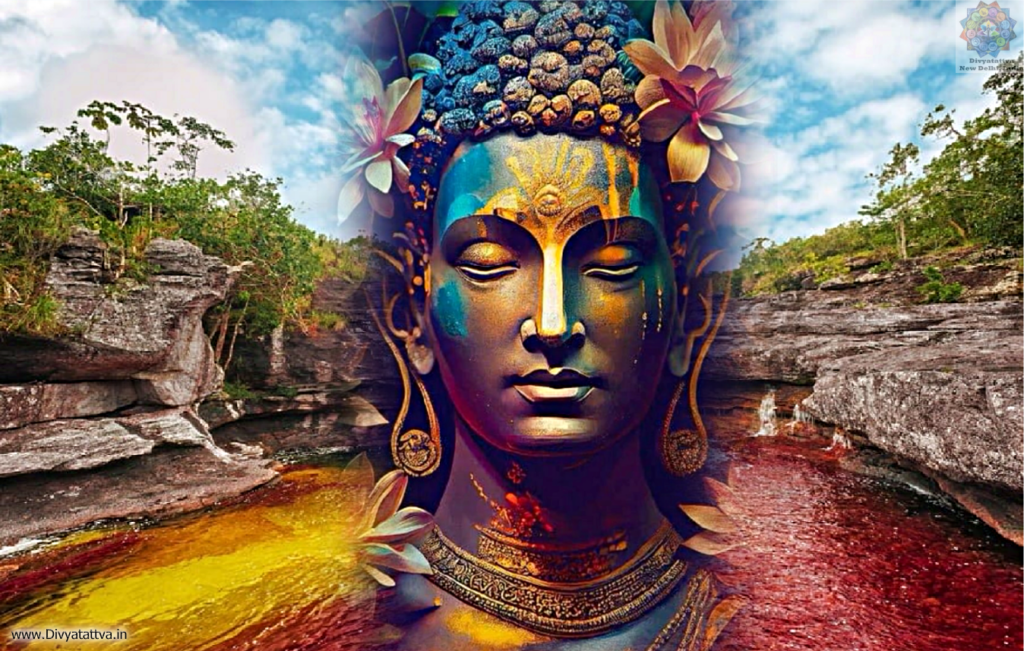
Meditation and other spiritual practices are an integral part of Buddha Purnima celebrations. Buddhists often spend the day in meditation, chanting, or reading Buddhist scriptures, as a way of deepening their understanding of the Buddha’s teachings and cultivating inner peace and clarity.
Messages and teachings of Buddha Purnima
The teachings of the Buddha are timeless and continue to inspire people around the world today. Here are some of the key messages and teachings of Buddha Purnima:
Compassion and non-violence
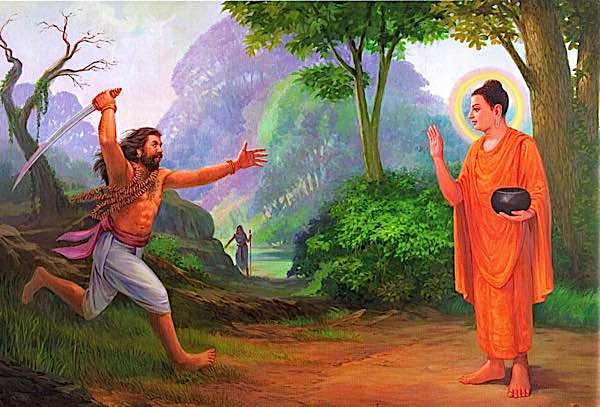
The Buddha taught that compassion and non-violence are essential qualities for achieving inner and outer peace. He emphasized the importance of loving-kindness, or metta, towards all beings, and encouraged his followers to refrain from harming others in thought, word, or deed.
Understanding and accepting impermanence
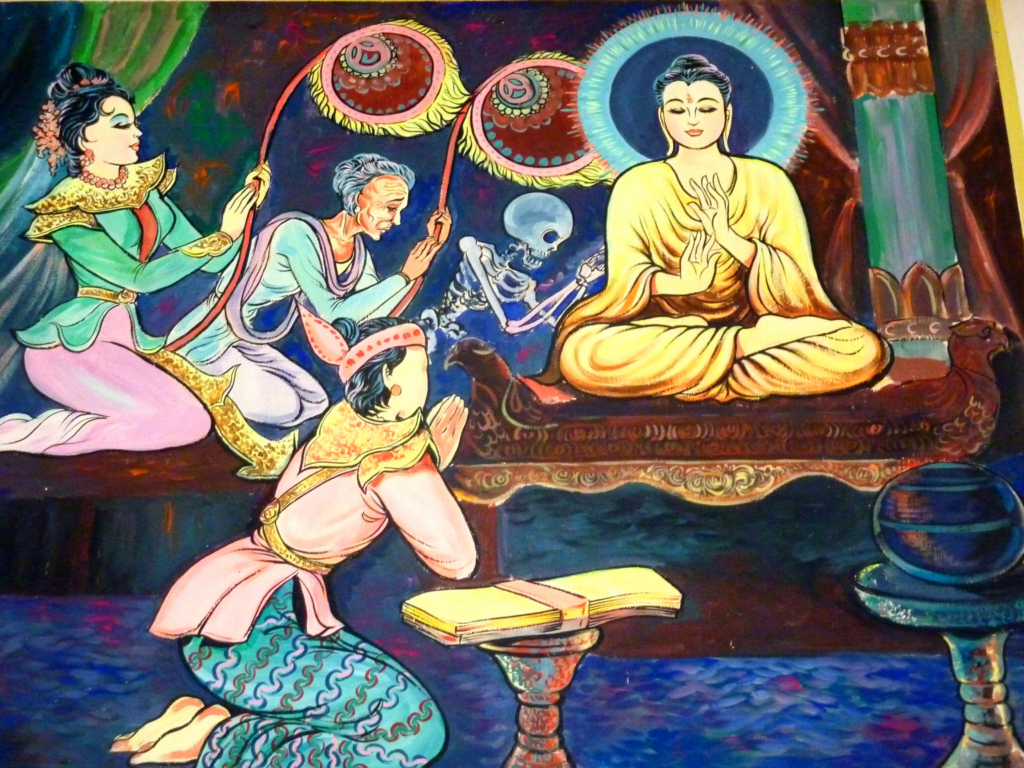
The Buddha’s teachings on impermanence remind us that everything in life is constantly changing and that nothing is permanent. This understanding can help us to let go of attachment and cultivate a sense of equanimity and acceptance.
The path to enlightenment
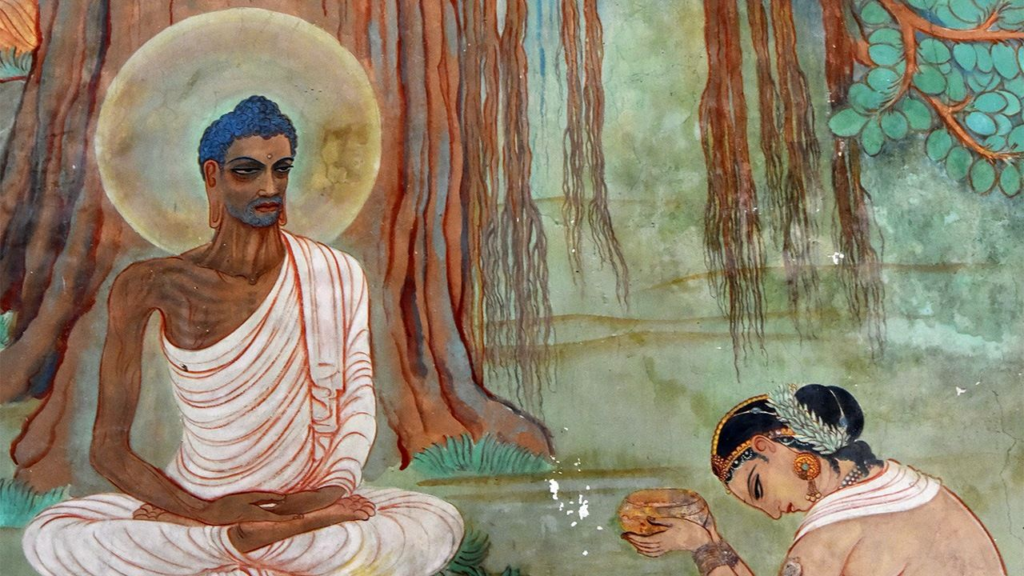
The Buddha’s teachings on the Noble Eightfold Path provide a practical guide for living a meaningful life. The eightfold path consists of right view, right intention, right speech, right action, right livelihood, right effort, right mindfulness, and right concentration.
The importance of community and sangha
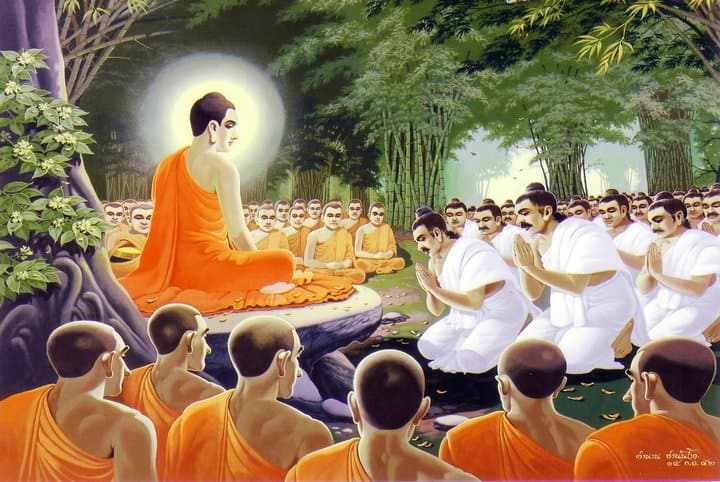
The Buddha emphasized the importance of community and the sangha, or the community of Buddhist practitioners. He encouraged his followers to support and encourage one another in their spiritual practice, and to work together to create a more compassionate and just world.
Gautama Buddha in Sanatana Literature
Here’s a brief overview of how Gautama Buddha is referred to in the scriptures of Hinduism, Jainism, Buddhism, and Sikhism:
Hinduism
In Hinduism, Gautama Buddha is considered an avatar or incarnation of the god Vishnu. Some Hindu scriptures, such as the Bhagavata Purana, describe Buddha as a teacher who appeared in the world to teach people about non-violence and compassion. However, there is some debate among Hindus about how to interpret Buddha’s teachings in relation to traditional Hindu beliefs and practices.
Jainism
Jainism and Buddhism share a common origin in ancient India, and there are many similarities between the two religions. In Jainism, Gautama Buddha is seen as a spiritual teacher and a contemporary of Mahavira, the founder of Jainism. However, Jainism rejects some of the central tenets of Buddhism, such as the concept of no-self (anatta) and the rejection of the existence of a permanent soul or self (atman).
Buddhism
Gautama Buddha is, of course, the central figure in Buddhism, and his life and teachings are the foundation of the Buddhist religion. In Buddhist scriptures, such as the Pali Canon, Buddha is referred to as the Tathagata, which means “the one who has thus come” or “the one who has thus gone”. Buddha’s teachings on the Four Noble Truths and the Noble Eightfold Path are considered the path to liberation from suffering and the attainment of enlightenment.
Sikhism
Sikhism emerged in northern India in the 15th century, and although it shares many similarities with Hinduism. In Sikhism, Gautama Buddha is not specifically mentioned in the Sikh scriptures, the Guru Granth Sahib. However, Sikhism shares some common teachings with Buddhism, such as the emphasis on compassion and service to others. Sikhism also emphasizes the importance of meditation and self-discipline as a path to spiritual enlightenment.
Conclusion
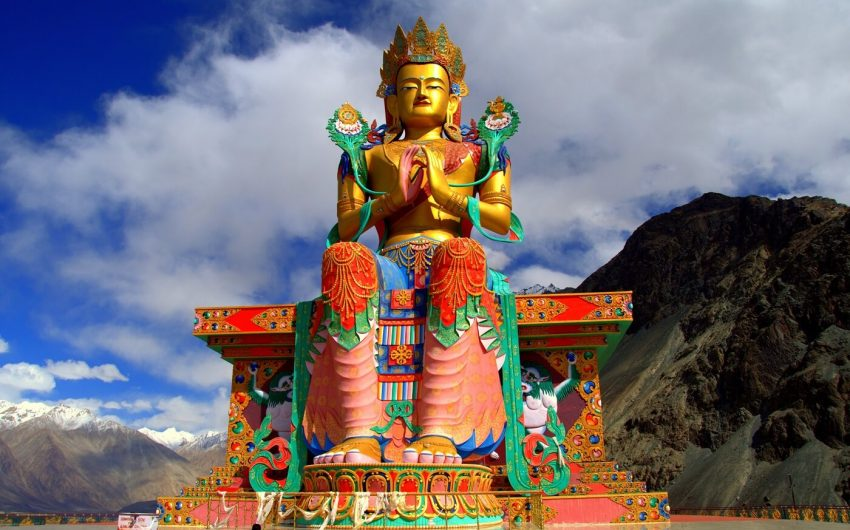
Buddha Purnima is a time for Buddhists to reflect on the life and teachings of the Buddha and to deepen their spiritual practice. The festival is marked by various customs and traditions, such as offering prayers, lighting lamps, and chanting Buddhist scriptures. The teachings of the Buddha, including compassion, non-violence, understanding impermanence, the path to enlightenment, and the importance of community, continue to inspire people around the world today. May we all find peace and wisdom in the teachings of the Buddha.