
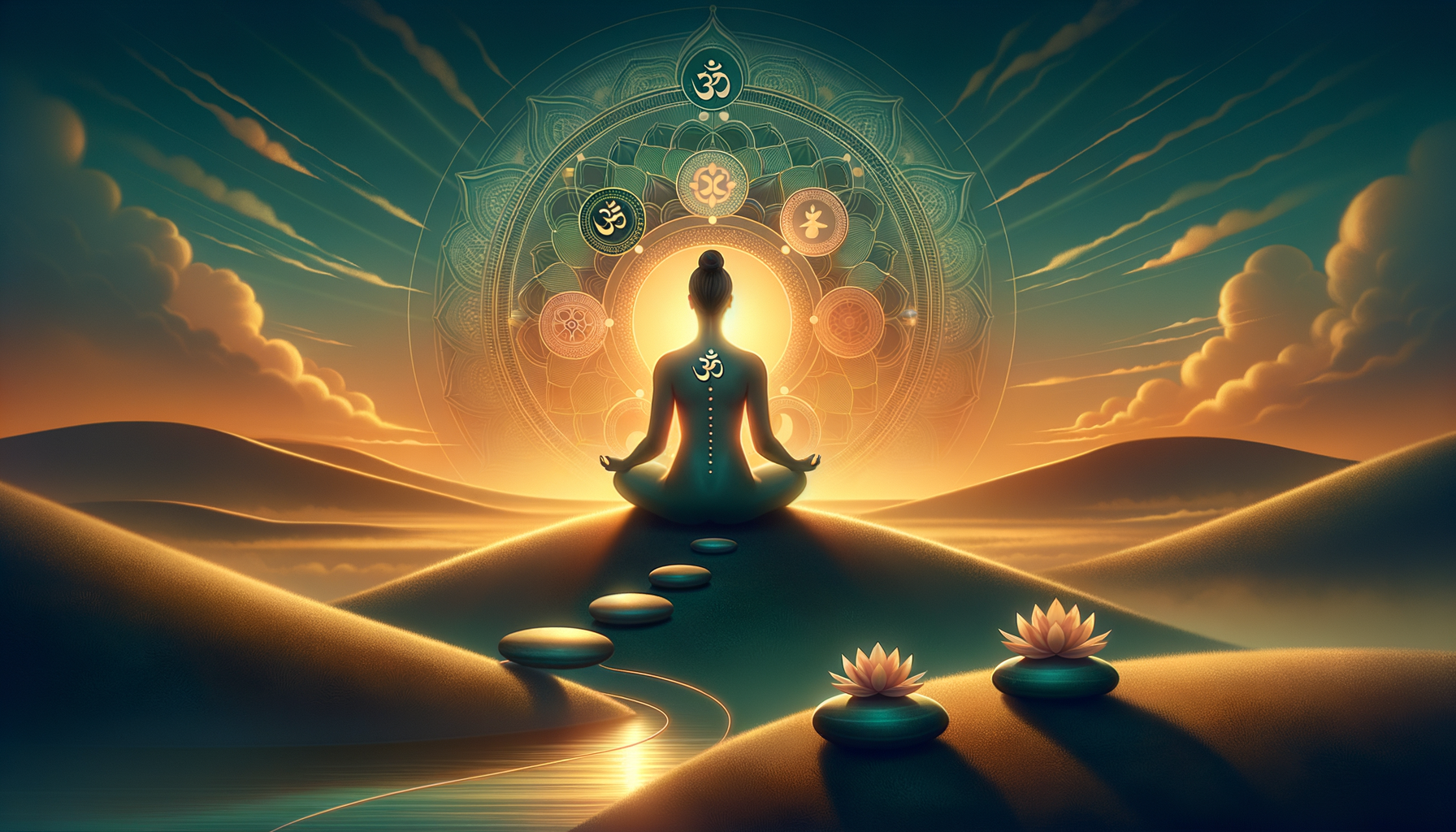
Is suffering a personal choice? The question resonates across everyday challenges and profound crises, inviting a careful distinction between the inevitability of pain and the malleability of suffering. Painphysical or emotionaloften arrives unbidden; suffering, however, reflects the mind’s relationship to pain. Clarifying this difference is essential for inner transformation and for making Jainism, Buddhism, Hinduism, and Sikhism practical in day-to-day life.
Pain signals that something matters. Suffering amplifies that signal through resistance, rumination, and identity-level attachment. From a dharmic perspective, suffering is not a moral failing nor a simplistic choice; it is a conditioned response that can be consciously reshaped through practice. This understanding preserves empathy for those in hardship while affirming human capacity for growth.
Jain philosophy offers a rigorous framework for this shift. Ahimsa restrains reactivity and harm, Anekāntavāda trains the mind to see multiple perspectives, and Aparigraha loosens the grip of clinging. Together, these principles transform the inner response to pain, decreasing suffering and enabling ethical clarity even in difficult situations. In practice, this means recognizing that reactive emotions are not final truths and that equanimity can be cultivated through step-by-step discipline.
Buddhism complements this view by identifying craving and aversion as the engines of dukkha. Mindfulness exposes these patterns in real time, compassion softens the heart’s defense, and insight reframes experience from “this should not be happening” to “this is happening; how can one respond skillfully?” Hindu traditions add pathways such as dhyāna, karma-yoga, and viveka, while Sikh teachings emphasize seva, remembrance of the Divine, and steadfast courage (chardi kala). Each tradition converges on a shared truth: agency lies in response.
In daily life, navigating painful situations more skillfully begins with recognizing the moment pain turns into suffering. Breath awareness regulates the nervous system; naming emotions builds Self-awareness; and perspective-takingrooted in Anekāntavādadislodges absolute judgments. These practices convert immediate reactivity into reflective choice, allowing ethical values to lead behavior rather than momentary impulses.
Cultivating the “art of suffering” involves three reinforcing disciplines. First, acceptance: acknowledging pain as present without endorsing it, which reduces secondary distress. Second, meaning-making: orienting experience toward growth, service, or learning in line with dharma and long-term values. Third, compassionate action: choosing responsesthrough ahimsa, seva, and generositythat heal relationships and stabilize Emotional balance within and around.
Consider a conflict at work or home. Pain might arise as disappointment or hurt. Suffering escalates when mental narratives fix blame, rehearse grievances, or fuse identity with the wound. A dharmic approach interrupts this cycle: pause and breathe; notice the feeling tone; assume partial perspectives rather than singular certainty (Anekāntavāda); choose words and actions that align with ahimsa; and, where possible, convert energy into constructive service. The external problem may persist, yet inner turmoil recedes, making wiser solutions more likely.
This approach does not trivialize trauma, injustice, or structural harm. Pain created by illness, loss, or oppression deserves compassion and, when appropriate, collective action. The claim is modest and humane: even when circumstances cannot be changed immediately, the inner posture toward them can be trained. That trainingthrough Mindfulness, Self-awareness, and ethical disciplinereduces suffering and increases resilience.
Practical daily practices anchor this training. Short, consistent sessions of breath awareness calm the body. Reflective journaling cultivates viveka by separating facts from narratives. Gentle metta or maitri-bhāvanā strengthens Compassion for self and others. Simple acts of seva align intention with action, reinforcing meaning. Periodic restraint in consumption supports Aparigraha, loosening the bonds that turn preferences into compulsions.
Over time, this integrated pathgrounded in Jain, Buddhist, Hindu, and Sikh wisdomreframes suffering as an arena for mastery rather than defeat. Pain becomes information; suffering becomes a teacher. The mind learns to meet difficulty with clarity, Courage, and care. In this way, the art of suffering is not denial but transformation: a proven method to convert pain into Spiritual Growth while advancing unity across dharmic traditions.
Inspired by this post on Jainism Says.
