
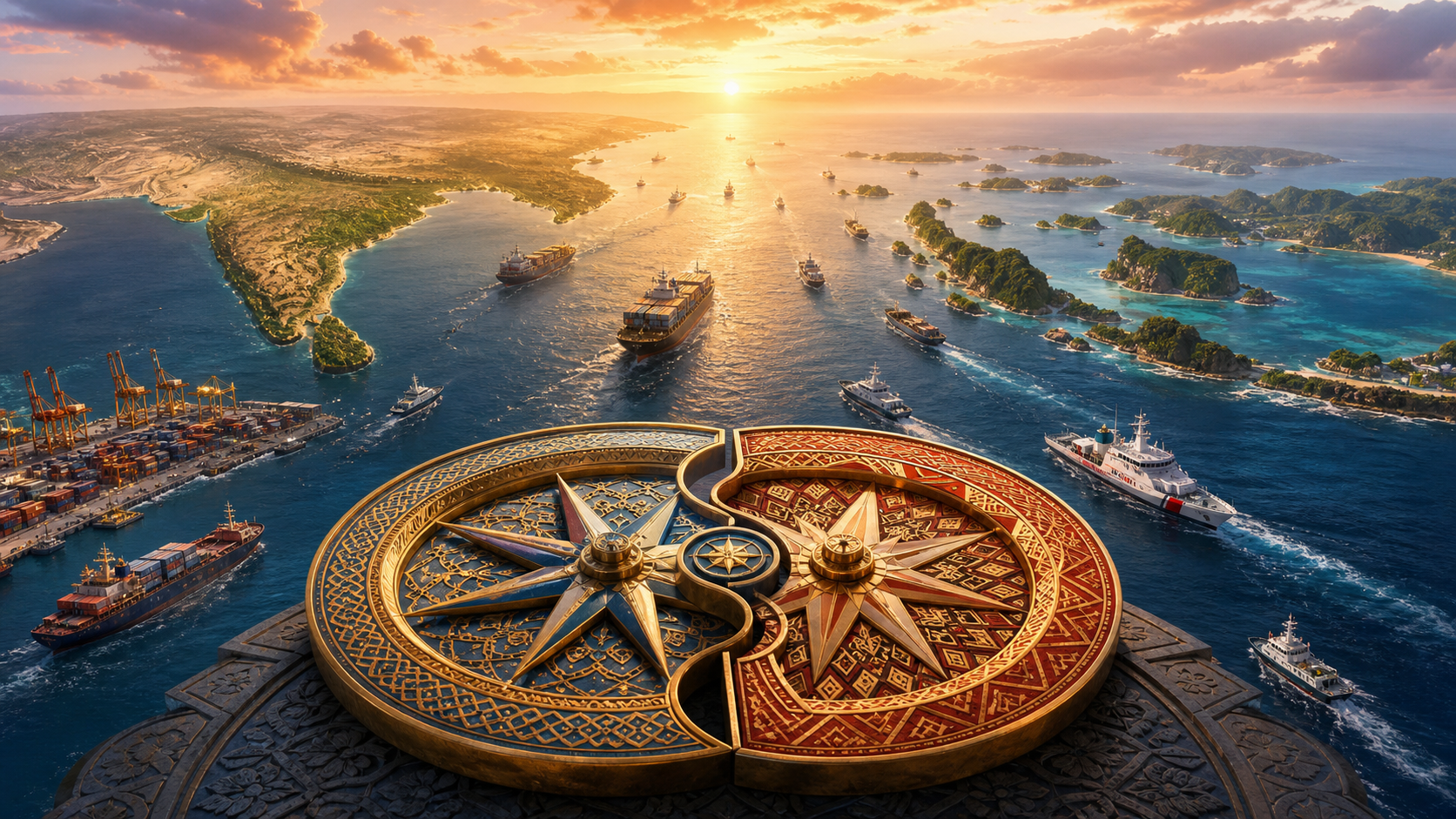
If you looked at Narendra Modi’s three-day visit to Indonesia and wondered whether it was ceremonial or consequential, use four tests: trade, civilizational trust, strategic coordination and defence cooperation. Those tests reveal more than the photographs or diplomatic language.
The central question is whether India and Indonesia can turn mutual familiarity into durable influence between the Indian and Pacific Oceans. Modi’s trip was his second to Indonesia since 2018 and his first under President Prabowo Subianto. You should read it as an attempt to move the relationship from periodic engagement toward a broader strategic habit.
Key takeaways
- Bilateral trade had reached $38 billion in the year preceding the visit. That is a meaningful base, but the size of the two economies leaves room for a much larger relationship.
- More than two millennia of civilizational contact give the partnership cultural depth, but history will matter strategically only when it supports present-day economic and political cooperation.
- India and Indonesia both trade heavily with China while retaining security concerns about Beijing. Their convergence is therefore better understood as multi-alignment than as membership in an anti-China camp.
- Indonesia’s entry into BRICS creates another place for the two countries to promote economic and financial multipolarity without turning the grouping into a rigid anti-American alliance.
- The reported BrahMos sale is the clearest hard-power signal from the visit. Its long-term importance will depend on contractual execution, delivery and operational follow-through.
The economic opportunity is large, but agreements are only the first test
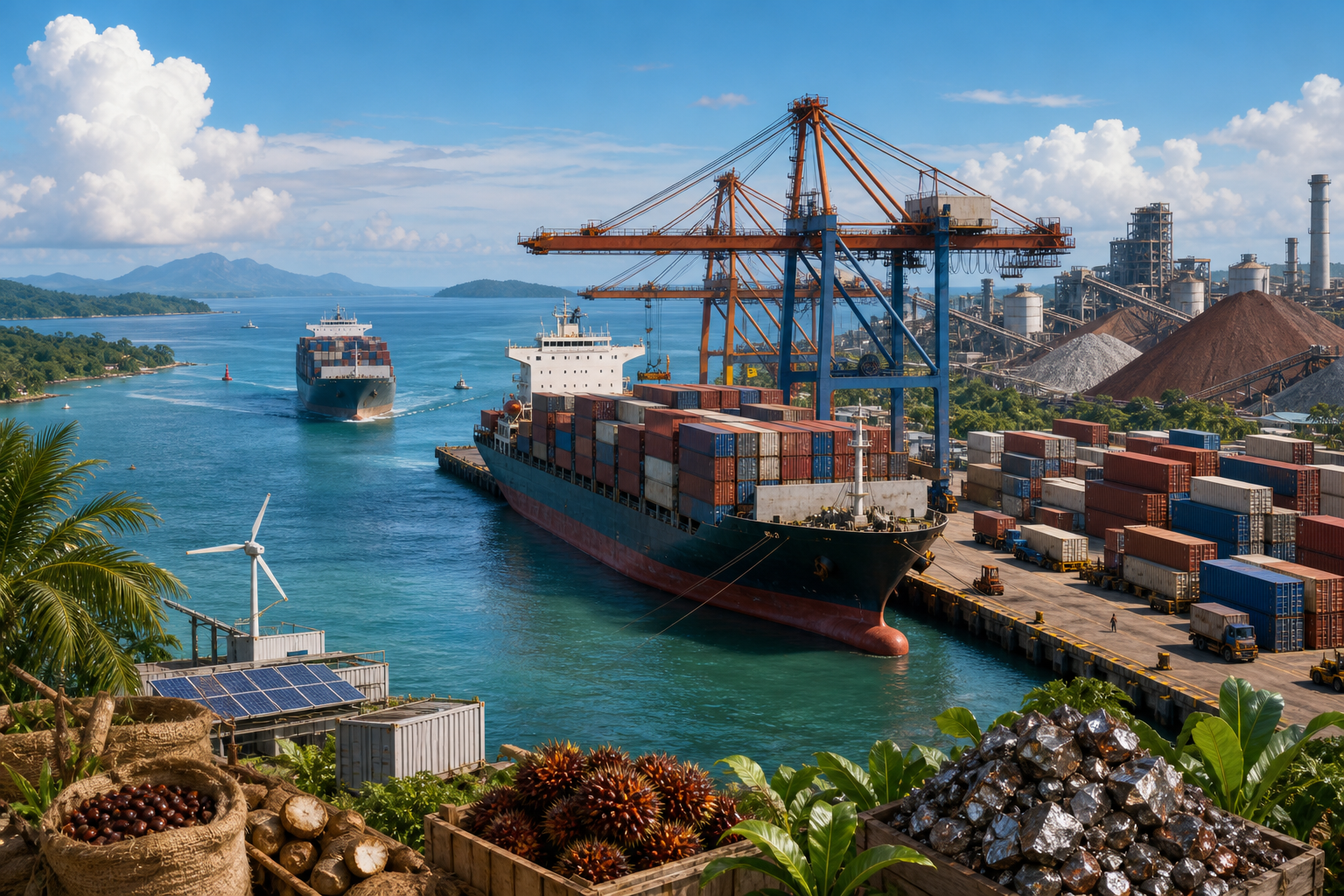
At the time of the visit, India’s economy was valued at roughly $4 trillion and Indonesia’s at just under $1.5 trillion. Each is the leading economy in its respective region. Their combined weight makes the relationship important even before either government announces a new project.
The $38 billion trade figure gives you a practical baseline. It is large enough to show that the relationship already has commercial substance, yet it does not by itself prove that India and Indonesia have reached their potential. The purpose of the new agreements is to release more of that potential. The real test begins after the leaders leave the room.
When you assess the next round of bilateral news, ask three concrete questions:
- Have political agreements been converted into operating rules, projects or commercial contracts?
- Has two-way trade risen from the $38 billion baseline when comparable periods are measured?
- Are businesses developing interests durable enough to survive a change of government or a temporary diplomatic disagreement?
This distinction matters because summit diplomacy can create access, remove hesitation and give officials a mandate. It cannot manufacture trade by declaration. If implementation follows, India and Indonesia can connect the principal economies of South and Southeast Asia more closely. If it does not, the economic pillar will remain an impressive statement of possibility.
Civilizational memory gives diplomacy a deeper foundation

India’s civilizational presence in the Indonesian archipelago reaches back more than two thousand years. Hindu traditions shaped parts of the archipelago long before Islam became dominant. That history means contemporary engagement does not begin between cultural strangers.
For a Dharmic reader, this is significant without needing to become romantic. Modern Indonesia is neither a cultural blank slate nor a museum preserving an unchanged Hindu past. Its value to India lies in the coexistence of historical memory and a sovereign modern identity. Shared heritage can make cooperation feel legitimate to ordinary people, but it does not erase differences of interest.
The meeting of a Hindu leader from Bharat and a Muslim leader from Indonesia also carries a wider message. Their willingness to expand cooperation challenges the assumption that Hindu and Muslim civilizations must meet primarily through conflict. In this relationship, civilizational confidence does not require civilizational hostility.
You should therefore avoid two opposite errors. The first is to treat ancient Indian influence as a claim of ownership over modern Indonesia. The second is to dismiss the shared past as ornamental folklore. The more useful position is to ask whether cultural familiarity is producing educational, commercial, diplomatic and security confidence in the present. Heritage becomes strategic capital only when both societies can use it without feeling diminished by it.
India and Indonesia are aligning without becoming allies
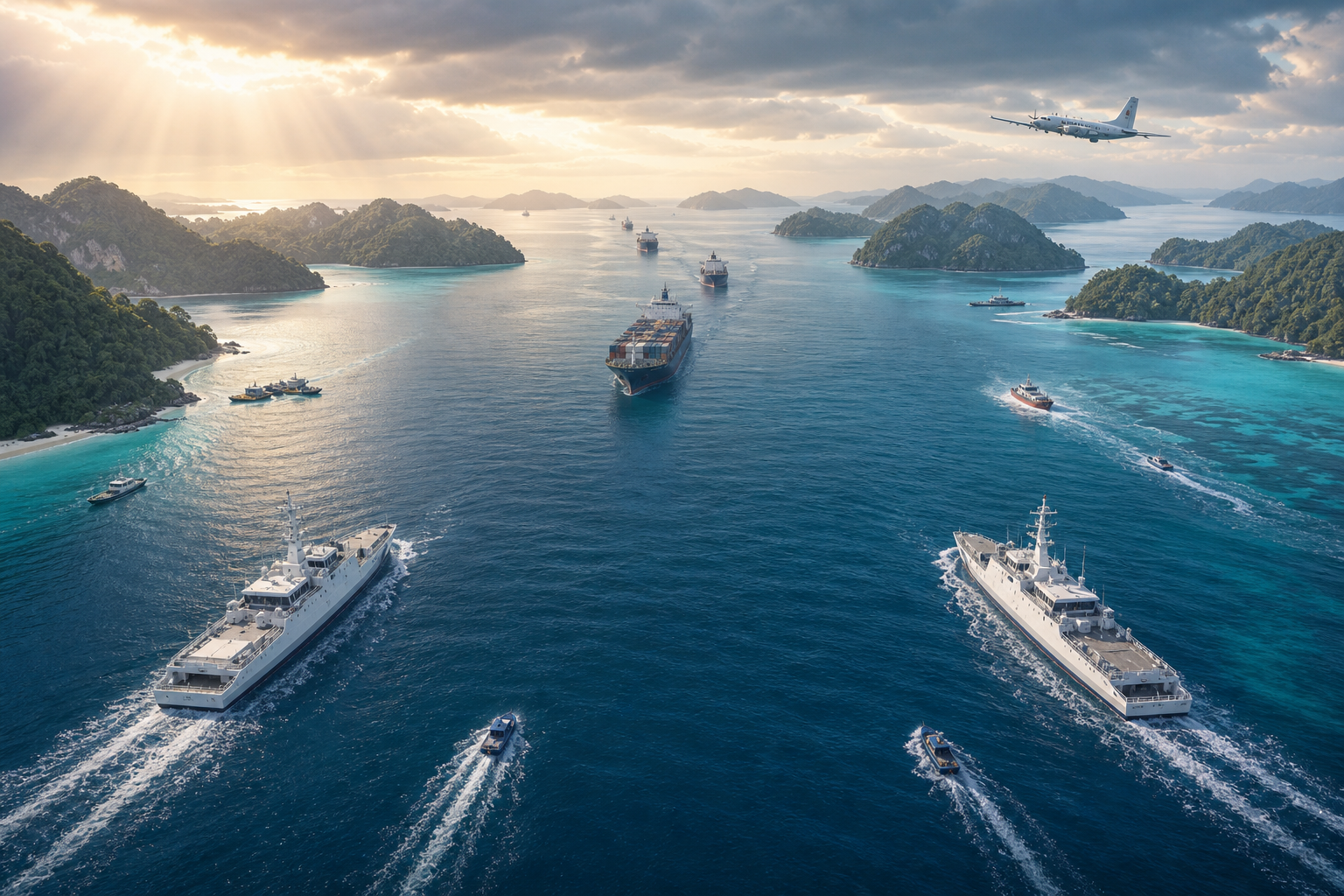
The strategic logic becomes clearer when you stop dividing Asia into fixed pro-China and anti-China camps. China is the largest trading partner of both India and Indonesia. Neither country can treat Beijing as economically irrelevant. Neither is prepared to ignore its security concerns either.
India has an unresolved territorial dispute with China. Indonesia is wary of Chinese maritime claims in the South China Sea. At the same time, both countries maintain close relations with the United States and Russia. This combination produces multi-alignment: cooperation with different powers on different issues, adjusted as national interests change.
Multi-alignment is not indecision, and it does not require equal warmth toward every power. It is a method of preserving room for manoeuvre. India and Indonesia can trade with China, work with Russia, deepen ties with the United States and cooperate with each other without surrendering their freedom to disagree with any of them.
This is why expectations of a formal anti-China alliance will misread the relationship. The more realistic outcome is selective convergence: closer defence cooperation, stronger trade and coordination inside multilateral forums, while each government keeps control of its own external relationships. You should judge progress issue by issue rather than asking which camp Indonesia has joined.
BRICS and BrahMos show the two levels of the partnership
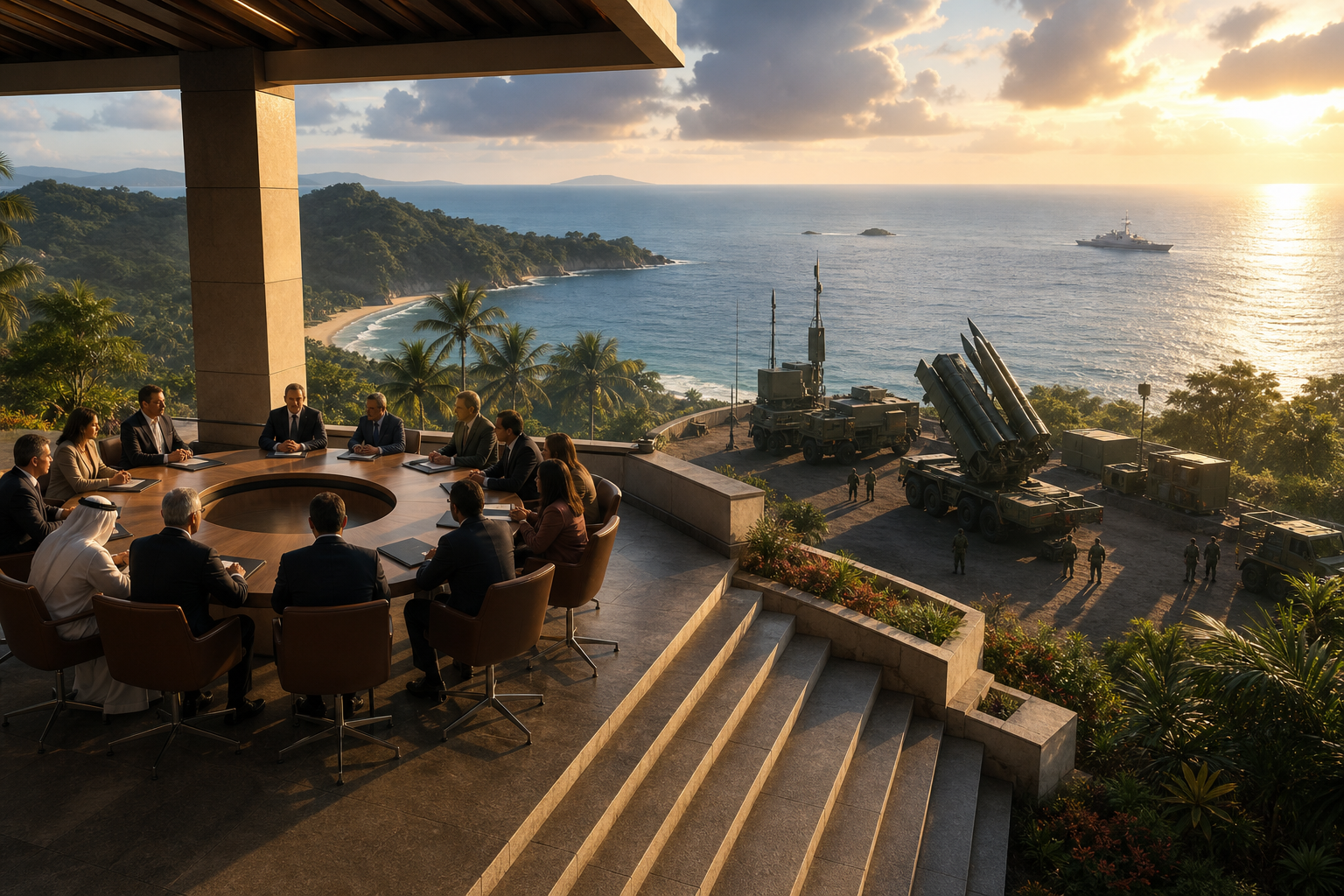
Indonesia became a full member of BRICS at the start of 2025. That gives New Delhi and Jakarta another setting in which to coordinate their balancing strategies. Their apparent overlap is narrow but consequential: keep BRICS focused on economic and financial multipolarity, preserve voluntary cooperation and resist pressure to transform it into a formal organisation with binding obligations or an explicitly anti-American identity.
That position is consistent with strategic autonomy. A country seeking several useful partnerships has little reason to replace one bloc hierarchy with another. When you read future BRICS declarations, look past grand language and ask whether they create workable economic options while leaving members free to pursue their own relations with Washington, Moscow and Beijing.
The reported confirmation that India will sell BrahMos supersonic cruise missiles to Indonesia operates at a harder level. BrahMos is jointly produced with Russia, so Russian approval adds another dimension to the transaction. It suggests that defence cooperation is no longer confined to dialogue and diplomatic signalling.
It is reasonable to interpret the sale as relevant to balancing China, especially given Indonesia’s concern about Chinese maritime claims. It is too absolute, however, to claim that a weapons system has only one imaginable target without access to operational planning. The sound conclusion is narrower: acquiring a powerful cruise-missile capability can raise the cost of coercion and give Indonesia more strategic room without creating a mutual-defence treaty with India.
To distinguish a structural defence relationship from a summit headline, watch the sequence:
- Clarify whether subsequent public language identifies political approval, a signed contract or another formal procurement stage.
- Watch for published delivery milestones and evidence that the systems move from agreement to possession.
- Look for operational follow-through such as training, support and other publicly disclosed arrangements.
- Check whether defence cooperation develops alongside trade and diplomacy rather than becoming an isolated transaction.
Your practical reading should now be straightforward. Save the $38 billion trade baseline, separate BRICS coordination from bloc politics, and follow the BrahMos process stage by stage. If trade expands, BRICS cooperation stays pragmatic and defence commitments move into execution, the visit will have helped establish a durable India-Indonesia axis. That is the evidence to watch as Bharat builds a stronger bridge from the Indian Ocean into the Pacific.
References
