
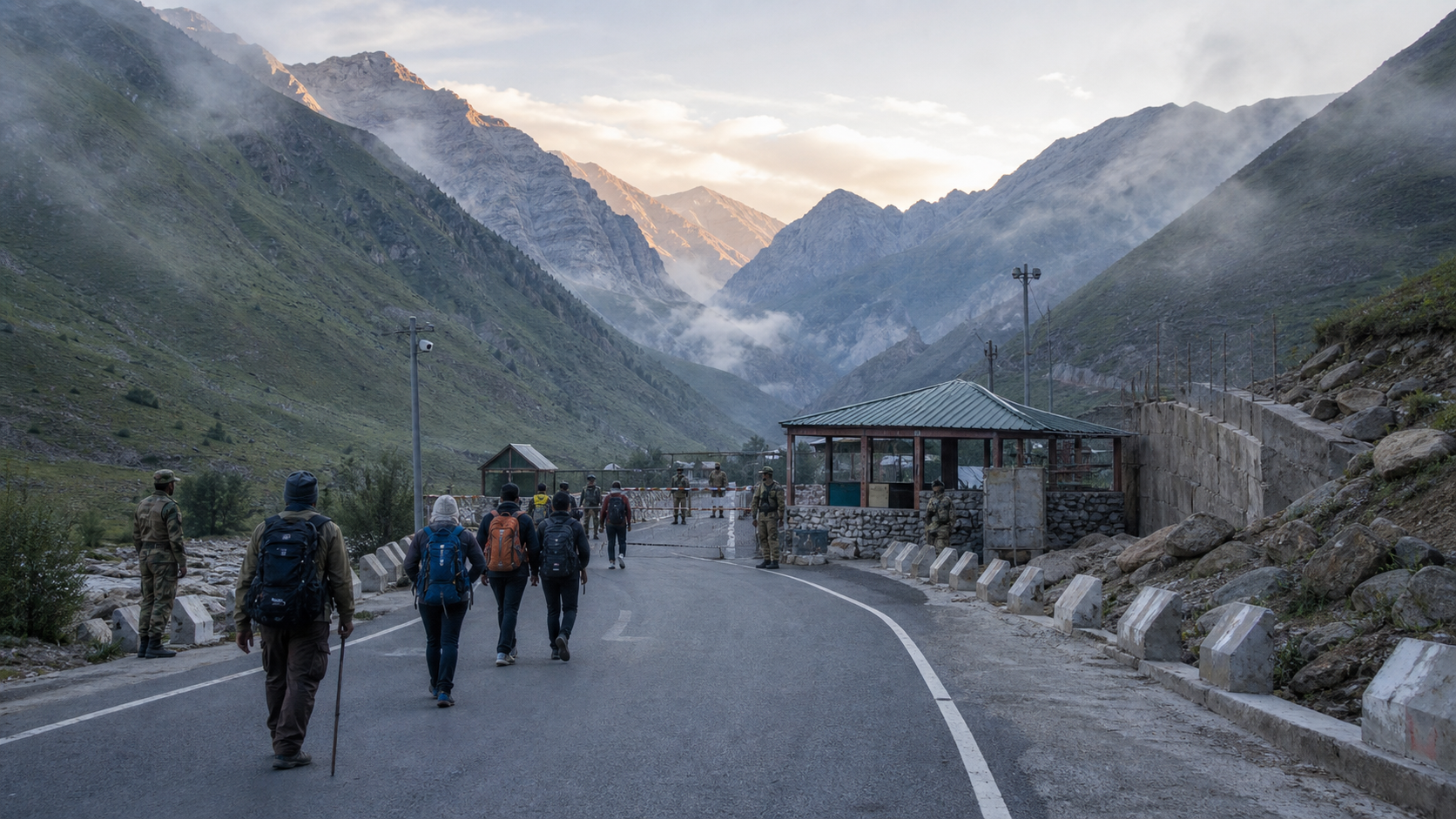
If you are preparing for the Amarnath Yatra, or waiting for news from someone already in Kashmir, the Anantnag shooting leaves you with an urgent question: does this incident change what you should do? The answer starts with separating the confirmed event from the conclusions now gathering around it.
A police officer assigned to protect the Yatra was killed in Anantnag. That is a grave security breach and a human loss. It is not, by itself, proof that a pilgrim convoy, camp or the entire pilgrimage route came under attack. You need that distinction before making a travel decision, sharing a claim or assigning blame.
What is established about the Anantnag shooting
Head Constable Ashiq Hussain Qureshi of the 3rd Battalion of the India Reserve Police was serving on Amarnath Yatra security duty when an attacker opened fire in the Lal Chowk area of Anantnag. The shooting occurred at approximately 12:30 p.m.
Qureshi suffered critical injuries and was taken to Government Medical College Hospital in Anantnag. He later died from those injuries. The shooting also triggered a major security operation across the area.
Those details establish four things: the victim’s identity, his police unit, his Yatra-security assignment and the location and approximate time of the attack. They do not establish the attacker’s organization, motive, route of escape or eventual fate. They also do not establish that pilgrims were present at the firing point, that a convoy or camp was attacked, or that every sector of the Yatra faced the same immediate condition.
That boundary matters. When reliable information is still narrow, adding an unsourced name, motive or casualty claim does not make the public better informed. It makes an already dangerous situation harder to understand.
Immediate FAQ: what the attack does and does not show
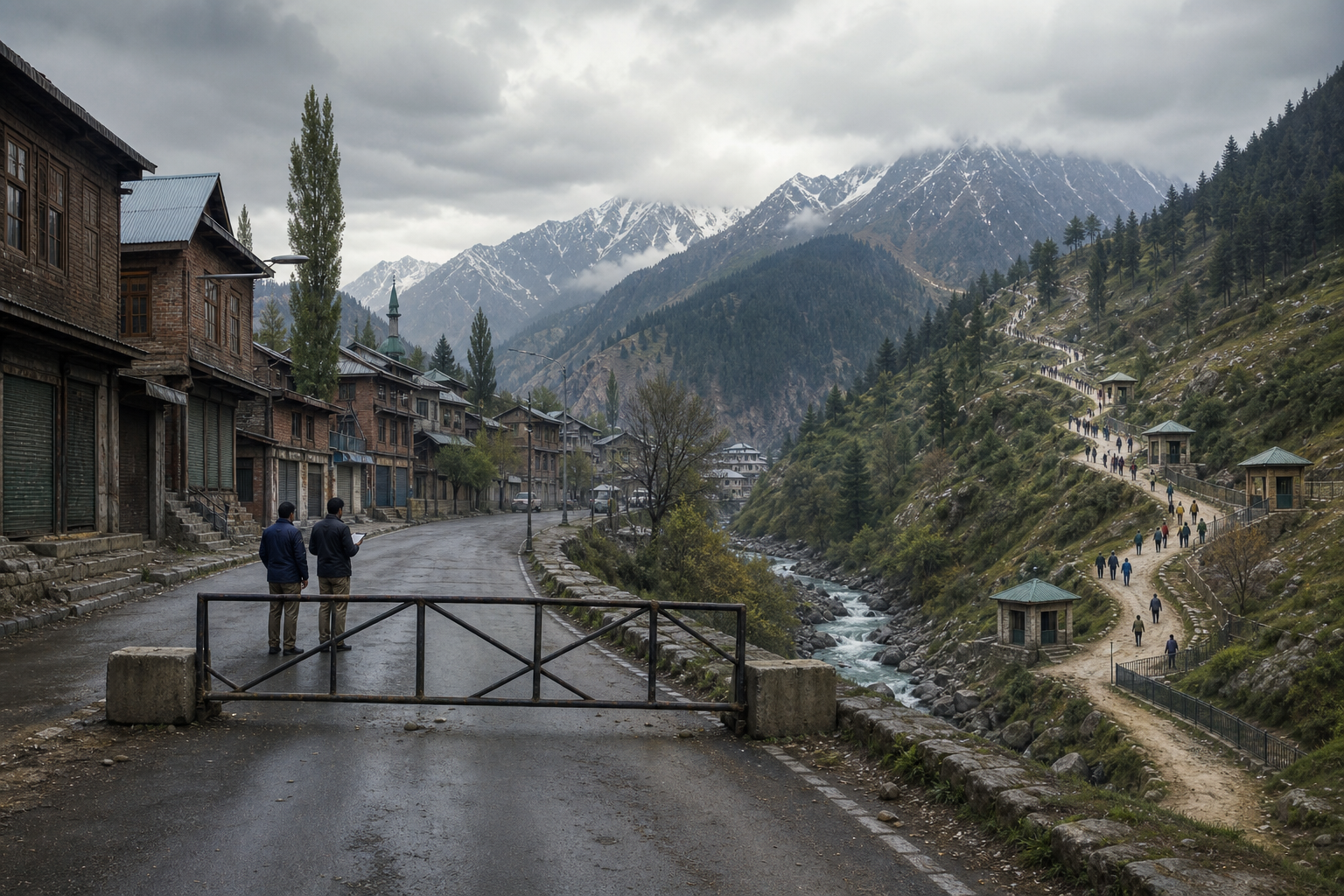
Was an Amarnath Yatra convoy or camp attacked?
That has not been established by the available facts. What is established is that an officer deployed on Yatra security duty was shot in Anantnag town. It is accurate to call this an attack on a member of the Yatra’s security deployment. It is not accurate to turn that fact into an attack on a particular convoy, camp or group of pilgrims without further evidence.
Does the shooting prove that the whole Yatra route is unsafe?
No route-wide conclusion follows from the known details. The killing does prove that a lethal attack reached a police officer assigned to the pilgrimage’s protection, and the resulting security operation shows that authorities treated the incident seriously. Whether your particular movement should proceed depends on the latest official direction for your departure point, route and time window.
Has responsibility for the attack been established?
The available facts describe a terrorist opening fire, but they do not name an organization or provide evidence about the attacker’s motive. Treat any circulating claim of responsibility, arrest, encounter or wider conspiracy as unverified unless a competent authority confirms it. A familiar slogan, old photograph or forwarded voice note is not confirmation.
What pilgrims and families should do next

A headline cannot answer an operational question for every pilgrim. Conditions can differ by place and movement window, so do not decide solely from the existence of this attack whether to proceed, wait or return. Ask for the status of the exact movement in front of you.
- Identify your next segment precisely. Note the departure point, destination and expected movement window. “Is the Yatra open?” is too broad; “Has movement from my present point been authorized for this window?” is a question that can produce a usable answer.
- Use the authority controlling that movement. Follow instructions from the Yatra administration, Jammu and Kashmir Police, district authorities and security personnel on the ground. A television panel, anonymous social-media account or family WhatsApp group cannot clear a route.
- Respect a hold, diversion or checkpoint. If security personnel stop movement, do not search for an unofficial shortcut or ask a local driver to bypass the restriction. The delay may be inconvenient, but moving around a security cordon can place you and others in danger.
- Keep your party together. Choose one person to communicate with relatives so that several conflicting versions do not circulate. Send private check-ins with your current status and next planned contact time; avoid publicly broadcasting live routes or security positions.
- Keep away from an active scene. If you are near a cordon or security operation, create distance, follow instructions and do not approach to film. Curiosity can interfere with police work and expose you to danger that is not visible from outside the cordon.
- Wait safely when no fresh instruction is available. An information gap is not permission to move. Remain at a recognized safe location and seek an update through official channels rather than travelling toward the affected area to investigate for yourself.
If you are at home waiting for a pilgrim’s call, ask three things: where the person is now, what instruction the local authority has issued, and when the next private check-in will happen. Repeated calling can drain a phone battery and may add pressure without producing better information.
Ashiq Hussain Qureshi’s service must not be erased
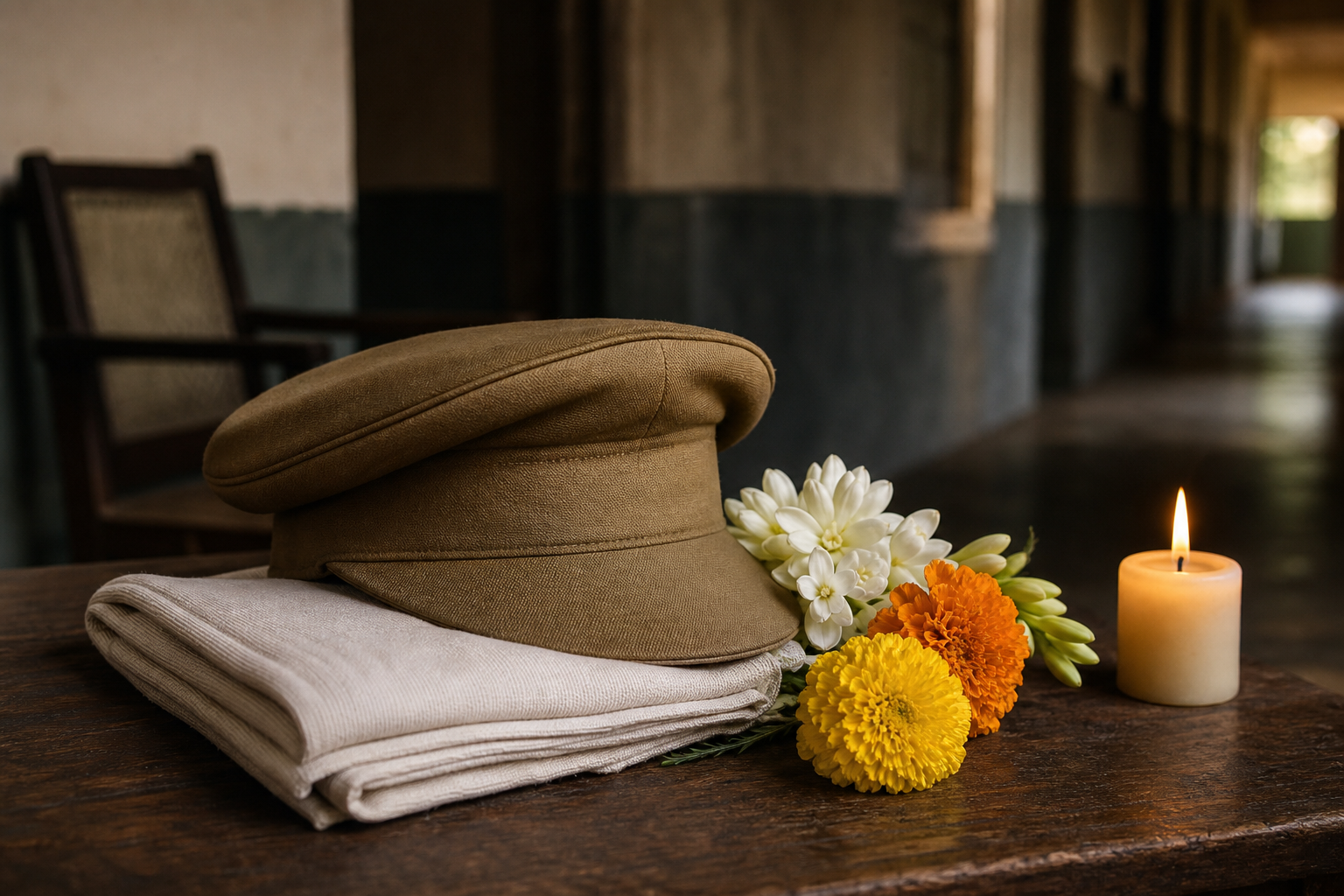
The officer killed while protecting this Hindu pilgrimage was an Indian Muslim policeman. His name was Ashiq Hussain Qureshi. His rank, unit and duty deserve to remain visible when the incident is discussed.
His service cuts through a crude communal narrative. The protection of Hindu pilgrims was not being carried out by an abstract security machine; it was being carried out by an individual officer who stood at his post and lost his life. Hindu security and recognition of Muslim public service are not competing commitments.
A Dharmic response can hold two duties together: defend a sacred pilgrimage with resolve, and refuse falsehood or collective blame. Condemn the attacker and demand security accountability. Do not transfer the attacker’s guilt to an entire religious population. Collective accusation dishonours the very officer whose service contradicts it.
- Use Qureshi’s correct name and rank instead of reducing him to an unnamed casualty.
- Describe the established act without inventing the attacker’s affiliation or motive.
- Do not circulate violent footage merely to intensify outrage; a victim’s death is not social-media material.
- Correct false claims with the narrow confirmed facts, even when the false claim appears to support your political position.
- Keep criticism focused on the perpetrator, any proven network and specific security failures that evidence later establishes.
The security questions that now require answers
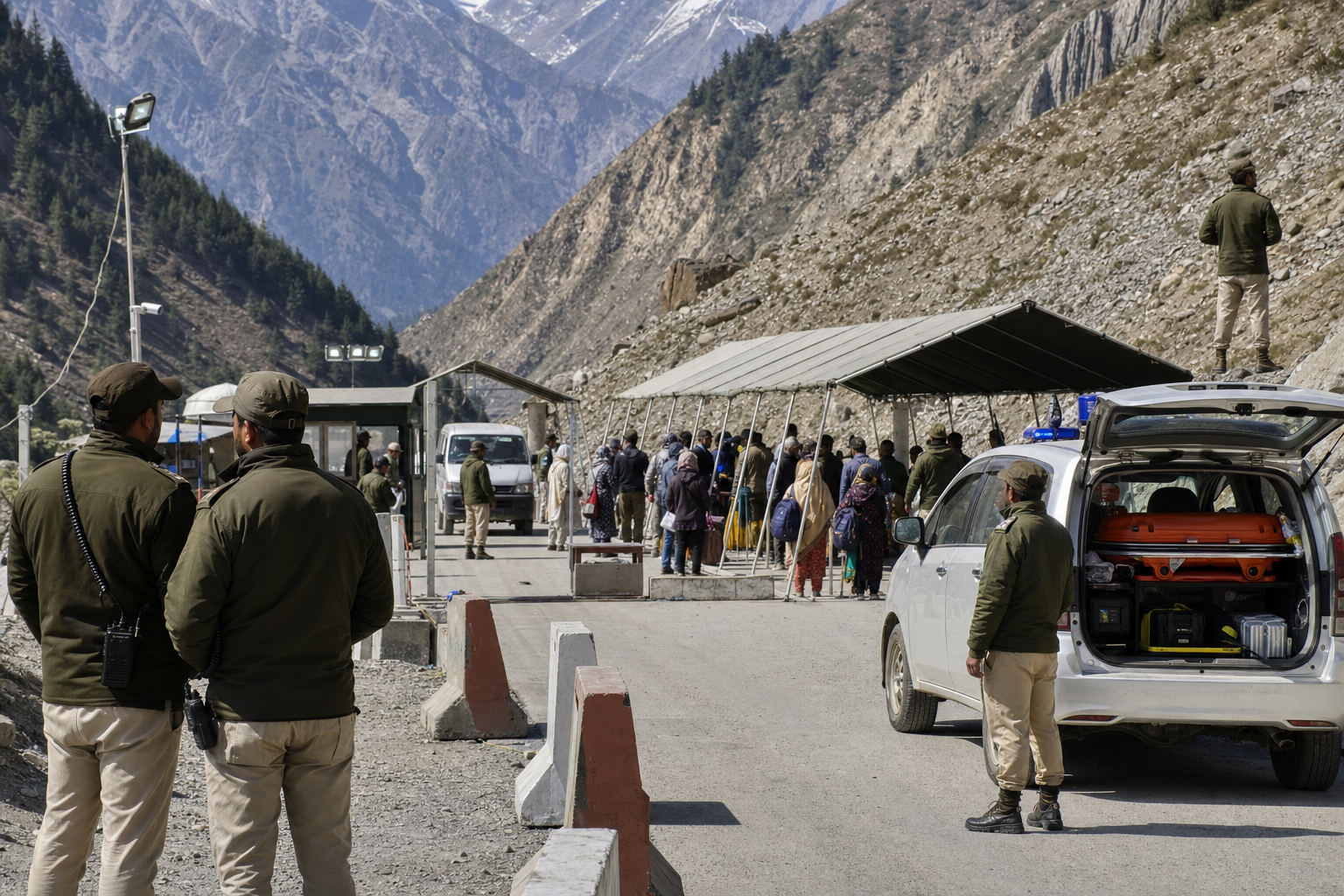
Refusing speculation does not mean lowering the demand for accountability. It means asking questions precise enough to expose a real failure instead of generating more noise.
- How did the attacker obtain a firing opportunity against an officer deployed for Yatra protection in Lal Chowk?
- What did the security operation establish about the attacker, the escape route and any assistance involved?
- Were any localized movement restrictions introduced after the shooting, and which Yatra sectors did they cover?
- What immediate changes were made to protect police personnel and pilgrims without creating avoidable confusion?
- Which official channel will provide time-stamped movement instructions to pilgrims and their families?
- What support is being extended to Qureshi’s next of kin?
These are questions, not disguised allegations. Their answers should determine how the incident is understood and what security changes are justified. Until those answers exist, claims about an intelligence failure, a named organization, an arrest or a route-wide threat remain claims rather than facts.
If you are travelling, obtain the official status of your exact next movement before leaving a safe location. If you are discussing the attack publicly, name Ashiq Hussain Qureshi, state only what is known and mark everything else as unverified. A disciplined response protects the Yatra, honours the fallen officer and denies the attacker the additional victory of panic and communal fracture.
References
