
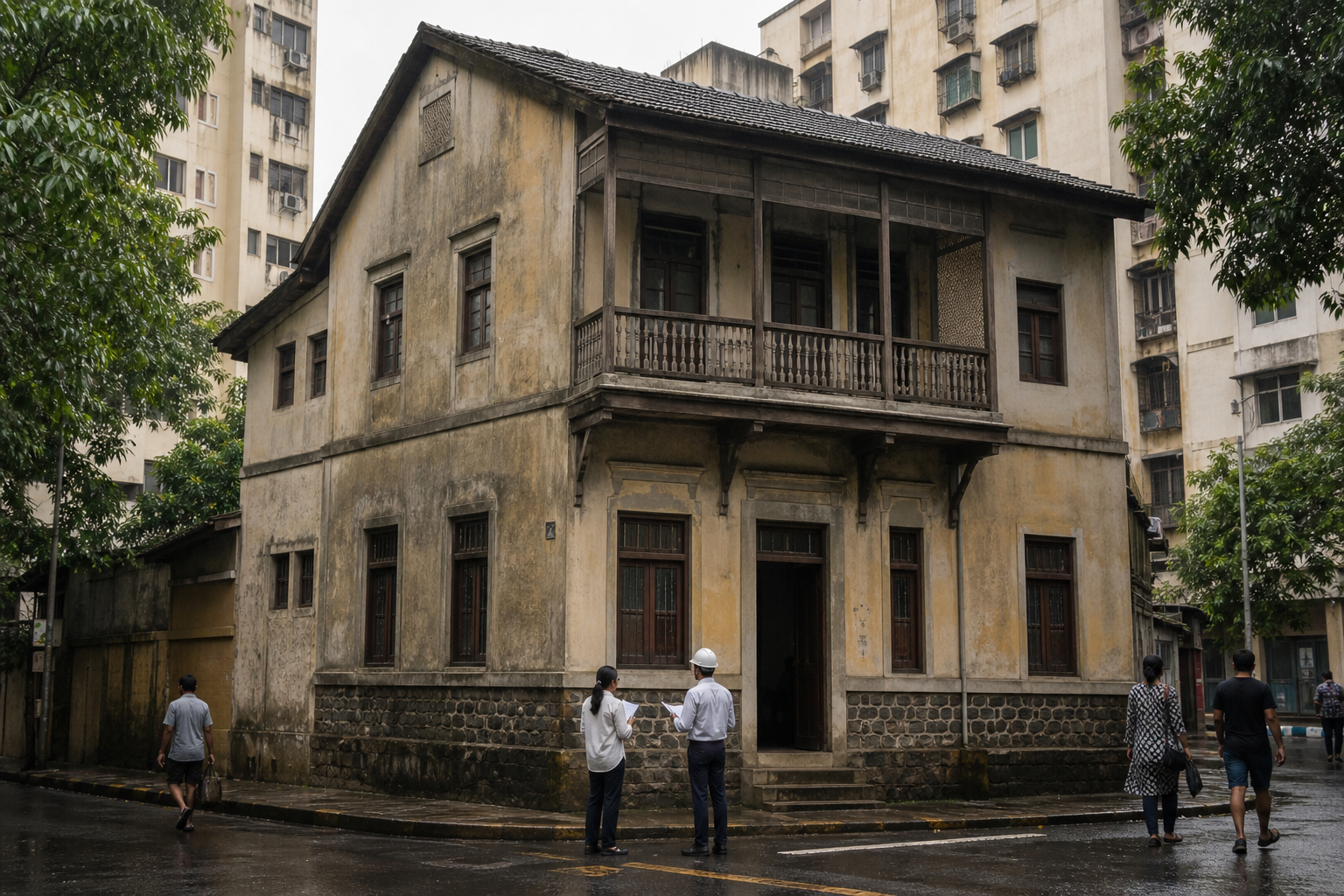
If you want Savarkar Sadan protected, a ceremonial declaration is not enough. You need to know what will happen to the property, its historic fabric, its interiors, any verified collections, public access, and the institution responsible for it after the cameras have gone.
The immediate demand is clear: the Hindu Vidhidnya Parishad has urged Maharashtra to acquire and conserve Savarkar Sadan and pursue National Monument status. Turning that demand into durable protection requires a sequence of legal, technical, curatorial, and governance decisions. Each one matters because a building can receive an impressive title and still lose the evidence that made it historic.
Preserve the evidence, not only the address
Savarkar Sadan matters because it was not merely an address associated with Vinayak Damodar Savarkar. It was a lived-in place where writing, correspondence, scholarship, and public engagement came together. That association makes the building a material point of entry into debates about freedom, sovereignty, social reform, and national self-strengthening during a decisive period of Bharat’s modern history.
Preservation must therefore extend beyond keeping the facade upright. A credible project should define four distinct layers of significance:
- The building and setting: its plan, structure, materials, exterior, approaches, and relationship to the surrounding neighbourhood.
- The significant interiors: rooms, finishes, built-in elements, inscriptions, shelves, doors, windows, and other features whose historical value is established through documentation.
- The movable heritage: personal effects, books, papers, furniture, photographs, or commemorative objects that can be authenticated and whose ownership and provenance are clear.
- The historical record: correspondence, publications, photographs, oral histories, and other evidence needed to explain what occurred at the site without confusing documented history with later recollection.
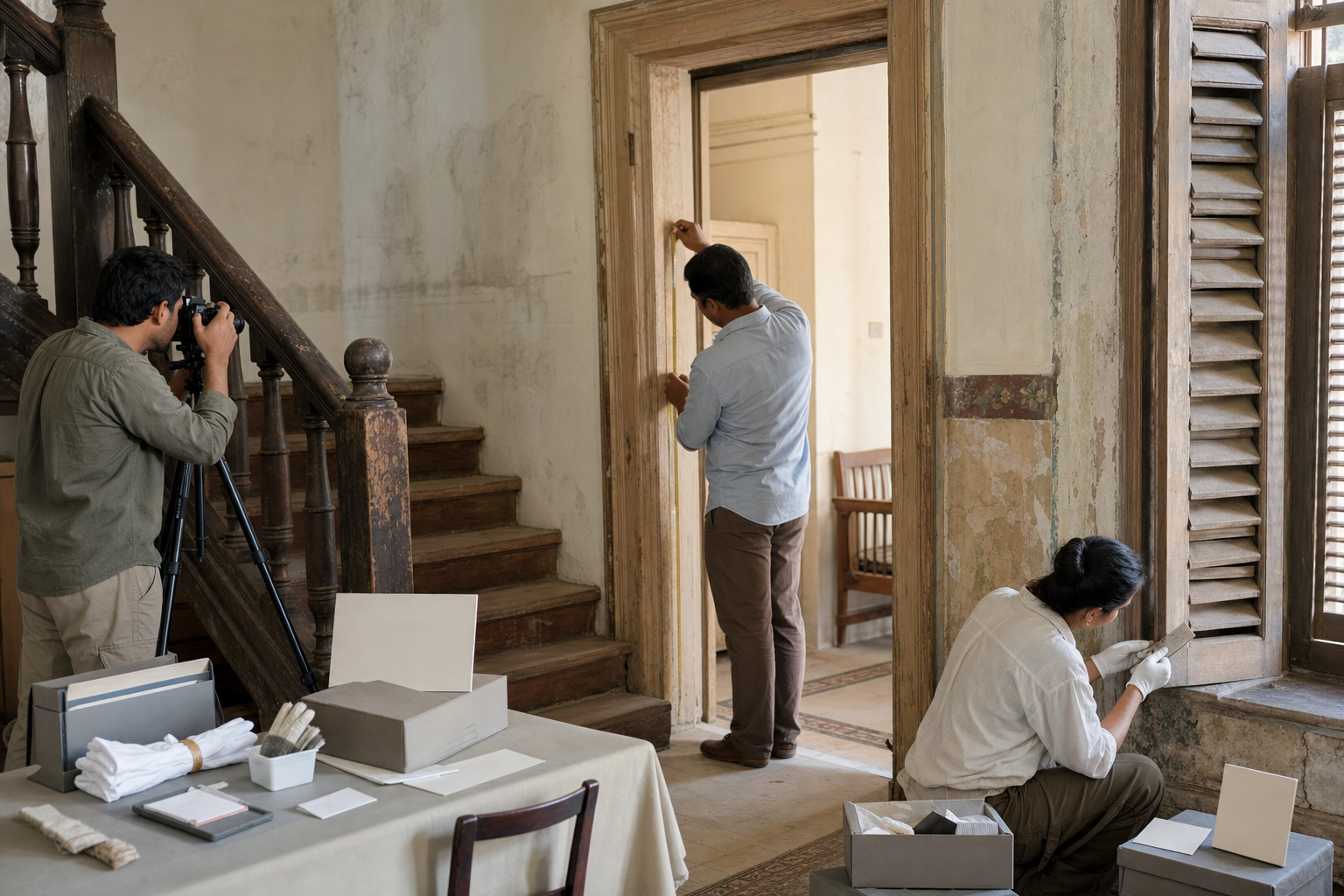
That distinction changes what officials should do first. Before any contents are shifted, each item should be photographed, numbered, described, and connected to an ownership and provenance record. Before walls are replastered or woodwork is replaced, the existing materials should be examined. An undocumented improvement can erase evidence even when it makes a room look newer and cleaner.
Maharashtra’s preservation of Dr Babasaheb Ambedkar’s London residence provides a relevant policy precedent. The parity being requested for Savarkar Sadan does not require identical exhibitions or institutional arrangements. It requires the same seriousness about public acquisition, professional conservation, educational use, and long-term stewardship. Heritage policy becomes credible when it applies sound standards consistently across the intellectual and political traditions that shaped modern Bharat.
Treat acquisition, safeguards and national status as separate jobs
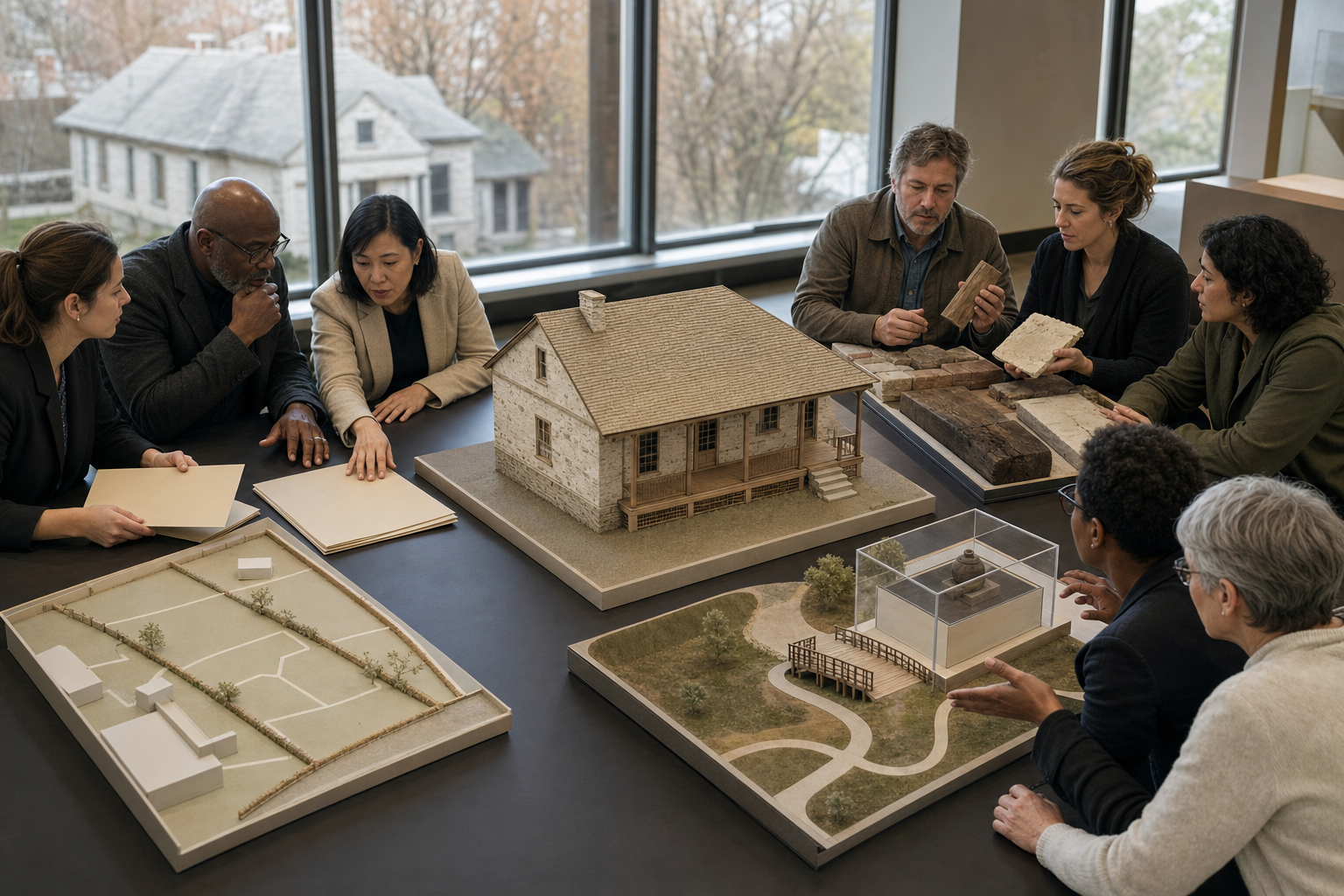
Acquisition, heritage protection, and conservation solve different problems. Acquisition determines who can take responsibility for the property. A legal designation establishes controls and duties. Conservation determines how the place will be documented, repaired, used, and maintained. None of the three should be treated as a substitute for the others.
The pathway being advanced combines state acquisition, possible interim protection under Maharashtra’s ancient-monuments framework, local heritage listing through the Mumbai Heritage Conservation Committee where the planning jurisdiction permits it, and a recommendation for national-level notification through the Ancient Monuments and Archaeological Sites and Remains framework administered by the Archaeological Survey of India. Because eligibility and legal effect depend on the precise instrument used, the government should publish a reasoned legal route rather than leave National Monument status as an undefined slogan.
A practical protection sequence would be:
- Complete property and stakeholder due diligence. Establish title, boundaries, occupancy, encumbrances, the ownership of movable objects, and the positions of family members or other lawful stakeholders. Acquisition should not proceed on assumptions that later delay conservation or create disputes over collections.
- Put interim safeguards in place. Use the available state and Mumbai heritage mechanisms, where applicable, to prevent demolition, insensitive alteration, disposal of significant contents, or redevelopment while the formal proposal is prepared.
- Stabilize genuine emergencies. If the building has an immediate structural, water, fire, or security risk, commission qualified professionals to undertake narrowly defined stabilization. Emergency work should be documented before, during, and after intervention.
- Prepare a detailed project report. It should cover significance, condition, proposed treatments, interpretation, accessibility, collections, digitization, visitor management, operating costs, environmental measures, and disaster preparedness. Independent technical review should be built into the process.
- Submit the national-level proposal with evidence. The file should identify the legal provision sought, the protected boundary, the site’s historical significance, the conservation plan, the proposed custodian, and the resources required for continuing care.
This sequence prevents a familiar failure: announcing a status first and attempting to discover later what is owned, what is significant, and who will maintain it. National recognition should crown a prepared system of stewardship, not conceal the absence of one.
Document first and intervene only as much as necessary
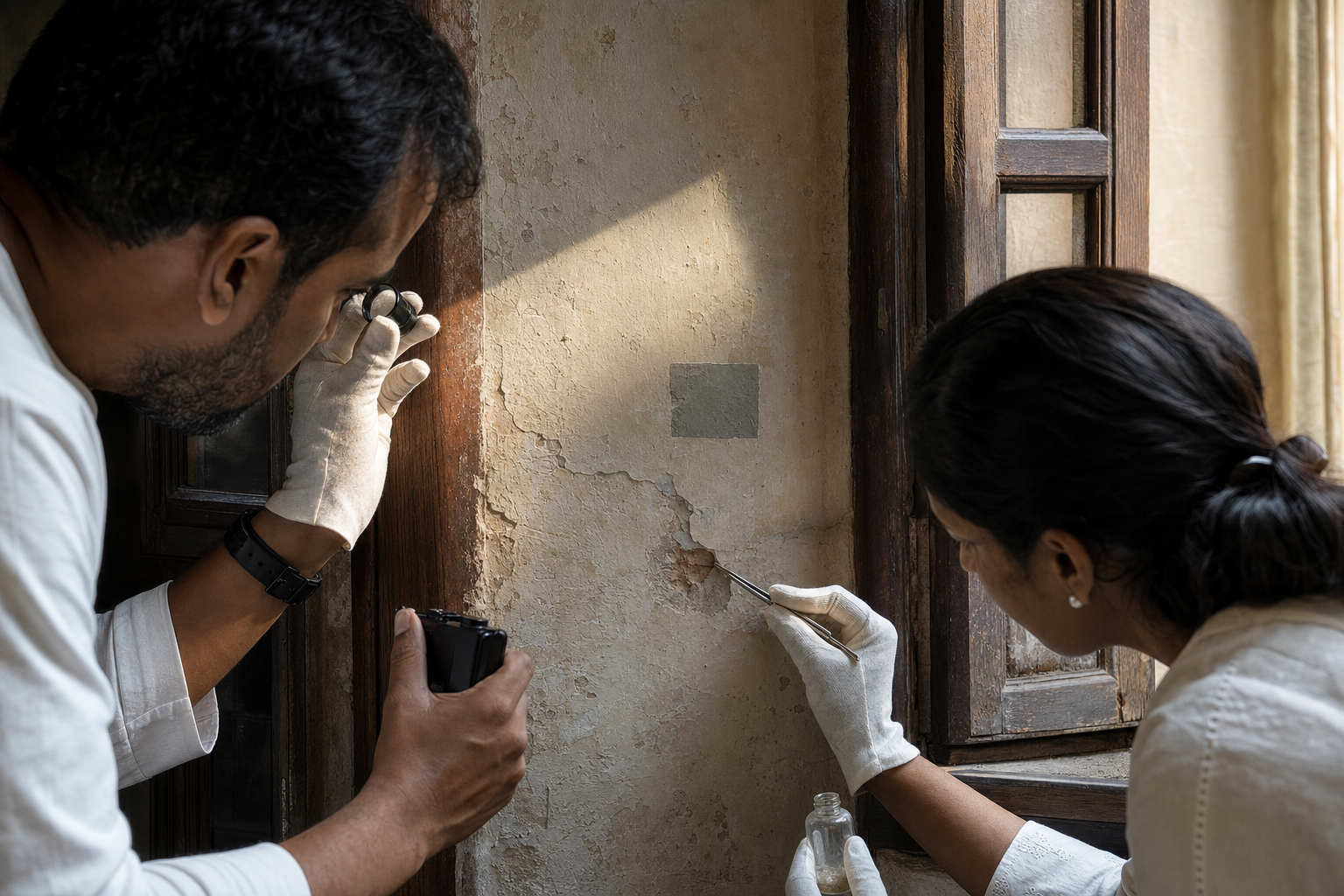
Renovation asks how to make a building look new. Conservation asks what historical evidence could be lost by doing so. Savarkar Sadan needs the second question.
The technical baseline should include a condition assessment, measured drawings, a photographic survey, materials characterization, and a room-by-room inventory. Laser scanning and photogrammetry can add a precise digital record, support future monitoring, and make virtual access possible for people who cannot travel to Mumbai. The sequence matters: document first, stabilize second, repair third, and install exhibitions last.
- Record deterioration by cause, not appearance alone. Damp staining, cracks, corrosion, insect activity, and surface loss require different responses. Cosmetic repainting can hide a problem without stopping it.
- Retain significant fabric wherever feasible. Existing plaster, masonry, joinery, flooring, fittings, and finishes should be repaired rather than automatically replaced once their significance and condition are understood.
- Make new work identifiable and restrained. Electrical, security, fire-safety, climate-control, and exhibition systems should avoid unnecessary damage to historic fabric and remain removable as far as practical.
- Track every movable object. Any item removed for treatment, storage, or display needs a unique identifier, condition record, location history, provenance note, and documented custody.
- Use digital copies to expand access, not justify disposal. A scan can preserve information and improve availability, but it does not replace an original document, object, room, or material surface.
The governing principles should be minimum intervention, authenticity, and reversibility wherever feasible. These principles do not forbid safety upgrades or barrier-free access. They require designers to locate new interventions carefully, explain unavoidable changes, and preserve as much meaningful fabric as possible.
Documentation should not be treated as a one-time inauguration exercise. The completed baseline becomes the reference against which future cracks, moisture, material loss, and collection movement are measured. A short annual inspection tied to that baseline can catch small failures before they become expensive reconstruction projects.
Build a memorial that can withstand disagreement
Savarkar was a freedom fighter, writer, and political thinker whose work shaped arguments about sovereignty, reform, and national strength. Those arguments remain part of public life. A serious memorial should not fear disagreement or attempt to settle every dispute with reverential language. It should preserve evidence, identify provenance, distinguish fact from interpretation, and give visitors enough context to think carefully.
That means every display should make clear whether a visitor is seeing an original object, a reproduction, a later reconstruction, a recollection, or a curatorial interpretation. Where claims are contested, labels should identify the claim and the evidence supporting it. Scholarly discipline protects Savarkar Sadan from two equal weaknesses: reducing it to a frozen shrine or turning it into a political slogan detached from the historical record.
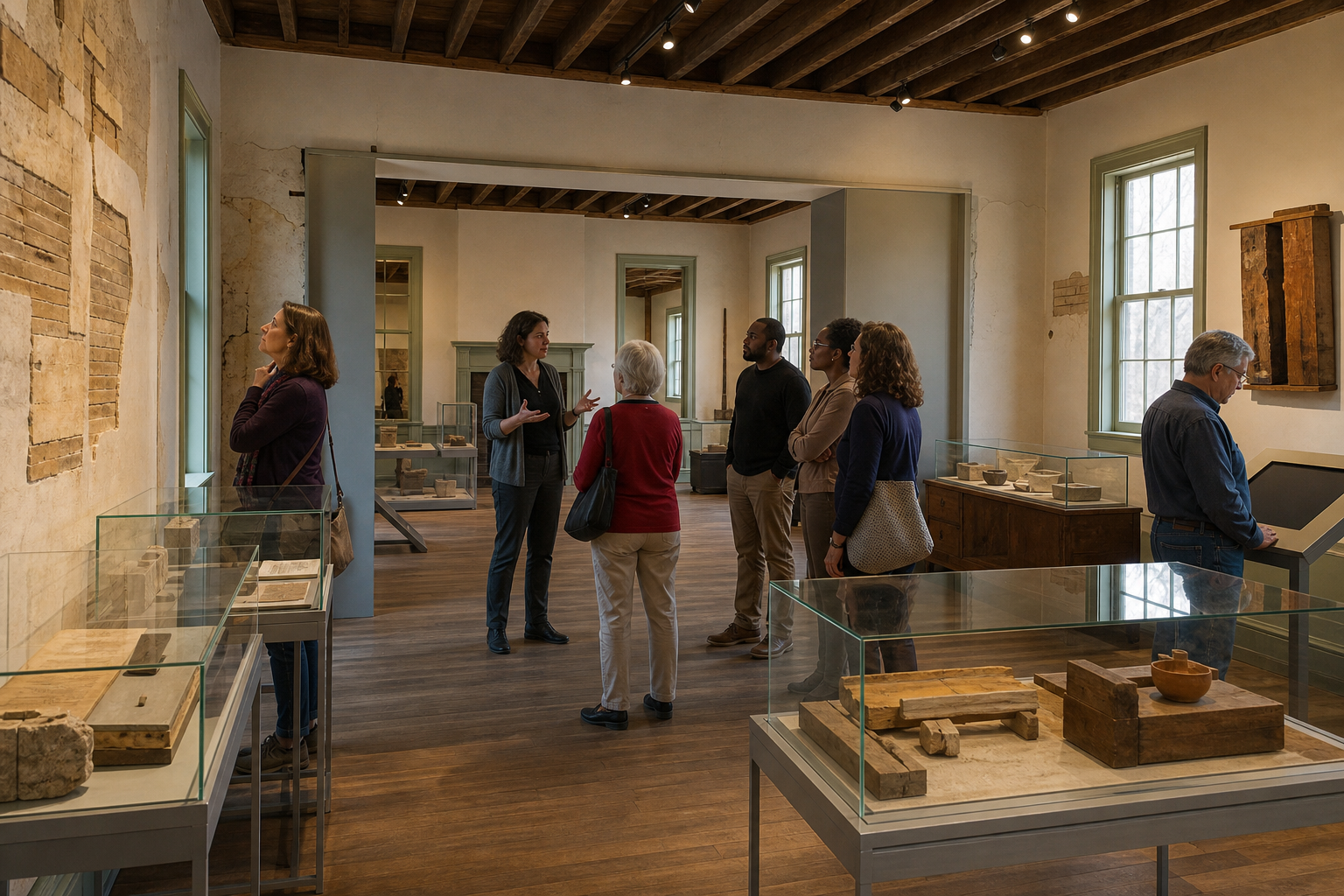
The building can serve the public most fully as a memorial and research centre. Its programme could include:
- Galleries connecting the rooms and their documented uses with Savarkar’s writing, correspondence, public activity, social concerns, and the wider freedom struggle.
- A searchable catalogue of verified documents and objects, with digitized access where rights and conservation conditions permit.
- School modules on modern Indian history, supported by teacher workshops that explain how to interpret buildings, documents, and political ideas as historical evidence.
- Fellowships or supervised research access for students examining political thought, social reform, literature, and cultural heritage.
- Multilingual labels, tactile models, barrier-free routes, and clearly described access arrangements so that families, students, researchers, and visitors with disabilities can plan a meaningful visit.
- Programmes welcoming Hindu, Buddhist, Jain, and Sikh audiences into a shared civilizational conversation without flattening the differences among their traditions.
Public access needs an operating model, not just an opening ceremony. Visitor capacity, guided-tour schedules, collection security, photography rules, reading-room access, school bookings, and emergency procedures should be settled before regular opening. Calibrated ticketing may contribute to operations, but students and genuine researchers should have concessionary access so that revenue does not defeat the educational purpose.
Governance will determine whether those ambitions survive. A public trust or autonomous board can bring together conservation specialists, historians, community stakeholders, and government nominees. It should publish the conservation plan, collections policy, interpretation process, annual report, and audited accounts. Independent technical review is especially important when major repairs or new visitor facilities are proposed.
Transparent governance also gives local benefits a proper place. Conservation crafts, documentation, museum operations, book sales, heritage walks, and nearby cultural activity can support livelihoods. Those activities should grow around the site’s historical purpose rather than overwhelm it. The monument is the anchor; commercial activity is not the mission.
Key takeaways for a credible public demand
- Ask Maharashtra to secure the property through lawful acquisition or another durable stewardship arrangement after title and stakeholder due diligence.
- Demand interim state or Mumbai heritage safeguards, where legally applicable, before any irreversible alteration takes place.
- Insist on a public condition assessment, measured record, photographic survey, and verified inventory before restoration or exhibition work begins.
- Ask for a detailed project report covering conservation, interpretation, accessibility, collections, operations, digitization, risk preparedness, and continuing maintenance.
- Require the proposal for National Monument status to identify the exact legal route, protected boundary, custodian, duties, and funding responsibilities.
- Support a professionally governed memorial and research centre with independent review, audited accounts, clear collection policies, and meaningful public access.
If you are writing to the Maharashtra government or another responsible authority, make the request concrete: secure Savarkar Sadan against loss or insensitive alteration; commission independent documentation and conservation planning; publish the legal pathway for national protection; and provide a dated timetable for public stewardship. Ask for the reply and supporting documents to be placed in the public domain.
Savarkar Sadan does not need a choice between honour and historical rigor. It needs both. Your most useful contribution now is to demand a process in which nothing significant is altered before it is recorded, no status is announced without legal clarity, and no memorial opens without a plan for access, accountability, and continuing care.
References
