
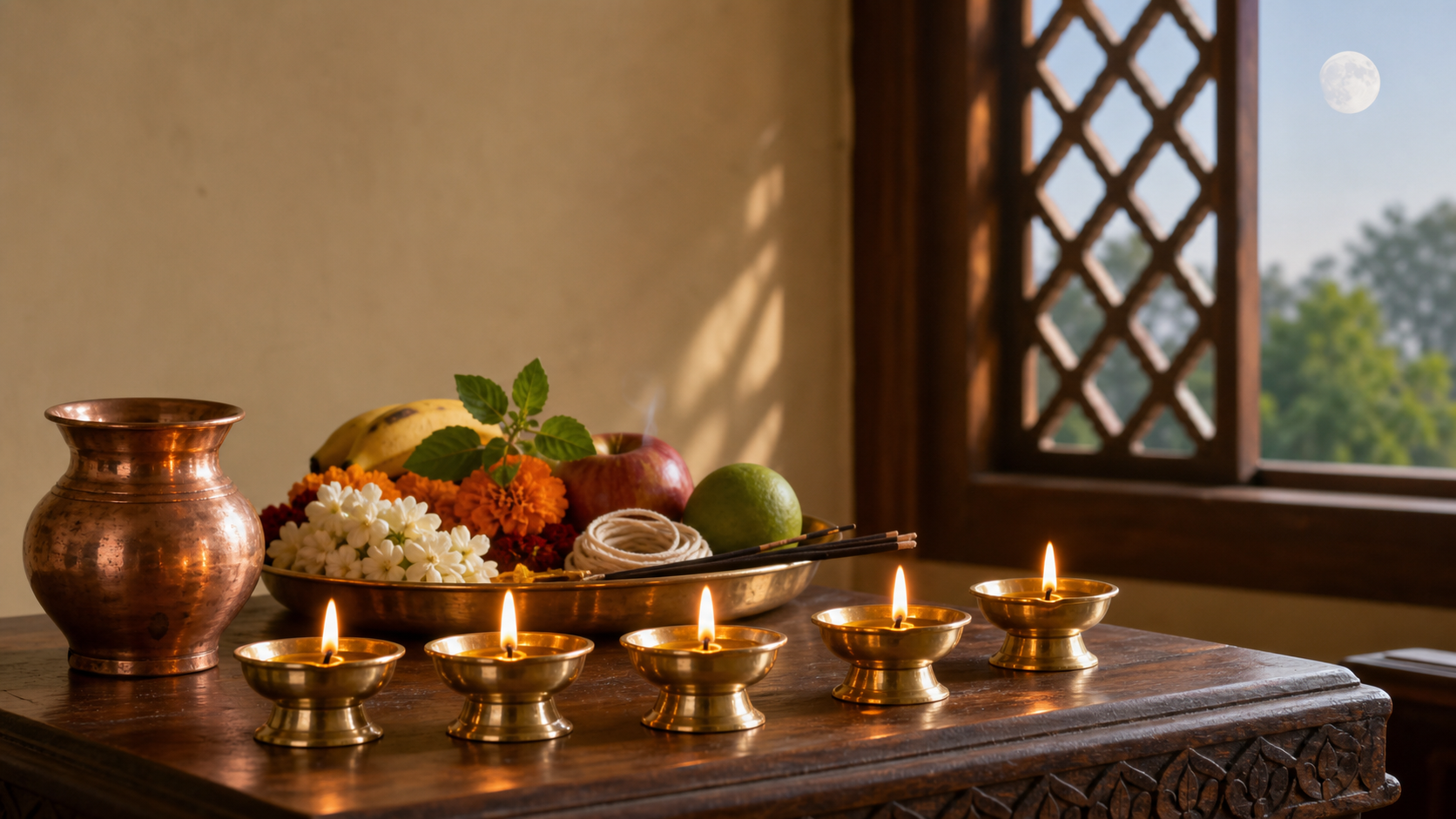
If you are arranging work, meals, temple visits, and family worship for June, mark five dates first: June 3, 8, 11, 12, and 13. The observances fall close enough together that deciding your fasting level and obtaining puja materials in advance will make the month considerably easier.
This is a focused planner for five major monthly Hindu vrat observances in June 2026, with dates stated in Indian Standard Time. It is not an exhaustive list of every regional celebration or temple festival. Because a vrat follows the relevant tithi, sunrise, sunset, or moonrise rather than the civil date alone, you should still verify the final window in a reliable Panchang for your city.
June 2026 vrat calendar at a glance
| Date in IST | Observance | Timing anchor | Main devotional focus |
|---|---|---|---|
| June 3 | Sankashti Ganesh Chaturthi | Moonrise; the calendar reference is 9:50 PM IST, but local moonrise must be checked | Shri Ganesha, clarity, and the removal of obstacles |
| June 8 | Kalashtami | Krishna Paksha Ashtami | Shri Kalabhairava, disciplined use of time, and righteous boundaries |
| June 11 | Ekadashi | Ekadashi observance; parana on Dwadashi after sunrise and after Hari Vasara | Sri Hari, restraint, remembrance, and sattvic living |
| June 12 | Pradosh Vrat | Pradosha Kala around local sunset | Lord Shiva, purification, gratitude, and renewed intention |
| June 13 | Masik Shivaratri | Krishna Paksha Chaturdashi, with worship during the night | Shiva, inner stillness, japa, and contemplative vigil |
The tightest stretch is June 11 through June 13: Ekadashi, Pradosh, and Masik Shivaratri arrive on three successive dates. If you intend to observe all three, plan them as one devotional sequence rather than making three unrelated decisions at the last moment. Set your fasting level, work commitments, parana meal, evening worship, and sleep arrangements before Ekadashi begins.
Make one practical plan before choosing the strictest fast
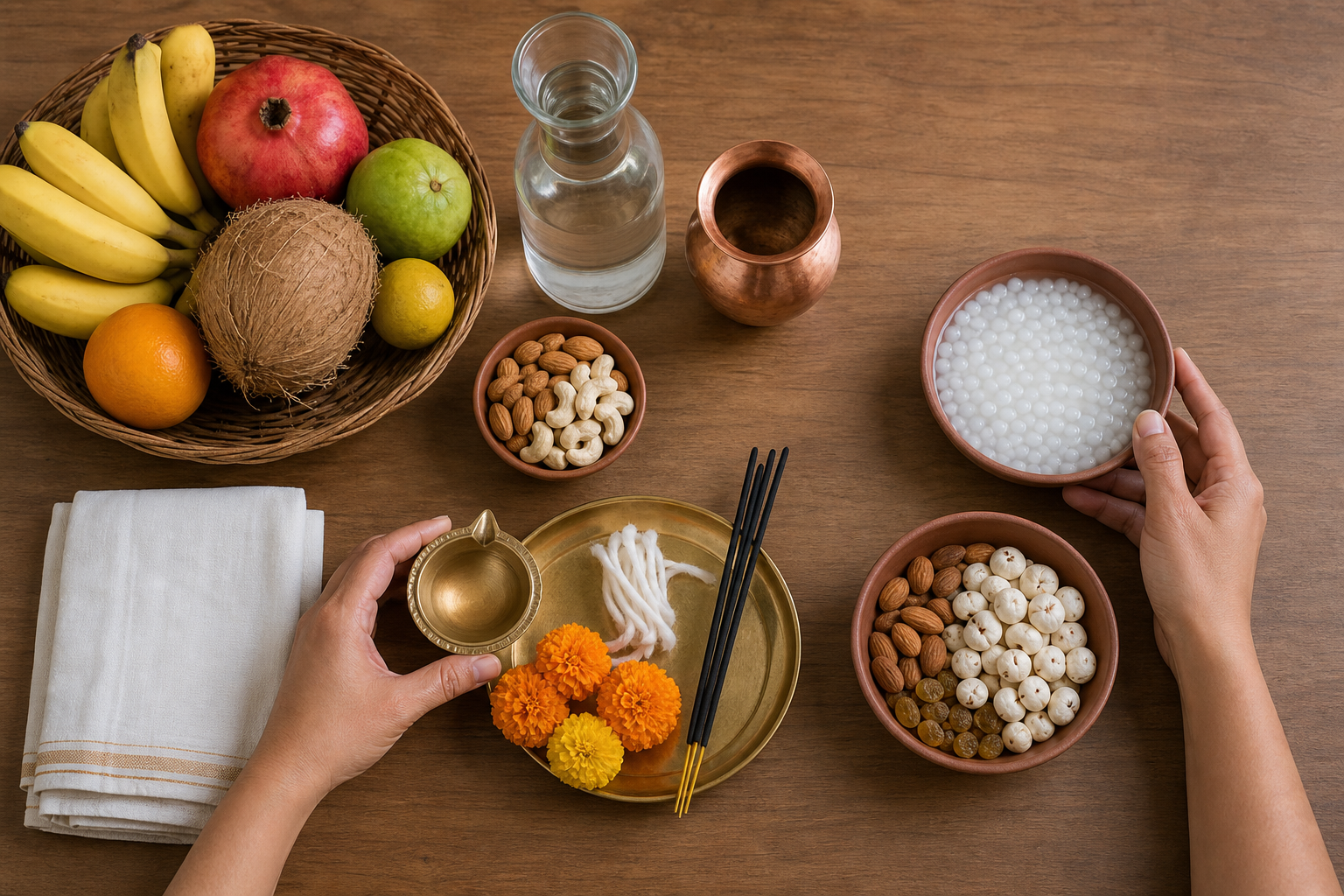
A vrat is sustained attention, not a contest in food deprivation. Upavasa should bring you nearer to the object of worship through restraint, remembrance, cleaner conduct, and simpler habits. If a severe fast makes you irritable, inattentive in puja, or unable to meet essential responsibilities safely, a moderated observance may preserve the purpose better.
- Choose the observances you can keep sincerely. You may undertake all five, follow the vrata central to your family tradition, or begin with one well-kept sankalpa.
- Decide the fasting form before the previous evening. The customary options described for these dates include a full fast, phalahara, a milk-and-fruit pattern, or a simple sattvic diet, depending on the vrata and your capacity.
- Check a city-specific Panchang. Record the applicable sunrise, sunset, tithi boundary, moonrise, Pradosha Kala, and parana window rather than copying an India-based clock time into another location.
- Set out the materials you will actually use: a clean lamp and wick, puja water, fruits, mantra or stotra text, and the offerings appropriate to the chosen deity. Add durva and modaka for Ganesha, sesame oil for a Bhairava lamp, or bilva leaves and abhisheka materials for Shiva as required.
- Write a short sankalpa that includes conduct. Alongside the food rule, choose one discipline such as gentler speech, punctuality, truthful dealing, reduced distraction, compassion toward animals, or completion of a neglected duty.
- Plan the end of the vrata as carefully as the beginning. Sankashti normally concludes after Chandrodaya darshan and worship; Ekadashi requires a properly timed Dwadashi parana; Pradosh depends on the sunset worship window.
Elders, pregnant people, anyone taking medication, and anyone with a health concern should not adopt a demanding fast merely because another member of the household can do so. Choose a moderated sattvic observance with guidance from a healthcare professional and, where helpful, a knowledgeable family elder or priest. A vrat should not interfere with prescribed medication, hydration needs, or medical care.
How to observe each June vrata with a clear focus
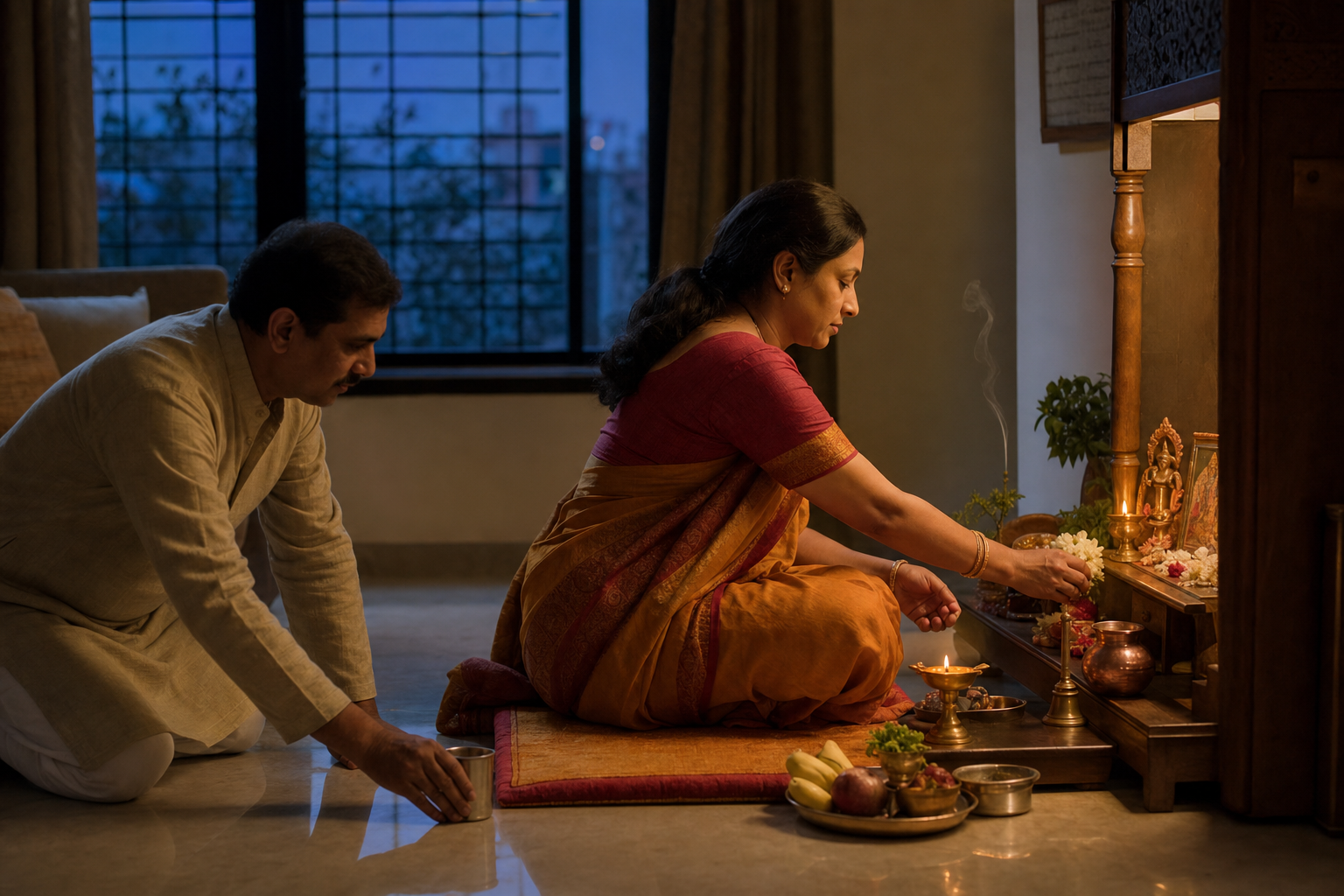
June 3: Sankashti Ganesh Chaturthi
Sankashti falls on Krishna Paksha Chaturthi and honours Shri Ganesha as Vighnaharta, the remover of obstacles, and Sankatmochan, the reliever of distress. In South Indian usage, you may see the same monthly observance called Sankatahara Chaturthi.
The defining scheduling point is Chandrodaya, the sighting of the rising moon. For June 3, the stated reference is 9:50 PM IST. Do not treat that as a universal moonrise for every Indian city, still less for a city outside India. Confirm your local moonrise and arrange the evening puja so that you are ready before the relevant time.
- Begin with cleanliness, a simple sankalpa, and the fasting level you have chosen: full fasting, phalahara, or another family-approved form.
- Light a deepa and repeat Om Gam Ganapataye Namah with steady attention.
- Offer durva grass, modaka, and seasonal fruit if available.
- Read or listen to the Sankashti Vrat Katha.
- At moonrise, perform Chandrodaya darshan and complete the customary worship before breaking the fast.
Use the waiting period before moonrise deliberately. If an unresolved decision is troubling you, write down the obstacle, the facts you know, and the next righteous action available to you. Ganesha worship is especially suited to replacing mental agitation with buddhi, clear discrimination, and disciplined effort.
June 8: Kalashtami Vrat
Kalashtami is kept on Krishna Paksha Ashtami in honour of Shri Kalabhairava, the formidable guardian associated with time, discipline, courage, and just boundaries. You may observe a partial or full fast, visit a Bhairava shrine where practical, light a sesame-oil lamp, and undertake mantra japa or a Bhairava stotra.
Feeding dogs and showing kindness toward animals have a special place in this observance. Let that act remain genuinely compassionate rather than merely ceremonial. The ethical work of Kalashtami is equally concrete: identify one way you have been wasting time, tolerating an unrighteous boundary, or failing to meet a duty. Then correct one behaviour on June 8. A smaller promise kept is more fitting to Bhairava’s discipline than an impressive promise abandoned the next morning.
June 11: Ekadashi Vrat
The June 11 Ekadashi falls in Krishna Paksha in many Panchangs. Grains and legumes are customarily avoided. Depending on lineage, health, and household practice, devotees may keep a full fast, take fruit and permitted simple foods, or follow a milk-and-fruit discipline.
Do not reduce the day to checking ingredients. Give the saved time and attention to Sri Hari through Vishnu Sahasranama, selected chapters of the Bhagavad Gita, kirtan, or quiet nama-japa. The dietary rule creates space; remembrance determines how that space is used.
Parana is part of the vrata, not an informal breakfast whenever you wake. It is performed the following day, June 12, during Dwadashi after sunrise and after the Hari Vasara period at the beginning of Dwadashi. Because the valid parana window depends on local tithi and sunrise, obtain the city-specific interval beforehand. Vaishnava and Smarta procedures can differ, so follow the convention of your sampradaya or temple when two legitimate calendars give different instructions.
June 12: Pradosh Vrat
Pradosh is observed on Trayodashi during Pradosha Kala, the twilight period around sunset. The rough planning frame is about 72 minutes around sunset, but your local Panchang should determine the actual worship interval. Reserve that part of the evening before other commitments fill it.
- Prepare the Shiva-linga and clean water for abhisheka. Milk or panchamrita may also be used according to family and temple practice.
- Offer bilva leaves and light a lamp.
- Chant Om Namah Shivaya, recite a Shiva stotra, or sit in silent japa.
- If you are eating, keep the meal simple and sattvic; if you are continuing the fast, decide that in advance.
- Use the twilight transition for gratitude and for releasing one resentment, careless habit, or accumulated agitation.
June’s Pradosh is especially useful as preparation for the following night’s Masik Shivaratri. Treat sunset worship as the doorway into a quieter twenty-four hours, not as an isolated ritual squeezed between ordinary activities.
June 13: Masik Shivaratri
Masik Shivaratri occurs on Krishna Paksha Chaturdashi every lunar month. Maha Shivaratri is the more widely known annual celebration, but the monthly observance keeps the same current of Shiva remembrance alive through the year.
You may fast or take a simple sattvic diet, maintain jagarana for as much of the night as your capacity permits, repeat Om Namah Shivaya, and perform abhisheka during one or more praharas. The aim is luminous stillness: allowing noise, restlessness, and compulsive reaction to subside in sustained awareness of Shiva.
A full-night vigil is not appropriate when illness, medication, or next-day safety makes sleep necessary. In that situation, keep a defined period of evening or night japa and then rest. Deliberate, attentive worship is preferable to an unsafe vigil undertaken to satisfy appearances.
Panchang rules that prevent the most common date mistakes
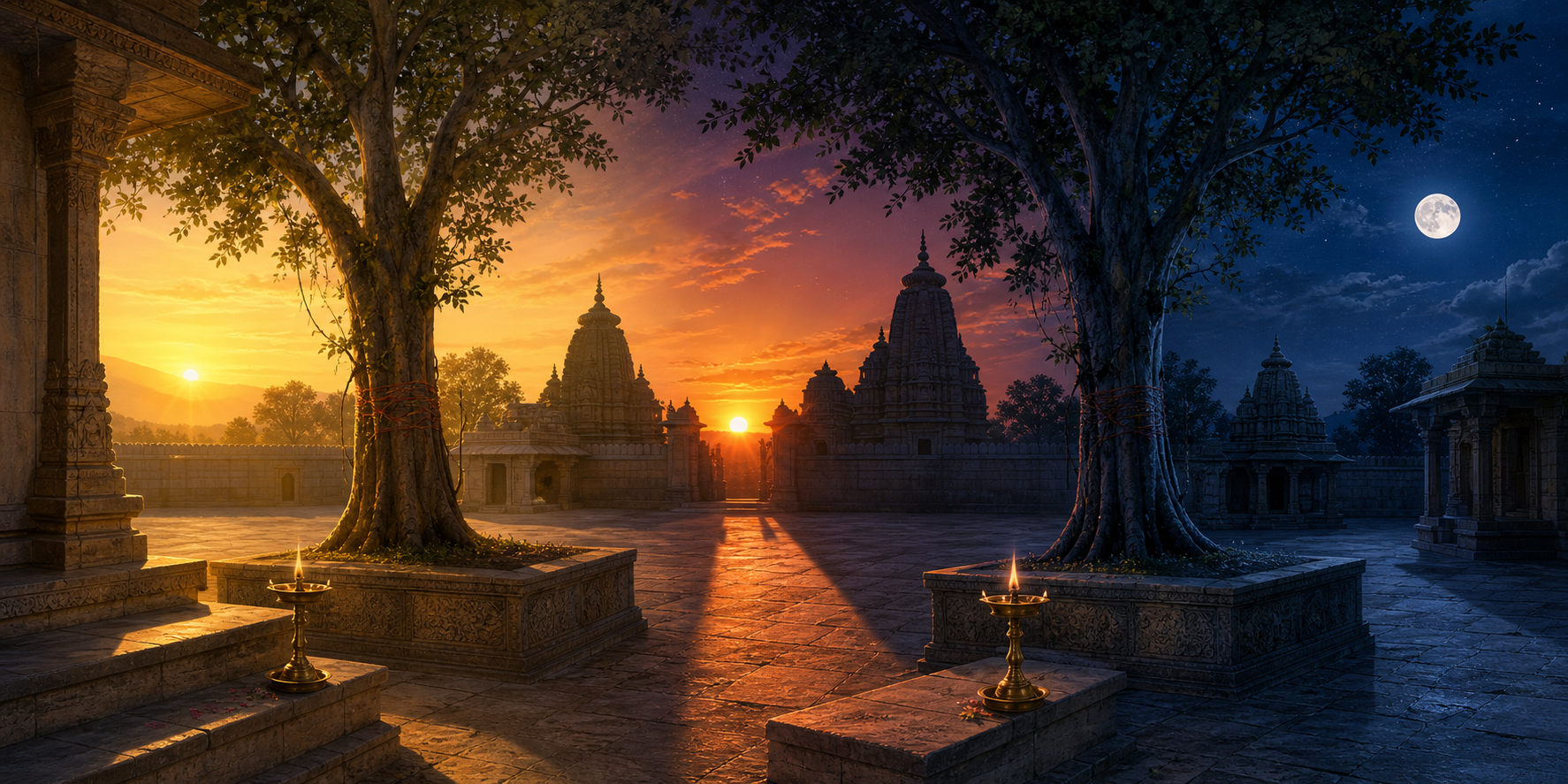
A Gregorian date is a planning label; the tithi is the ritual basis. Tithis do not begin conveniently at midnight, and the rule for assigning an observance can depend on whether the tithi is present at sunrise, moonrise, sunset, or the prescribed worship period. That is why two calendar entries can appear to disagree even when both are applying coherent rules to different locations or traditions.
- For Sankashti, check Chandrodaya in your city. The 9:50 PM IST reference for June 3 cannot simply be converted by subtracting or adding time zones because local moonrise is astronomical, not a single India-wide instant.
- For Ekadashi, confirm which civil date carries the observance in your sampradaya and record the Dwadashi parana interval separately. Pay attention to Hari Vasara rather than breaking the fast automatically at sunrise.
- For Pradosh, use local sunset and the Panchang’s Pradosha Kala. A fixed clock time copied from another city can miss the intended twilight period.
- For Masik Shivaratri, check the local Chaturdashi timing before arranging night worship or temple attendance.
- If you live outside India, use a Panchang calculated for your own city. Converting an IST table is not a substitute for local tithi, sunrise, sunset, and moonrise calculations.
Month names can also look different without changing the underlying observance. Purnimanta reckoning is common in much of North India, while Amanta reckoning is widely followed in many southern regions. The named lunar month may differ, but communities can still converge on the relevant tithi. When a trusted temple notice differs from a generic national calendar, first check the location, calendar convention, and sampradaya rule before concluding that either is mistaken.
For a schedule-sensitive vrata, keep four pieces of information together: your city, the tithi interval, the decisive event such as sunrise or moonrise, and your lineage’s observance rule. If one of those is missing, ask your local temple or a knowledgeable priest before finalising the fast.
Key takeaways for your June observance plan
- Mark June 3 for Sankashti, June 8 for Kalashtami, June 11 for Ekadashi, June 12 for Pradosh, and June 13 for Masik Shivaratri.
- Treat the June 3 moonrise reference of 9:50 PM IST as a calendar reference, not a universal local moonrise.
- Prepare especially for June 11-13, when Ekadashi, Pradosh, and Masik Shivaratri create three consecutive days of fasting and worship decisions.
- Choose a sustainable fasting form before the vrata; health, medication, pregnancy, age, and essential duties take priority over imitating another person’s austerity.
- Confirm city-specific Panchang timings for Chandrodaya, Ekadashi parana, Pradosha Kala, and Chaturdashi night worship.
- Attach one ethical discipline to each sankalpa so that worship changes speech, attention, duty, or compassion beyond the puja space.
Put the five dates in your calendar now, then verify the local timing one observance at a time. The liturgies are distinctly Hindu, while their disciplines of restraint, remembrance, truthful conduct, and compassion also speak to the wider Dharmic family. A June vrata has done its deeper work when the lamp is extinguished but greater steadiness remains in the way you use your time and treat those around you.