
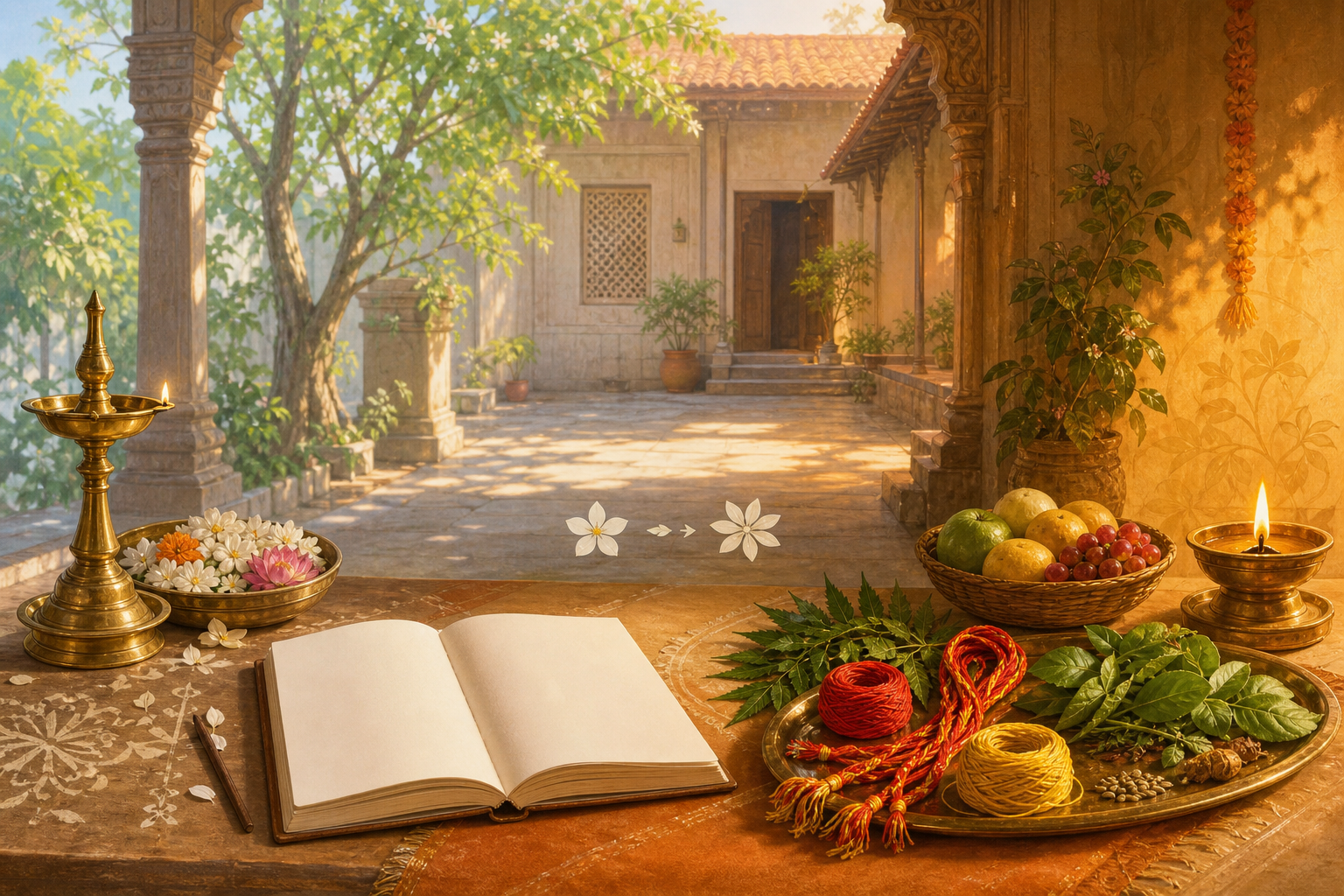
If you are choosing a time for worship, study, a new discipline, an important meeting, or a family observance on May 21, the tithi change is the detail that matters most. The day begins under Shukla Paksha Panchami and moves into Shukla Paksha Sashti during the afternoon.
The practical answer is straightforward: use Panchami for the sankalpa and first meaningful act of a learning- or growth-oriented undertaking, then let the Sashti period carry the day toward protection, health, and family well-being. Treat 1:45 PM as an India-based reference for the transition, but verify every working time against a Panchang calculated for your own city.
Key takeaways for May 21
- Thursday, May 21, 2026 begins with Shukla Paksha Panchami. Panchami continues until about 1:45 PM in prevailing Indian regional calculations, after which Shukla Paksha Sashti begins.
- Panchami and Guruvara make the earlier part of the day especially suitable for beginning study, recitation, teaching, consultation, and a disciplined long-term practice.
- If an observance must belong to Panchami, complete its sankalpa and defining ritual action before the locally verified tithi boundary. The remaining activity may continue afterward when your tradition permits.
- Sashti, also written Shashthi, supports prayers for protection and family welfare in traditions associated with Skanda, Devasena, or Shashthi Devi.
- Do not copy a national timing chart into a different city or time zone. Nakshatra, Yoga, Karana, sunrise, Rahu Kalam, Choghadiya, and the displayed clock time of the tithi transition all require local verification.
Use the Panchami period for a clear beginning
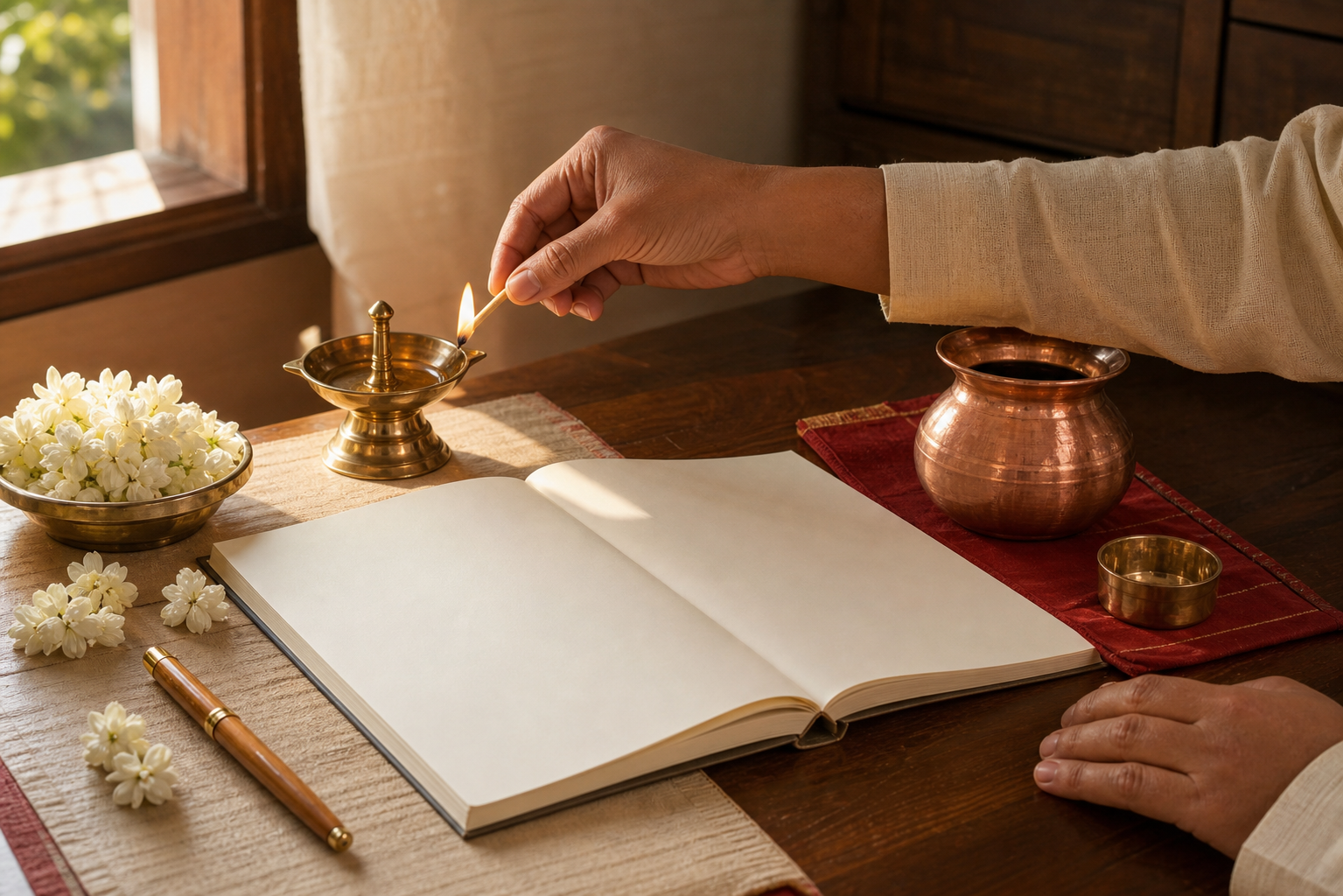
Shukla Paksha is the waxing half of the lunar cycle. Its traditional emphasis is increase, clarification, cultivation, and forward movement. Panchami adds a gentle quality of learning and refinement. This does not guarantee success, but it gives you a coherent basis for choosing what kind of work to begin.
May 21 is also a Thursday, or Guruvara. The day is associated with Guru and Brihaspati, and therefore with wisdom, sound counsel, teaching, generosity, and patient development. The strongest use of this combination is not an impulsive announcement. It is a beginning that you are prepared to sustain.
Good candidates for the Panchami portion of the day include:
- Beginning a structured reading of the Bhagavad Gita or another text honored in your sampradaya.
- Starting a daily japa, svadhyaya, language-learning, or scriptural-recitation routine.
- Seeking counsel from a teacher, elder, mentor, or qualified adviser.
- Opening the first substantive session of a course, research project, or teaching commitment.
- Making a contribution to education or taking responsibility for a learner’s needs.
- Establishing a long-term discipline whose value depends on steady repetition rather than immediate results.
The distinction between preparation and commencement is useful here. You may prepare materials, clean the puja space, arrange a meeting, or draft a plan at any convenient time. If Panchami is important to your sankalpa, place the first act that truly constitutes the undertaking inside Panchami: recite the sankalpa, begin the first lesson, perform the opening worship, or start the intended practice.
You do not have to abandon an activity the moment Sashti begins. When the sankalpa and central rite have been completed in the intended tithi, continuity into the next tithi is commonly accepted. For a vrata, homa, or lineage-specific ceremony, however, follow the rule given by your priest, guru, or family tradition rather than applying this general principle mechanically.
May 21 should not be labeled Vasant Panchami or Naga Panchami merely because Panchami is present. Those are particular observances attached to particular calendar contexts. On this date, work with the ordinary spiritual qualities of Shukla Panchami without assigning it a festival identity it does not carry.
Let Sashti change the emphasis, not interrupt the day
The afternoon movement into Shukla Paksha Sashti is not a fall from an auspicious tithi into an inauspicious one. It is a change of emphasis. You can allow work begun earlier to continue while turning the devotional focus toward protection, courage, children, and household well-being.
Some regional and family traditions connect Sashti with Skanda and Devasena. Others honor Shashthi Devi as a guardian of children and family welfare. If either practice belongs to your lineage, the later part of May 21 is suitable for a simple observance. You might light a lamp, offer seasonal fruit, and recite a familiar protective stotra or prayer. Use the deity, mantra, and procedure actually transmitted in your household or sampradaya; there is no need to assemble unrelated practices simply because they share the tithi.
If your family is praying in response to illness, pregnancy concerns, or a child’s health, keep the purpose of the ritual clear. Prayer can express devotion, solidarity, and hope, but it is not a substitute for appropriate medical care.
The transition also offers a natural structure for a household with different needs. The earlier period can hold study, planning, and counsel. The later period can hold family prayer and a quieter protective intention. That is more useful than trying to make one generic ritual represent the entire day.
Build a local muhurta instead of trusting a generic clock time
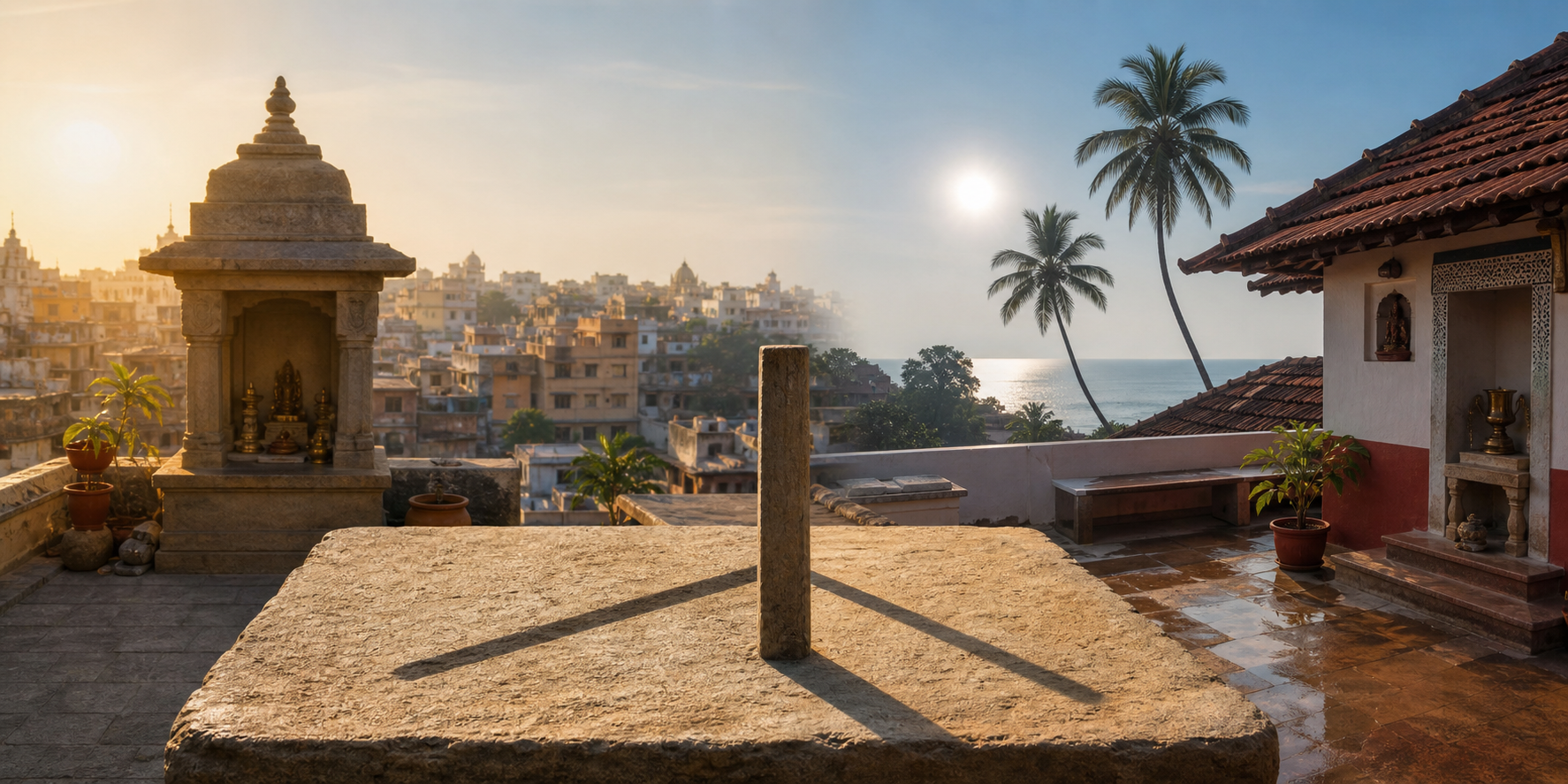
A date and tithi do not by themselves create a complete muhurta. Panchang literally asks you to consider five limbs, while the Moon’s Rashi supplies additional context. Each answers a different planning question.
| Factor | What it tells you | How to use it on May 21 |
|---|---|---|
| Tithi | The lunar day determined by the angular relationship of the Sun and Moon | Decide whether the defining act should occur in Panchami or Sashti. |
| Vara | The weekday | Use Thursday’s Guruvara emphasis for study, counsel, teaching, and generosity. |
| Nakshatra | The Moon’s position among the 27 lunar mansions | Confirm the local value, especially for a formal sankalpa or personalized muhurta. |
| Yoga | A quality calculated from the combined longitudes of the Sun and Moon | Check whether it supports the particular work you intend to begin. |
| Karana | A half-tithi division | Use it to refine the timing of the first action rather than relying on tithi alone. |
| Moon’s Rashi | The zodiac sign occupied by the Moon | Treat it as supplementary information and verify it from the same local calculation. |
Do not fill an unverified Nakshatra or Rashi field with a seasonal guess. The Moon may commonly move through a particular part of the zodiac during a broad period, but that is not precise enough for sankalpa, vrata, marriage, griha-pravesh, or inauguration. Use the actual entry generated for your location and date.
For a usable city-specific plan, follow this sequence:
- Select May 21, 2026 in a trusted regional Panchang and enter the city where the activity will physically begin. Travelers and diaspora households should not use their home city’s clock.
- Record local sunrise and sunset. Rahu Kalam, Yamaganda, Gulika, and Choghadiya depend on the local span of daylight, so the season and latitude affect their clock times.
- Confirm the Panchami end time, along with the day’s Nakshatra, Yoga, and Karana. If your sankalpa requires the sunrise Nakshatra, copy that entry exactly.
- Mark Rahu Kalam, Yamaganda, and Gulika before choosing a beginning. Thursday’s Rahu Kalam generally occupies an early-to-mid-afternoon portion, but its exact clock time comes from dividing local daylight into eight parts.
- Identify a favorable interval. Abhijit Muhurta is centered near local solar noon and can serve as a strong general-purpose option where your tradition permits it. In Choghadiya, Amrit, Shubh, and Labh are commonly preferred; Char is also accepted for many ordinary activities. Kal, Udveg, and Rog are generally avoided for fresh beginnings.
- Check the shortlisted interval against the required tithi. A favorable Choghadiya does not help if your rite specifically needs Panchami but the local tithi has already changed.
The afternoon deserves special attention because the reference tithi boundary and Thursday’s Rahu Kalam may occupy nearby parts of the day. Never infer that they overlap, or that they do not, from a generic schedule. Compare the actual city-specific entries. If no clean Panchami interval remains, ask whether the rite truly requires Panchami rather than forcing a compromised time.
For an ordinary meeting, study session, purchase, or journey, a favorable local Choghadiya with the commonly avoided intervals excluded may be enough. A wedding, griha-pravesh, homa, major business inauguration, or other consequential samskara calls for a personalized muhurta that also considers the participants’ Janma Nakshatra, Rashi, and relevant horoscope factors. Calendar timing complements sound preparation; it does not replace legal, financial, structural, or safety checks.
A workable observance for a normal Thursday
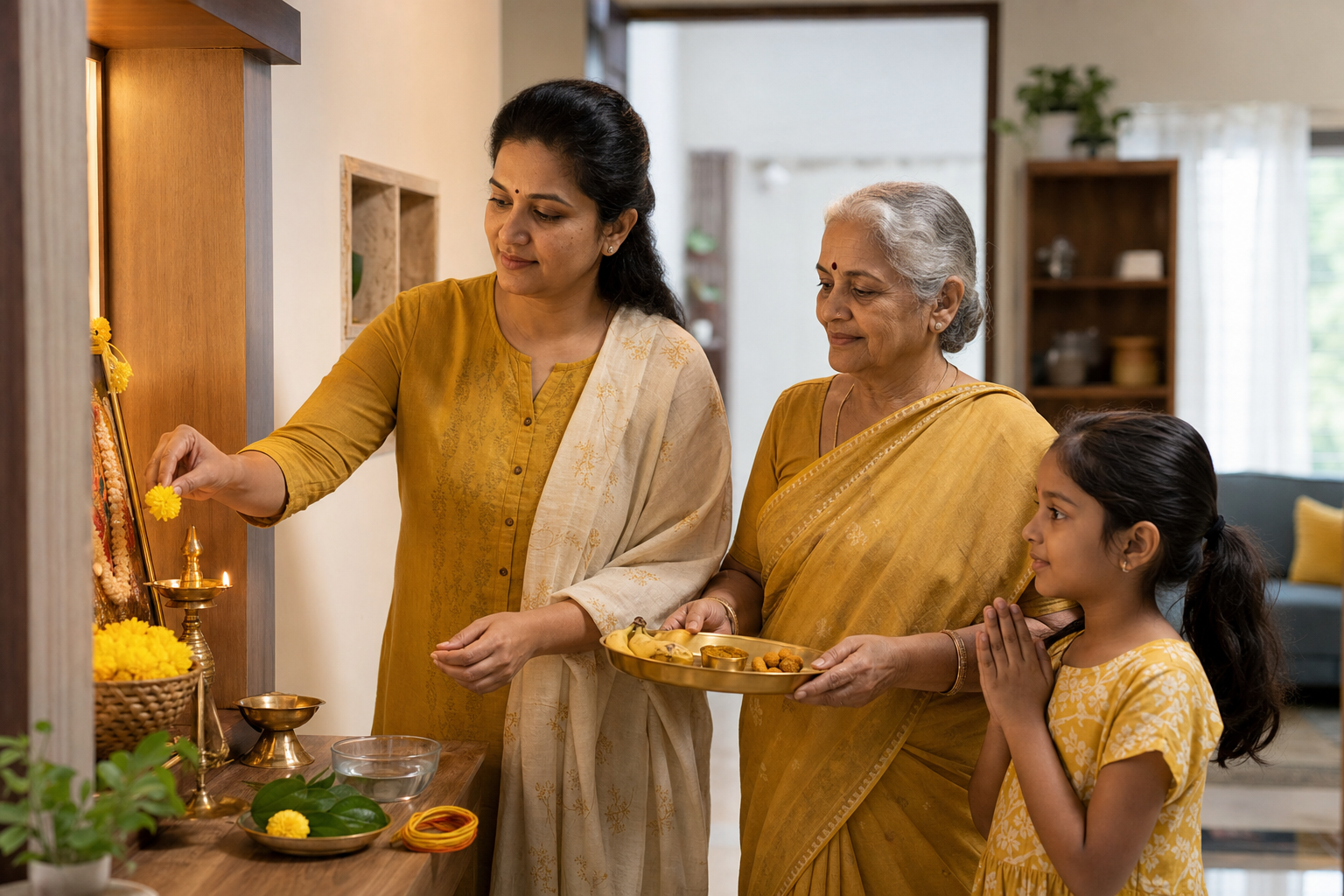
You do not need an elaborate ceremony to honor the Panchang. What matters is that the timing supports a real intention and that the observance remains faithful to your tradition.
- Before beginning the day, write down the locally verified Panchami end time, the restricted intervals you observe, and the favorable window you intend to use.
- During Panchami, make a concise sankalpa for study, disciplined practice, wise counsel, or another constructive beginning. If your family uses a formal sankalpa formula, follow that wording.
- Choose one Guruvara practice: offer yellow flowers, recite Vishnu Sahasranama, read an appropriate portion of the Bhagavad Gita, seek guidance from a teacher, or support an educational cause.
- Begin the intended work inside the verified window. Make the beginning concrete: open the first lesson, recite the first passage, hold the first substantive consultation, or perform the central opening rite.
- After the Sashti transition, continue necessary work and, if it belongs to your practice, close the day with a lamp, fruit offering, and prayer for protection and family harmony.
If employment, caregiving, or travel prevents you from using the preferred window, do not turn Panchang observance into anxiety. Preserve the part you can genuinely observe: make the sankalpa and perform the core devotional act in the intended tithi, then handle ordinary obligations responsibly. Sacred timing should discipline attention, not provide a reason to neglect dharma already in front of you.
Related respect for lunar and sacred time appears across Dharmic life, including Buddhist Uposatha reflection, Jain vrata disciplines, and Sikh commitments to simran and seva. These practices need not be merged into one calendar. You honor their kinship best by recognizing the shared seriousness of remembrance and ethical conduct while allowing each tradition to keep its own form.
Before May 21 arrives, save a Panchang entry for the city where you will be, then write down the tithi boundary, the intervals you avoid, your chosen muhurta, and the one act that will make your sankalpa real. That small preparation turns a general calendar date into a day you can actually observe.