
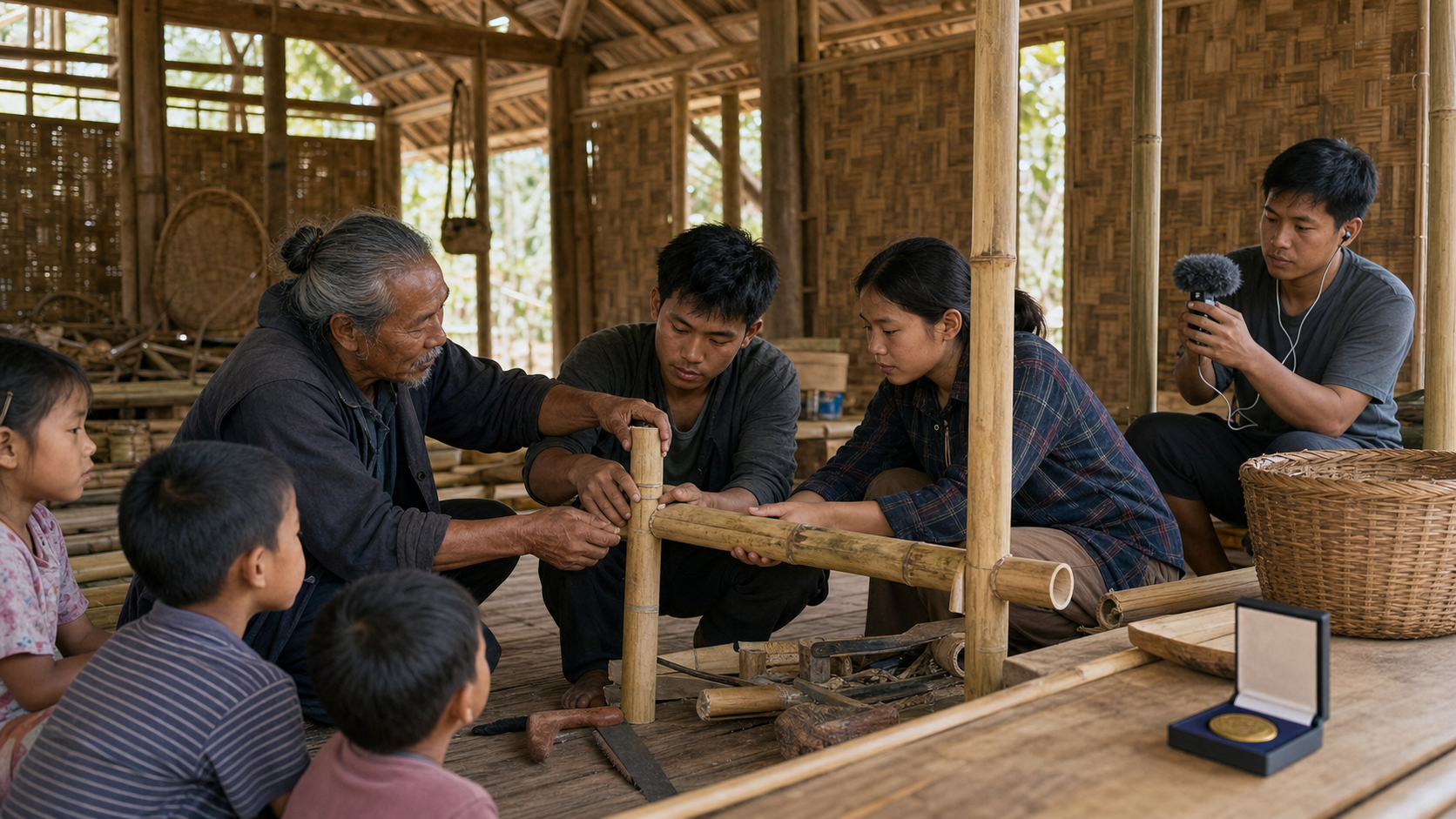
If you are trying to protect a community’s language, ritual, building practice, oral memory, festival, or customary knowledge, you may be wondering whether national recognition makes a practical difference. It can, but only when public honour amplifies a system that is already helping people learn, practise, and transmit the tradition.
Techi Gubin’s public life offers a useful model. He joined architecture, government service, social work, and community leadership instead of treating cultural preservation as an isolated activity. His Padma Shri in 2026 recognised decades of social work in Arunachal Pradesh, but the deeper lesson lies in what preceded the honour: sustained service, institutional access, and fidelity to indigenous identity amid development.
Recognition is a lever, not the preservation itself
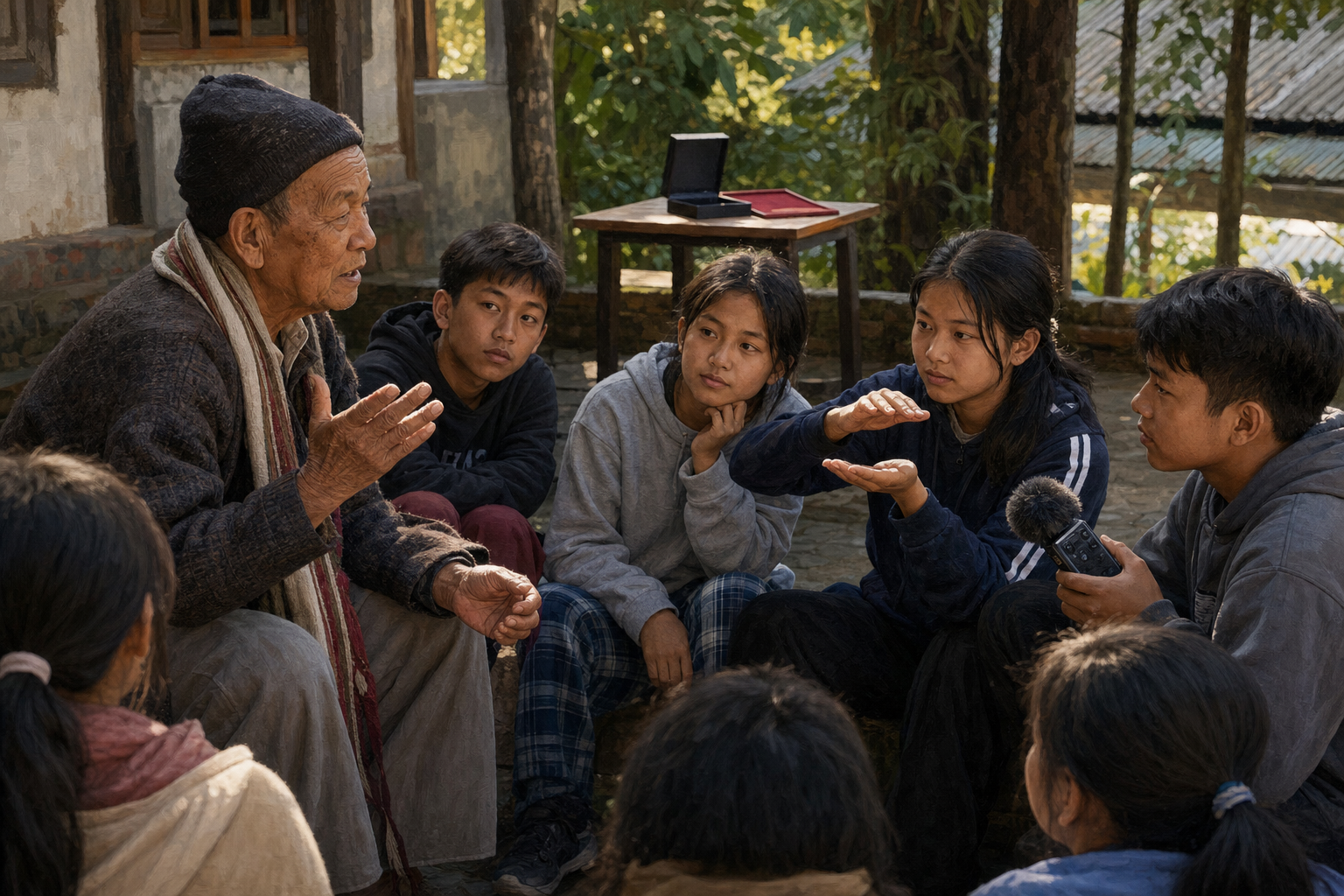
A national award can tell the country that work once regarded as local or peripheral belongs within the national story. That matters in a region whose communities carry distinct languages, customs, memories, and forms of knowledge. It also matters for Bharat as a whole. Civilizational unity becomes stronger when it recognises rooted diversity instead of demanding cultural sameness.
But recognition can also be misunderstood. A ceremony does not teach a language to another generation. A citation does not train a craftsperson. Publicity does not establish community authority over recordings, designs, or sacred knowledge. If the transmission system is weak, an award may commemorate decline more effectively than it prevents decline.
Before pursuing recognition, therefore, decide what the honour is supposed to strengthen. Test the project against these questions:
- Does the community still decide what may be taught, displayed, adapted, or kept private?
- Can a younger or less experienced participant learn a defined practice from a recognised custodian?
- Is there an organisation capable of continuing the work when one prominent leader steps away?
- Will wider visibility produce useful support, or merely more attention and outside interpretation?
- Can you show continuity in practice rather than relying only on photographs of events?
If you cannot yet answer those questions, build the preservation work first. Recognition should enlarge community capacity, not substitute for it.
Put heritage inside the institutions that shape daily life
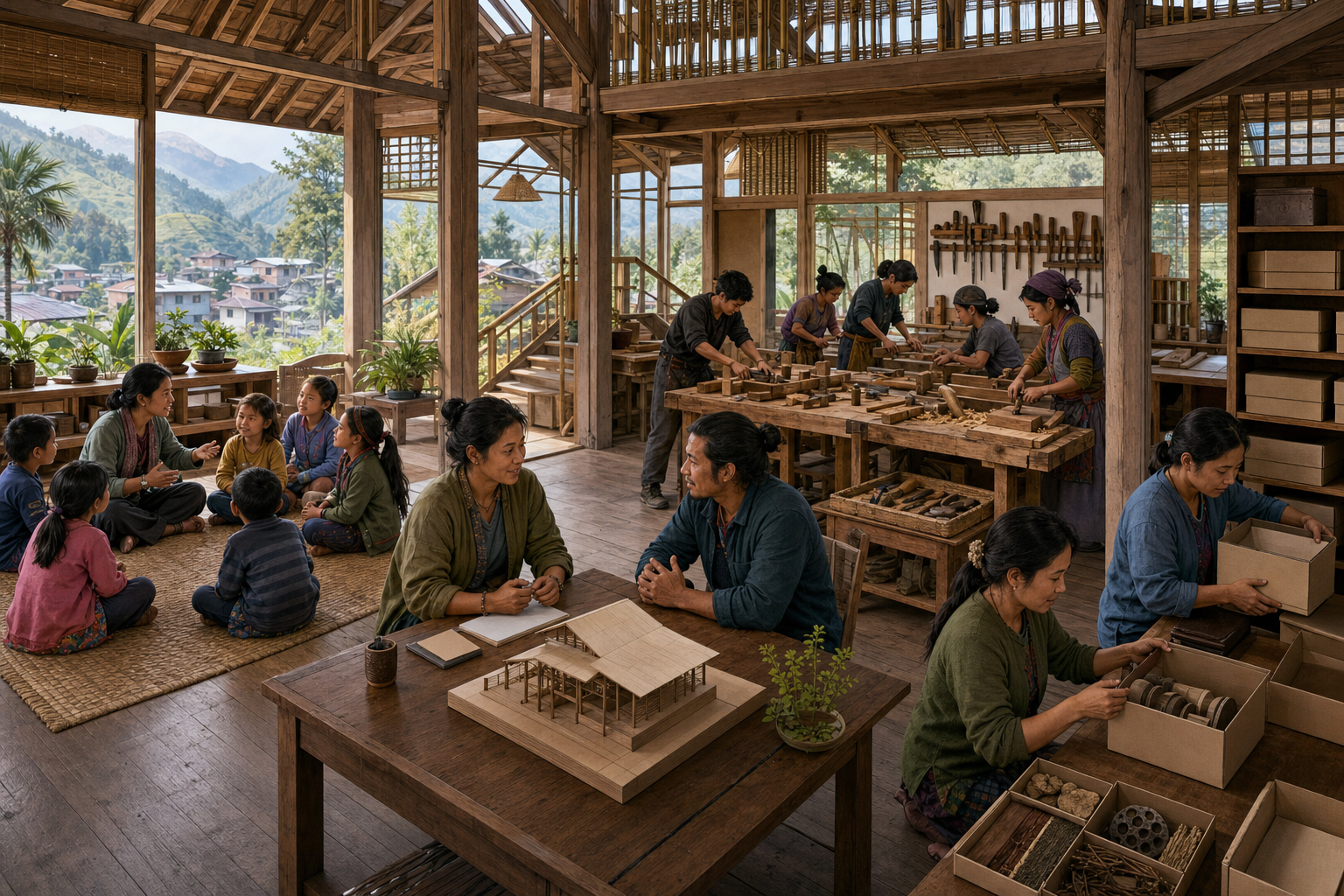
Gubin did not choose between a modern profession and indigenous stewardship. He completed his architecture degree in 1988 and entered the Arunachal Pradesh Public Works Department in 1990. He later served as Chief Architect of Arunachal Pradesh and Director of Housing with additional responsibilities. This placed cultural sensitivity close to decisions about buildings, housing, planning, and public infrastructure.
That combination matters because cultural erosion does not occur only when people abandon a ceremony. It can also occur when institutions treat local forms of living as obstacles to a supposedly neutral model of development. A settlement pattern, material practice, communal space, or relationship with the landscape may disappear through ordinary planning decisions long before anyone declares the culture endangered.
You do not need to reproduce Gubin’s career. You need to identify the access you already possess. A teacher can make transmission part of learning. An architect can ask what social practices a design must accommodate. A civil servant can bring community voices into planning before decisions harden. A cultural association can connect custodians with learners. A professional body can make culturally informed practice respectable within its field.
| Your point of access | What to do with it | What to preserve as evidence |
|---|---|---|
| Professional practice | Ask which local forms, materials, spaces, or customs the work should respect. | Design decisions, approved plans, and explanations from community custodians. |
| Public administration | Bring cultural consequences into discussion before a project is finalised. | Consultation records, decisions, and the changes made after community input. |
| Education | Turn a broad heritage theme into a practice that a learner can actually perform or explain. | Teaching material, participation records, and completed learner work. |
| Community organisation | Create a stable relationship among custodians, learners, families, and institutions. | Program records, permissions, roles, and evidence that activity continued. |
Gubin also used organisational leadership to extend his reach, including service as President of the Arunachal Vikas Parishad and involvement in bodies working for indigenous and Vanvasi welfare. The practical principle is simple: personal commitment becomes durable when an institution can carry it.
Build a community-owned transmission plan
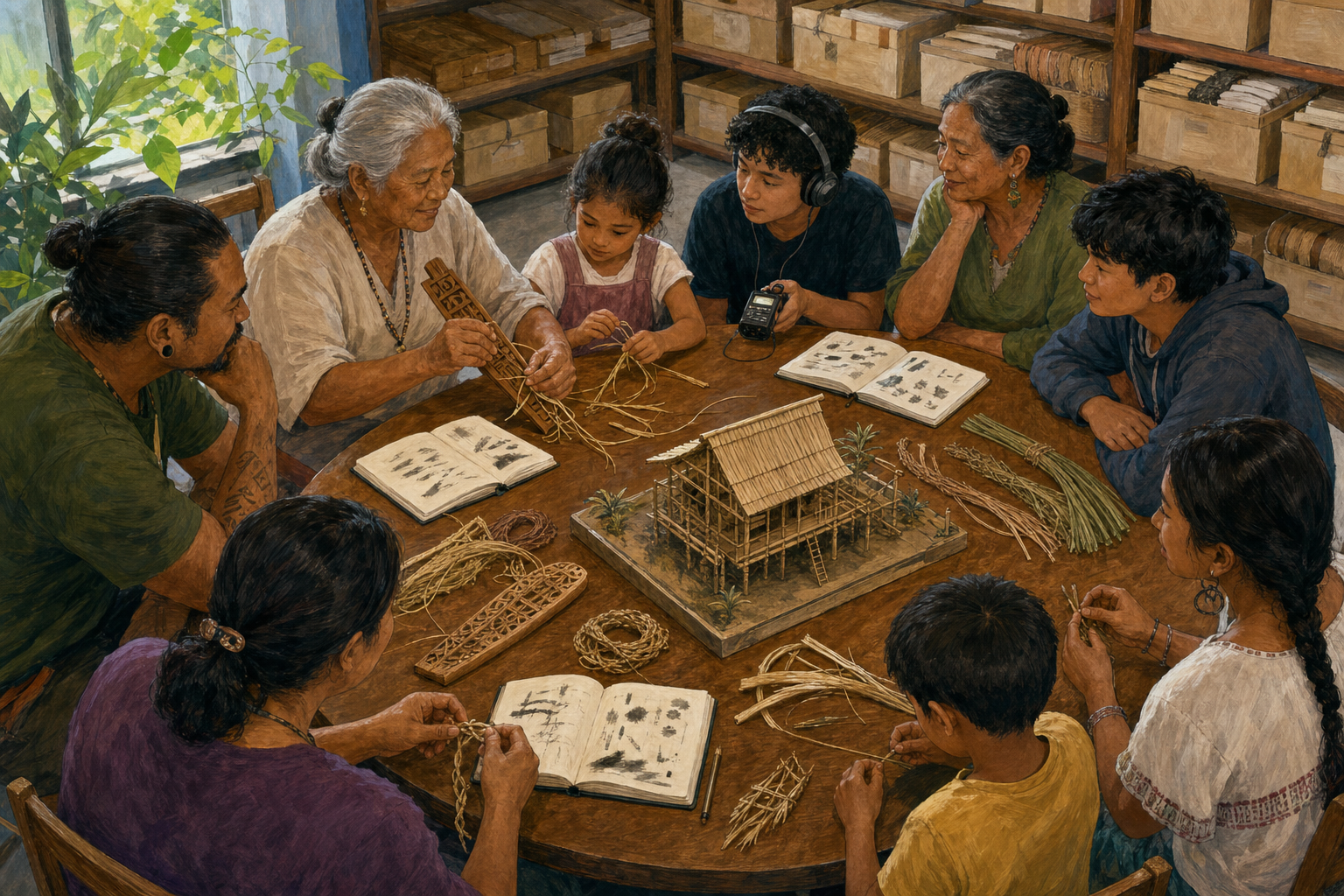
Preservation becomes concrete when you can name what is being transmitted, who has authority to transmit it, who is learning, and where the practice will continue. A label such as “cultural awareness” is too broad to manage. Choose a living unit of heritage: a song with its context, a construction technique, a seasonal observance, a body of vocabulary, a method of preparing a ritual object, or the protocol for a community gathering.
- Let the community define the risk. Ask practitioners what is actually weakening. The urgent problem may be loss of language, lack of materials, shrinking participation, broken teacher-learner relationships, or a setting that no longer supports the practice.
- Name the custodians and their authority. Do not treat every visible performer or outside enthusiast as equally entitled to interpret a tradition. Record who may teach it, who may approve adaptations, and whose consent is required.
- Choose a transmission outcome. Replace “raise awareness” with something observable: a learner can perform the technique correctly, explain its meaning, use the relevant vocabulary, or assist an authorised practitioner.
- Record context as well as content. A video of a performance may preserve movements while losing purpose, season, place, relationships, restrictions, and meaning. Document those elements only to the extent the community permits.
- Give the work an institutional home. A community association, school, cultural trust, local body, or other stable institution should hold responsibility for scheduling, permissions, materials, and continuity.
- Check whether transmission happened. Counted attendance may show that an event occurred, but it does not show that knowledge moved. Ask whether learners can now practise, explain, assist, or teach at the level authorised by the custodians.
Consent is part of preservation, not an administrative afterthought. Some knowledge is sacred, restricted, seasonal, familial, or inappropriate for public recording. Digital visibility can expose material to copying and decontextualisation. When custodians set a boundary, preserve the boundary along with the tradition.
This is also where a Dharmic outlook has something important to contribute. Heritage is not merely an object inherited from the past. It is a responsibility carried through right relationship: between teacher and learner, person and community, livelihood and landscape, memory and conduct. Preservation succeeds when those relationships remain alive.
Prepare the evidence before pursuing an honour
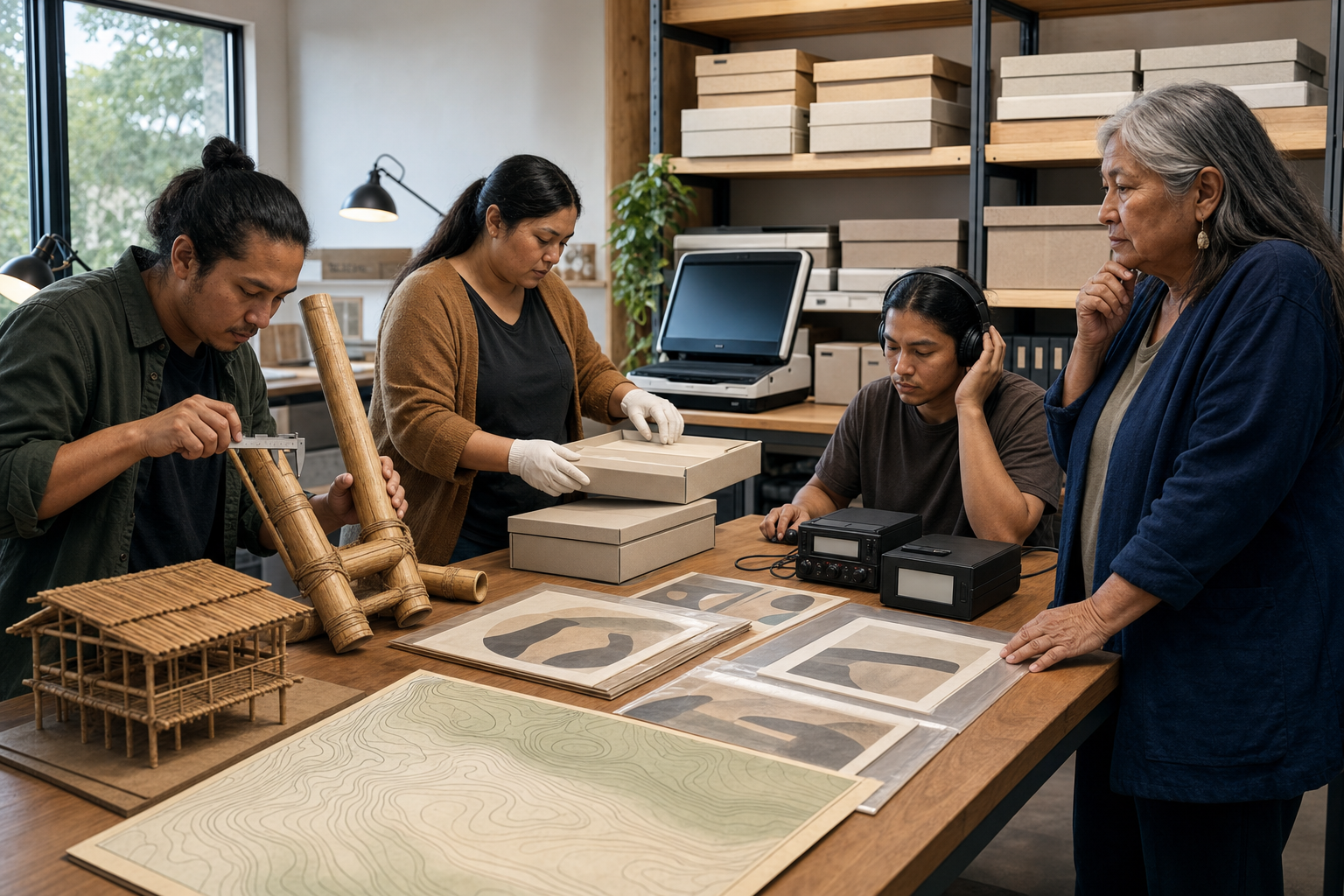
If national recognition is appropriate, build an evidence record that is useful even if no award follows. Do not begin with the question, “Why does this person deserve an honour?” Begin with, “What changed, who can verify it, and what will continue?” That shift prevents the story from becoming a collection of titles and flattering adjectives.
- Create a verified service timeline. Record roles, initiatives, dates, responsibilities, and the relationship between professional work and cultural stewardship. Remove claims that no one can substantiate.
- Seek community testimony with consent. Ask custodians, participants, and partner organisations to describe concrete effects. Preserve their words accurately and tell them how the testimony may be used.
- Separate activity from outcome. Meetings, campaigns, exhibitions, and ceremonies are activities. Learners trained, practices resumed, culturally informed plans adopted, or community institutions strengthened are outcomes.
- Show the bridge between worlds. Explain how the person’s vocation, public office, or organisational position created access that community work alone may not have possessed.
- Document succession. Identify the people and institution prepared to continue. A preservation effort centred entirely on one personality remains fragile, however respected that person may be.
- Protect restricted knowledge. An evidence file can prove sustained service without exposing sacred details, private community records, or material that custodians have not authorised for publication.
When Gubin became Arunachal Pradesh’s sole Padma award recipient for 2026, the attention reached beyond one individual. It also made the state’s traditions of community service and cultural stewardship more visible nationally. That is the best use of an individual honour: the recipient becomes a doorway through which the country sees a larger field of service.
Keep that relationship explicit. Name collaborators where permission allows. Credit the community that holds the tradition. Direct new interest toward the institutions doing the work. An individual may receive the medal, but no individual owns a people’s inheritance.
Key takeaways
- National recognition helps when it strengthens transmission, community authority, and institutional continuity.
- Do not isolate heritage from modern professional life; place cultural understanding inside architecture, education, administration, and development.
- Define preservation as a learnable practice with authorised custodians, willing learners, context, and a stable institutional home.
- Measure whether knowledge moved, not merely whether an event attracted attention.
- Build an evidence record around verified outcomes and succession rather than titles or publicity.
- Use an individual honour to reveal collective service, while respecting consent and limits on what may be made public.
At your next planning meeting, put one living practice at the centre rather than an award. Fill in the custodian, learner, institutional home, consent boundary, and evidence trail. If any field is unclear, that is where the work begins. Once the chain of transmission is real, national recognition can do what it does best: help Bharat see, respect, and support a tradition that its own people are already carrying forward.