

Allegations concerning donations at the Ram Mandir in Ayodhya raise a question larger than any individual criminal case: how should a religious trust protect offerings that devotees regard as acts of faith, sacrifice and seva?
A credible answer must combine due process with preventive governance. That means distinguishing allegations from proven guilt, tracing every donation through a controlled chain of custody, publishing information that devotees can understand and addressing misconduct without partisan or caste-based generalisations.
What the reported case establishes, and what it does not
The source article supplied for this analysis relayed media reports that the Uttar Pradesh government formed a Special Investigation Team, that an FIR followed a complaint by the Shri Ram Janmabhoomi Teerth Kshetra Trust, and that eight suspects associated with the money-counting operation were apprehended over allegations of theft and criminal breach of trust. It also reported the recovery of nearly ₹80 lakh.
Those details come through the supplied article’s account of ongoing proceedings; they are not an independent finding of guilt. Arrests, recoveries and investigative activity can indicate that a complaint was taken seriously, but courts must determine individual responsibility. Institutional scrutiny and the presumption of innocence are compatible: one concerns the adequacy of a system, while the other protects people from punishment before adjudication.
The article contrasted two ways of interpreting the episode. Its description of Republic TV’s coverage emphasised the administrative response, including the investigation, forensic inquiry, FIR and arrests. Its discussion of Rajarshi Nandy’s perspective placed greater weight on spiritual injury and the vulnerability of devotees. Taken together, these views point to two necessary tests: authorities must respond effectively after a suspected diversion, and temple systems must make such diversion difficult before it occurs.
Governance should follow the donation lifecycle

A large temple can receive money through hundis, digital channels, paid sevas, accommodation, prasadam, festivals, grants, land and leases. It may also receive jewellery and other valuables. Expenditure can extend across worship, wages, annadanam, security, maintenance, utilities, festivals, charitable work, infrastructure and legal compliance. This complexity does not prove wrongdoing, but it creates many points at which records, custody or authority can become unclear.
The appropriate unit of reform is therefore the transaction and its chain of responsibility. Each offering should move through identifiable stages: receipt, secure custody, counting or valuation, recording, deposit, authorised use, reconciliation and disclosure. Evidence should accompany each transfer. When one person or group controls several consecutive stages, an error or diversion becomes easier to conceal.
This process-based view also avoids collective blame. Temple administration can involve trustees, priests, accountants, employees, volunteers, security personnel, contractors, vendors, politicians and intermediaries. Assigning misconduct to Brahmins or any other caste does not identify who received an asset, who recorded it, who approved its use or which safeguard failed. Accountability becomes more precise when it follows duties, access and decisions.
Prevention must be designed into daily operations
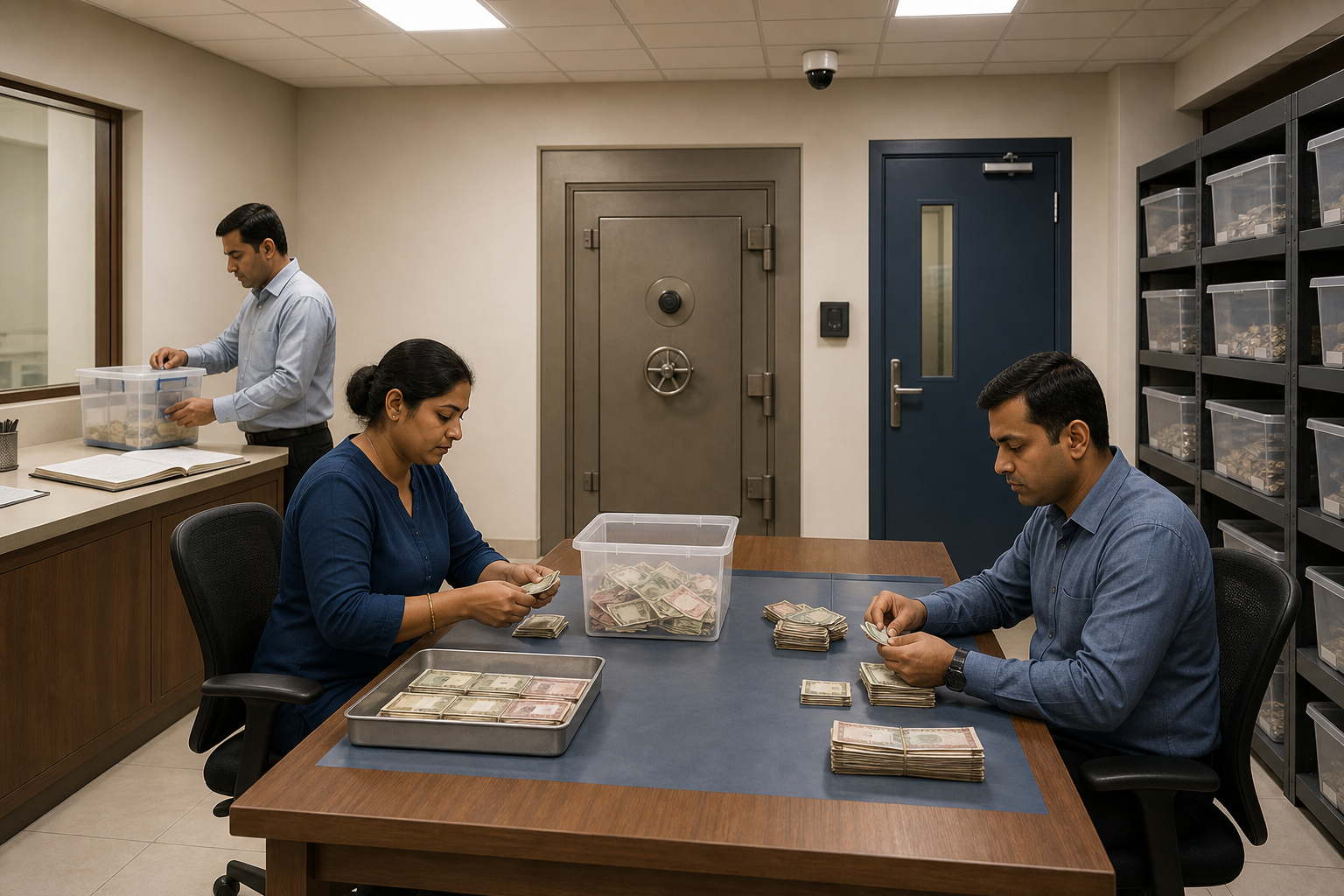
The supplied article proposed a layered control model rather than reliance on personal reputation. Its recommendations can be organised into five operational safeguards:
- Secure receipt and custody. Cash-counting areas should use controlled entry, access logs, CCTV coverage, tamper-evident bags and dual custody. Records should show who handled each sealed collection and when responsibility changed.
- Separate incompatible duties. No individual should receive, count, record, deposit, reconcile and audit the same funds. Approval of expenditure should also remain separate from payment processing and bank reconciliation.
- Reconcile independent evidence. Count records, receipts, digital reports and bank deposits should be compared regularly. Unexplained differences should be documented, escalated and reviewed rather than absorbed into later totals.
- Control digital and non-cash assets. Official payment gateways, verifiable receipts and clear warnings about fake QR codes can protect digital donors. Jewellery requires inventories, periodic valuation, insurance and independent verification; land and leases require transparent registers and review.
- Make oversight independent. Rotating external auditors, qualified audit committees, conflict-of-interest declarations and protected whistleblower channels reduce dependence on the goodwill of insiders.
These controls work as a system. CCTV without reconciliation may document activity without detecting a false total. An annual audit may arrive too late if custody records are weak. Digital receipts offer little protection if devotees cannot identify the trust’s official account. Effective governance links physical security, accounting evidence, authority limits and independent review.
Transparency must serve devotees, not only auditors

Technical accounts are necessary, but they are not sufficient for public confidence. The article recommended monthly summaries in plain language, quarterly management accounts and annual audited statements. It also proposed a public dashboard showing donation totals, broad spending categories, major contracts, audit status, pending disputes, official seva rates, crowd-management policies, complaint statistics and charitable activities.
These layers answer different questions. Monthly reporting can reveal unusual movements promptly. Quarterly accounts can show whether income and spending remain aligned with approved purposes. Annual audits provide formal assurance. A public dashboard translates those records into information that an ordinary devotee can use without exposing security-sensitive operational details.
Clear disclosure is especially important for darshan, pujas and other paid services. Charging for an officially administered seva or faster-access category is not inherently evidence of corruption. The governance failure begins when rates are unclear, unofficial intermediaries appear authoritative, access depends on arbitrary payments or a pilgrim cannot distinguish an authorised service from a private demand. Published prices, official booking channels, visible receipts and complaint tracking reduce that ambiguity.
Transparency should also extend to enforcement. Complaints need confidential reporting channels, documented status and protection against retaliation. Proven misconduct can warrant asset recovery, removal, criminal penalties and disqualification from financial roles, but sanctions should follow evidence and apply to responsible individuals. Precision protects both devotees and innocent temple personnel.
Key takeaways
- The reported investigation warrants institutional scrutiny, but it does not replace judicial determination of individual guilt.
- Donation security depends on an evidenced chain of custody and separation between receipt, counting, recording, approval, reconciliation and audit.
- Public reporting should combine frequent plain-language summaries with formal accounts, independent audits and clear information about official services.
- Reform should focus on roles, incentives and failed controls rather than collective blame based on caste, occupation or political association.
The lasting test will be whether concern over the reported episode produces durable procedures rather than a temporary cycle of outrage and reassurance. Temple trusts that publish clear rules, document every transfer of responsibility and invite qualified independent scrutiny can make accountability an expression of Dharma and strengthen the confidence with which future offerings are made.
References
- DharmaRenaissance Blog — Ram Mandir Donation Theft: A Powerful Case for Transparent Temple Governance
- Video reference — Temple Corruption in India | Ram Mandir | Rajarshi Nandy