
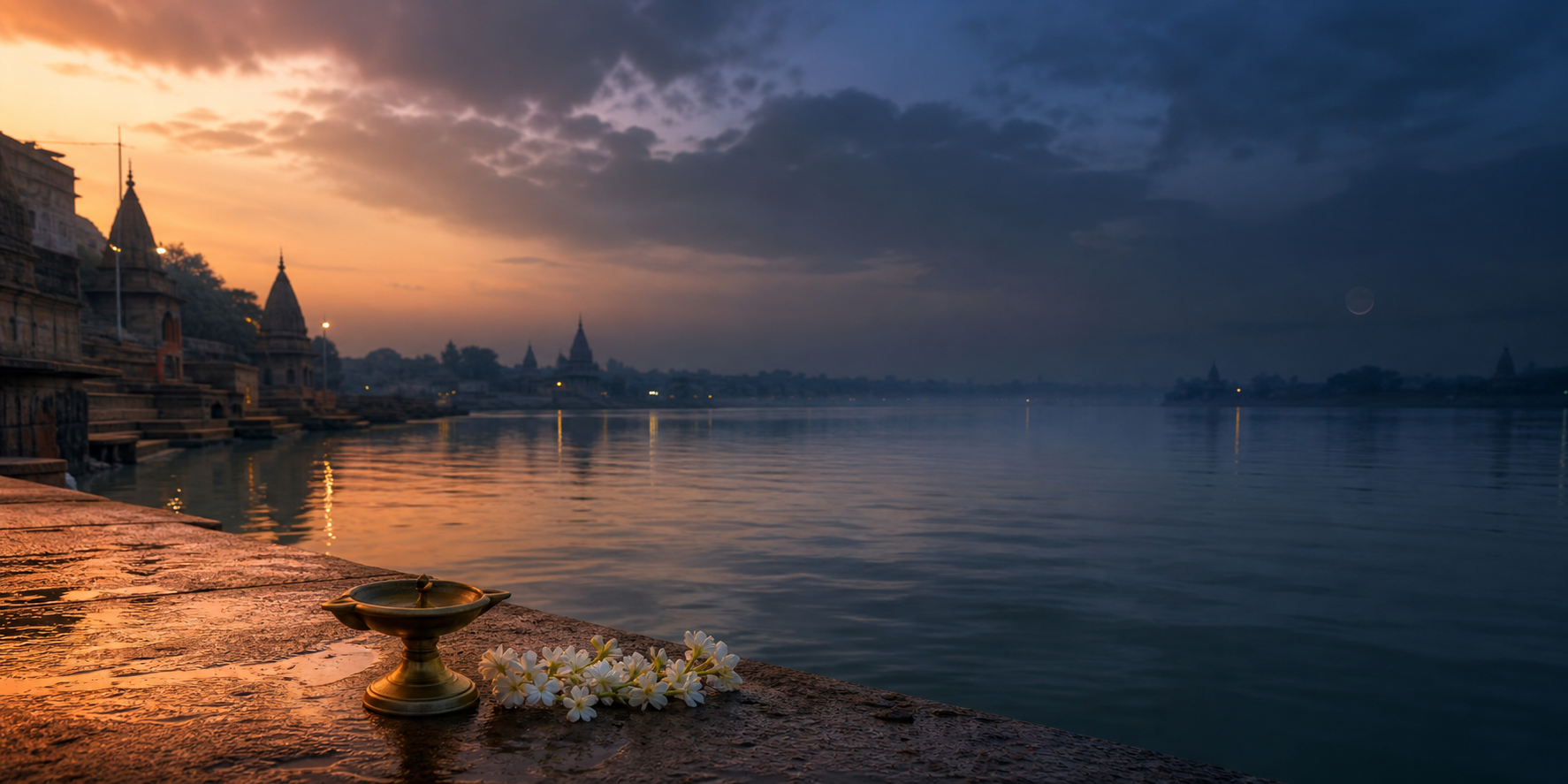
July 13, 2026 is best read as a changeover rather than a day with one unbroken ritual character. The supplied Panchang report places most of the date under Krishna Paksha Chaturdashi, followed in the evening by the beginning of Amavasya.
That distinction helps readers decide what to complete during the day, how to approach the evening, and why precise observance still requires a Panchang calculated for the relevant location.
Key takeaways
- The source reports Krishna Paksha Chaturdashi continuing until 6:01 PM on July 13, after which Amavasya begins.
- Under the same reported calculation, Amavasya continues until 3:37 PM on July 14.
- The earlier phase favors completion, restraint, introspection, and spiritual discipline; the evening transition favors simplicity, prayer, and ancestral remembrance.
- The reported tithi sequence is useful for general planning, but city-specific sunrise and Panchang calculations should guide formal observances.
One civil date contains two lunar phases
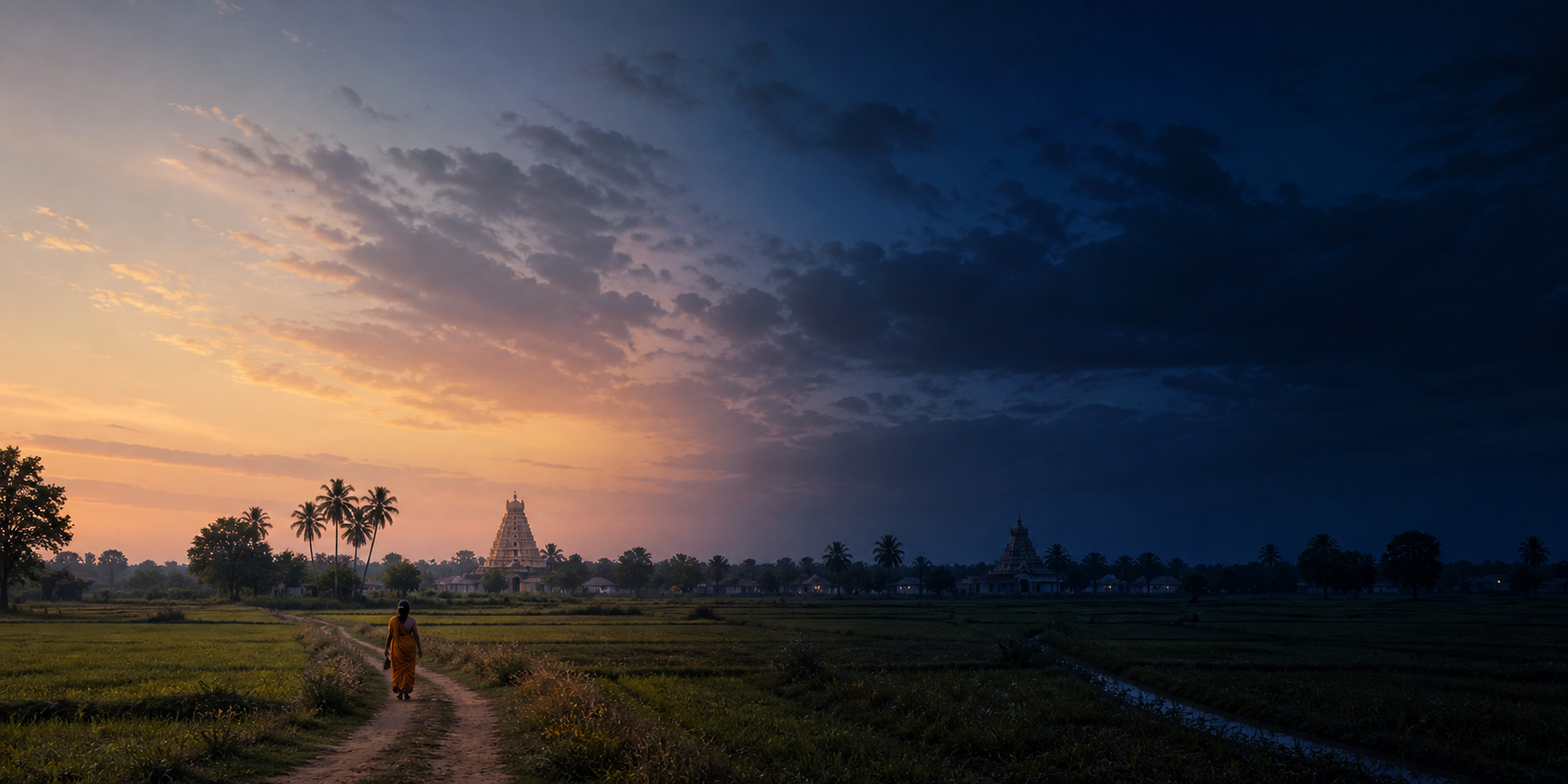
The DharmaRenaissance Panchang article reports that Krishna Paksha Chaturdashi lasts until 6:01 PM on July 13. Amavasya then begins and, where the stated calculation applies, continues until 3:37 PM on July 14. These times should be treated as source-reported Panchang timings rather than universal clock times for every location.
The split occurs because a tithi is not another name for a Gregorian date. A civil date conventionally runs from midnight to midnight, whereas a tithi is determined by the changing angular relationship between the Sun and Moon. It can therefore start or end within a civil day.
This also explains why the tithi present at sunrise may determine some observances while other rites depend on the tithi prevailing during a particular daytime or nighttime interval. Simply seeing both tithi names beside July 13 does not settle every ritual question.
How the day’s emphasis changes at 6:01 PM
Before the reported transition
Krishna Paksha Chaturdashi is the fourteenth tithi of the waning lunar fortnight and immediately precedes Amavasya. The source associates this part of July 13 with restraint, inward attention, completion, and the removal of unnecessary burdens. Suitable expressions may include finishing pending duties, reducing clutter, moderating speech, undertaking japa, worshipping Shiva, or reading a sacred text.
The practical theme is closure. Rather than treating reduced lunar visibility as something fearful, the report frames it as an invitation to simplify conduct and examine what should not be carried into the next cycle.
After the reported transition
After 6:01 PM, the reported tithi changes to Amavasya. The emphasis consequently moves from preparing for the no-moon phase to inhabiting it. The source links this period with prayer, silence, charity, meditation, gratitude toward ancestors, and preparation for family observances on July 14.
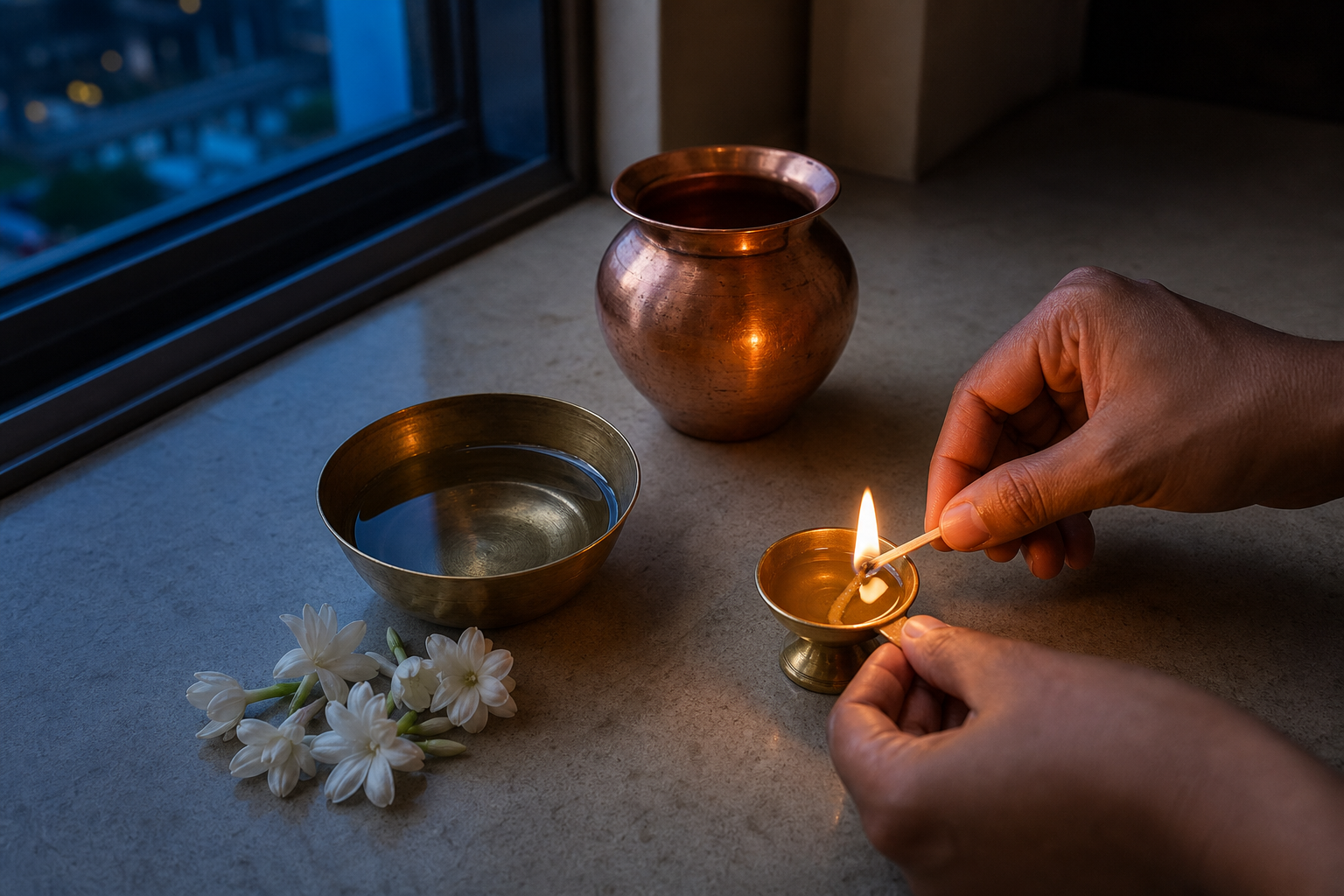
The change need not demand an elaborate ceremony. A quiet lamp offering, respectful remembrance, mantra practice, compassionate speech, or assistance to someone in need can express the day’s orientation when consistent with household tradition.
Match the activity to the character of the time
A Panchang does not reduce an entire date to an absolute label of good or bad. Its practical value lies in matching an activity with the quality and timing of the period. A phase approached cautiously for a major public beginning may still be particularly appropriate for prayer, study, repentance, service, or disciplined reflection.
The source advises caution with weddings, housewarmings, major investments, and ceremonial launches during Krishna Paksha Chaturdashi and Amavasya unless a family priest, temple calendar, or regional Panchang provides a specific basis for proceeding. This is general guidance, not a substitute for an individually calculated muhurta.
For ordinary household planning, July 13 can instead be organized around modest, completion-oriented choices: settle unfinished responsibilities, avoid needless conflict, remember elders, and enter the evening with fewer distractions. Anyone considering a fast should account for health, family custom, and appropriate guidance rather than treating austerity as an end in itself.
Local verification turns a broad guide into a usable Panchang
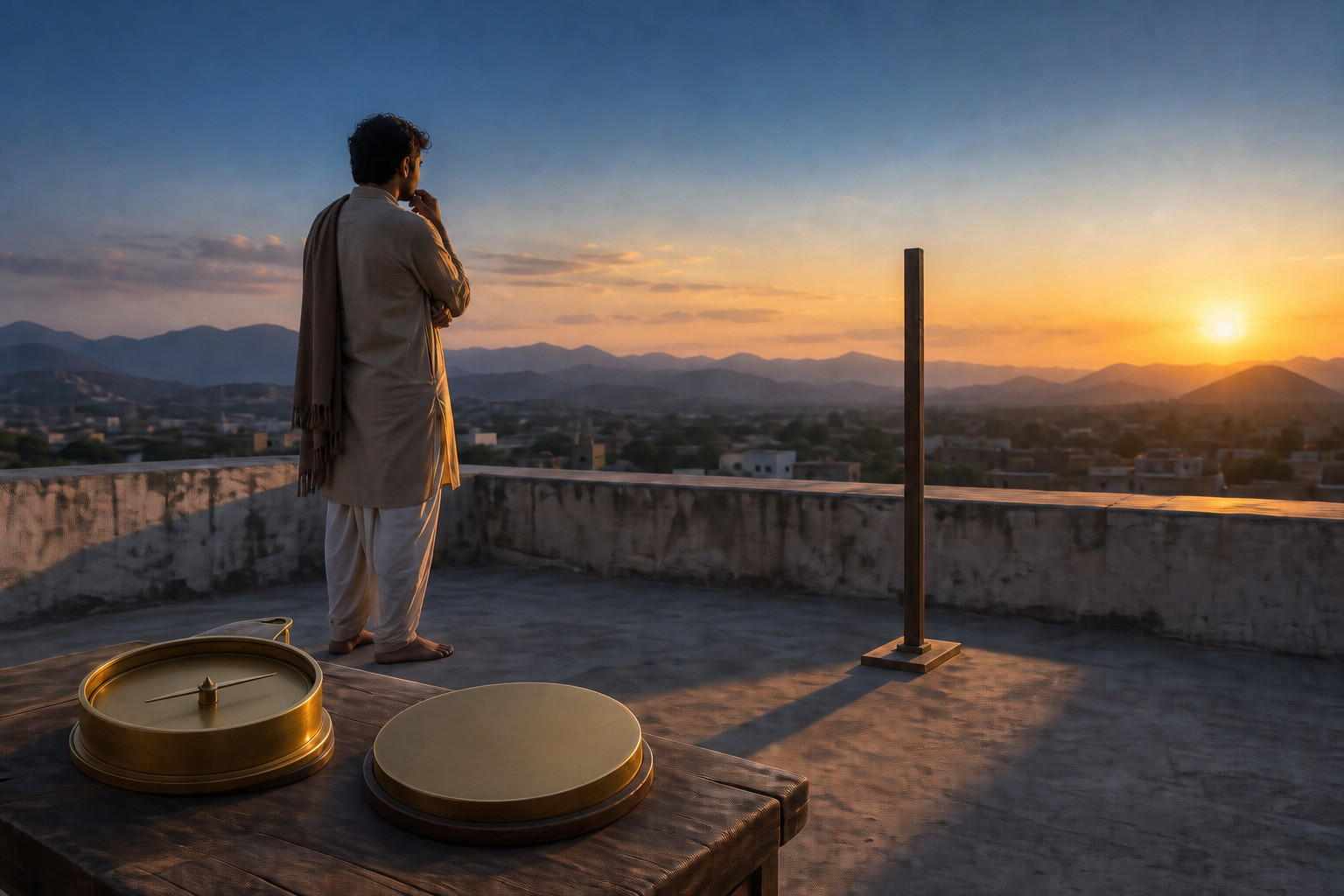
The source does not provide a city for the reported transition times, so readers should not assume that 6:01 PM and 3:37 PM apply unchanged everywhere. Local sunrise, longitude, and the calculation tradition used by a Panchang can affect how a civil date is interpreted for ritual purposes.
Nakshatra, the Moon’s lunar mansion, and Rashi, its sidereal zodiac sign, can add further context, but their July 13 details should be obtained from a local calendar rather than inferred from the tithi alone. The same caution applies to sunrise-based intervals such as Rahu Kaal, Yamaganda, Gulika Kaal, and Abhijit Muhurat; the supplied source names these factors but does not furnish local times for them.
Anyone planning a formal rite should confirm the place of observance, the locally calculated tithi boundaries, the tithi required during the relevant ritual interval, and the convention followed by the family or temple. With those checks in place, July 13 can be approached as a deliberate passage from completion into stillness, while July 14 observances can be prepared with greater clarity.