

Punjab’s terror-era history is often presented as a choice between competing groups of victims. That choice is historically misleading and corrosive to justice. Militant atrocities cannot excuse unlawful state violence, while state abuses cannot erase the people murdered, threatened or displaced by militants.
The record assembled around the film Satluj, formerly titled Punjab ’95, offers a more disciplined way to approach this contested past. It brings together chronology, judicially grounded allegations, political context, cinematic representation and intergenerational grief without requiring any single narrative to stand in for the whole era.
Two records of violence, with different duties attached
The DharmaRenaissance article reports that Khalistani militant organizations carried out sustained violence against Hindu and Sikh civilians, police personnel, journalists, elected representatives and religious figures who opposed them. It also describes grave violations attributed to state agencies during the counterinsurgency, including illegal detention, torture, enforced disappearance, staged encounters and unauthorized cremations.
Remembering both records is not the same as declaring the perpetrators morally or institutionally identical. An armed organization is responsible for the terrorism it commits. A constitutional state has the additional obligation to protect the public, investigate crimes lawfully and preserve avenues of accountability even under severe security pressure. When its agents operate outside the law, the violation includes both the harm done to the victim and the corruption of public authority.
This distinction helps prevent two common distortions. One treats documentation of state abuse as an attempt to rehabilitate militancy. The other treats the threat posed by militancy as a sufficient answer to every allegation against the security apparatus. Neither position adequately serves victims, because each makes one category of suffering conditional on silence about another.
Key takeaways
- Punjab’s terror years cannot be understood through a chronology that begins only with Operation Blue Star or only with the later counterinsurgency.
- The violence of Khalistani militants and unlawful conduct by state personnel belong in the same history, but they require distinct legal and institutional analysis.
- A biographical film can represent a documented injustice while remaining incomplete as an account of the wider conflict.
- Censorship or withdrawal can increase a film’s cultural authority, but suppression does not establish the accuracy of every scene or implication.
- Durable public memory depends on identifying what is alleged, what is documented and what has been judicially determined.
A chronology that resists selective innocence
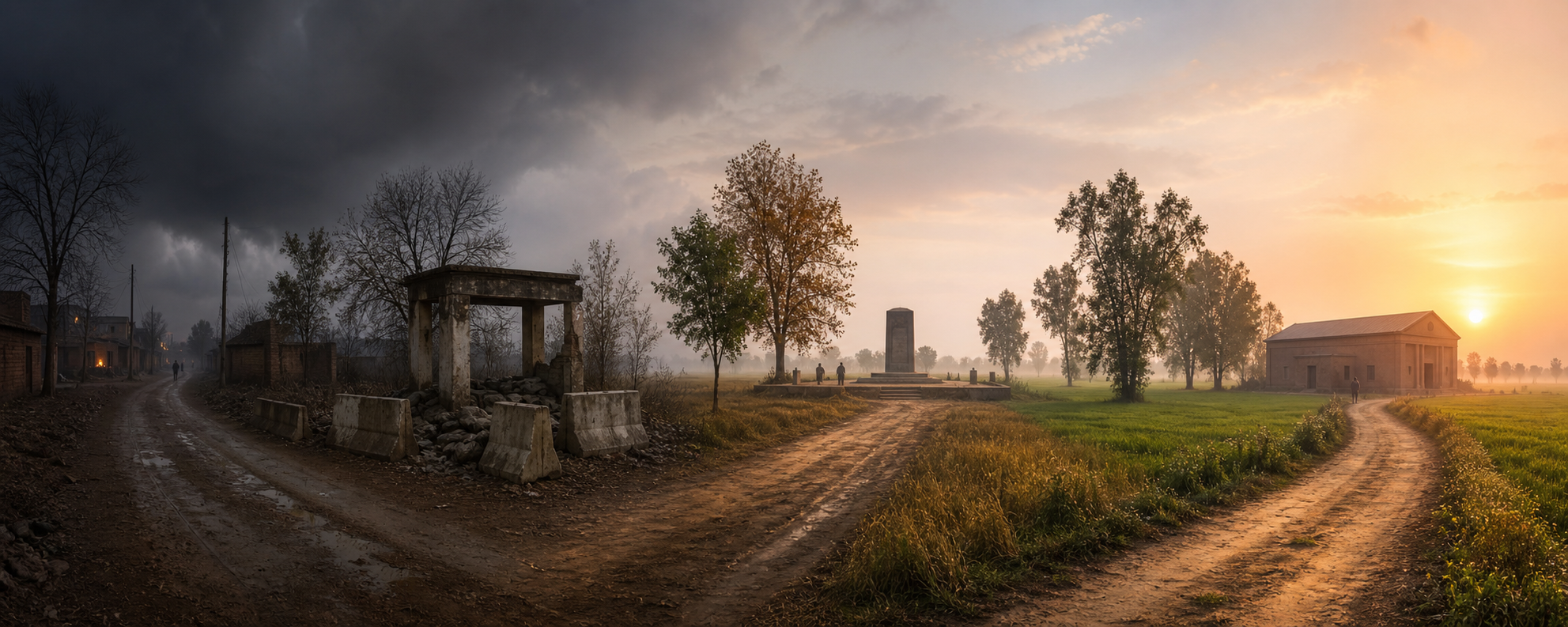
A sound chronology must begin before the best-known events of 1984. According to the source article, Punjab’s crisis developed through an unstable combination of centre-state conflict, electoral competition, religious mobilization and escalating violence. Disputes involving Chandigarh, river waters, linguistic identity and federal authority were not automatically secessionist. The article therefore cautions against collapsing regional demands, including those associated with the Anandpur Sahib Resolution, into the later armed campaign for Khalistan.
The same care is needed when considering the political rise of Jarnail Singh Bhindranwale. The article reports that Congress figures appear to have initially regarded him as a counterweight to the Akali Dal, while accounts differ over the knowledge and roles of particular Congress leaders. Political cultivation and miscalculation are consequently part of the explanation presented, but not an all-purpose cause. Militant choices, Akali politics, state repression, failed negotiations and reported external assistance also shaped the escalation.
Militant violence had already transformed ordinary life before the Army entered the Sri Harmandir Sahib complex. The source identifies the October 1983 killing of Hindu passengers at Dhilwan as an instance in which religious identity was used to select victims. It also reports that Rajya Sabha member and Panjab University professor V. N. Tewari was shot dead during a morning walk on April 3, 1984. These incidents challenge any account in which terrorism appears only as a reaction to the events of June 1984.
Operation Blue Star nevertheless marked a profound rupture. As summarized by the article, armed militants had fortified positions within the complex, creating a genuine security crisis. The Army operation in June 1984, its timing during a major religious observance, civilian and military deaths, and the severe damage to the Akal Takht produced an enduring trauma for Sikhs. The militarization of sacred premises and the devastation caused by the state’s response are not mutually cancelling facts. Together, they help explain why the operation could be defended as a security necessity by some and experienced as an assault on the Panth by many others.
Indira Gandhi’s assassination by two Sikh bodyguards on October 31, 1984, was then followed by mass violence against Sikhs, especially in Delhi. The source cites government figures of 3,325 deaths across India, including 2,733 in Delhi, and notes that the Justice Nanavati Commission and related inquiries examined police failures and evidence concerning individual political leaders. Whatever the culpability of particular offenders, collective punishment of a community for the crimes of two people was indefensible.
This fuller sequence matters because competing narratives often choose a morally convenient starting point. Beginning with Blue Star can obscure preceding assassinations and communal attacks. Beginning with militant violence but stopping before the anti-Sikh massacres can conceal collective retribution and institutional failure. Beginning only with the counterinsurgency can make the security threat disappear. Chronology does not eliminate disagreement, but it prevents later suffering from being used to delete earlier victims.
What Satluj can reveal – and what it cannot settle
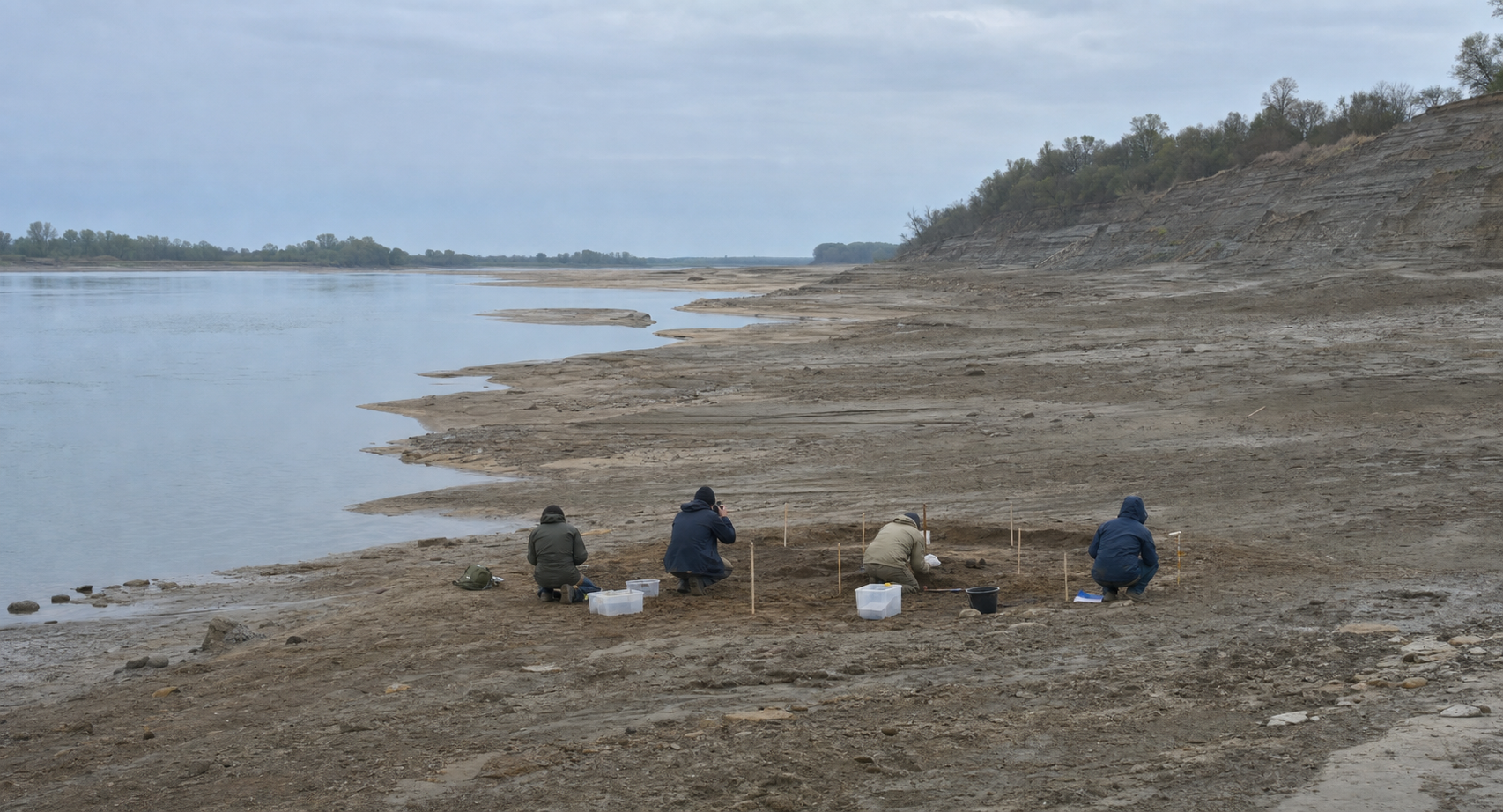
Satluj concentrates on human-rights activist Jaswant Singh Khalra and his investigation of disappeared people through cremation registers and other official records. As described by the source, its emotional centre is the experience of families denied bodies, death certificates and final rites, as well as the intimidation Khalra faced while pursuing evidence. That is a legitimate biographical focus rather than an automatic claim to narrate every cause and consequence of the insurgency.
The difficulty arises when a focused drama is received as a comprehensive historical verdict. Feature films ordinarily build identification through a protagonist, compress time and narrow the viewer’s field of vision. Historical inquiry asks different questions: whether a claim is alleged or adjudicated, whether sources agree, which records survive, what remains uncertain and what the chosen frame leaves outside the story. A film may be substantially truthful about the events it depicts while still producing a seriously incomplete picture of the period around them.
The controversy over the film’s release increased this risk. The article reports that Satluj began streaming on ZEE5 on July 3, 2026, after a prolonged certification dispute, and was removed in India within roughly 48 hours before being withdrawn from international territories. Reports cited in the article said that the Central Board of Film Certification had proposed 127 changes for the theatrical version, while the filmmakers maintained that the digital release was uncut apart from the changed title.
Withdrawal can give a dramatic work the aura of forbidden evidence. The article also relays reporting about screenings in gurdwara compounds and village spaces, where elderly survivors watched alongside people born after the insurgency. Those gatherings show that the subject remains part of living memory. They do not, however, convert cinema into an archive or make official discomfort proof of every dramatic interpretation. Suppression may amplify a work’s influence without resolving its historical claims.
From rival narratives to an evidence-based memory
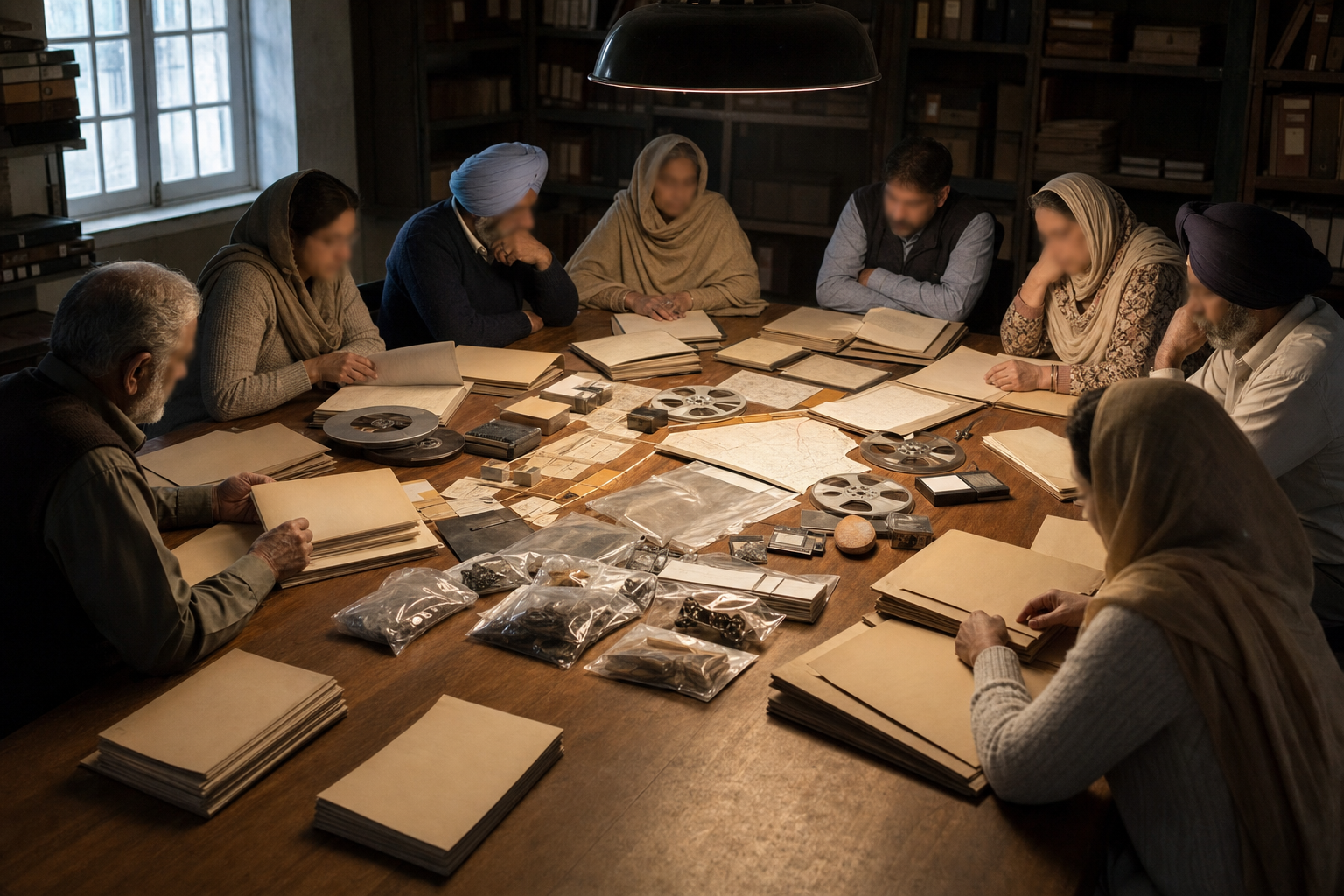
A fair public account should organize evidence by the claim being made. Court findings and official records are central when responsibility has been legally examined. Parliamentary material, inquiry reports, administrative registers, contemporary journalism and academic research can establish context or corroboration, but their purposes and evidentiary weight differ. Testimony preserves experiences that institutions may have ignored, while still requiring careful attribution when it concerns disputed responsibility.
This approach also clarifies what incompleteness means. The absence of militant victims from a Khalra biopic does not by itself disprove the events presented in the film. Yet reviews, educational discussions and public screenings should not allow that narrow frame to become the default history of Punjab. Conversely, adding the record of militant atrocities cannot be used as a rhetorical preface that makes disappearances, torture or unauthorized cremations unworthy of investigation.
Responsible commemoration would therefore connect names and experiences to dates, organizations, institutions and the status of available evidence. It would distinguish political autonomy arguments from separatist violence, security necessity from unlawful methods, and communal identity from individual culpability. Most importantly, it would resist making recognition scarce: justice for one victim does not require historical amnesia about another.
Punjab’s next generation will encounter this history through films, family memory, political rhetoric and surviving records. The constructive task is not to authorize one final story, but to build a public culture in which every serious claim can be examined and no category of victim must disappear for another to be seen.