
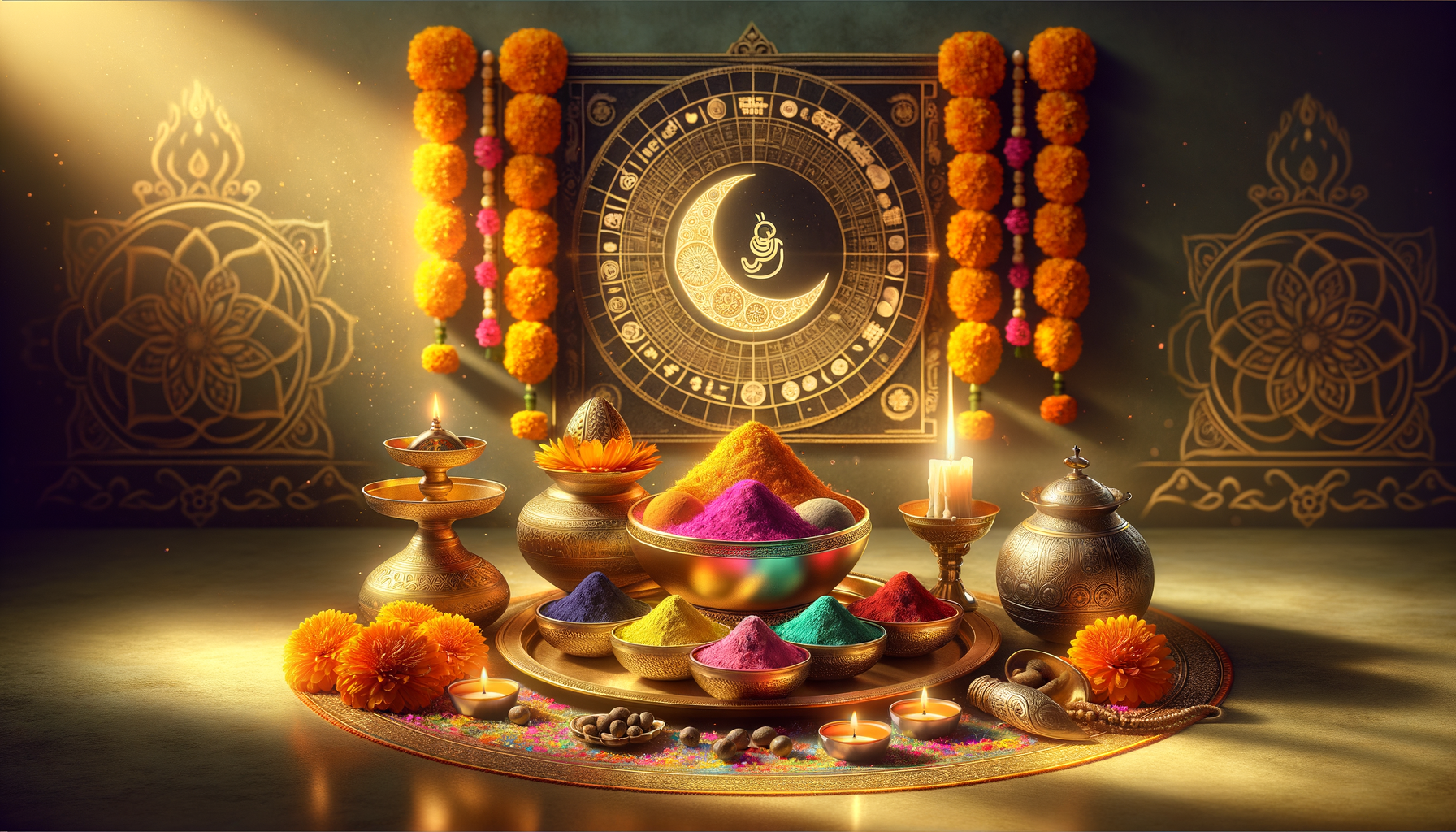
March 2026 is rich with Hindu festivals and auspicious days, aligning with the transition from Falgun/Fālgun to Chaitra in the Hindu calendar. In Purnimant systems used across much of North India, March spans late Falgun into early Chaitra, while in Amavasyant systems followed in Marathi and Gujarati traditions, March similarly bridges Phalgun Mahina and Chaitra Mahina. This overlap offers a coherent seasonal arc of completion and renewal that communities recognize through Tithi-based observances guided by the Panchang and the rhythms of Shukla Paksha and Krishna Paksha.
A central highlight commonly falling in March is Holi, celebrated on Phalgun Purnima. Known for its joyful colors, communal harmony, kirtan, and bhajans, Holi underscores the inclusive spirit of dharmic life by affirming the victory of truth and the restoration of balance. Families often complement the festivities with prayers, charity, and shared meals, cultivating bonds that resonate with core values also honored in Buddhism, Jainism, and Sikhismcompassion, self-restraint, and collective well-being.
Alongside Holi, the month features recurring vrata and upavas traditions that devotees plan using the Panchang. These typically include Amavasya observances for ancestral remembrance and inward reflection; Ekadashi fasts in both Krishna Paksha and Shukla Paksha for sattvic discipline and clarity; Pradosh Vrat honoring Shiva’s grace during twilight; Sankashti Chaturthi dedicated to Ganesha’s guidance in removing obstacles; and, where applicable, Masik Shivratri for meditative devotion. As Falgun gives way to Chaitra, households often begin preparing for the spiritual freshness of the new month, focusing on cleansing rituals, saṃskāras, and renewed sankalpa.
Regional diversity enriches these observances. In Purnimant regions, Falgun culminates on Purnima with celebratory practices that seamlessly usher in Chaitra, while Amavasyant regions structure the month around the New Moon. Temples and home altars reflect this cadence: offerings, japa, and satsang emphasize gratitude for the cycle concluding in Falgun and readiness for Chaitra’s beginnings. Despite calendrical variations, the shared intentioninner renewal expressed through dharmaremains consistent.
Communities across dharmic traditions can draw inspiration from this seasonal passage. Many families find that practicing dana-seva, engaging in eco-conscious celebrations, and hosting inclusive gatherings encourages unity and mutual respect. Springtime ritualswhether color play, mindful fasting, or reflective studycreate an emotional resonance that strengthens social cohesion and honors the plural pathways of the broader dharmic family.
For practical planning, consulting a reliable regional Panchang is recommended, as Tithi timings vary by location and time zone. Local temples typically publish schedules for vrats and special pujas, and diaspora communities may account for daylight saving changes. With these resources, devotees can align household observances with precise muhurat, ensuring that March 2026’s Hindu festivals are observed with accuracy, authenticity, and shared purpose.
Overall, March 2026 serves as a graceful bridge from the fulfillment of Falgun to the fresh promise of Chaitra. By honoring Holi, Ekadashi, Amavasya, Pradosh, and other observances with sincerity and inclusivity, communities cultivate both personal uplift and collective harmonyan enduring expression of Sanatana Dharma’s unity within diversity.
Inspired by this post on Hindu Pad.
