
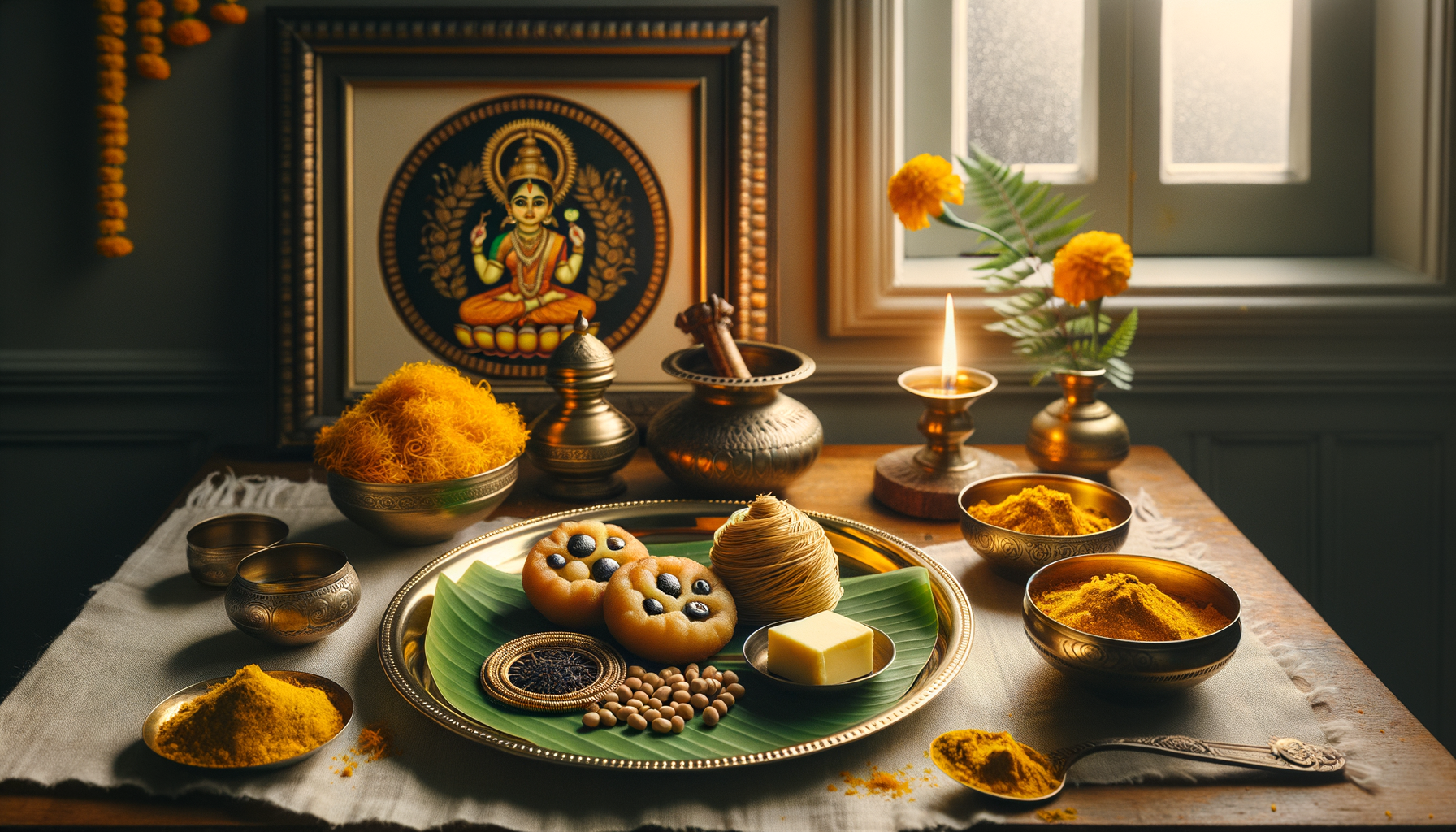
Karadaiyan Nombualso known as Karadayan Vritham or Karadayan Savitri Vrithamis a Tamil festival dedicated to Goddess Shakti, venerated as Kamakshi. In 2026, Karadaiyan Nombu falls on 14 March, with the most auspicious time in India for breaking the fast and wearing the sacred thread observed between 7:30 PM and 8:30 PM. This window aligns with the traditional transition from Maasi Masam to Panguni, a liminal moment considered spiritually potent for vows (vratas) and blessings.
Widely observed in Tamil households, the vrata centers on well-being, marital harmony, and family prosperity. The practice draws on the Savitri–Satyavan narrative, symbolizing steadfast resolve, devotion, and the triumph of dharma. During the muhurat, devotees honor Goddess Kamakshi, offer the customary prasadam, and tie the sacred yellow thread (nombu thread) as a solemn pledge to uphold virtue and familial bonds. The ritual emphasis on intention and ethical living reflects core values cherished across dharmic traditions.
Ritual observances typically include preparing karadaisteamed adai made with rice flour and karamani (black-eyed peas)in both sweet and savory forms, traditionally offered with butter. A simple domestic puja may be performed by lighting a lamp, arranging turmeric and kumkum, and offering naivedyam to Goddess Shakti. Many choose to recite brief prayers to Devi, meditate on gratitude, and then, during the prescribed muhurat, tie the sacred thread before breaking the fast. Some households also encourage unmarried participants to perform the vrata as a prayer for wisdom, stability, and supportive companionship in life.
Timing remains central to Karadaiyan Nombu observance. For 2026 in India, the recommended muhurat for the sacred thread and breaking the fast is 7:30 PM to 8:30 PM on 14 March. Outside India, local observance should be aligned with the Maasi–Panguni junction using a reliable regional panchang. When in doubt, families typically prioritize the exact transitional window associated with the vrata in their locality to preserve ritual integrity.
The symbolic heart of Karadayan Vritham is the convergence of austerity (upavasa), intention (sankalpa), and service (seva). The sacred thread signifies an inward commitment to fidelity, compassion, and resilience, while the offering of karadai evokes gratitude for sustenance and community. These themesvows, mindful living, and the pursuit of well-beingresonate across Hinduism, Buddhism, Jainism, and Sikhism, reinforcing interrelated dharmic values and the shared aspiration for harmony within families and society.
Practical preparation enhances the experience: planning satvik ingredients for karadai, arranging a clean altar space, and setting aside quiet time for prayer can help households maintain focus and serenity. Those unable to undertake a complete fast may adopt a moderated observance with fruits or light offerings, emphasizing sincerity over strictness. In many homes, the aroma of freshly steamed karadai and the gentle glow of the lamp become enduring cultural memories, connecting generations to a living tradition that blends devotion, ethics, and togetherness.
Inspired by this post on Hindu Pad.
