
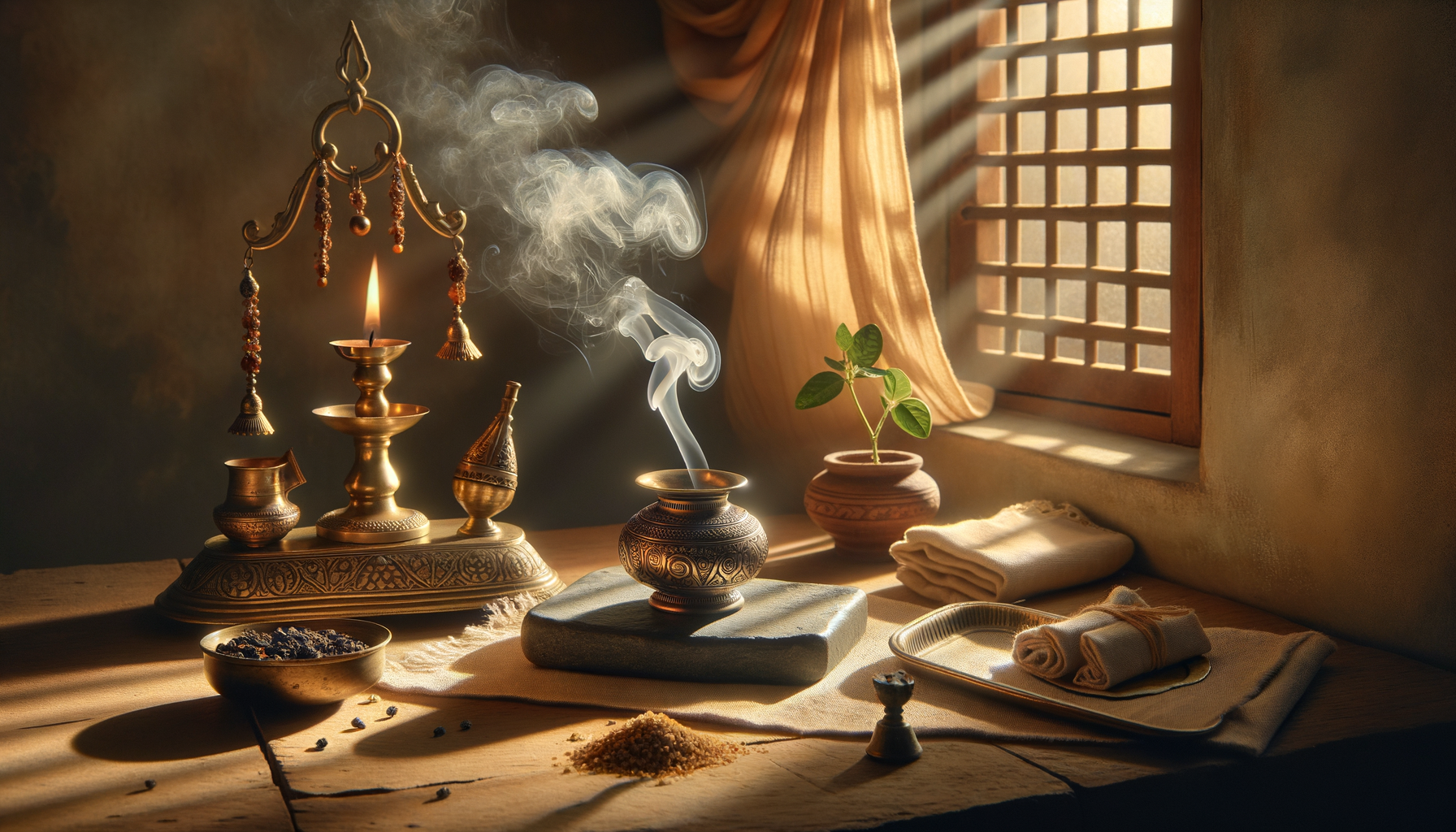
Sambrani dhoop has deep roots in ancient India, where fragrant resins were offered as incense in temples, monasteries, and homes to sanctify space and focus the mind. The term “Sambrani” commonly refers to aromatic resinstraditionally associated with the Sal Tree and related benzoin-type resinswhile “Dhoop” denotes incense. Across generations, this gentle smoke has signified purity, presence, and the beginning of sacred time.
Historically, Sambrani dhoop featured in daily puja, festival rites, and life-cycle rituals, reflecting a shared civilizational ethos. Its use harmonizes with the contemplative disciplines found across Hinduism, Buddhism, Jainism, and Sikhism, where fragrance marks transitions from the ordinary to the sacred and supports attention, devotion, and reflection.
Beyond ritual symbolism, Sambrani dhoop is valued for practical and experiential benefits. Many households light it after cleaning a room to refresh the atmosphere, noting its warm, resinous aroma that reduces musty odors and fosters calm. In meditative settings, the steady plume of smoke provides a gentle visual anchor, aiding one-pointedness and quiet breathing.
Ayurvedic perspectives often describe aromatic resins as clarifying and purifying for the environment, especially when used with moderation and ventilation. The warmth of the fragrance is perceived as grounding during early mornings and evenings, helping ease restlessness and promoting a sense of composure before prayer, study, or sleep.
Cultural memories reinforce these practices: in many regions, elders recall the soft crackle of Sambrani on embers as a sign that the home was prepared for prayer, guests, or a child’s study time. In parts of South India, Sambrani has traditionally accompanied post-bath routines and postpartum care rituals, where the comforting scent signaled cleanliness, warmth, and attentiveness to well-being.
In contemporary homes, Sambrani dhoop remains simple to use. A small charcoal ember or a ready-made cup is lit, and a few granules of the resin are sprinkled to release fragrance gradually. Safety and comfort are essential: place the burner on a heat-safe surface, keep it away from curtains and children, ensure cross-ventilation, and use modest quantities to maintain a gentle, pleasing aroma.
Its continuing importance lies in the way a familiar scent can unify time, intention, and community. Whether accompanying a morning mantra, an evening reflection, or a quiet moment before work, Sambrani dhoop connects daily life to timeless practice. By honoring this shared heritage across dharmic traditions, households cultivate spaces that are serene, respectful, and conducive to mindful living.
Inspired by this post on Hindu Pad.
