
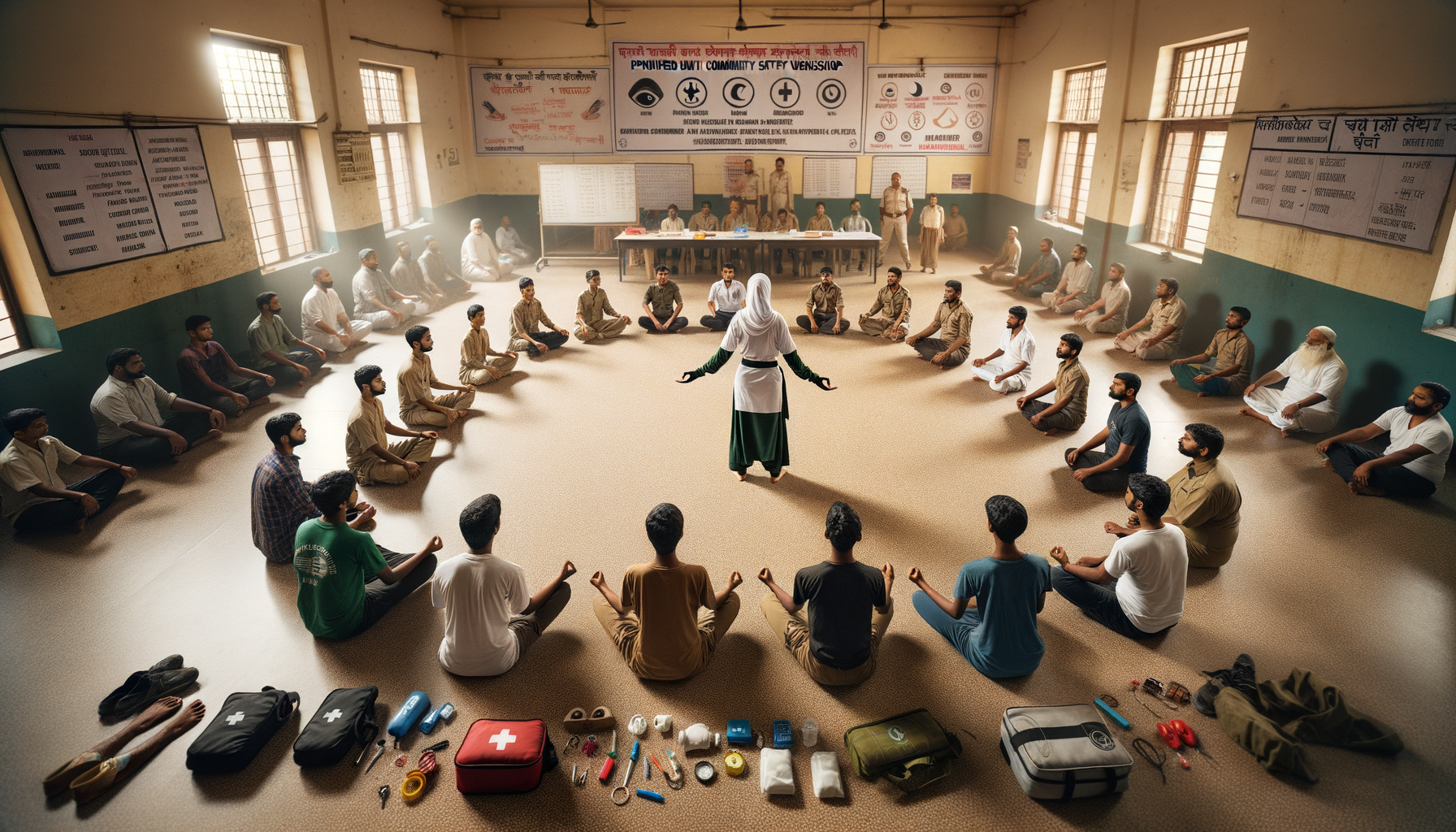
At a community programme in Akola, Hindu Janajagruti Samiti (HJS) volunteers underscored the urgent need for structured self-defence training in response to growing social challenges. Speaking at the event, Amol Wankhade emphasized that systematic, age-appropriate instruction can strengthen community safety, reduce vulnerability, and instill confidence among youth. The discussion maintained an academic focus on prevention, preparedness, and ethical conduct, aligning practical training with civic responsibility.
The gathering drew a strong and unified response: students and parents called for regular self-defence classes integrated into school and community schedules. Their demand reflected a shared priorityensuring safe commutes, secure campuses, and a proactive approach to everyday risks. This consensus highlights a pragmatic pathway for Akola and wider Maharashtra to enhance resilience through education and skill-building rooted in discipline and non-violence.
Contextually, self-defence training was framed as more than physical techniques. Participants and speakers stressed situational awareness, de-escalation strategies, and basic legal awareness as essential components of community safety. Such a curriculum can be inclusive across dharmic traditionsHindu, Buddhist, Jain, and Sikhby emphasizing shared values of responsibility, compassion, and the principle of protecting oneself and others without aggression.
From a practical standpoint, an evidence-based model was proposed: credentialed instructors, age-specific modules, and consistent schedules hosted at schools, temples, and community centres. Suggested content included confidence-building drills, bystander intervention, boundary-setting, emergency response basics, and clear guidance on when and how to seek institutional or legal support. This approach aligns self-defence training with education outcomes, youth empowerment, and community cohesion.
Parents voiced that regularity and accessibility would be decisiveweekly classes, transparent safety standards, and pathways for both girls and boys to participate. Students highlighted the value of learning in peer groups, noting that shared practice fosters trust, quick decision-making, and mutual support. Together, these perspectives reinforce the case for a sustainable training calendar backed by local institutions.
As a forward step, the programme suggested launching pilot batches in Akola to refine the model through feedback and outcome tracking. Clear success metricsattendance, confidence gains, and improved situational awarenesscan guide scale-up across Maharashtra. In sum, the event illustrated a broad community consensus: inclusive, ethically grounded self-defence training is a timely educational investment that strengthens safety, dignity, and unity across dharmic communities.
Inspired by this post on Hindu Jagruti Samiti.
