

When your body no longer does what it once did, the hardest question is often not “Will I recover?” but “What should I do today without making tomorrow worse?” The answer is rarely heroic effort. It is a careful practice of rebuilding capacity, noticing consequences, and adjusting without treating every difficult day as defeat.
You need a recovery plan that can survive pain, fatigue, uncertainty, and changing function. Rehabilitation science supplies the mechanics. Dharmic traditions supply an ethical posture: disciplined effort without violence toward yourself, acceptance without passivity, and purpose that is larger than physical performance.
Define recovery by participation, not by returning to the past
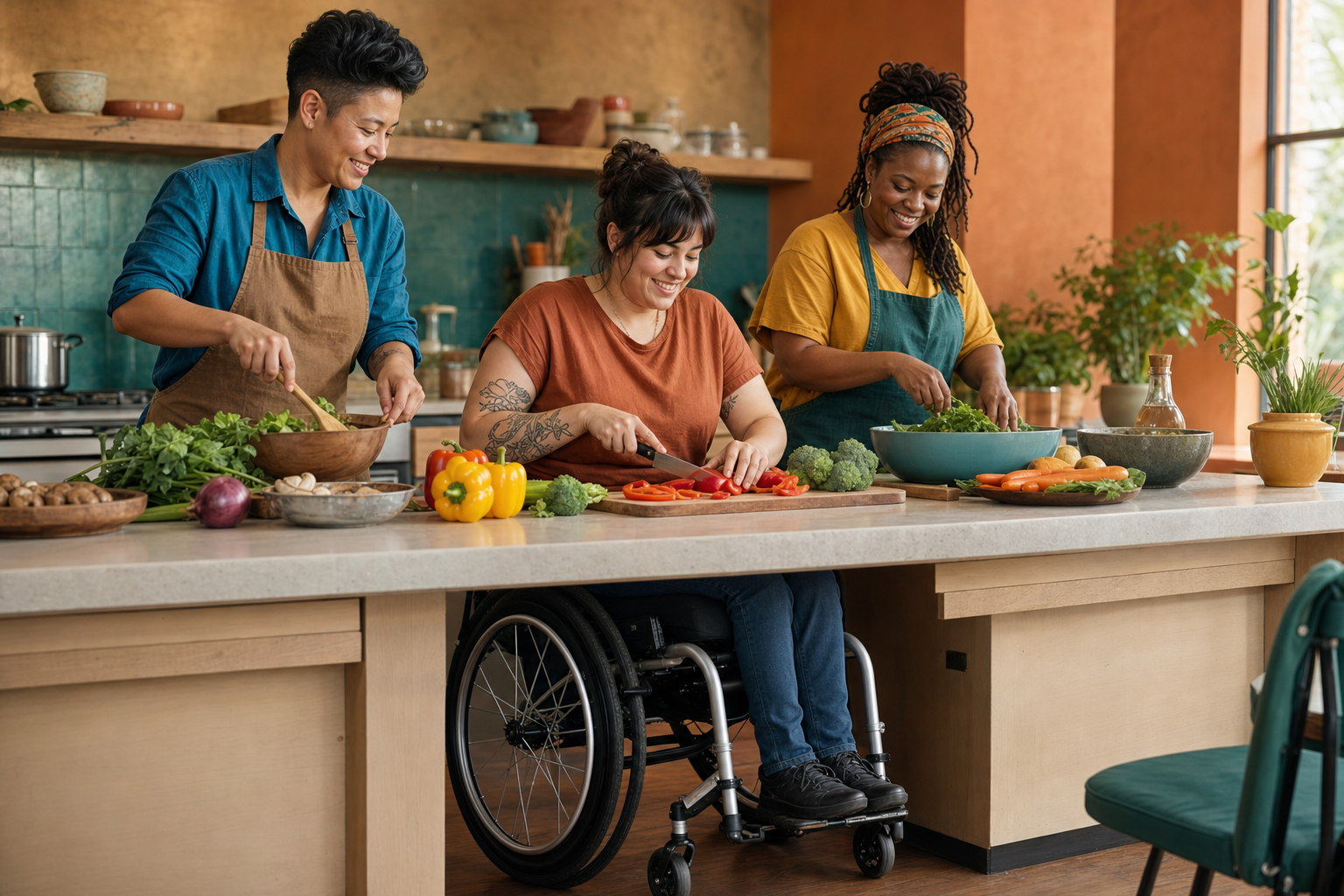
Recovery becomes punishing when it has only one acceptable outcome: getting your former body back. Some functions may return fully. Some may return partly, slowly, or in a different form. Some impairments may remain. Disability is not a moral failure, and resilience is not proved by becoming indistinguishable from a nondisabled person.
A more workable question is: What meaningful activity do I want greater access to, and what capacity would make it easier or safer? That turns an overwhelming wish into something your rehabilitation team can assess and train.
- “I want my life back” can become “I want enough balance and endurance to prepare a simple meal.”
- “I need to walk normally” can become “I want to move from the bedroom to the bathroom safely, using the aid that gives me the most independence.”
- “I must stop being tired” can become “I want to complete one necessary morning task without losing the rest of the day to exhaustion.”
- “I want to be strong again” can become “I want to transfer, reach, carry, push, stand, or propel with less assistance.”
This is not lowering your aspirations. It is giving each aspiration a trainable form. A wheelchair, brace, cane, adapted tool, or helping hand may be a temporary bridge, a permanent resource, or both. Judge an aid by whether it increases safe participation, not by whether it resembles your previous way of moving.
Choose one participation goal for the next phase of recovery. Write down the exact task, the help you currently need, and the part that limits you most. The limiting factor may be strength, balance, coordination, pain, breathlessness, fear, attention, or energy. Different limits require different training; “try harder” is not a treatment plan.
Build a rehabilitation plan that is small enough to repeat

Bodies adapt to the demands they repeatedly encounter. Movement practice refines neural pathways. Appropriate loading gives muscles and connective tissues a reason to adapt. This is why task-specific practice and progressive overload matter – and why occasional bursts of exhausting activity are a poor substitute for a repeatable plan.
Start with the right clinical partners. Depending on your condition, that may include a physiatrist, surgeon or other treating physician, physical therapist, occupational therapist, and relevant rehabilitation specialists. A physical therapist can work on movement, strength, balance, and gait. An occupational therapist can help translate capacity into daily tasks, energy management, and adaptive strategies. Your surgical history, cardiac or renal conditions, medications, wounds, and current precautions must shape the plan.
Ask your team four direct questions:
- What am I training? Name the function, not merely the exercise. A sit-to-stand drill may train transfers; repeated reaching may train dressing or kitchen access.
- What is the safe starting dose? Agree on the movement, resistance, support, range, and amount that fit your present capacity.
- What response is acceptable? Ask what discomfort or fatigue is expected during practice, what should settle afterward, and what means you should stop.
- What earns progression? Add repetitions, resistance, range, speed, complexity, or reduced assistance only when your clinician’s criteria are met. Do not increase every variable at once.
Small, frequent practice is often easier to learn from than sporadic intensity. It gives you more chances to rehearse the exact pattern and fewer chances to confuse exhaustion with progress. If fatigue is high, reduce the volume while preserving a safe version of the routine. A brief supported practice may maintain continuity better than alternating between overexertion and complete abandonment.
Keep a simple recovery record. Note the task, assistance used, effort during the task, symptoms afterward, and later effect on sleep or function. The point is not to produce perfect data. It is to detect patterns: which dose is repeatable, which activity creates a delayed cost, and which adaptation lets you participate more safely.
Recovery may involve relearning movement after surgery, prolonged illness, or coma. Improvement in that setting can be quiet: steadier balance, less assistance, a cleaner movement pattern, or a shorter recovery period after practice. Record those changes. If you measure success only by dramatic milestones, you may miss the evidence needed to refine your plan.
Replace the push-through-pain rule with calibrated effort
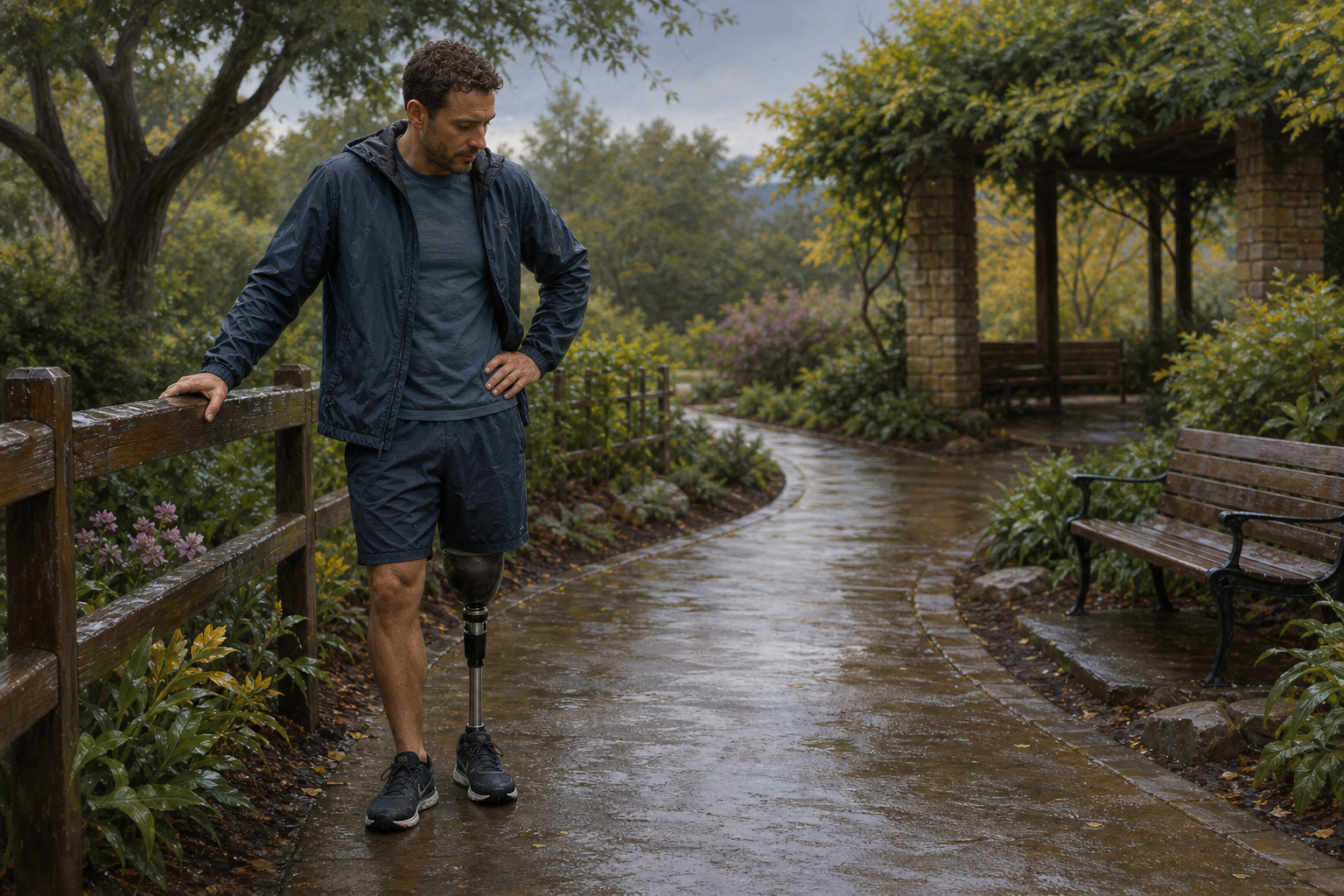
Resilience is often confused with ignoring pain. That confusion can turn rehabilitation into self-punishment. Pain is real, but it is not a perfectly precise measure of tissue damage. At the same time, not every painful response is safe to push through. The useful skill is not toughness at any cost; it is learning which signals are expected, which require an adjustment, and which require medical assessment.
Before beginning a movement plan, ask your clinician to help you create three signal categories:
- Continue: sensations your team considers compatible with the prescribed activity, provided your movement remains controlled.
- Modify: a response that calls for less resistance, fewer repetitions, more support, a smaller range, a different position, or a longer rest.
- Stop and seek help: a new or rapidly worsening symptom, loss of function, or other response your team has identified as unsafe.
Sudden or worsening weakness, new loss of bladder or bowel control, chest pain, serious difficulty breathing, uncontrolled bleeding, or signs of a wound infection should not be reframed as a resilience test. Seek urgent professional assessment. Your treating team should also give you condition-specific red flags, because the safe threshold after abdominal surgery may differ from the threshold for a neurological, cardiac, renal, or musculoskeletal condition.
Scars need the same clear-eyed approach. A scar records tissue repair, but internal scar tissue and adhesions can also restrict movement or cause complications. Do not forcefully stretch or manipulate a surgical area on your own. Ask a qualified clinician whether mobility work is appropriate, which tissue has healed sufficiently, and what range or load is safe.
Pacing is not surrender. It is the deliberate matching of activity to available capacity. Think of your day as an energy envelope shared by rehabilitation, personal care, work, family responsibilities, and rest. If therapy consumes everything, the plan may be too costly to sustain. If fear eliminates every meaningful challenge, there may be too little stimulus for adaptation. Your record can help the team find the middle: enough demand to train the system, with enough recovery to return and practise again.
Nutrition and sleep belong in this calibration. Tissue repair, motor learning, and hormonal regulation all depend on adequate rest and nourishment. A plant-forward diet can contribute fibre, phytonutrients, and minerals, but it does not automatically cover every recovery need. After major blood loss or prolonged illness, ask a medical professional to assess protein adequacy, hydration, iron, vitamin B12, and any needs specific to your condition.
Herbs and other integrative practices should be screened for interactions and contraindications, especially when you have renal, cardiac, gastrointestinal, or complex surgical history. Evidence differs considerably across modalities. Yoga, herbalism, chiropractic care, and somatic practices must not replace necessary medical or rehabilitation treatment. The safe question is not “Is this natural?” but “Is this appropriate for my diagnosis, medications, anatomy, and current phase of healing?”
Use nervous-system regulation and Dharma as practical supports
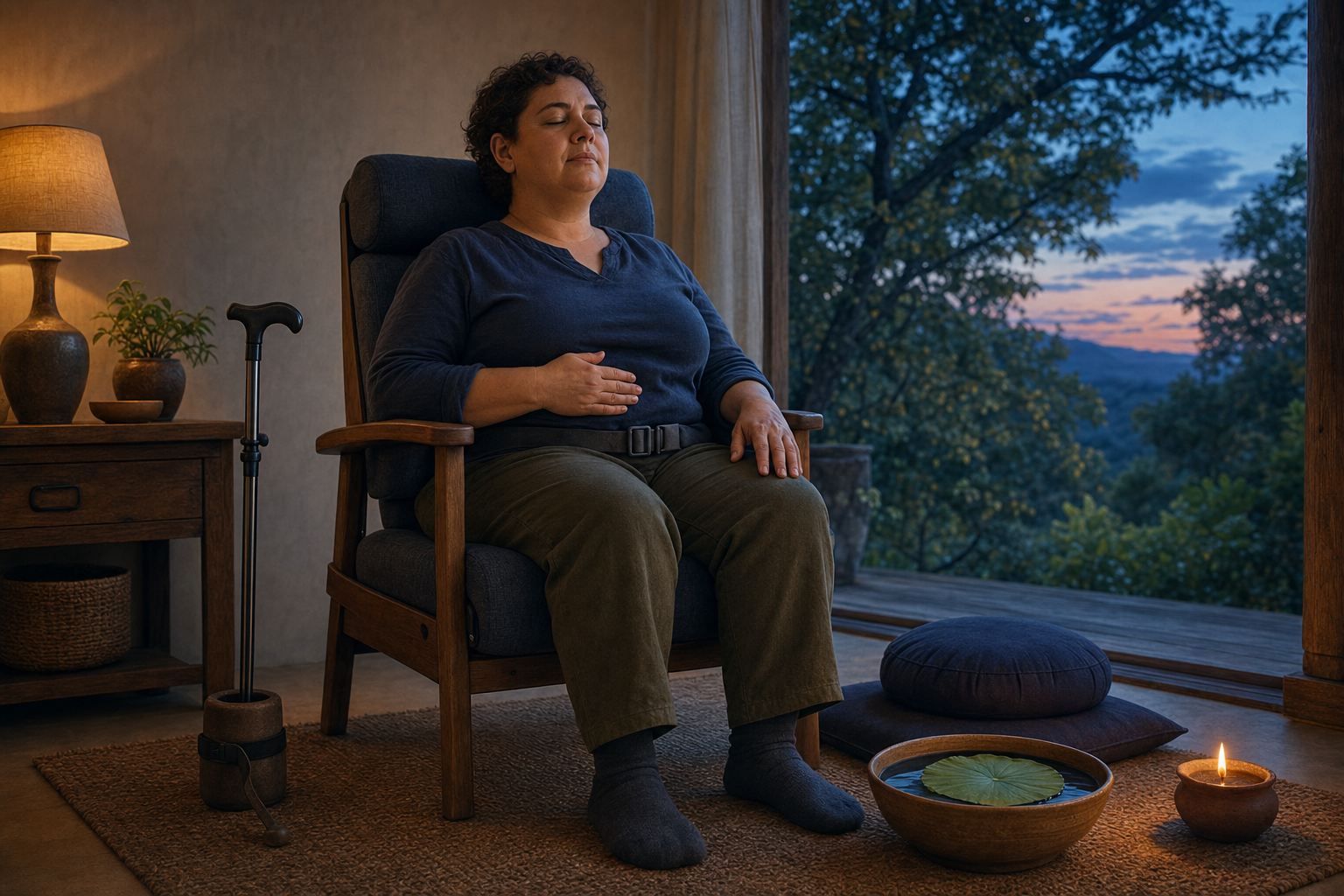
The mind-body connection need not be mystical to be meaningful. Repeated movement can refine motor pathways. Mechanical load can influence tissue adaptation. Attention changes what you notice. Fear can increase guarding, while a sense of safety may make controlled practice easier. None of this means that symptoms are imaginary or that calm thoughts can cure structural disease.
A short regulation practice can help you arrive at rehabilitation with less unnecessary tension. If slow breathing is medically appropriate for you, try gentle diaphragmatic breathing at approximately four to six breaths per minute. Keep the breath comfortable rather than deep or forced. Stop if you become dizzy, breathless, distressed, or symptomatic. People with relevant cardiac, pulmonary, neurological, or postsurgical concerns should ask their clinician whether this pace or any pranayama practice is suitable.
You can pair breathing with a brief body check:
- Notice where your body is supported by the chair, bed, floor, brace, or mobility aid.
- Name the strongest sensation without immediately calling it good or bad.
- Identify one area that can soften without compromising stability.
- State the exact task you are about to practise.
- Begin with the smallest prescribed version and observe the response.
Dharmic principles can give this routine moral clarity. The traditions of Hinduism, Buddhism, Jainism, and Sikhism are distinct and should not be collapsed into one system, yet several teachings offer complementary ways to meet a long recovery.
- Ahimsa, non-harming: Refuse the idea that injuring or humiliating yourself proves commitment. Use the aid, adaptation, rest, or professional help that lets you train safely.
- Tapas, disciplined effort: Keep the modest appointment with practice even when the session is not impressive. Discipline is consistency shaped by wisdom, not punishment disguised as determination.
- Maitri and karuna, friendliness and compassion: Speak to yourself in a way that supports accurate learning. “This response means I should adjust” is more useful than “My body has failed again.”
- Aparigraha, non-grasping: Do not make yesterday’s capacity the only standard by which today’s body is allowed to have value. Release comparison long enough to see what this body can train now.
- Simran and seva, remembrance and service: Let remembrance steady attention, and let service preserve purpose. Receiving care can also be part of a life of service; dependence in one activity does not erase your ability to contribute in another.
Acceptance in this framework does not mean liking pain, abandoning treatment, or denying injustice and inaccessible environments. It means seeing present conditions clearly enough to choose the next sound action. You can accept that today’s capacity is limited while still working to expand it. You can grieve a lost function without turning grief into a verdict on your worth.
Purpose also protects recovery from becoming an endless project of bodily correction. Choose a form of participation that matters now: prayer, study, family presence, creative work, community life, advocacy, or seva. Rehabilitation should serve your life. Your life should not have to wait outside until rehabilitation is complete.
Key takeaways for your next recovery decision
- Define one meaningful activity you want to access, then identify the specific capacity limiting it.
- Build the plan with clinicians who understand your diagnosis, surgical history, medications, precautions, and daily environment.
- Practise the exact function in a dose small enough to repeat; progress one variable at a time.
- Agree in advance on which symptoms mean continue, modify, stop, or seek urgent assessment.
- Track the later cost of activity as well as performance during it. A plan that repeatedly erases the rest of your day may need adjustment.
- Use breathing, mindfulness, yoga, nutrition, or other complementary practices only in forms appropriate to your medical circumstances.
- Let ahimsa govern safety, tapas govern consistency, compassion govern self-talk, and non-grasping loosen comparison with your former body.
- Measure recovery by safer and more meaningful participation, not only by the disappearance of disability.
For your next appointment, take one task that matters, your recent response pattern, and three questions: what should you practise, what should you modify, and what should make you stop. That is enough to turn resilience from an inspiring idea into a safer daily method.