
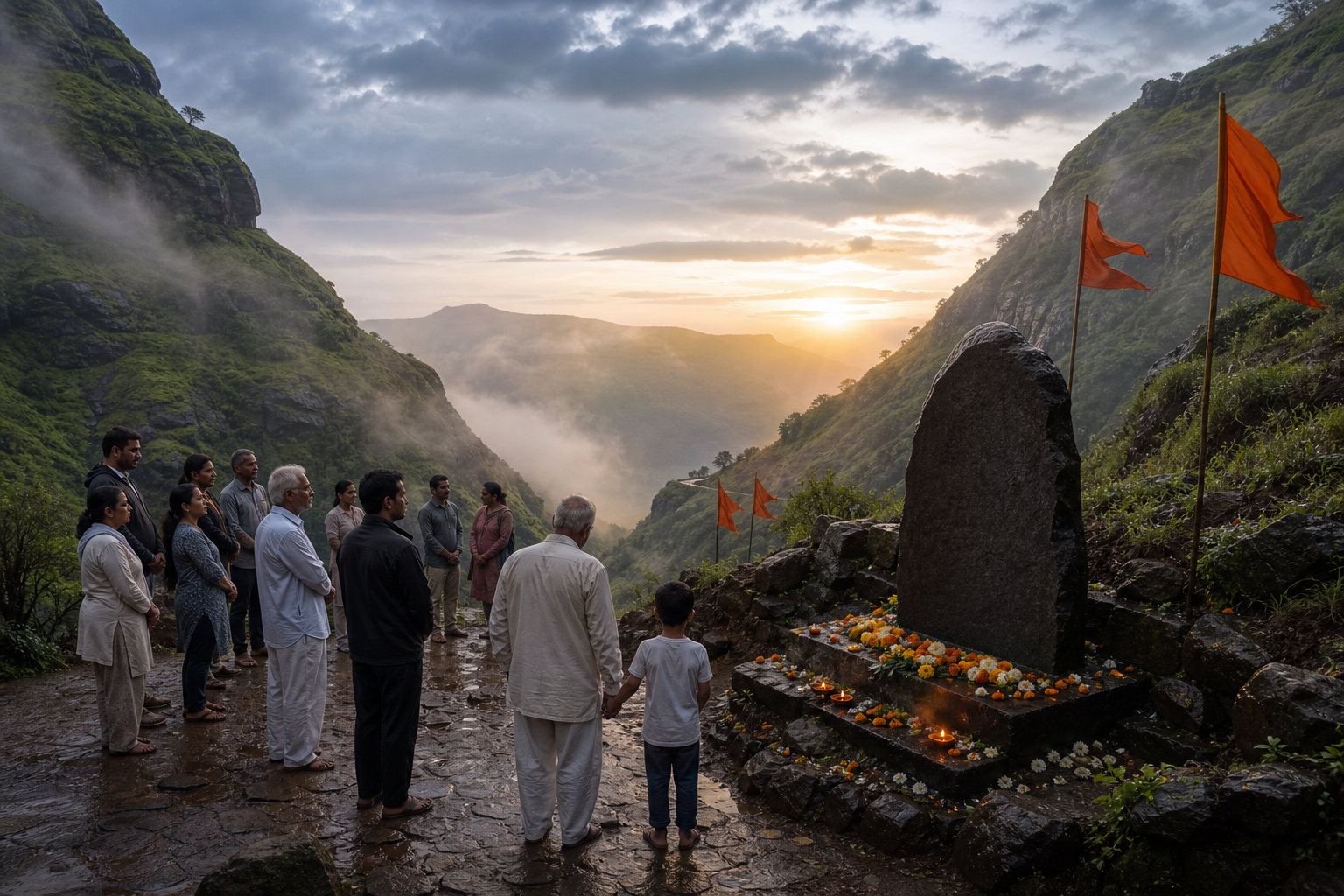
If you are preparing to attend, support, or organise a Pawankhind commemoration, the real question is not how grand it looks. It is whether the occasion helps people understand why the Maratha heroes are remembered and what their courage asks of us.
That standard turns remembrance from a one-day display into disciplined cultural memory. You learn the history carefully, honour the place, protect fellow participants, and carry the value of duty into ordinary life.
Measure the tribute by understanding, not attendance
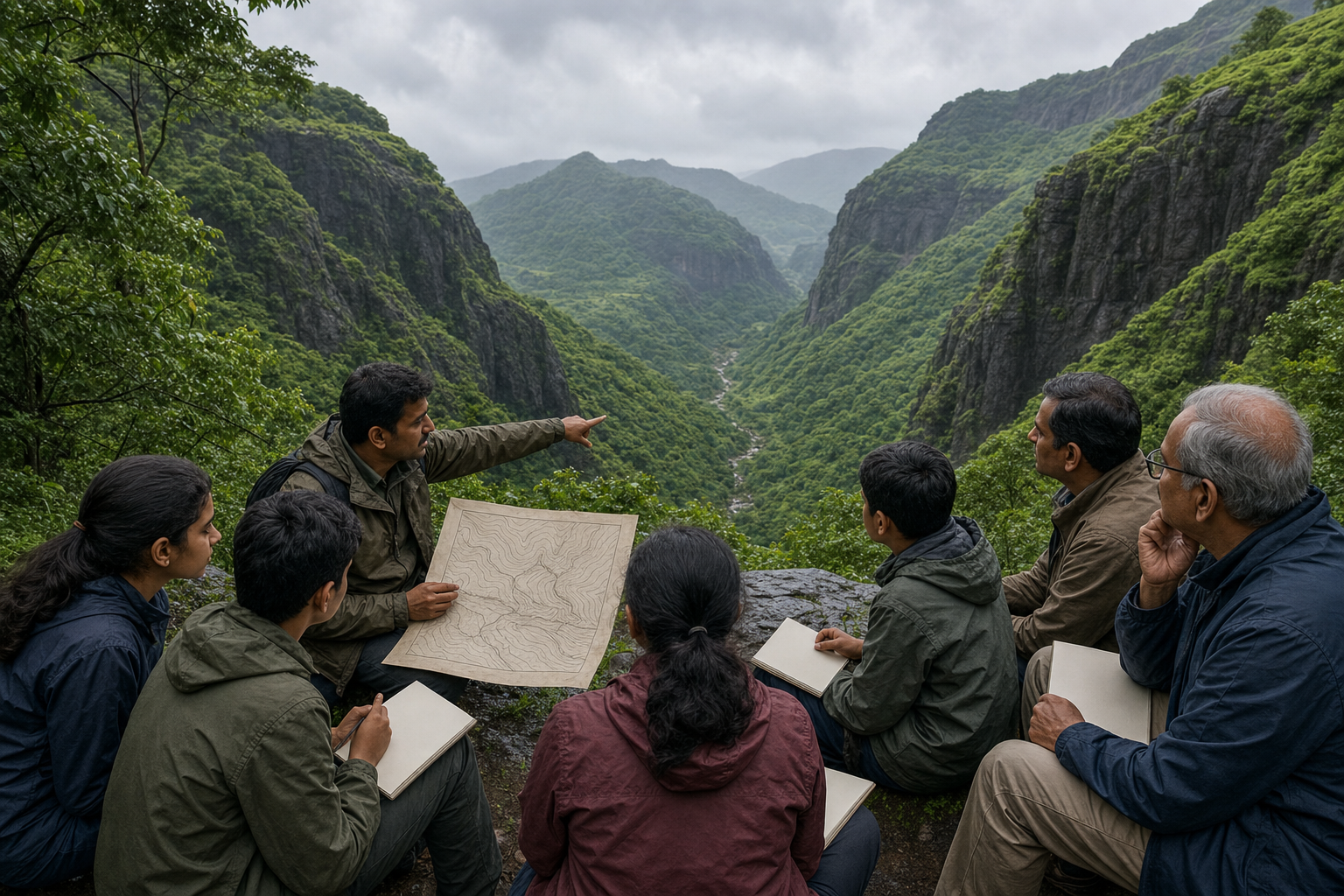
Public participation matters because collective memory needs a community. The Hindu Janajagruti Samiti’s Pawankhind Abhiyan drew a large gathering despite heavy rain, showing that remembrance of the Maratha heroes can inspire people to accept considerable discomfort in order to be present.
But attendance, weather, flags and slogans cannot by themselves tell you whether a commemoration has succeeded. A large gathering may demonstrate attachment; it does not automatically produce historical understanding. The better test is what participants can explain after they return home.
Before you attend, choose three intentions:
- Learn: Identify the people, decisions and duties being commemorated rather than settling for a general feeling of pride.
- Serve: Help protect the place, support other participants and leave the gathering cleaner and more orderly than you found it.
- Transmit: Carry one accurate account or moral question back to your family, school, temple or community group.
Heavy rain deserves the same disciplined approach. Enduring discomfort can express commitment, but avoid turning unsafe conditions into a test of patriotism or devotion. Dharma does not require preventable carelessness. If weather compromises footing, visibility, crowd movement or emergency access, changing the route or programme protects the people whose participation keeps the memory alive.
How to take part without reducing memory to spectacle
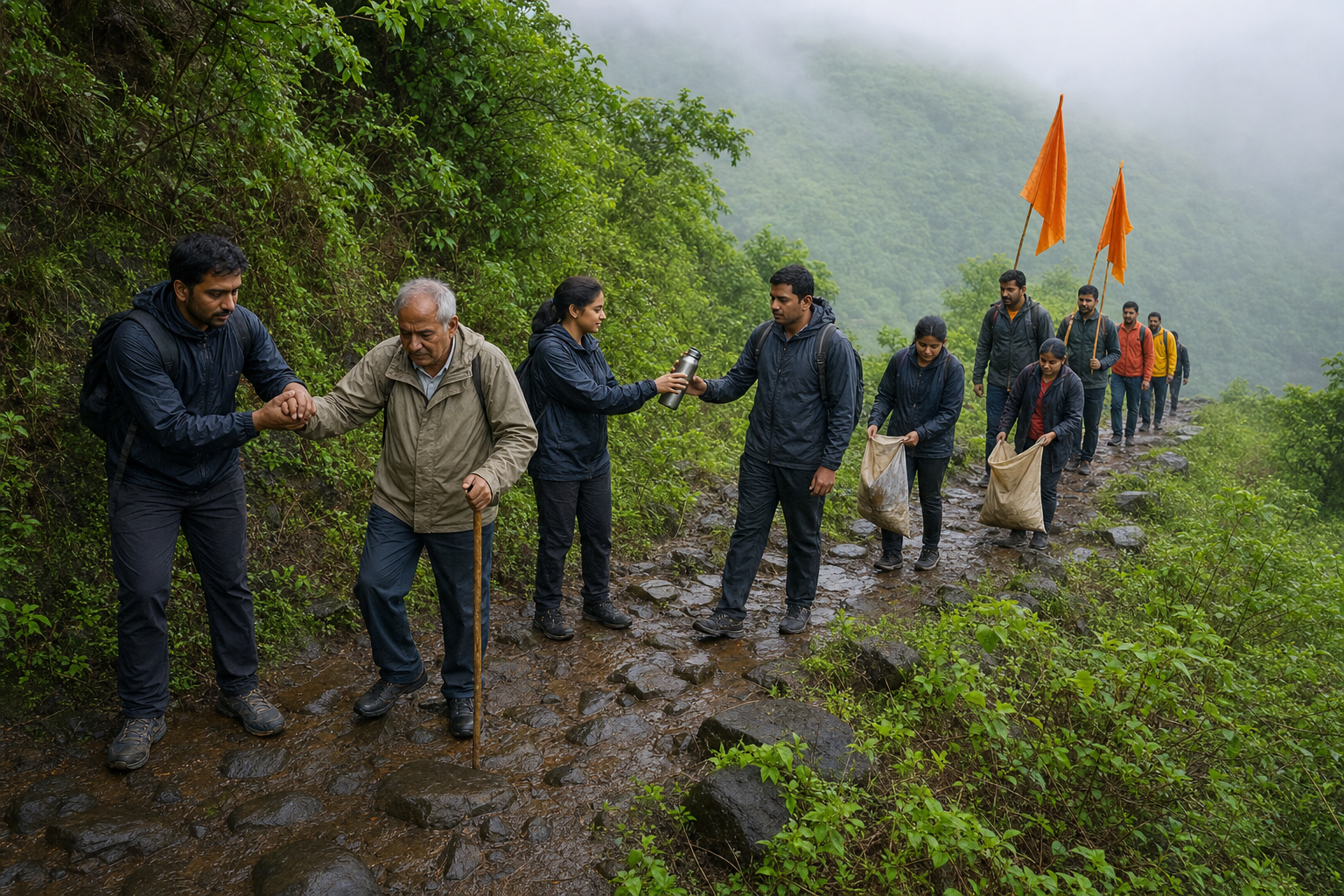
A visit or public commemoration can easily become a sequence of photographs, chants and departure. You can make it more meaningful by treating participation as a small discipline rather than as cultural consumption.
- Prepare before you arrive. Read a concise chronology from a reliable history and note any names, places or claims you do not yet understand. Familiarity is not the same as accuracy. Do not repeat a dramatic detail merely because you have heard it many times.
- Listen for decisions, not only descriptions. Ask what duty confronted the heroes, what was placed at risk and why sacrifice became necessary. This reveals the moral structure of the memory instead of leaving you with disconnected scenes of bravery.
- Respect the physical setting. Follow marked routes and organiser instructions. Do not cross barriers, damage the landscape or obstruct others for a photograph. Littering at a place of remembrance contradicts the respect expressed in speeches.
- Let symbols point beyond themselves. Flags, slogans and images can focus a gathering, but they are aids to memory, not substitutes for it. Connect each symbol to a person, responsibility or historical event that you can explain in plain language.
- Give younger participants one clear lesson. Do not overwhelm a child with names and speeches. Explain one central act of duty, ask the child to retell it, and then ask what responsible courage might look like at home or at school.
- Leave with a next action. Volunteer for a future commemoration, help prepare an accurate teaching note, support preservation work, organise a reading circle or share a carefully checked account with your family.
Photography has a legitimate place in public memory, especially when it helps people who could not attend. Use a simple test before publishing an image: does it illuminate the commemoration, or does it turn the place and participants into scenery for the photographer? A caption that explains what is being honoured is usually more valuable than another uncontextualised image.
If you are organising a Pawankhind commemoration
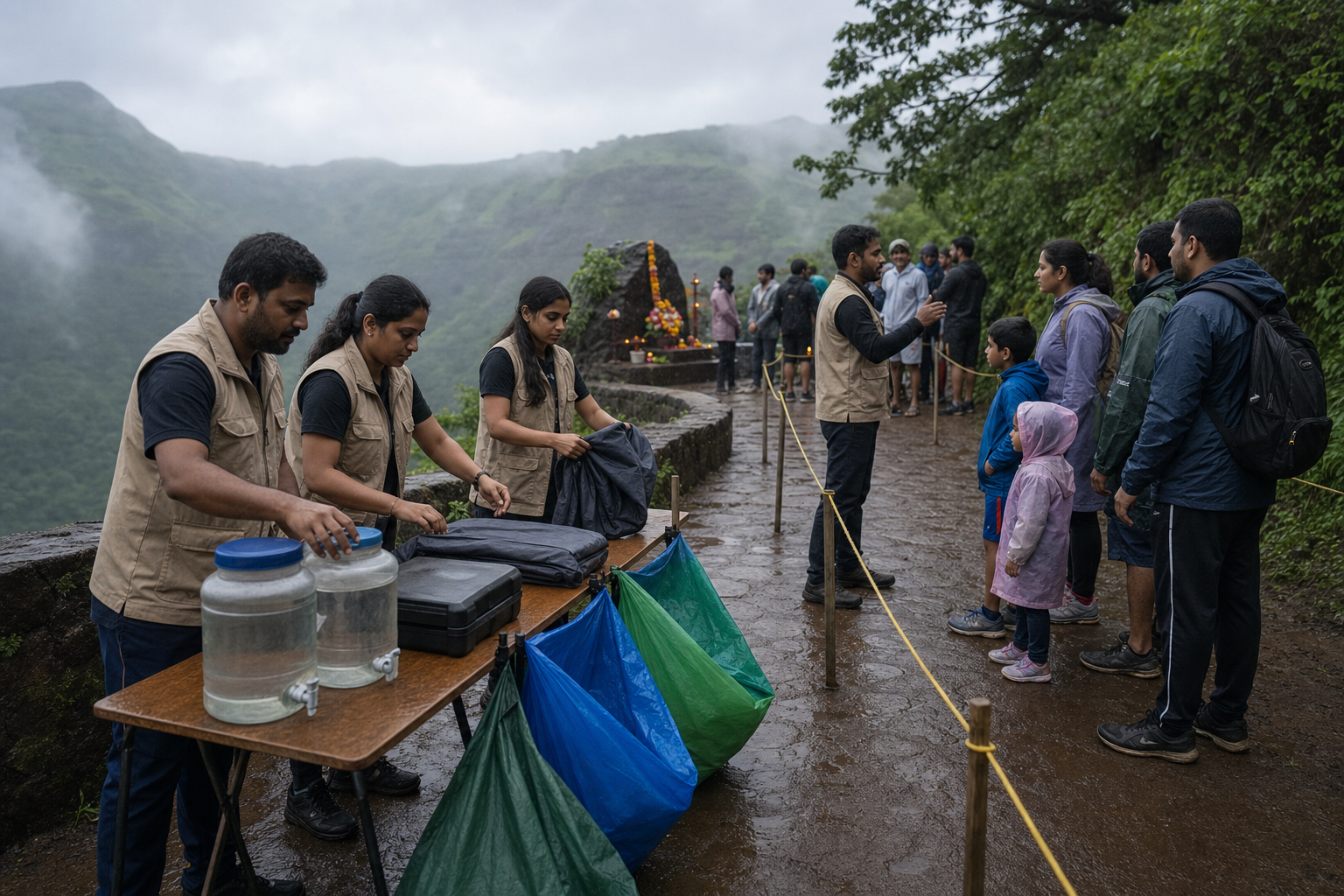
Begin with the learning outcome, then design the programme. If your purpose is only to assemble a crowd, the loudest parts of the day will dominate. If your purpose is to deepen historical memory, every element can serve that end.
- Write a one-sentence purpose. State what participants should understand or do differently after the event. Use it to decide which speeches, activities and displays belong.
- Prepare a fact-checked historical brief. Standardise names and spellings, check the sequence of events, retain citations for factual claims and mark uncertain details honestly. Give speakers the same brief so that errors are not multiplied from the stage.
- Separate education from exhortation. Include enough narrative for a newcomer to understand what is being remembered before asking the gathering to draw lessons from it.
- Translate important terms. Marathi and Dharmic vocabulary should be preserved where it carries historical meaning, but explain it in the language your audience understands. Translation expands participation without erasing cultural specificity.
- Plan for different ages and abilities. Provide an alternative for people who cannot complete a demanding route or stand through a long programme. Physical endurance should not determine who is allowed to belong to the memory.
- Assign weather and crowd authority. One clearly identified person or team should be able to pause, shorten, relocate or cancel an activity. Prepare an alternate gathering point, a method for accounting for participants and unobstructed emergency access.
- Close with stewardship. Organise waste collection, inspect the area after dispersal and assign responsibility for anything left behind. Respect for heritage is visible in the condition of the place after the crowd has gone.
Heavy rain is an operational condition, not ceremonial scenery. Check conditions on the day rather than relying only on the original plan. Tell participants in advance who makes the go-or-stop decision and how a change will be communicated. A shortened observance conducted responsibly honours courage more faithfully than preventable disorder presented as bravery.
Speakers also need discipline. Repetition, exaggerated claims and present-day political detours can obscure the people being honoured. Ask each speaker to contribute one distinct element: verified history, the ethical meaning of sacrifice, preservation of the place, or a concrete form of community service. A programme with defined roles teaches more than several versions of the same speech.
Teach valour without turning history into mythology
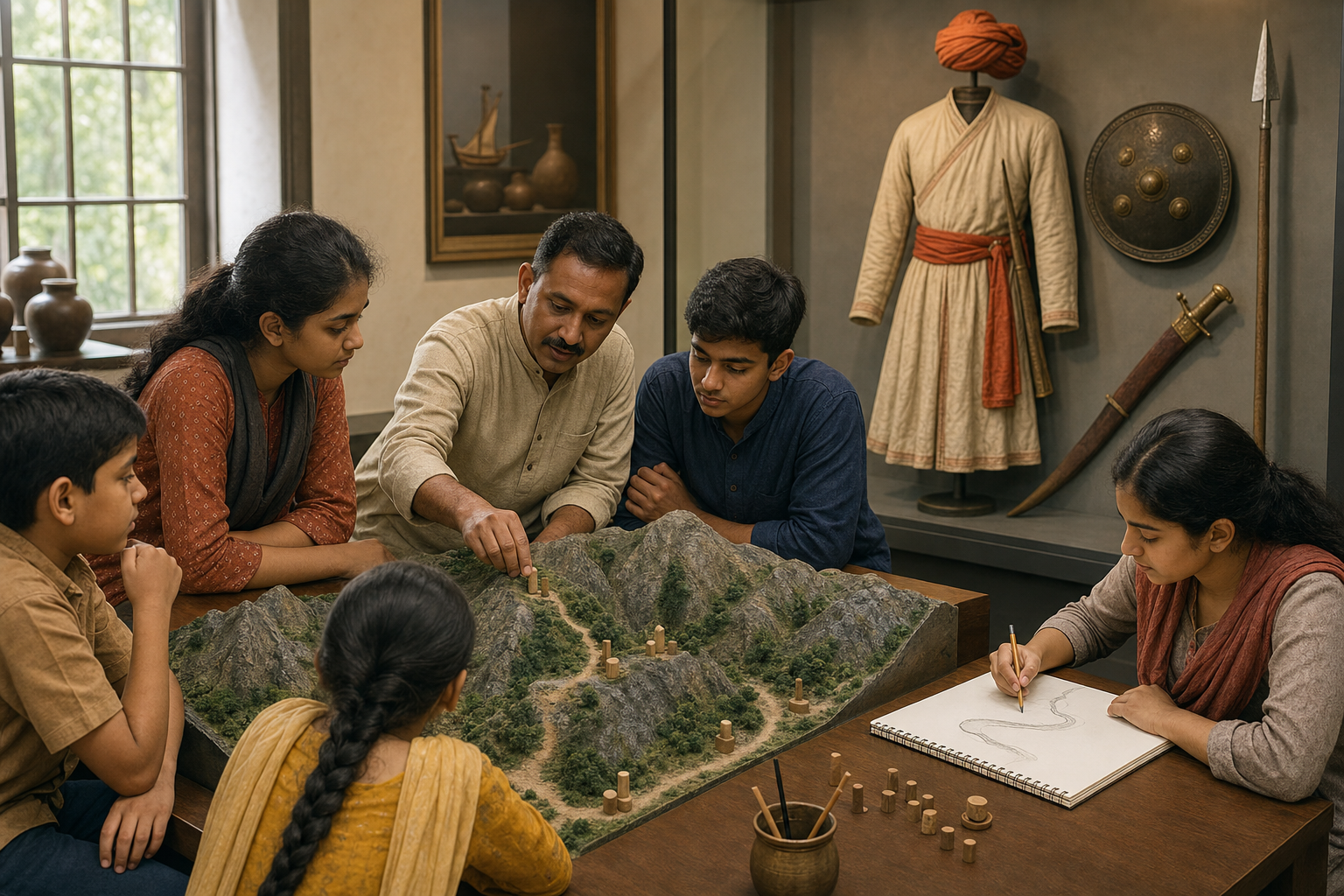
Heroic memory becomes fragile when every retelling adds an unverified detail. The answer is not to drain commemoration of reverence. It is to distinguish three kinds of statement whenever you teach or publish:
- Established history: People, places, decisions and sequences that can be supported by historical records.
- Commemorative tradition: The songs, dramatic retellings, inherited expressions and community practices through which memory has been preserved.
- Moral interpretation: The lesson we draw about duty, courage, loyalty, restraint or service.
All three can belong in a commemoration, but they are not interchangeable. If a detail belongs to tradition and cannot be verified as a historical fact, introduce it as something remembered or retold in tradition. That small distinction protects credibility while allowing inherited forms of remembrance to retain their place.
For a Dharmic audience, valour should not be taught as aggression for its own sake. Courage becomes worthy of reverence when it is governed by duty, responsibility and a purpose beyond personal glory. This is why a useful discussion does not end with, “Were the heroes brave?” It asks harder questions:
- What made their action an act of duty rather than merely a dangerous act?
- What personal cost did they accept for a larger purpose?
- What forms of discipline had to accompany courage?
- How should inherited freedom or security change the conduct of those who benefit from it?
- What responsibility do we have when repeating the history to another generation?
These questions prevent commemoration from collapsing into either empty praise or detached academic discussion. They join historical care to ethical reflection. They also give teachers and parents a way to discuss Pawankhind without encouraging children to confuse violence, recklessness and courage.
Key takeaways for a worthy commemoration
- Judge the occasion by what participants understand and carry forward, not by crowd size alone.
- Prepare with a verified chronology and label uncertain or traditional details honestly.
- Treat the place, other participants and the surrounding environment as part of the tribute.
- Do not turn severe weather or physical difficulty into a loyalty test; assign clear safety authority and provide an alternate plan.
- Teach valour as duty governed by discipline, not as excitement about conflict.
- End the remembrance with one specific act of education, preservation or community service.
Before your next Pawankhind commemoration, choose the act you will own. Prepare the historical brief, volunteer for safety or stewardship, bring a young person and discuss the meaning afterward, or correct one circulating error with patience and evidence. Public memory survives when admiration becomes responsibility.
References
