
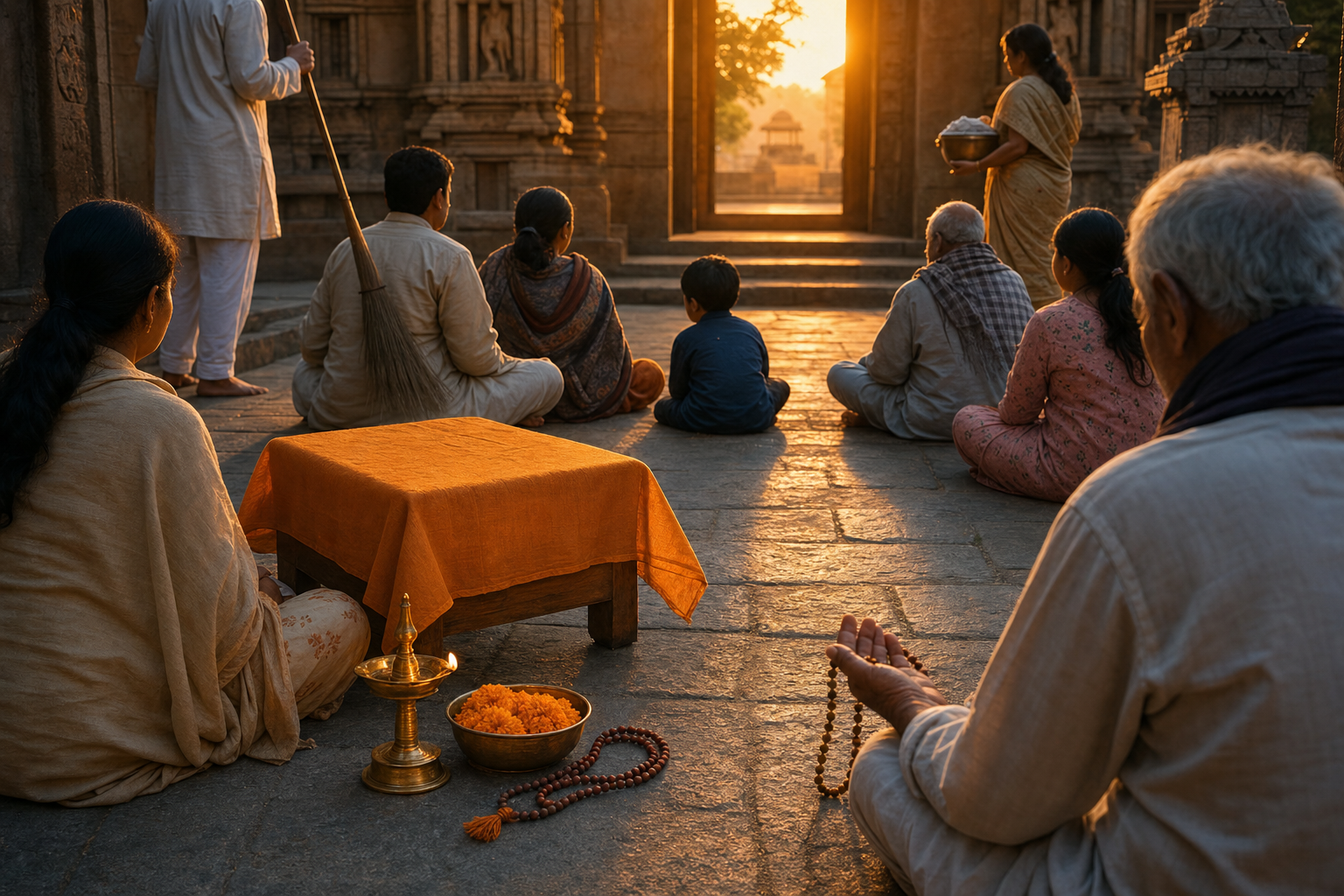
If you are deciding how to honor Kratu Prabhu, the difficult part is not finding affectionate words. It is choosing a form of remembrance that remains faithful after the gathering ends.
A worthwhile tribute passes two tests. It tells the truth about the person without turning memory into mythology, and it causes the living to practice, serve, or repair something. When both happen, remembrance becomes sadhana rather than nostalgia.
Remember the person by preserving a practice
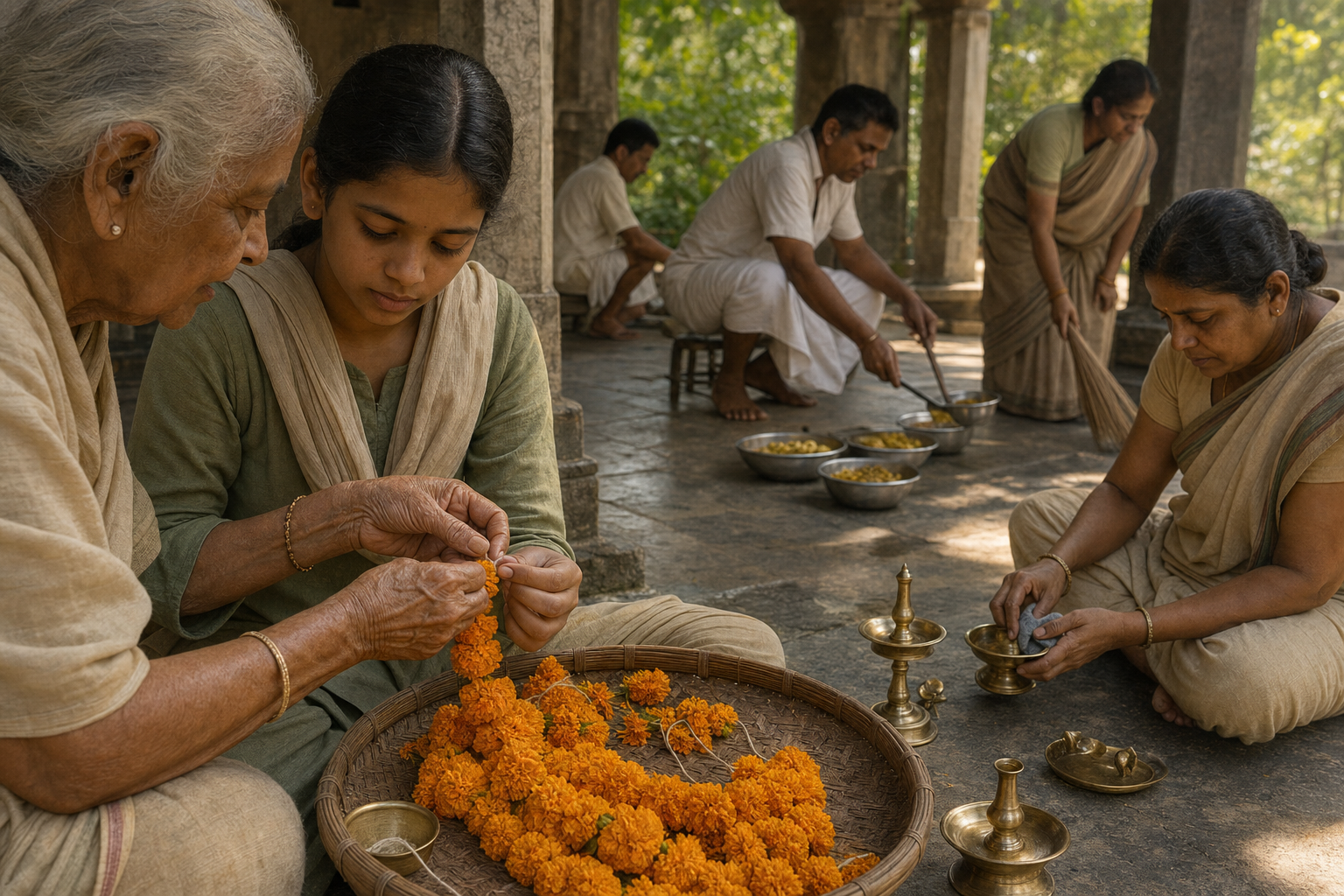
You do not have to choose between clinging to Kratu Prabhu and erasing the relationship in the name of detachment. A continuing bond can be carried through values, memories, prayer, and service. The important question is whether that bond keeps you looking backward or helps you live more faithfully now.
Bhakti gives memory a disciplined form. Smarana and kirtana can function as sadhanas: practices that train attention and turn it toward the sacred. A memorial kirtana is therefore more than music used to soften a painful occasion. It brings breath, speech, hearing, posture, and intention into one act. Remembering a devotee within that act places the relationship before Krishna instead of making the departed person the final object of worship.
Three brief lines from Bhaktimarga Swami’s farewell establish a demanding frame for such remembrance:
“We are not the body. The senses are quite limited. Heart vibrations are for the privileged.”
Bhaktimarga Swami, farewell for Kratu Prabhu
The first statement belongs to a recognizably Hindu and Vaishnava understanding of personhood. The body, or deha, is not the whole self; atman is not extinguished when bodily presence ends. That teaching does not make physical absence unreal, and it does not turn grief into a spiritual failure. It tells you that the relationship should no longer depend upon physical access. Instruction, example, service, and gratitude must now carry what conversation and companionship once carried.
The second statement corrects a different danger: the assumption that whatever cannot be seen or measured cannot be meaningful. Perception, or pratyaksha, matters, but many Indian systems of knowledge also reason through inference, reliable testimony, and insight cultivated by disciplined practice. The right response is epistemic humility, not credulity. Admit what your senses cannot settle, but do not fill the gap with invented certainty.
The third statement can sound socially exclusionary if “privileged” is read as rank or status. In bhakti, a more useful reading is cultivated receptivity. Nama-japa, kirtana, seva, prayer, and ethical restraint can make the heart less noisy and more capable of discernment. Yogic language about anahata-nada, the subtle “unstruck” sound, similarly points toward an interior mode of listening. The privilege is grace received through practice, not superiority claimed over other people.
Interior listening still needs safeguards. A feeling about Kratu Prabhu should not be promoted into a claim that he has delivered private instructions from beyond bodily life. Test the feeling instead. Does it accord with shastra and the teaching of the lineage? Would a trusted and mature practitioner recognize its direction? Does following it produce humility, steadiness, compassion, and service, or does it make the recipient feel unusually important? The ethical fruit often tells you more than the intensity of the moment.
Sound-centered practice can also steady the living at an embodied level. Chanting coordinates breathing, voice, posture, and attention, while research on group chanting and contemplative singing has found associations with heart-rate variability and prosocial feeling. Such associations help explain why a sangha may become calmer and more connected while chanting. They do not prove a metaphysical doctrine or establish that the departed can hear. Bhakti does not need a laboratory result to authorize kirtana, and science should not be asked to certify what it has not tested.
When you record a memory, use a simple sequence: name what actually happened, identify the virtue it revealed, and state the practice that should continue. “He was compassionate” is too general to guide anyone. A witnessed act of patience, hospitality, disciplined chanting, careful teaching, or unobtrusive service gives the community something it can recognize and imitate. Say what you saw, distinguish it from what you were told, and leave uncertain details uncertain. Truthful affection honors a devotee better than embellished praise.
The name Kratu turns memory into consecrated resolve
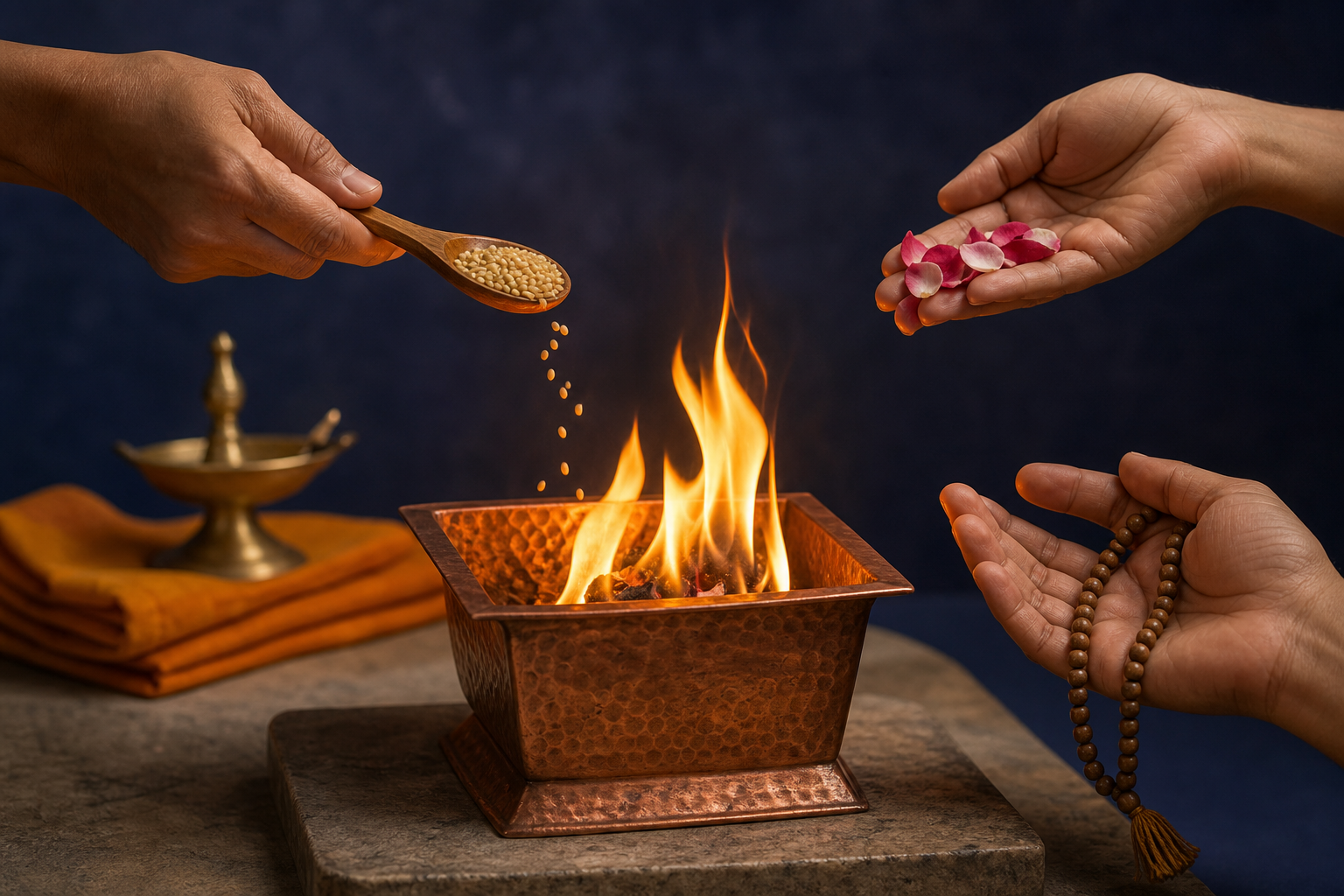
Kratu is a teaching as well as a name. In Vedic usage, the word carries associations of purposeful will, resolve, and sacrificial intention: the faculty through which intention becomes consecrated action. That meaning should not be used to manufacture biographical claims about Kratu Prabhu. It can, however, give the community a precise way to respond to his departure.
Resolve differs from emotion. Emotion may be intense during a farewell and quiet a few days later. Resolve decides in advance what will still happen when the intensity has passed. To remember Kratu in this older sense is to convert gratitude into a dharmic commitment and to offer the result without making personal recognition the reward.
A practical memorial sankalpa needs four elements:
- A quality: Name one virtue you have reliable reason to associate with Kratu Prabhu. Avoid a catalogue of every possible virtue.
- A practice: Choose an observable expression of that quality, such as a daily period of nama-japa, regular shastra study, prasada distribution, teaching, or service to a temple or community.
- An offering: State that the action is undertaken in grateful remembrance and offered in the spirit of bhakti, rather than as a way to display closeness to the departed.
- Accountability: Give the commitment a place in your calendar and tell one person who can help you continue it after the memorial period has passed.
A usable template: In grateful remembrance of Kratu Prabhu, I will cultivate [quality] through [specific practice] at [regular time or occasion], and I will offer the result through [named form of seva].
This form is intentionally modest. A sweeping vow made under emotional pressure often leaves guilt rather than continuity. Choose something definite enough to observe and proportionate enough to sustain. If the commitment later grows, let it grow from steadiness.
Within a Vaishnava community, parampara keeps personal memory properly oriented. A respected devotee is not remembered as an independent origin of truth but as someone who received, embodied, and transmitted a living discipline. Returning to that discipline protects both the memory and the sangha. It prevents affection for a personality from becoming a rival center of authority after the person’s departure.
Before attaching Kratu Prabhu’s name to a memorial project, ask four questions:
- Is this action consistent with his known service, or are we using his name to bless an unrelated preference?
- Will it deepen sadhana, seva, study, or fellowship in a form the community can actually maintain?
- Does a responsible person own the next step after the commemorative gathering?
- Will the project benefit identifiable people or institutions, or will most of its energy go into memorial branding?
If those questions produce vague answers, reduce the project until its purpose is clear. One maintained act of service is more faithful to kratu than an ambitious announcement with no durable practice behind it.
Dharmic unity begins where doctrines remain distinct
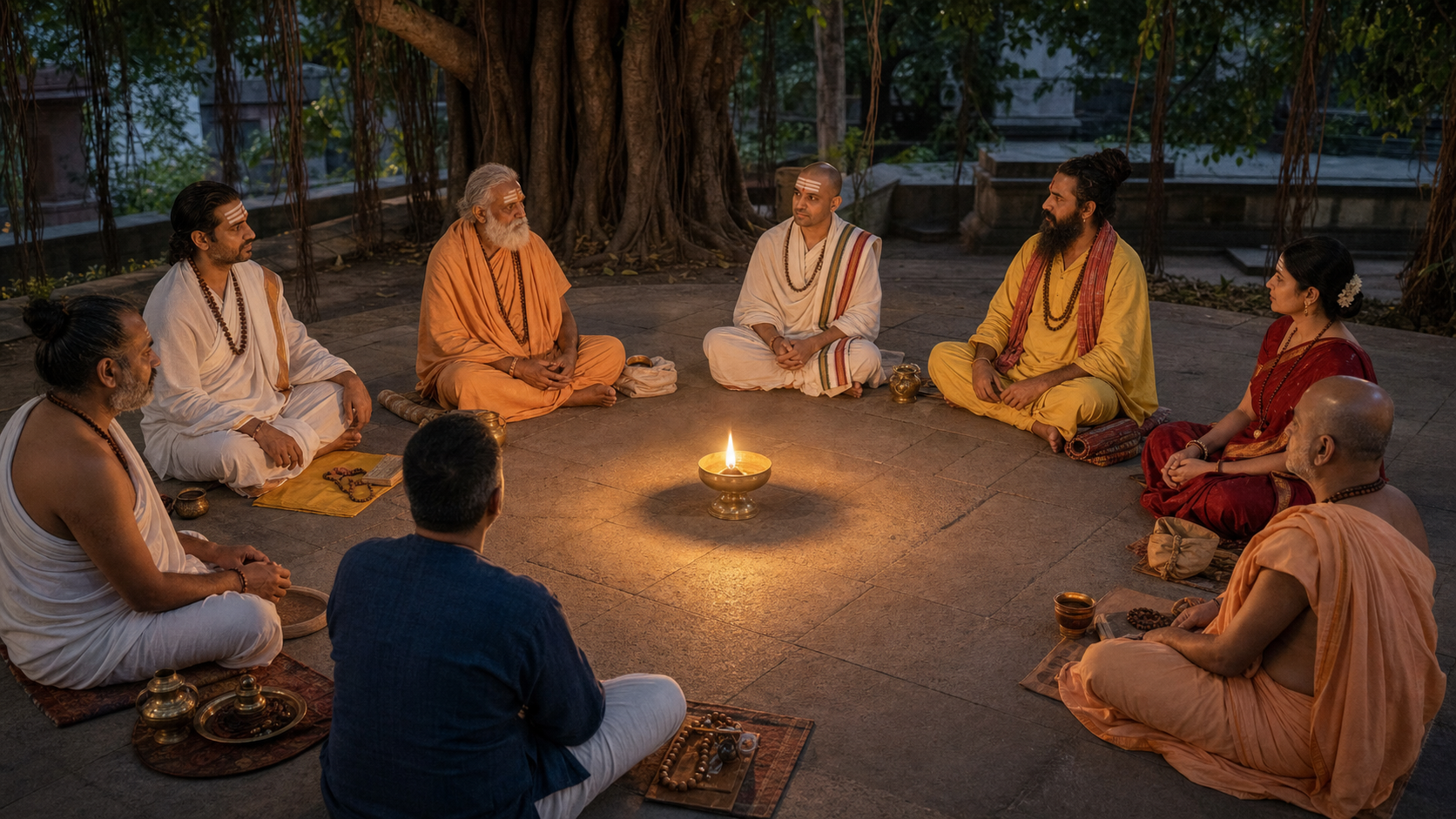
Remembrance of Kratu Prabhu can bring Hindu, Buddhist, Jain, and Sikh neighbors together, but unity becomes credible only when nobody is required to pretend that the traditions teach the same account of the self. Atman and anatta are not synonyms. The Jain jiva is not merely another label for either concept, and Sikh teachings about the soul, the Divine Name, Ik Onkar, and hukam have their own theological grammar.
The convergence lies in ethical direction rather than doctrinal identity. Across these traditions, embodied life is treated as precious without being treated as ultimate. Teachers and exemplars are remembered through disciplined forms. Attention must be trained. Compassion, non-harm, generosity, humility, and service must survive the person whose example awakened them.
| Tradition | Distinction to preserve | Forms of remembrance | Ethical direction |
|---|---|---|---|
| Vaishnava Hindu | Atman is distinct from the temporary body; bhakti is received and practiced through parampara. | Smarana, kirtana, nama-japa, shastra study, prasada distribution, and seva. | Direct attention toward Krishna and continue the devotee’s service-minded example. |
| Theravada Buddhist | Anatta and dependent origination describe continuity without positing an eternal atman. | Paritta chanting, pattidana or dedication of merit, dana, meditation, and compassionate service. | Cultivate generosity, clarity, and compassion amid impermanence. |
| Jain | Jiva is conscious and bound with karma; liberation requires vigilance and restraint. | Pratikraman, scriptural reflection, charitable action, and vows centered on ahimsa. | Reduce harm, restrain the passions, and honor the jiva’s onward journey. |
| Sikh | The soul’s journey is understood through the Divine Name, Ik Onkar, and acceptance of hukam. | Gurbani kirtan, Ardas, Saadh Sangat, and community seva. | Remember the Divine, accept hukam with humility, and serve the sangat. |
These descriptions are deliberately specific. “Buddhist” does not erase differences among Buddhist schools, and “Hindu” does not mean that every Hindu sampradaya uses a Vaishnava vocabulary. Naming Theravada practice where paritta and merit dedication are intended, and naming Vaishnava practice where kirtana and parampara are intended, is part of the respect that unity requires.
If you are arranging a shared dharmic observance, use three boundaries:
- Name the host tradition: State clearly that the central remembrance follows Kratu Prabhu’s Vaishnava setting. Guests should know what they are entering and what participation means.
- Let guests speak from their own traditions: A Buddhist may dedicate merit, a Jain may undertake an ahimsa-centered vow, and a Sikh may offer Ardas or seva without being asked to translate those acts into Hindu metaphysics.
- Unite through a shared ethical act: Follow the observance with food distribution, compassionate service, study, support for a temple or educational effort, or another clearly governed form of seva.
A hybrid ritual that no participating tradition recognizes may look inclusive while leaving everyone spiritually homeless. Fellowship does not require liturgical sameness. Let each path keep its integrity, and let generosity, reverence, and service provide the meeting ground.
Build a memorial that leaves the sangha stronger
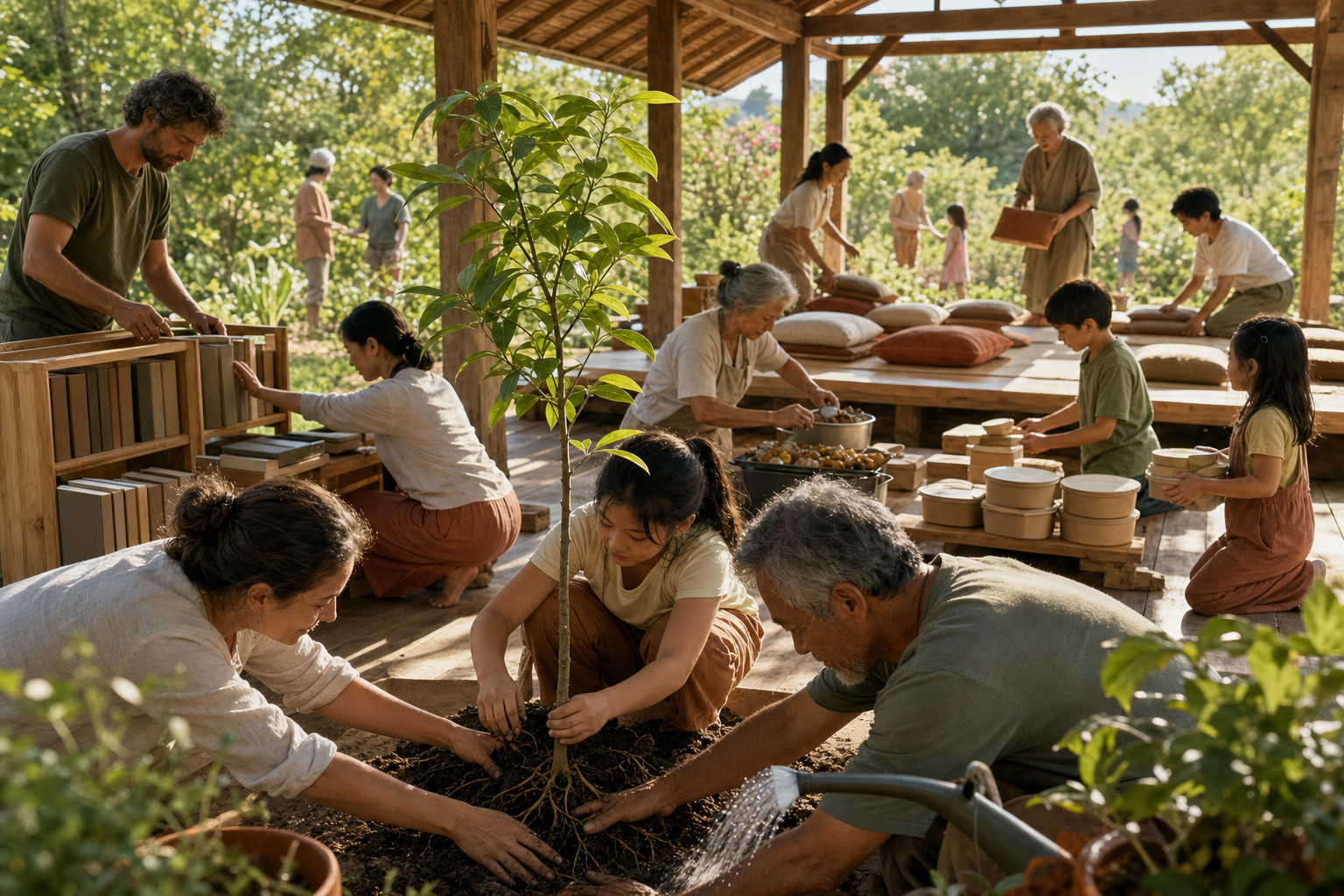
Public memory quietly shapes community standards. In an ISKCON setting, remembrance can renew commitments to sat-sanga, shravana-kirtana, regulated sadhana, responsible leadership, and service. It can also expose a community to avoidable tension if unverified stories, claims of exclusive closeness, or control over a legacy become substitutes for shared practice. A clear format protects the gathering from becoming a contest over who knew Kratu Prabhu best.
- Define the promise before planning the program. Complete one sentence: People who attend should leave ready to… If the answer is only “feel inspired,” make it more concrete: chant, study, serve, reconcile, support, or continue a named responsibility.
- Collect memories with an evidence rule. Ask each contributor what happened, what they directly witnessed, what dharmic principle the incident demonstrates, and what a listener can practice because of it. Identify second-hand memories as such, and omit claims that cannot be responsibly repeated.
- Keep spiritual practice at the center. Build the gathering around kirtana, hearing, prayer, and appropriate scriptural reflection. Speeches should explain the practice or illuminate the life being honored; they should not crowd the practice out.
- Make testimony proportionate. Give speakers the same concise boundary and ask each to contribute a distinct memory. This reduces repetition, discourages status displays, and leaves room for silence, chanting, and participation by the wider community.
- Connect the offering to governed seva. Distribute prasada, support a temple or educational service, feed a meal, plant and care for a tree, or assist a community clinic. Name the recipient, the person responsible, and how contributors will learn what happened. A donation appeal without a stated use is not yet a memorial plan.
- Welcome dharmic neighbors without blurring the center. Explain the Vaishnava practices in plain language, identify which parts invite general participation, and provide space for guests to offer respect without making declarations contrary to their own traditions.
- Schedule the continuation before people leave. Put the next kirtana, study session, service day, or accountability check on the calendar and assign a coordinator. Otherwise the gathering may produce sincere intentions with no moment at which they become action.
Key takeaways
- Preserve a memory in three moves: verified event, revealed virtue, continuing practice.
- Let the name Kratu point toward resolve. Choose a commitment that can survive after the emotion of farewell has softened.
- Treat interior feeling as an invitation to discernment, not automatic proof of a message from the departed.
- Build dharmic unity around truthful hospitality and shared service, never around the claim that atman, anatta, jiva, and Sikh teachings are interchangeable.
- End every memorial plan with a named action, a responsible person, and a definite next occasion.
Your next step can be small and exact. Choose one additional period of japa, one prasada offering, one scripture gathering, or one service commitment. Name Kratu Prabhu in the intention, dedicate the fruit rather than claiming it, and place the next repetition on the calendar before the first is complete. That is how a farewell becomes continuity and how dharmic unity becomes something people can practice together.
References
