
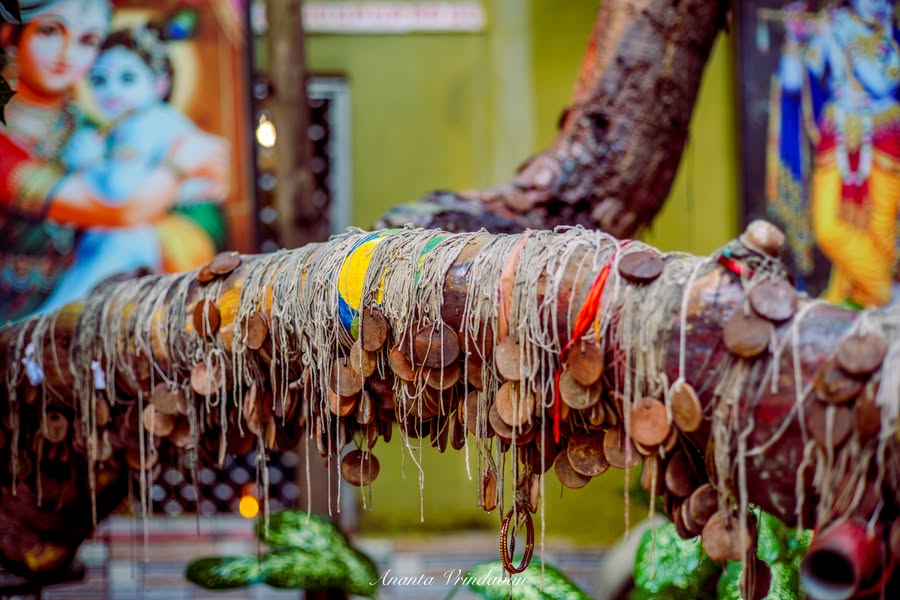
Siddha Bakula in Jagannath Puri stands as a living shrine where a venerable Bakula tree shelters the sacred memory of Srila Haridas Thakura. Tradition holds that he resided at this very spot, maintaining an extraordinary daily discipline of chanting 192 rounds of the holy names. The site remains a focal point of the Bhakti Tradition, drawing pilgrims who seek the contemplative quietude that has permeated the area for centuries.
During a recent visit, time was purposefully devoted to chant japa and to engage in katha and kirtan, allowing the mind to dwell on the exemplary practice of Srila Haridas Thakura. The environment around the Bakula tree fosters a steady inward attention, and many visitors note how the soft sounds of chanting seem to harmonize with the rustling leaves above. Such moments of stillness and song create a natural rhythm conducive to reflection, humility, and devotion.
Historically and spiritually, Siddha Bakula serves as an enduring reminder of sustained sādhana. The transmission of Haridas Thakura’s legacyhis japa, kirtan, and steadfast commitmentcontinues to inspire practitioners who come to Jagannath Puri for pilgrimage. Within walking distance of major sacred landmarks, including the Jagannath Temple, the site amplifies the region’s broader devotional landscape, integrating personal practice with a deep sense of place.
The atmosphere at Siddha Bakula also resonates with values cherished across dharmic traditionsHinduism, Buddhism, Jainism, and Sikhismwhere reverence for living heritage, disciplined contemplation, and compassionate conduct converge. This shared emphasis on inner transformation and ethical living underscores a deeper unity: diverse paths, one aspiration for truth and harmony. In this sense, the Bakula tree stands not only as a Gaudiya Vaishnava landmark but also as a symbol of interrelated wisdom within the broader dharmic family.
Pilgrims often find that a simple practicequiet japa beneath the tree, a few verses of kirtan, or focused listening to kathacan cultivate clarity and devotion. The setting encourages steadiness of breath and mind, making it an ideal place to revisit spiritual commitments or to begin them anew. For many, the visit becomes a practical lesson in sustained attention and gentle perseverance.
As a living monument, the Bakula tree invites care and respect. Preserving this siteand the contemplative culture it embodiesensures that future seekers can likewise encounter Jagannath Puri’s serene devotional current. In honoring Siddha Bakula, visitors participate in an ongoing lineage of remembrance, devotion, and unity.
Inspired by this post on Dandavats.
