
-
Naam, Daan, Ishnaan: A Transformative Threefold Path to Clarity, Compassion, and Calm

This reflection explores how Naam (attentive remembrance), Daan (ethical generosity), and Ishnaan (purification) form a practical threefold path across Hinduism, Buddhism, Jainism, and Sikhism. It shows how brief, consistent practicessuch as early-morning simran or japa, mindful ishnan, and everyday sevatranslate inner steadiness into social good. Readers learn accessible ways to integrate the triad into modern…
-
Defusing Sanctimony: Dharmic Wisdom for Humility, Compassion, and Inner Strength

Sanctimonious behavior thrives on ego-driven judgment and performative virtue, yet dharmic traditions offer precise tools to disarm it with grace. Hindu scriptures emphasize humility (amanitvam) and freedom from hypocrisy (adambhitvam), while Yoga philosophy identifies egoism (asmita) as a root disturbance. Complementary insights from Buddhism, Jainism, and SikhismRight Speech, ahiṃsā, anekāntavāda, seva, and simranprovide a unified,…
-
Sheegra Vivah Totke: शीघ्र विवाह के लिए समन्वयी, सरल और सार्थक उपाय जो उम्मीद जगाएँ

यह लेख Sheegra Vivah Totke को अकादमिक और संतुलित दृष्टि से समझाता है। विवाह में विलंब के बहु-आयामी कारणों का संक्षिप्त विश्लेषण कर, यह पारंपरिक उपायों को मनोवैज्ञानिक स्थिरता, आशा और सामाजिक संपर्क बढ़ाने वाले सांस्कृतिक अभ्यास के रूप में रखता है। हिंदू, बौद्ध, जैन और सिख परंपराओं के साझा मूल्योंधैर्य, सेवा, दया और अंतर्मुखताको…
-
Sanatana Gosvami’s Humble Plea: Timeless Vaishnava Etiquette, Devotion, and Dharmic Unity

Sanatana Gosvami’s request to be guided from within models the core of Vaishnava etiquettehumility, devotion, and disciplined conduct. The passage elevates service over self-assertion and places ethical behavior within the Guru-Shishya Tradition. It highlights how genuine learning begins with surrender and culminates in responsibility to scripture, community, and practice. These themes resonate across Hinduism, Buddhism,…
-
Vidya Ganapati: A Scholarly Guide to Knowledge, Memory, and the Joy of Learning

Vidya Ganapati symbolizes knowledge, wisdom, memory, and disciplined learning, guiding students and scholars toward clarity, focus, and ethical study. The iconographybook, rosary, lotus, and mouseinvites humility, contemplation, and purity of intent. Across homes and classrooms, simple practices like mindful breathing and mantra help calm anxiety and steady memory without replacing hard work. The ethos resonates…
-
Pancha Ganapati (Dec 21–25): Five Days of Ganesha Puja for Harmony, Prosperity, and Peace
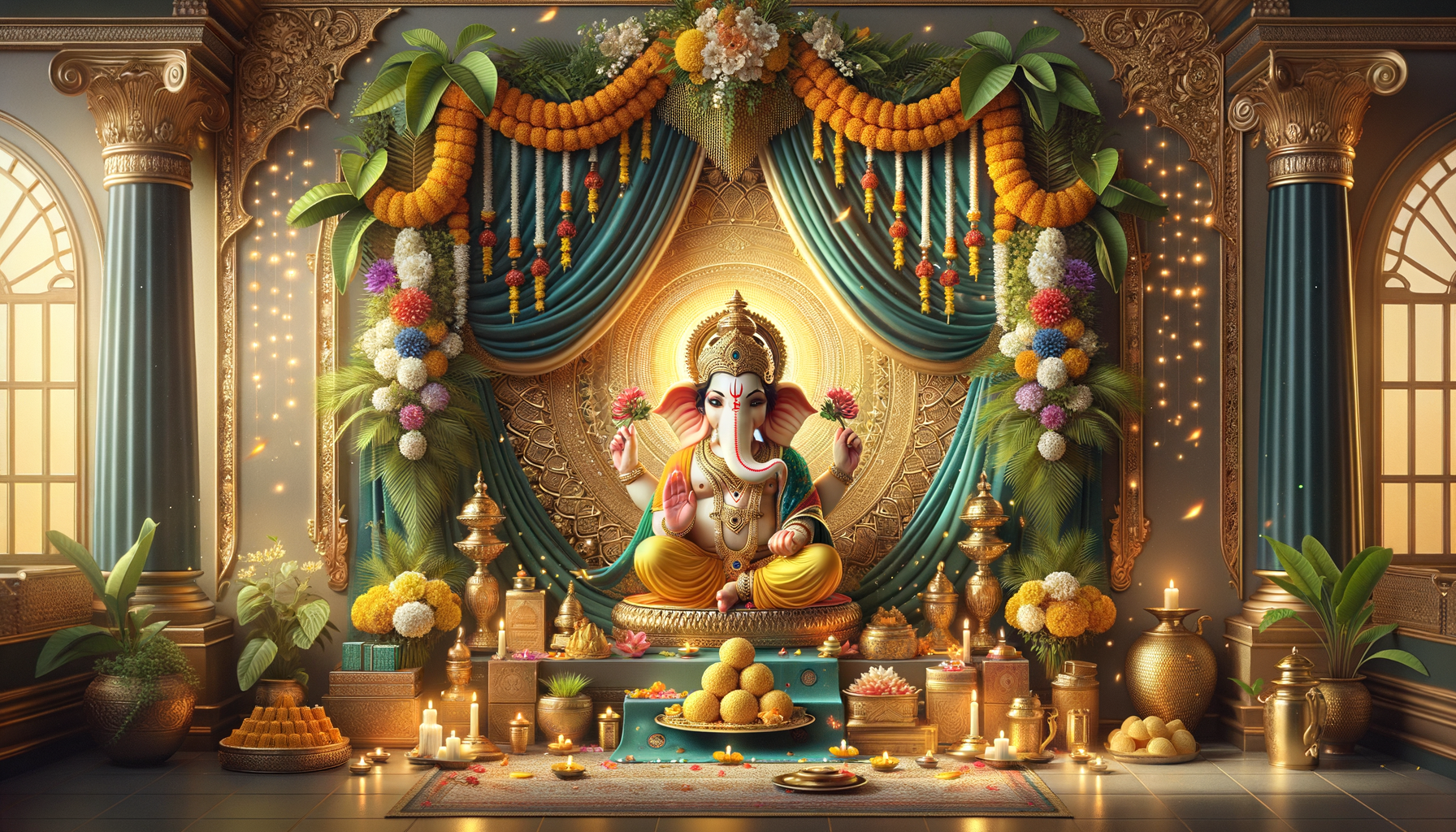
Pancha Ganapati (Dec 21–25) is a five-day Hindu festival honoring Panchamukha Ganapati through daily puja, sadhana, and acts of reconciliation. Each day carries a distinct color and focusfamily, friends and neighbors, professional integrity, culture and charity, and spiritual renewal. Households set up a Ganesha altar, offer sweets, flowers, and lamps, and conclude with arati and…
-
Sanyasa Yoga: A Powerful Path of Inner Renunciation toward Self‑Realization in Hinduism
Samnyasayoga in Hinduism emphasizes inner renunciation over external withdrawal, directing attention to self-realization and Brahman. Grounded in the Kaivalya Upanishad and Vedanta, it unites śraddhā, bhakti, and dhyāna to reveal Ātman as Brahman and guide seekers toward moksha. In contemporary life, Sanyasa Yoga appears as simplicity, mindful limits, and aparigraha rather than asceticism for its…
-
Experience the Divine Everywhere: Bhagavad Gita’s Practical Path from Bodha to Vyavahara

The post explores how the Bhagavad Gita’s insight the Divine is everywhere becomes transformative when knowledge (Bodha) is practiced as daily conduct (Vyavahara). Using the wood-and-furniture analogy, it clarifies how one essence appears through many forms, guiding a balanced response to life’s roles. Practical methods mindful pauses, breath awareness, japa or simran, gratitude before meals,…
-
Unshakeable Hanuman Bhakti: Humility, Strength, and Service Across Dharmic Traditions

Hanuman Bhakti stands as a timeless model of humility, disciplined strength, and selfless service. Within Hindu Dharma, and in many traditions as an avatar of Lord Shiva, Hanuman exemplifies power refined by discernment, applied only when duty and compassion demand it. The Ramayana’s portrayal highlights devotion without pride and capability without excess. These values resonate…
-
Mastering Purushaartha: A Transformative Guide to Dharma, Artha, Kaama & Moksha

Purushaartha offers a complete frameworkDharma, Artha, Kaama, and Mokshafor a life that is ethical, prosperous, joyful, and inwardly free. Rather than rejecting wealth or desire, it refines them through Dharma so they support higher clarity. Practical steps include right livelihood, generosity, mindful restraint, and steady yoga-meditation practice. The Bhagavad Gita and the Upanishads inform a…
-
Murugan, the Silent Warrior: Master Inner Battles with Meditation and Dharmic Wisdom

Lord Murugan (Kartikeya, Skanda, Subrahmanya) is presented as the Silent Warrior whose true battles are won through meditation and inner silence. The article explains how the vel symbolizes discerning wisdom and the peacock signifies sublimated pride, framing kshatra as ethical strength rather than aggression. It outlines a simple, practical routinepranayama, mantra japa, and dhyanathat helps…
-
November 26, 2025 Panchang Guide: Sacred Shift from Sashti to Saptami at 7:33 PM

November 26, 2025 in the Hindu calendar features Shukla Paksha Sashti until 7:33 PM, followed by the onset of Shukla Paksha Saptami. This Panchang guide clarifies tithi timing for most regions and explains how to harmonize daily practice with the day’s spiritual arcsteadiness in Sashti and renewal in Saptami. It also highlights why Nakshatra, Rashi,…
-
Japa’s Transformative Power: Awe-Inspiring Potencies of the Holy Name in Bhakti

Lord Caitanya’s teaching affirms that Krishna’s full potencies reside in each holy name, making japa a profound bridge between devotion, ethics, and contemplation. Hari Bhakti Vilas equates sincere chanting with the merits of charity, fasting, austerities, and pilgrimage, presenting an accessible practice for daily life. Many practitioners report greater clarity, emotional balance, and compassion, while…
-
Playful Spiritual Parenting: Nurturing Joy, Respect, and Mindfulness the Dharmic Way

Spiritual parenting is most effective when rooted in play, presence, and respect rather than constant instruction. By engaging children with mindful routines and joyful micro-rituals, families foster emotional well-being and secure attachment. This approach aligns with dharmic values shared across Hinduism, Buddhism, Jainism, and Sikhismlila, mindfulness, ahimsa, and sevaguiding children through experience instead of lectures.…
-
When Poor Japa Becomes Habit: Proven Steps to Transform Chanting and Reclaim Joy

Sustained observation shows that inattentive japa tends to create more inattentive japa, normalizing poor quality and making rounds harder to complete. The cycle can be reversed with intentional, tradition-aligned steps that improve attention, taste, and steadiness. Practical methods include forming a clear sankalpa, slowing pace and pronouncing each syllable, using breath awareness to stabilize the…
-
November 20, 2025 Panchang: Amavasya to Shukla Pratipada Tithi Timings and Insights
On Thursday, November 20, 2025, the Hindu Panchang notes Amavasya tithi until 11:00 AM, followed by Shukla Paksha Pratipada through 1:09 PM on November 21. These timings, observed in most regions, help plan prayers, charity, and contemplative practices during the no-moon day. The shift to the waxing phase supports fresh beginnings and structured sadhana aligned…
-
दसमहाविद्या साधना: Protection, Wisdom, ProsperityA Practical, Ethical Guide

This post presents a clear, ethically grounded overview of दसमहाविद्या (Dasamahavidya) as living principles that cultivate protection, wisdom, and resilience. It preserves the original non-English descriptors for selected Mahavidyas and provides concise, practice-oriented context for each. Readers learn how Kali supports fearlessness and protection, Tara fosters learning and resourcefulness, Tripura Sundari harmonizes mental and subtle…
-
Feeling Impure Despite Sadhana, Satsang, Seva? Practical, Dharmic Steps to Inner Purity

Many practitioners feel impure despite steady Sadhana, Satsang, and Seva, especially when encountering arrogance in spiritual spaces. This piece reframes purity as a gradual refinement of chittaless reactivity and more compassionrather than a performance outcome. It integrates insights from Hinduism, Buddhism, Jainism, and Sikhism to emphasize unity and shared principles. Actionable steps include breath awareness,…
-
Padakrichra and Krichra Fasting: A Compassionate Path to Atonement in Hindu Dharma

Hindu dharma frames atonement as a twofold movement: paschatapa (repentance) and prayaschitta (expiation). Within this framework, krichra fastsespecially Padakrichraoffer a disciplined, stepwise regimen that turns remorse into responsible action. Rather than punitive, these vows are transformative, integrating measured fasting, reflection, and ethical commitments like truthfulness, non-injury, and charity. The practice is most meaningful when guided…
-
Lal Kitab Remedies for Moon in the 7th House: Nurture Love, Marriage Harmony, and Peace

Lalkitab remedies for Moon in the 7th house focus on restoring emotional balance, strengthening marital harmony, and honoring maternal blessings. Classical guidance emphasizes respect for the mother and compassionate speech to prevent relational decline. Practical steps include Somvar vrat with white offerings, Chandra mantra japa (Om Som Somaya Namah), and charity of milk, rice, and…