-
Swami Vivekananda on why Hindus don’t say “My god is true and yours is not”

-
When the Bower Manuscript Unlocked the Portals to a Vast Hindu Civilisational Imprint in China

-
When a Turkish Muslim Treasure-Hunter Sold an Ancient Sanskrit Manuscript to a Colonial British Colonel in China

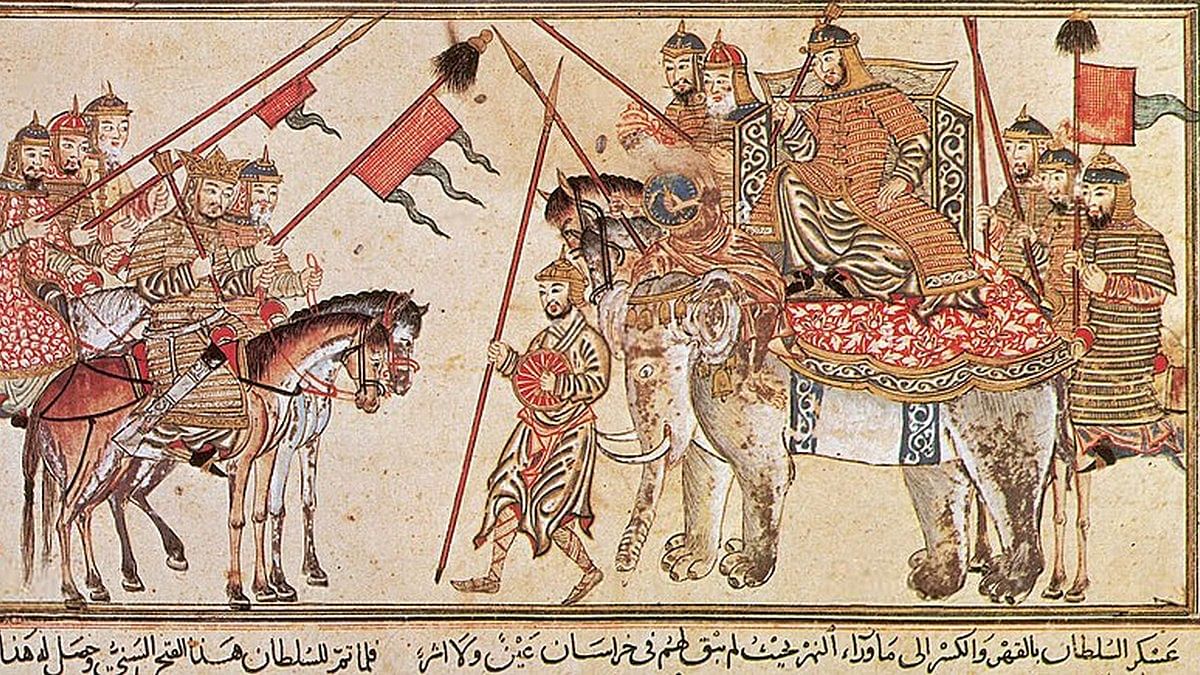
At Kucha, now in Xinjiang, Colonel Hamilton Bower buys an ancient Sanskrit Manuscript from a Turkic Muslim treasure-hunter for a paltry sum and then brings it back to India. The British Government had chosen Hamilton Bower for a forthright reason. When we read between the lines, we can’t help but marvel at the intricacy and…
-
A 19th Century Murder that Excavated a Second-Century Sanskrit Manuscript: Episode One

How the brutal murder of a 19th century British trader led to the unlikely discovery of a valuable 2nd century Sanskrit Manuscript. The story begins with the British explorer, tea-planter and diplomat Robert Barkley Shaw who established the Central Asian Trading Company in 1873 to trade primarily in Indian tea.
-
Emerging Bhutanese Intransigence

By Maj Gen Ashok Kumar (Retd). The recent statements of Bhutanese Foreign Minister Tandi Dorji indicating substantial progress in their boundary talks with China is a serious cause of concern for India. The minister indicated the conclusion of 24 rounds of boundary talks and deliberations by the expert group.
-
How British Colonialism of India Created a Nation of Beggars

-
Hinduism – the basics

-
Peaceful Pakistan: An Utopian Vision?

-
Karnataka 2023 Elections: Options for the BJP

If the voter gives a hung verdict on May 13, it will be respectable for the BJP to sit in the opposition and attend the gym regularly to strengthen itself for the next five years. The last stable Government that Karnataka witnessed was during the tenure of S.M. Krishna who left office in 2004. Ever…
-
What really happened to Bharat during the Islamic Invasions?

The following is a transcript of a speech by Vikram Sampat at the Jaipur Dialogues Conclave that discusses the Islamic conquest of India and its impact on Indian history. Sampat specializes in modern and early modern Indian history, as well as medieval history, which is highly relevant to the period being discussed. Sampat states that…
-
Rabindranath Tagore Jayanti

Rabindranath Jayanti is the birth anniversary of Rabindranath Tagore, a legendary figure in Indian literature and culture. It is celebrated on May 7th every year to commemorate his birth and honor his contributions to the fields of literature, music, art, and social activism. On this day, people in India and around the world pay tribute…
-
Malegaon 1921 – a precursor to the Moplah Riots

The Khilafat violence of 1921 is a forgotten event. It was a precursor to the Malabar Riots of 1921. On March 15th, 1920, a Khilafat committee was formed in Malegaon to conduct lectures and religious sermons. Nine months later, one of the Khilafat leaders, Shaukat Ali, visited Malegaon and political activities got a religious boost.…
-
Supreme Courts: Threats across the world

Israeli Judicial reforms, India’s own Judicial Reform Bill and even US Supreme Court appointments have all created waves. Supreme Courts across the world seem to be under threat. Is it so? If the Parliament passes a law for judicial reforms, the Supreme Court must accept that law and move on. The Supreme Court has abrogated…
-
Real Education is Removing the Walls that Block the Light Within us

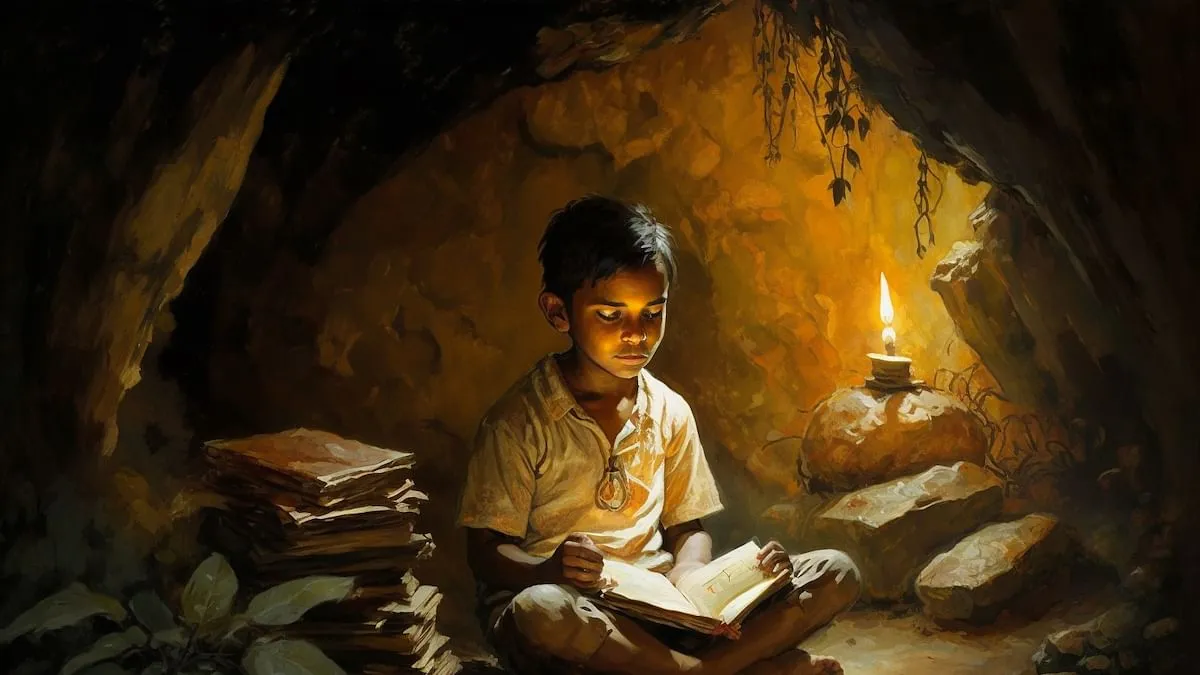
Knowledge is a light that resides within the student. The only task of the teacher is to move the walls that enclose and block this light. In his mellifluous and evocative profile of Mahamahopadhyaya Sri Hanagal Virupaksha Sastri, DVG mentions how the Acharya had a healthy dose of contempt for the printed matter – he…
-
Dharmic Education in an Age of Deliberate De-Hinduisation of Bharata

What we now call as “Dharmic education” was the natural state of our social and cultural life even 60-70 years ago. Even in the mid-1970s, we had a sizeable number of people who earned their livelihood as poets or singers or bards, performing Bhagavata Melas, Ram Katha, Puranas, Harikathas, etc. These artists were largely illiterate…