
-
Amta, West Bengal: Alleged Conversion Inducements Spark ViolenceA Call to Protect Freedom of Faith
Reports from Amta, West Bengal, describe an alleged attempt to induce religious conversion with monetary offers and the violence that followed local protests. The piece clarifies why freedom of conscience and freedom from coercion must be upheld together with the rejection of vigilantism. Readers gain an academic, balanced overview rooted in constitutional rights, practical policy…
-
In Pune, Jagadguru Shankaracharya urges vigilance, consent, and unity across dharmic faiths

A meeting in Pune between Hindu Janajagruti Samiti and Jagadguru Shankaracharya Swami Sadanand Saraswati Maharaj emphasized ethical vigilance, informed consent, and interfaith harmony. The guidance focused on protecting individuals from coercion while affirming constitutional religious freedoms. It encouraged evidence-based community programs, campus dialogues, and family counseling to build resilience. The perspective centered on unity across…
-
Christmas Decor Vandalised at Raipur Mall amid Chhattisgarh Bandh: Call for Calm and Dialogue

Reports from Raipur on 25 December 2025 indicated that Christmas decorations at a mall were vandalised during a Chhattisgarh Bandh over alleged religious conversions. The episode, occurring on a day of celebration, sparked widespread calls for calm, lawful conduct, and communal harmony. This analysis clarifies the distinction between peaceful protest and unlawful damage, situating the…
-
Haryana Abduction and Forced Conversion Allegations: Demands for Child Safety, Justice, and Harmony
Allegations from Haryana that a minor Hindu girl was abducted and forced to convert have prompted urgent calls for child safety, due process, and communal harmony. The report, dated Dec 10, 2025, underscores the need for transparent, evidence-based investigation by Haryana Police. Readers gain a clear framework for assessing such claims: prioritize child protection statutes,…
-
Hindutva as Bharat’s Soul: Hosabale Calls Ethical Anti-Conversion Safeguards for Unity
RSS General Secretary Dattatreya Hosabale emphasized that “Hindutva is the soul of Bharat” and urged ethical anti-conversion safeguards in Indore on December 1, 2025. The stance underscores a civilizational ethos that includes Hinduism, Buddhism, Jainism, and Sikhism, advocating unity through respect for diverse spiritual paths. An academic reading of the proposal points to laws that…
-
Punjab’s Changing Faith Landscape: Dialogue, Due Process, and Unity over Division
A recent call by the Punjab Bachao Andolan to address alleged conversion activities has reignited debate in Punjab about religious freedom, ethical outreach, and community cohesion. This analysis outlines a balanced, law-based path that protects voluntary faith choice while addressing concerns over coercion or inducement. It recommends evidence-driven inquiry, transparent safeguards, and ethical engagement standards…
-
VHP flags alleged conversion-record gaps: safeguard reservations with unity, data, and due process

VHP’s Prayagraj remarks spotlight an administrative challenge: aligning freedom of religion with fair, transparent reservation delivery. This post explains the current legal framework for SC, ST, and OBC benefits and why precise documentation matters. It recommends practical safeguardsdigitized updates, synchronized registries, time-bound verification, and privacy protectionsto prevent leakage without profiling. Emphasizing dharmic unity (Hinduism, Buddhism,…
-
Rajasthan’s Anti-Conversion Law: Prior Permission, Ghar-Wapsi, and Religious Freedom

Rajasthan’s anti-conversion law requires prior Government permission for any change of religion, while exempting ‘ghar wapsi’a return to one’s original faith. The policy distinguishes new affiliation from reversion, aligning the latter with continuity of identity. For families, the process encourages clarity and documentation, while institutions may benefit from greater transparency. Reactions vary: some see safeguards,…
-
Discover Assam’s Essential Legal Reforms: A Balanced, Complete Look at Marriage and Land Bills

Assam is preparing to table bills addressing alleged coercive conversion via marriage, uniform regulation of polygamy, and protection of religious endowment lands. Framed in constitutional and rights-based terms, the proposals aim to strengthen consent, equality, and heritage preservation. The approach emphasizes due process, proportionality, and safeguards against misuse, while maintaining space for legitimate interfaith marriages.…
-
The Complete Dharmic Ghar-Wapsi Debate: Discover Lessons from Devala-Smriti to the Meos
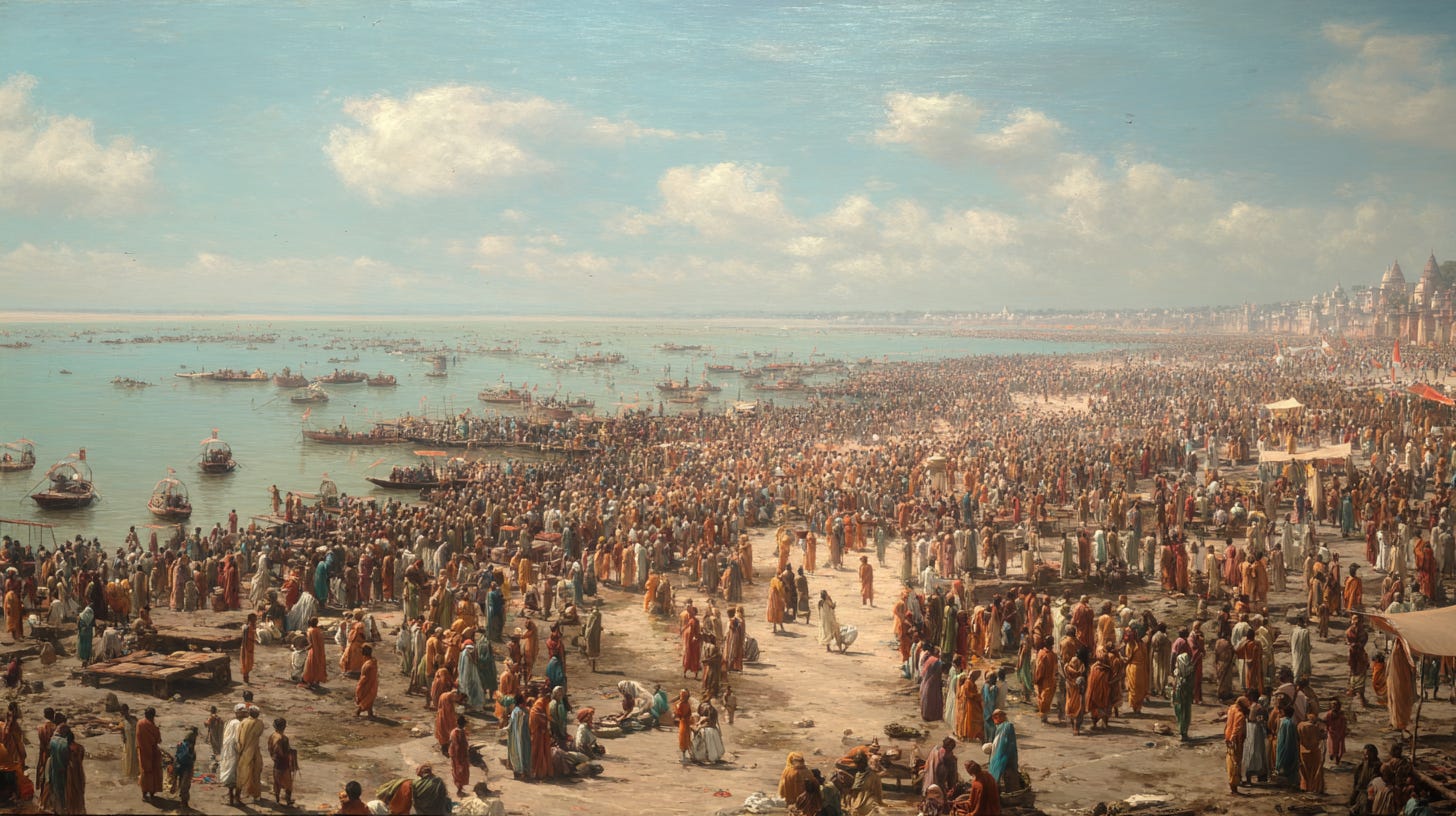
This analysis traces how Dēvala-Smriti, Vijnaneshvara’s commentary on Yājñavalkya-Smr̥ti, and Vidyāranya’s Pancadasi articulated principled pathways for Parāvartana (return) and Mlēcchita-śuddhih (purification). Readers discover how these sources offered durable tools for social reintegration, even in times of coercion and conflict. The discussion situates changing historical conditionsfrom early incursions to the Delhi Sultanateshowing why Śuddhikaraṇa became more…
-
The Complete History of Parāvartana: Discover Ghar-Wapsi from Vijayanagara to the Marathas
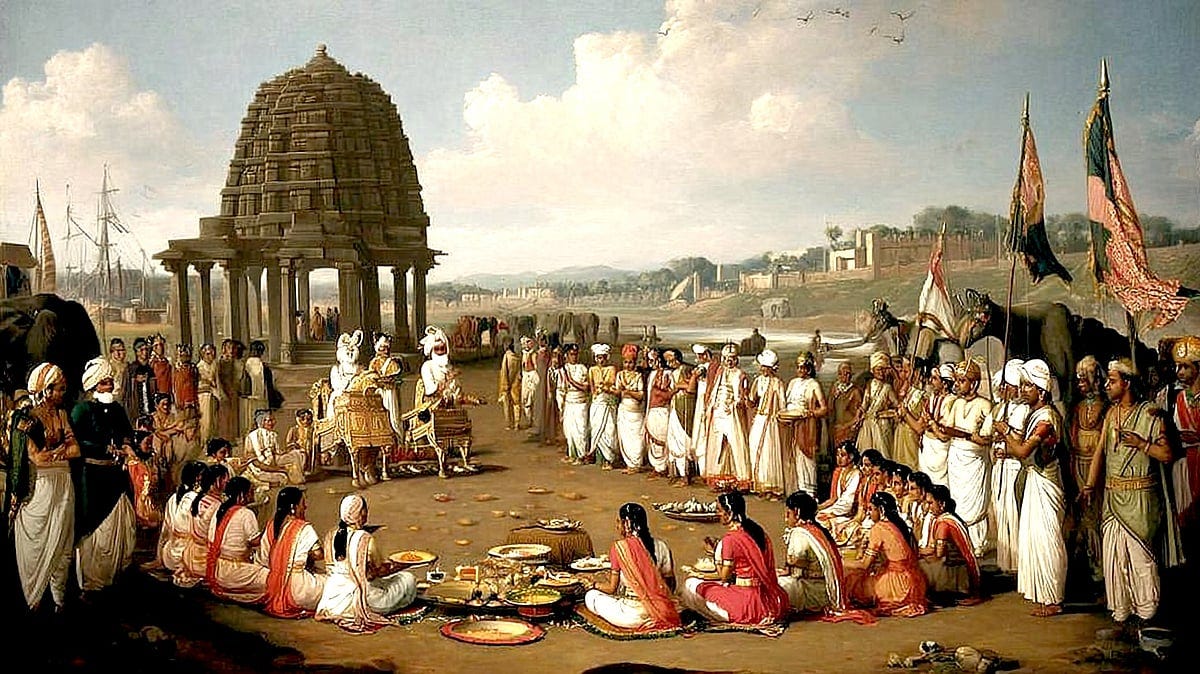
Parāvartana, or Ghar-Wapsi, has historically served as a voluntary, community-led pathway for social reintegration across the dharmic spectrum. Two landmark case studiesthe Vijayanagara mass Shuddhi after the 1398 CE Bahmani conflict and the Maratha-era institutional framework under Chhatrapati Shivajishow how restoration was pursued with consent, due process, and scriptural guidance. The Arya Samaj’s later Shuddhi…
-
Essential Brief: Discover the Facts on US Citizen’s Maharashtra Arrest and Conversion Claims
A United States citizen, identified in social media posts as “Watson,” was detained in Maharashtra for alleged religious conversion activities, with reports claiming he said “Hinduism is based on superstition.” Some posts also allege a link to the U.S. Defense’s 44th Air Defence, but this remains unverified. This brief separates confirmed facts from circulating claims…
-
When Bakhtiyar Khalji Wiped out Gauda-Desa from Existence

Bakhtiyar Khalji’s catastrophic devastation of the ancient city of Gaur marked a pinnacle in his career of plunder and genocide. Gaur, a historic center of Sanskrit learning and Hindu culture, was thoroughly obliterated, replaced by Islamic structures. This transformation permanently altered Bengal’s cultural and religious landscape, erasing its Sanatana past.
-
In Karl Marx’s Sick World, the Sacred Puri Jagannatha Temple was a Centre of Prostitution

This thought-provoking blog post delves into Karl Marx’s views on Indian history, culture, and Hinduism, emphasizing the significance of understanding these perspectives to comprehend the ideologies of Indian Marxists. The text highlights how Marx’s knowledge, while profound, was not free from biases and misjudgments. It critiques the limitations of Indian scholars’ analyses of Marx’s thoughts…
-
How Dravidianists Savaged the Tamil Hindu Heritage and Gifted Tamil Nadu to the Global Church

This blog post delves into the historical development of the Dravidian ideology in Tamil Nadu, tracing its evolution from linguistic separatism to religious separatism and the pervasive influence of the Church. The narrative revolves around the impact of Bishop Robert Caldwell’s writings and their role in shaping Dravidian identity, alongside the suppression of contrary evidence.…
-
Loneliness & Islamic Conversions and Woke Agenda

They are all connected! Let me explain. The connections within the family are breaking down. Broken marriages, long commutes, 24×7 work pressures and incredible time demands of work take a toll. My parent’s generation put their health and well-being on the back burner to meet these demands. The connections with grandparents and extended family have…