-
Why MHA’s Demographic Panel Visits Could Reshape India’s Border Security Debate

The MHA’s High-Level Committee on Demographic Changes is preparing field visits to border states, metro cities, industrial towns, and sensitive regions to study post-2011 population shifts. The inquiry is expected to focus on illegal immigration, abnormal demographic patterns, identity-document fraud, public service pressures, and local governance challenges. This long-form analysis explains why the issue must…
-
Gorakhpur’s Hindu Rashtra Adhiveshan: 160+ Groups Unite for Dharmic Unity and Legal Safeguards

Representatives from over 160 Hindu organisations met in Gorakhpur for the Hindu Rashtra Adhiveshan and agreed on a practical agenda: deepen Hindu unity across sampradāyas, expand temple-based outreach, and build lawful self-defence capacity. The analysis reframes contested terms into a rights-based, behaviour-specific, and religion-neutral policy blueprint aligned with India’s Constitution and Supreme Court precedent. It…
-
Reimagining Mumbai’s Slums: A Data-Driven Blueprint to Replace Informality with Dignity

Mumbai’s clearance of slums can be a turning pointif matched by a rigorous plan that both preserves urban livelihoods and ends unsafe, illegal housing. This analysis explains why slums form, how they subsidise city life through labour and logistics, and why a law-aligned city must replace them. It proposes a practical blueprint: mixed-income housing tied…
-
Maryland School Board Shift: Two Hindu Students Reclaim the Sacred Swastika through Policy

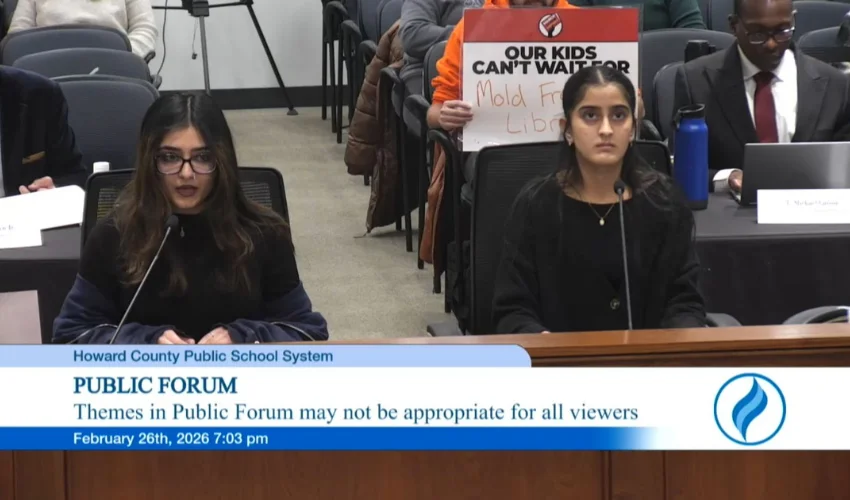
Two Hindu students catalyzed a policy review at the Howard County Public School System (Maryland) by clearly distinguishing the sacred Swastika from the Nazi Hakenkreuz. Their evidence‑based testimony advanced historical accuracy, reduced the risk of stigmatizing dharmic traditions, and offered practical guidance for K–12 educators. The Board responded by tasking its Policy Committee with updating…
-
Proven Fallout of Bad Regulation: Discover Smart Deregulation to Transform Indian Cities

Indian streets often reveal a stark mismatch: crowded footpaths of informal vendors and empty formal shops behind them. The difference is not demand, but regulation that makes legality costly and informality convenient. A Mumbai restaurant case shows the burden clearly40+ licences, a dozen inspectors, and hundreds of official interactions each year, often “smoothed” by bribes.…