
-
Unraveling the Soul in Mimamsa: Ritual Power, Karma Mechanics, and Liberation in Classical Hinduism
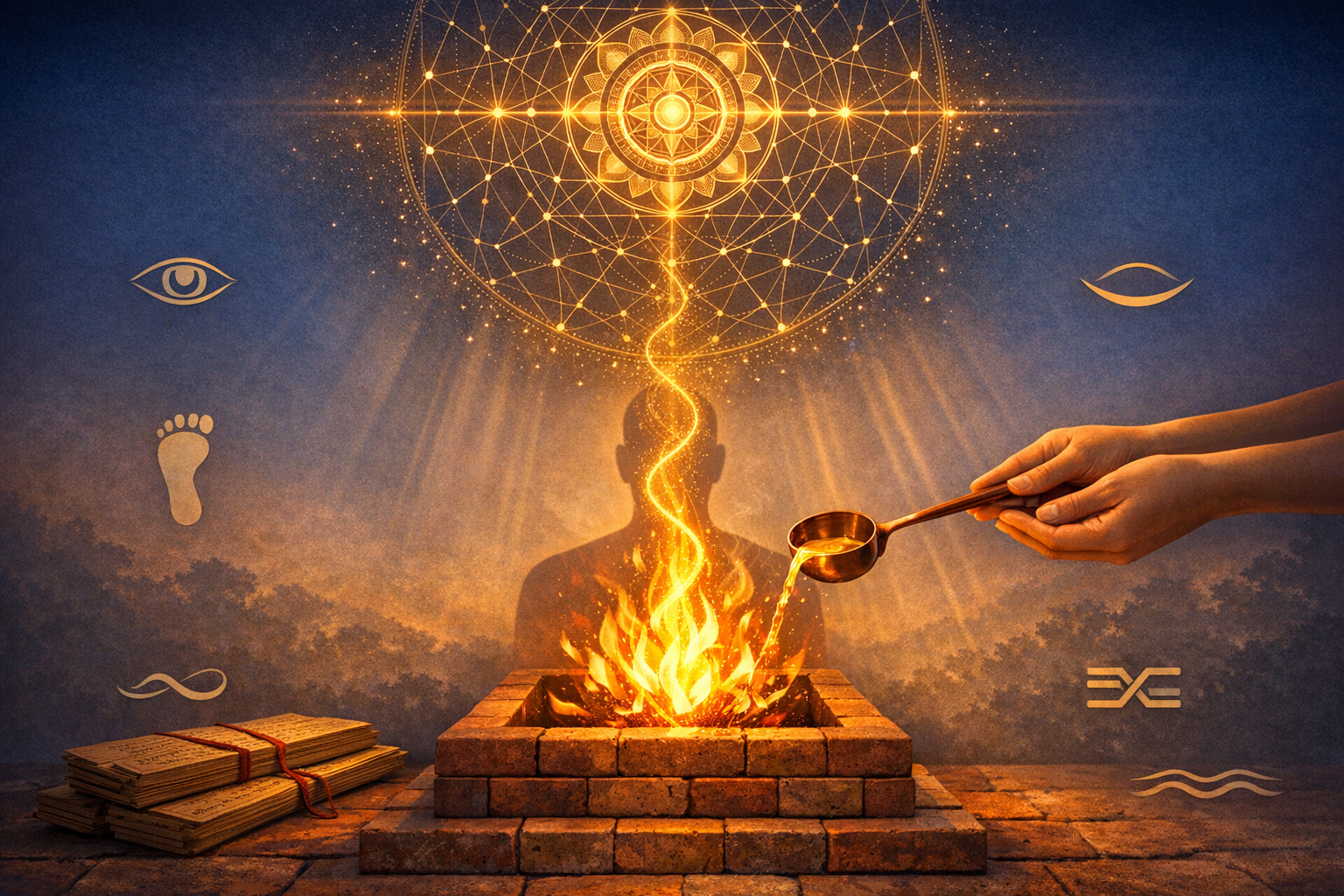
Mimamsa develops a precise account of the soul (ātman) by grounding ethics in Vedic authority, ritual grammar, and the law of karma. It explains how apūrva (the unseen potency) links present actions to future results, safeguarding karmic justice across rebirths without requiring a discretionary deity. The soul is eternal, responsible, and known through robust pramāṇa…
-
Dharma Decoded: The Profound Mimamsa–Vaisheshika Map of Duty, Ritual Power, and Liberation

This in-depth exploration clarifies how Mimamsa and Vaisheshikatwo classical Hindu darshanasdefine and operationalize dharma in distinct yet complementary ways. Mimamsa establishes the scriptural authority and hermeneutics of duty, introducing apūrva as the unseen link between rite and result. Vaisheshika supplies the ontological grammar and moral causality through adṛṣṭa, defining dharma as the cause of both…
-
Jnana–Karma Samuccaya Vada in Vedanta: Unifying Knowledge and Action on the Path to Moksha

Jnana Karma Samuccaya Vada explains how knowledge (jnana) and action (karma) can operate together on the path to moksha without diluting the distinctive role of each. Drawing on the Bhagavad Gita, Brahma Sutra, and classical Vedanta, it clarifies why Advaita treats karma as preparatory, how Bhedabheda argues for a robust synthesis, and how Vishishtadvaita and…
-
Bhagavan and Ishvara, One Truth: Why Vishnu and Shiva Bear These Timeless Honorifics

The titles Bhagavan and Ishvara carry precise theological weight in Hindu philosophy without enforcing hierarchy. Bhagavan highlights the plenary, relational fullness of the Divine, while Ishvara emphasizes sovereign lordship and cosmic governance. Scriptures apply both titles across deitiesVishnu is called Ishvara, and Shiva is addressed as Bhagavansignaling complementarity rather than exclusivity. Vedantic schools, Shaiva traditions,…
-
Ishwara in Mimamsa: A Rigorous, Compassionate Guide to God, Karma, and Vedic Ritual
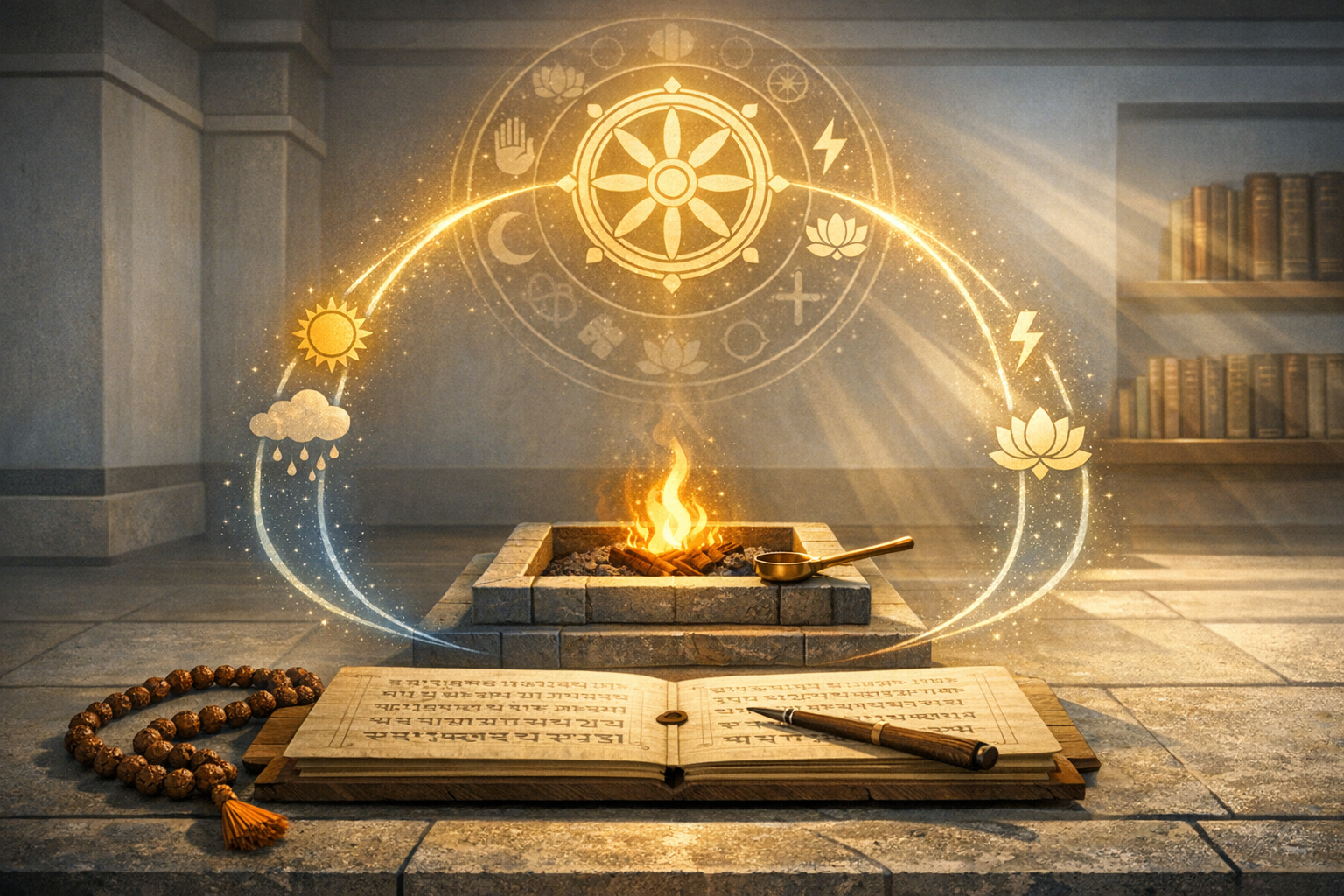
Mimamsa offers a precise, text-first account of dharma that clarifies how Vedic ritual, karma, and Ishwara interrelate without requiring a creator-God to ground moral order. By treating the Veda as apaurusheya and elevating shabda as an independent pramana, it shows why divine authorship is unnecessary for scriptural authority. Its law-like explanation of apurva/adrishta preserves ritual…