-
Rajaji versus Nehru: Recovering Political Decency in Post-Independence India

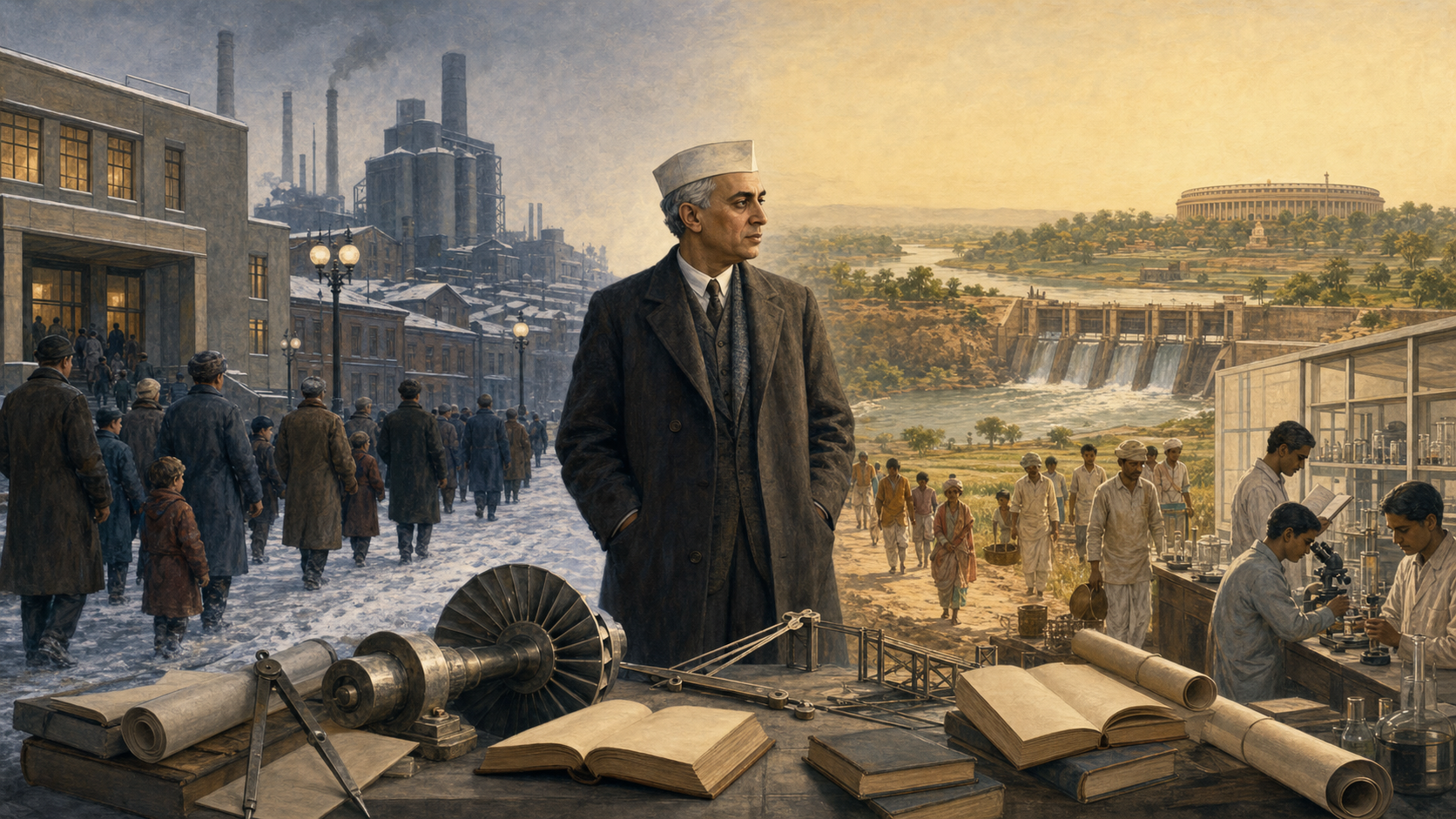
Rajagopalachari (Rajaji) embodied the rare scholar-statesman who coupled statecraft with civilisational wisdom. Drawing on contemporaneous reports and editorials from 1947–1952, this analysis maps how scarcity, discretionary controls, and weak accountability enabled a new political class and normalised black money in politics. It highlights internal voices of conscience—Konda Venkatappaiah, K.G. Mashruwala—and external critics like Sarat Chandra…
-
Inside Nehru’s Marxist Lens: Indo-Islamic Art, Mughal Decline, and India’s Enduring Vitality

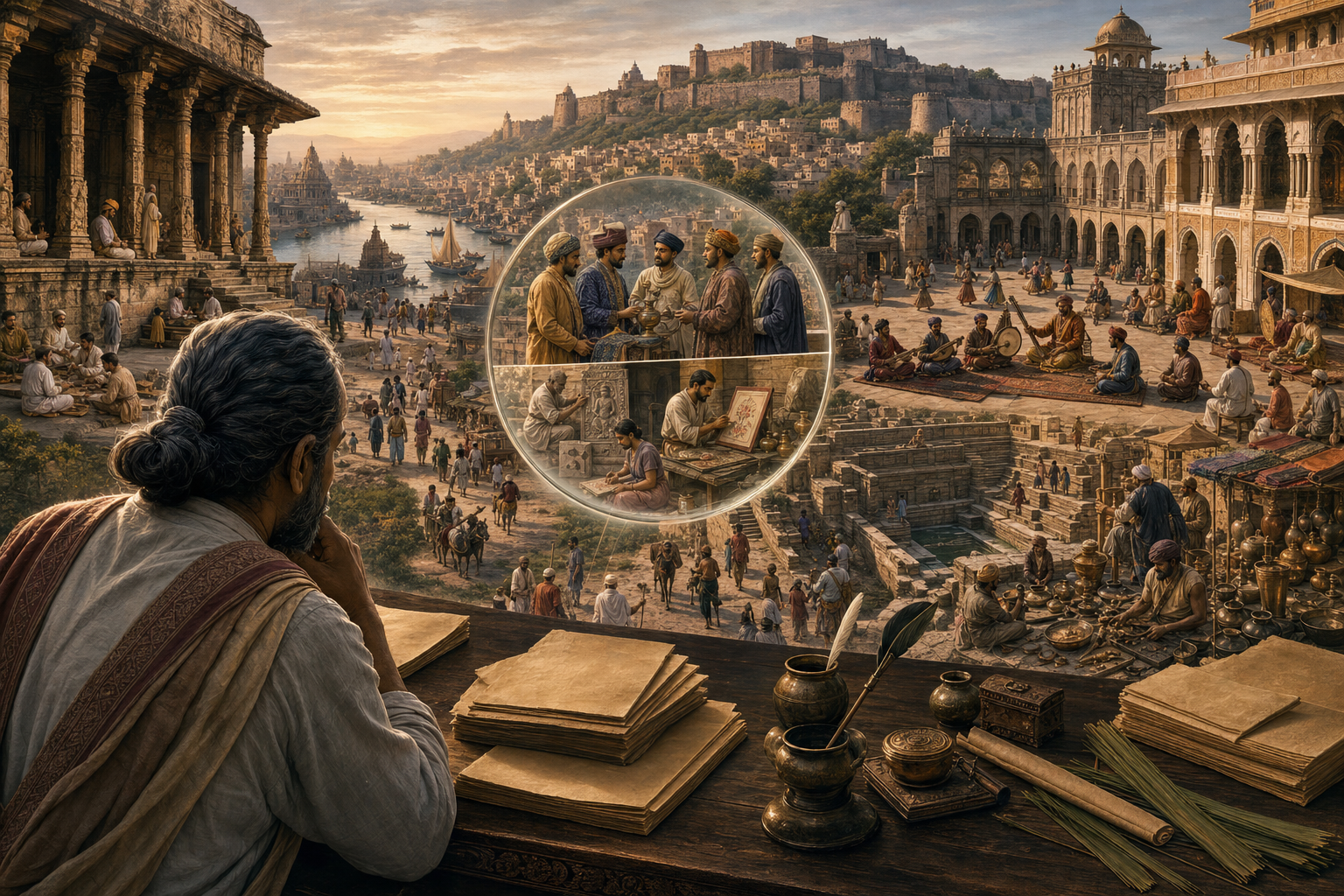
This essay reassesses Jawaharlal Nehru’s Marxist interpretation of medieval India, including his claim that “Islam shook India to its very foundations” and his use of Indo-Islamic architecture as a marker of social renewal. It explains how Nehru links aesthetic change to broader historical progress and why critics caution against drawing civilizational conclusions from art alone.…
-
Discover the Complete, Untold Case of K V S Manian and a Post‑Independence Due‑Process Breakdown

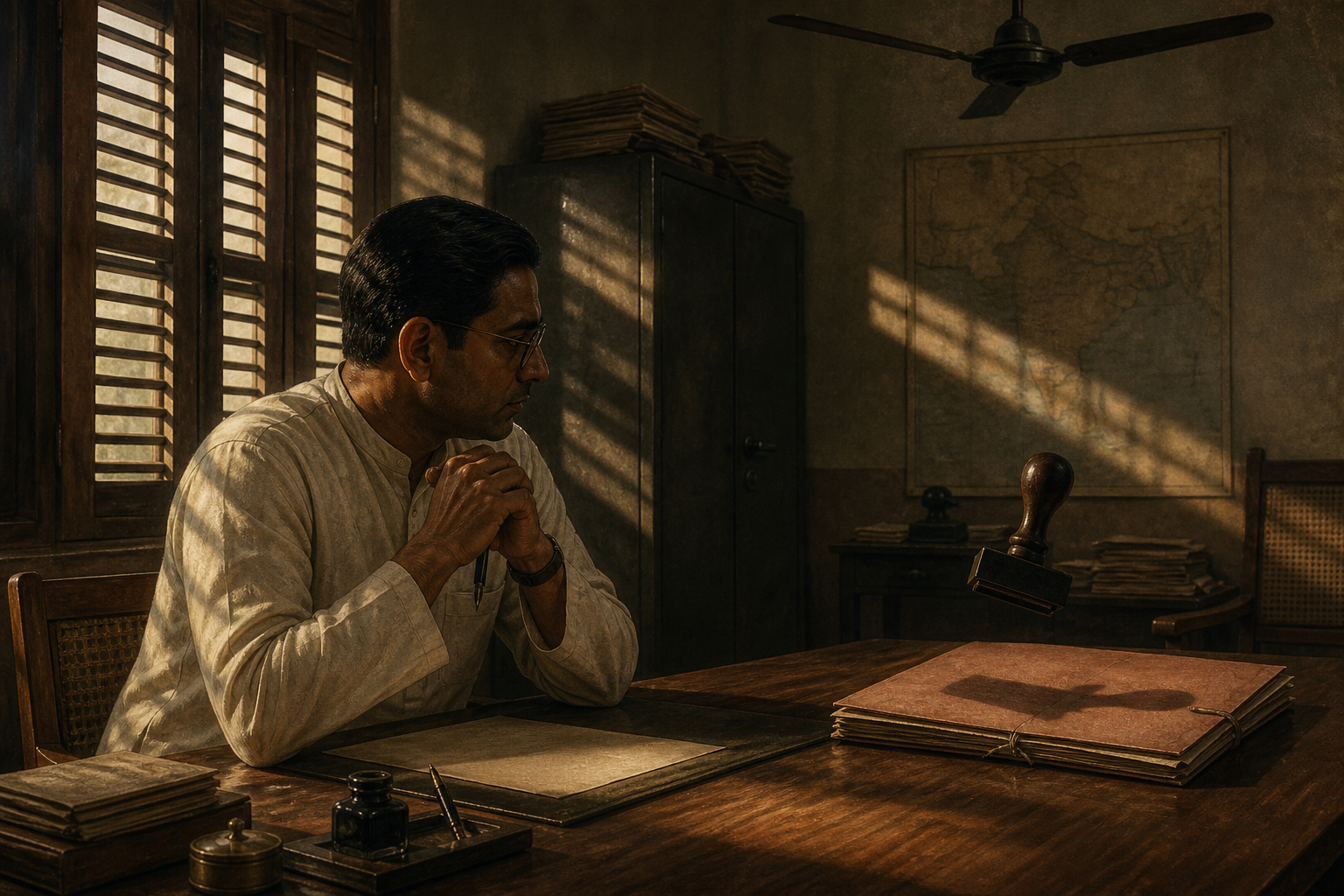
This post explores the untold case of stenographer K V S Manian, whose livelihood was jeopardized in the immediate post-independence period amid the ban on the Rashtriya Swayamsevak Sangh (RSS). It situates the episode within the Jawaharlal Nehru–led government’s early security priorities and examines how administrative zeal can undermine due process. Readers gain a clear…
-
The Myth that Mohandas Gandhi Alone Delivered Freedom to India

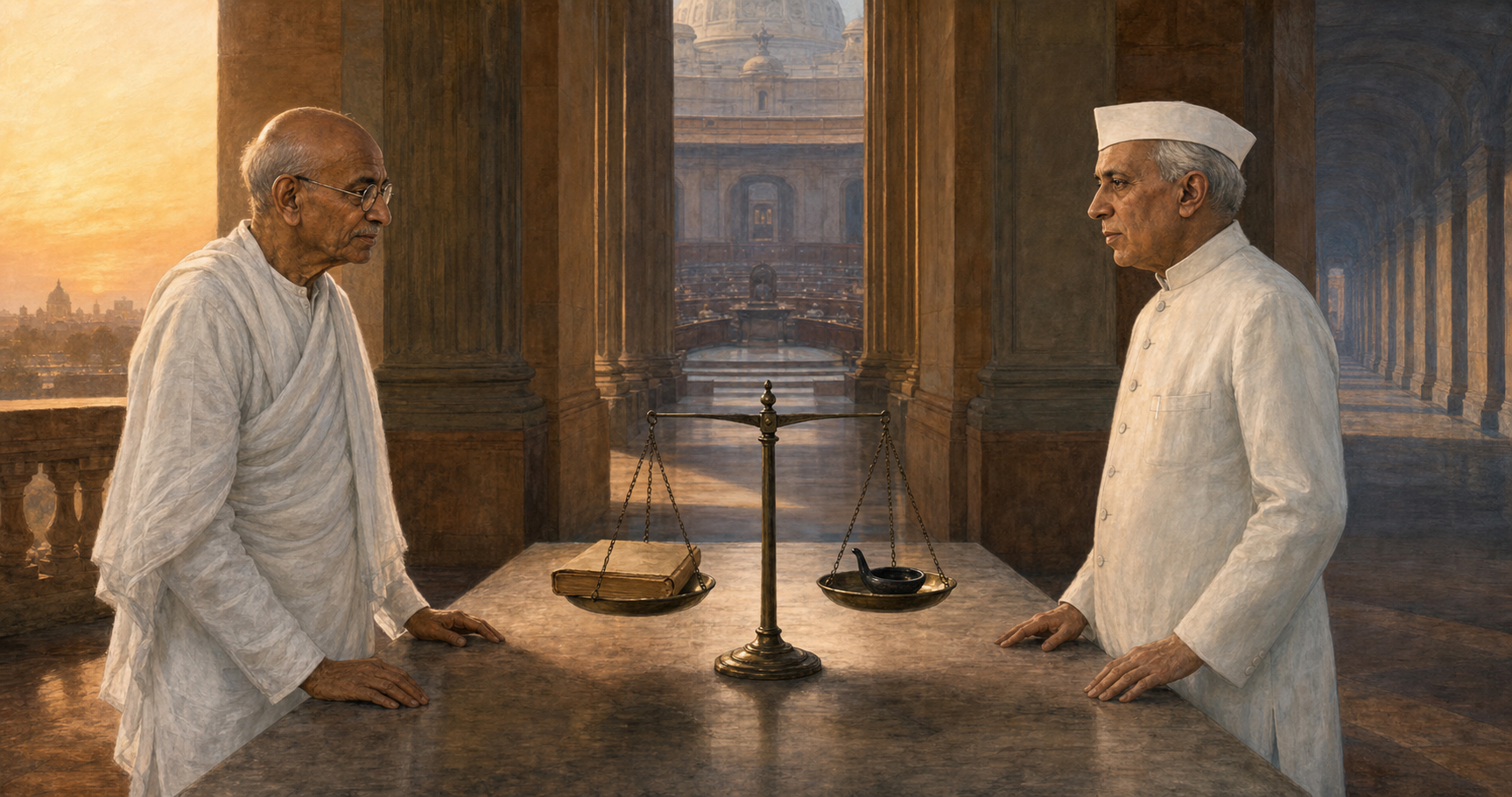
A hundred and fifty-four years after his birth, the legacy of Mohandas Karamchand Gandhi remains contested in India. Much of this uncertainty stems from extensive propaganda that has obscured vital truths about Gandhi as an activist, leader, politician, demagogue, and unlikely saint. One of the most enduring myths is encapsulated in the single word: Mahatma.…