
-
The Transformative Power of Divine Names: Vedas, Epics, and Dharmic Unity
Divine names, celebrated in the Vedas, Upanishads, Ramayana, and Mahabharata, provide a practical discipline to steady attention, calm the breath, and strengthen ethical living. By anchoring the mind in nāma-smaraṇa or japa, practitioners experience reduced stress and clearer moral judgment. The same principle appears across Buddhism (Om Mani Padme Hum), Jainism (Namokar Mantra), and Sikhism…
-
Under Siddha Bakula’s Canopy: Tracing Haridas Thakura’s 192 Rounds in Jagannath Puri

Siddha Bakula in Jagannath Puri remains a living shrine where Srila Haridas Thakura’s disciplined practice of chanting 192 rounds is remembered with reverence. The site’s tranquil canopy and devotional ambience naturally support japa, kirtan, and katha, helping visitors cultivate steadiness and clarity. Pilgrims frequently report a palpable serenity that encourages inner attention and gentle perseverance…
-
Proven Nighttime Practices to Transform Bad Dreams: An Essential Guide to Peaceful Sleep

Bad dreams are common and manageable with simple, structured pre-sleep practices. Chanting Om Namah Shivaya or Jai Gurudev as gentle japa calms the mind and supports peace of mind before bed. A short routineintention-setting, breath regulation, mantra repetition, and quiet mindfulnessreduces arousal and worry that fuel nightmares. Evidence-informed habits like steady breathing and focused attention…
-
Nama in Sri Vaishnavism: The Complete, Proven Path to Transformative Divine Identity

Sri Vaishnavism places divine remembrance at the center of spiritual life, and Namathe conferring of a devotional name within the Pancha Samskarasmarks a profound identity transformation. Grounded in prapatti and supported by practices such as Om Namo Narayanaya, japa, kirtana, and Vishnu Sahasranama recitation, Nama aligns personal purpose with devotion to Vishnu. The rite integrates…
-
The Essential Breakthrough: A Proven Resolution to Transform Life with Dharmic Mantra Chanting
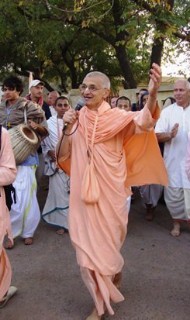
This essay advances a clear, practical resolution: expand chanting from a minimal obligation into a disciplined, heart-centered practice. Anchored in Srila Prabhupada’s guidance and the plea “Amala Harinama, amiya bilasa,” it critiques mechanical japa and proposes mindful integration through brief, frequent intervals of chanting, kirtan, and periodic Harinama Sankirtan. The approach aligns with Sri Chaitanya…
-
The Essential Power of the Holy Name: A Proven Path to Transform Mind, Society, and Spirit
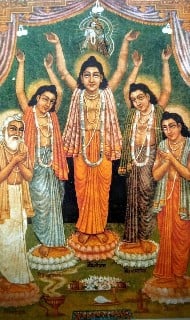
The post explains how chanting the holy nameacross Hinduism, Buddhism, Jainism, and Sikhismserves as a practical and unifying discipline in Kali-Yuga. Regular practice helps cleanse harmful habits, quiet negative thoughts, and build clarity and peace of mind. Practitioners report greater self-control and resilience against intrusive or unhealthy influences. Group chanting strengthens trust and compassion, aligning…
-
Essential Bhakti Breakthrough: Discover Srila Prabhupada Lilamrita with H.G. Daivi Shakti Mataji
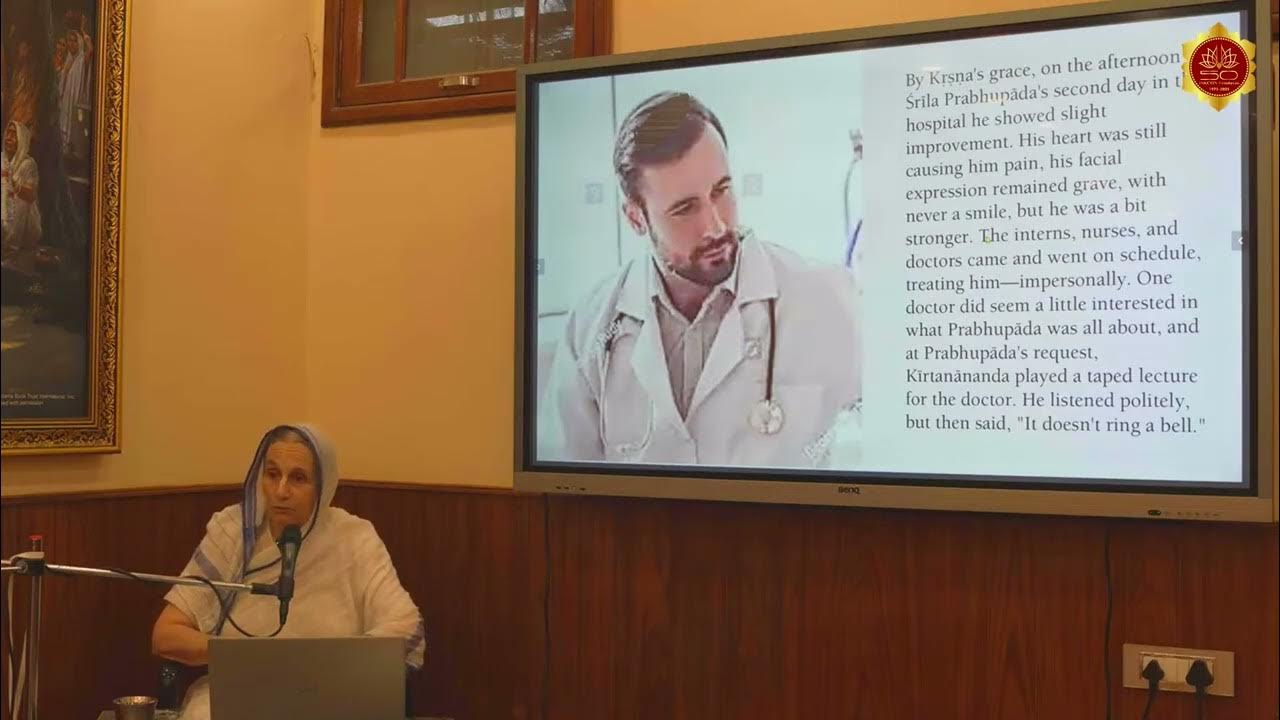
This post examines Srila Prabhupada Lilamrita through the lens of the Bhakti Tradition and insights associated with H.G. Daivi Shakti Mataji. Readers discover how chanting and japa cultivate focus, resilience, and compassion in contemporary life. The reflection highlights parallels across Hinduism, Buddhism, Jainism, and Sikhismsuch as mantra recitation, samayik, and simranshowcasing unity in spiritual diversity.…
-
Master Krittika Nakshatra: The Complete Guide to Mahavidya Upasana for Transformative Sadhana

Krittika Nakshatra aligns naturally with Mahavidya Upasana that emphasizes purification, discipline, and focused inner fire. Rooted in Vedic insight, this approach channels Krittika’s solar and Agni-led symbolism into practical sadhana anchored by sankalpa, japa, dhyana, and pranayama. Ethical frameworks such as yama and niyama ensure intensity becomes wisdom, turning the blade’s metaphor into compassionate discernment.…
-
Discover the Proven Transformative Power of the Holy Name: Garuda Purana’s Essential Insight

This article examines the Garuda Purana’s analogy of a snake-bite to explain how hearing sacred names revives spiritual awareness. It presents the maha-mantraHare Krsna, Hare Krsna, Krsna Krsna, Hare Hare/ Hare Rama, Hare Rama, Rama Rama, Hare Hareas a practical, accessible method within the Bhakti Tradition. The discussion connects mantra hearing with benefits commonly reported…
-
Essential Home Bhakti: Discover a Proven, Anywhere-Anytime Krishna Consciousness Chant
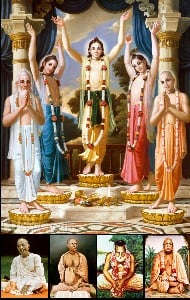
This article presents home-based Krishna consciousness as a steady, compassionate discipline within the Bhakti Tradition. It emphasizes anywhere-anytime chanting as a practical method woven into daily life. The approach is inclusive and nonsectarian, affirming unity among Hinduism, Buddhism, Jainism, and Sikhism. The sacred sound Hare Krishna, Hare Krishna, Krishna Krishna, Hare Hare/ Hare Rama, Hare…
-
Complete Guide to Chandra Darshan Mantras: Master Japa with Proven Moola and Beeja

Chandra Darshan, the first sighting of the moon after Amavasya, is supported by two precise Sanskrit mantras preserved here in clean Devanagari for accurate japa and arghya. The moola mantra ॐ सोम सोमाय नमः aids calm clarity during darshan, while the beeja-mantra ॐ श्रां श्रीं श्रौं सः चन्द्राय नमः is commonly used for Chandra shanti…
-
From Sthula to Sukshma: The Journey of Spiritual Practice

This blog post explores the journey from gross to subtle in Sanatana Dharma through meditation and japa. It delves into the importance of increasing sattva, the role of chakras in Raja Yoga, and the progressive nature of spiritual practices, emphasizing focus and one-pointedness to achieve spiritual realization.