-
Ramanandis in Hinduism: Powerful Bhakti Legacy of Devotion and Social Unity
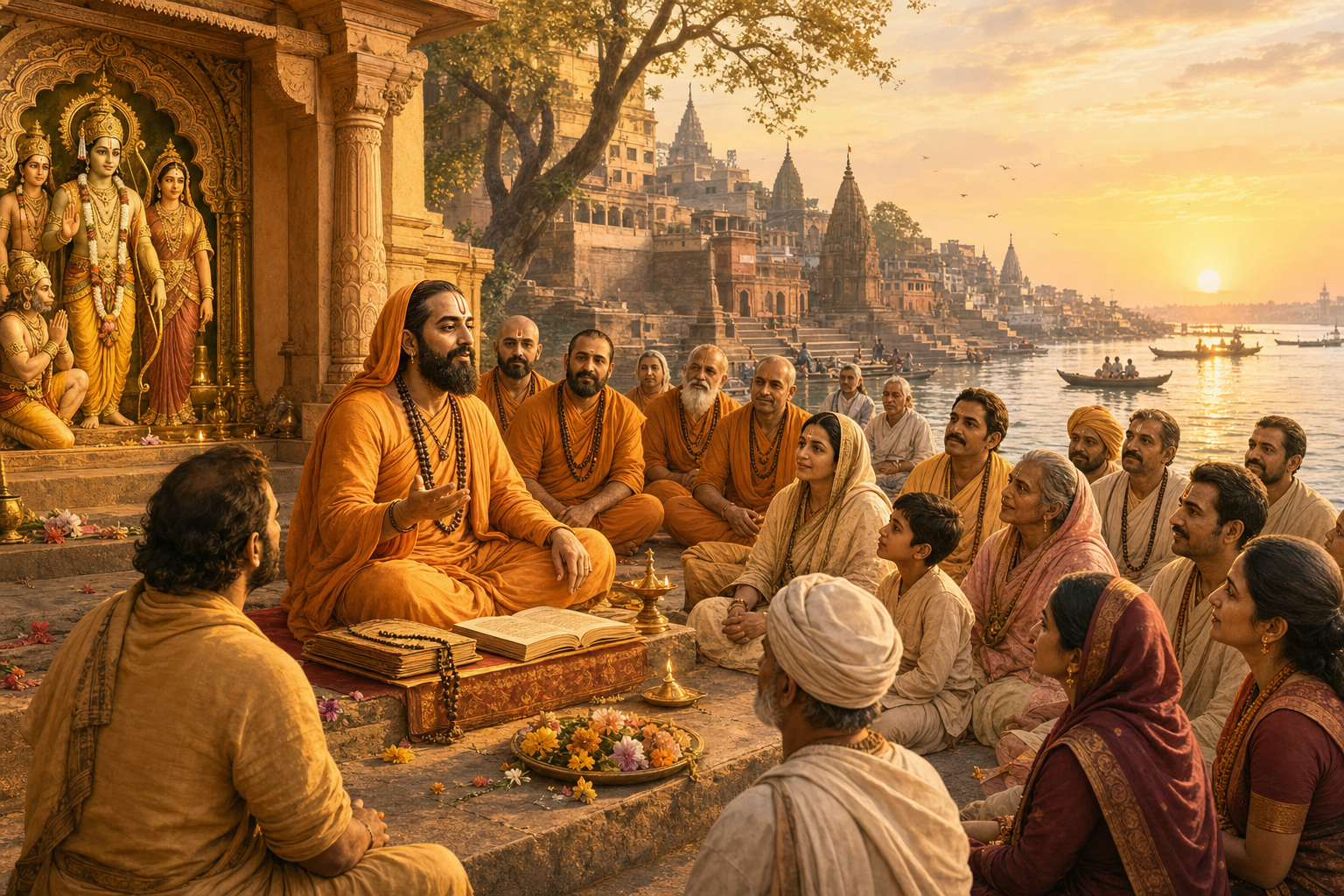
The Ramanandis are one of the most influential Vaishnava orders in Hinduism, rooted in the devotional legacy of Ramananda and centered on Rama-bhakti. Their tradition combines Vishishtadvaita-influenced theology, vernacular devotion, monastic discipline, pilgrimage culture, and a strong emphasis on divine grace. This article explains their history, philosophy, ascetic institutions, literary influence, and continuing relevance in…
-
Kalamukhas vs Kapalikas: decoding enigmatic Shaiva asceticstheir history, rituals, and legacy

This long-form, research-based comparison clarifies who the Kalamukhas and Kapalikas were, where they thrived, and how they practiced. It distinguishes inscription-rich Kalamukha institutions in Karnataka and Andhra from the more liminal, Bhairava-oriented Kapalikas known through Sanskrit literature. It explains the ritual logic behind skull-bowls, black forehead marks, temple endowments, and cremation-ground sādhanā without sensationalism. It…
-
Akka Mahadevi Jayanthi 2026 on Chaitra Pournami: Fearless Bhakti, Timeless Vachanas, Living Heritage

Akka Mahadevi Jayanthi, celebrated on Chaitra Pournami, honors the 12th-century Kannada mystic-poet whose Vachanas transformed the Veerashaiva (Lingayat) Bhakti movement. In 2026, the observance falls on April 1, aligning devotion and study with the full moon’s auspicious clarity. The post explores Akka’s life, theological insights, and literary crafther ankita to Chennamallikarjuna, digambara-like renunciation, and engagement…
-
Lingadharana in Virashaivism: The Sacred Wearable of Shiva-Bhakti Shaping Identity and Unity

Virashaivism distinguishes itself within Shaivism through Lingadharana, the uninterrupted wearing of the Ishtalinga as a living emblem of devotion and ethical accountability. Grounded in the Ashtavarana and Panchachara, this practice fuses Shaiva metaphysics with daily discipline, ensuring that remembrance of Shiva accompanies every action. Historically prominent in 12th-century Karnataka and associated with Basava and the…
-
Mahanubhav Sampradaya: 13th-Century Origins, Key Differences, and Transformative Teachings

This introduction to the Mahanubhav Sampradaya situates the tradition in 13th-century Maharashtra and the wider Bhakti movement, highlighting Shri Chakradhar Swami’s role and the veneration of five gurus. Readers gain a clear overview of its important teachingsBhakti, ethical discipline, simplicity, and inclusivityand how these shape daily practice. The article clarifies key differences from other Bhakti…