-
Safeguarding Dignity at Work: VHP’s Nationwide Corporate Outreach on Hindu Women’s Safety and Rights

VHP’s plan to engage corporates nationwide on workplace concerns involving Hindu women is best understood through a rights-based, evidence-driven lens. This long-form analysis situates the initiative within India’s constitutional protections and statutes such as the POSH Act, along with NGRBC, BRSR, and the UNGPs. It differentiates key risk categories spanning harassment, grooming, coerced proselytization, retaliation,…
-
Why #BoycottLenskart Erupted: Outrage Over Alleged Dress Code Bias Against Dharmic Symbols

A nationwide #BoycottLenskart trend spotlighted alleged disparities in an internal dress code said to allow the hijab while prohibiting dharmic identifiers such as the bindi, tilak, and kalawa. This analysis explains why asymmetrical exemptions can amount to indirect discrimination and outlines a neutrality-first approach that is fair, lawful, and culturally literate. Readers will find a…
-
Lenskart Dress Code Controversy: Evidence-Based Roadmap for Inclusive, Rights-Aligned Workplaces

Allegations in April 2026 that Lenskart circulated an “anti-Hindu” dress code underscore a broader national need for inclusive, rights-aligned uniform policies in retail. This analysis avoids polarisation and instead offers an evidence-based roadmap grounded in India’s constitutional guarantees, ILO Convention 111, and the UN Guiding Principles on Business and Human Rights. It synthesizes court signals…
-
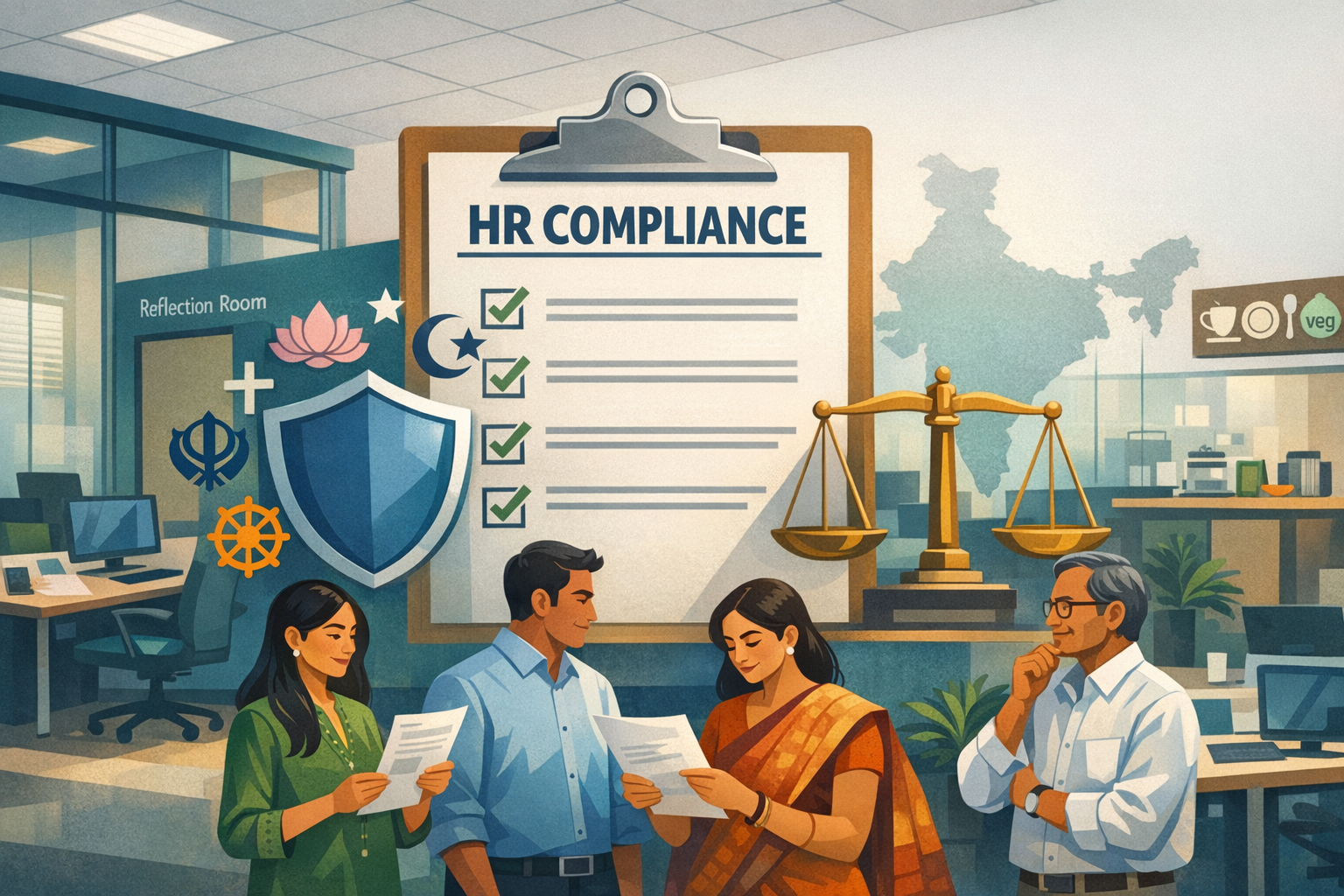
Alleged Nashik BPO harassment: religious coercion claims expose urgent HR compliance gaps

Allegations from a Nashik BPO facility have spotlighted the intersection of workplace harassment, religious coercion, and HR compliance in India. This analysis centers on employee dignity, freedom of conscience under Article 25, and the employer’s legal duties under the POSH Act and broader anti-harassment norms. It outlines how to design robust redress systems, conduct impartial…