-
Beyond the ‘Muslim Era’ Myth: India’s Dharmic Resistance and Civilizational Resilience

This article challenges the simplistic label of a singular ‘Muslim era’ in India and presents a more rigorous, dharmic-centered account of medieval and early modern history. It highlights how Indian politiesHindu, Jain, Buddhist, and later Sikhchecked, accommodated, and ultimately reshaped external and transregional powers over centuries. Readers gain a clearer timeline of key resistances, from…
-
Somnath 1026: Mahmud of Ghazni’s ruthless raid and a lasting wound to India’s heritage

Somnath’s fall in 1026 CE under Mahmud of Ghazni is retold here with academic clarity, historical sources, and a focus on cultural heritage. The narrative traces the desert march, the sieges across Kathiawar, the breach at Somanatha, and the temple’s destruction as recorded by Al-Biruni and Firishta. It contextualizes Bhima I’s withdrawal, the resistance at…
-
NCERT’s new textbook reveals Ghaznavi’s raids and Somnath to foster balanced, inclusive learning

NCERT’s new textbook presents a more detailed, evidence-based account of Mahmud Ghaznavi’s campaigns, including the attack on Somnath, within the fuller context of 11th-century Indian history. The material prioritizes historiographical rigor by drawing on multiple sources and clarifying the political, economic, and cultural drivers of conflict. Students benefit from clearer timelines, geographies, and motives that…
-
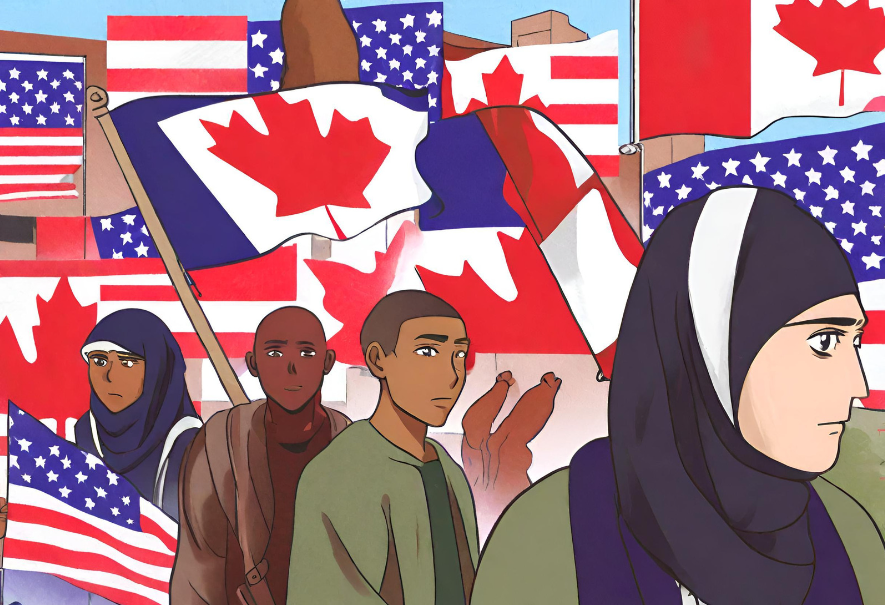
If the West Bends Over Any Further, We’ll Be Left with a Broken Spine: Nations and Muslim Appeasement

This insightful blog post delves into the complex issue of appeasement in Western nations and its potential consequences in the face of extremist Islamic jihadist ideologies. Drawing from historical events and lessons, it cautions against the dangers of bending too far in the direction of compassion, underscoring the need for a careful balance between empathy…