
-
Jalandhara Katha: The Complete Saga of Shiva’s Battle and Vishnu’s Secret Boon

The Jalandhara Katha recounts the ascent of the asura Jalandhara, the cosmic battle with Lord Shiva, and Lord Vishnu’s subtle yet decisive intervention. Drawn from Puranic sources such as the Padma Purana, the tale situates power, devotion, and strategy within a broader conversation on Dharma and Adharma. Jalandhara’s strength, bound to Vrinda’s unwavering fidelity, created…
-
The Complete Story of Takshaka and Parikshit: Essential Insights into Karma and Vengeance
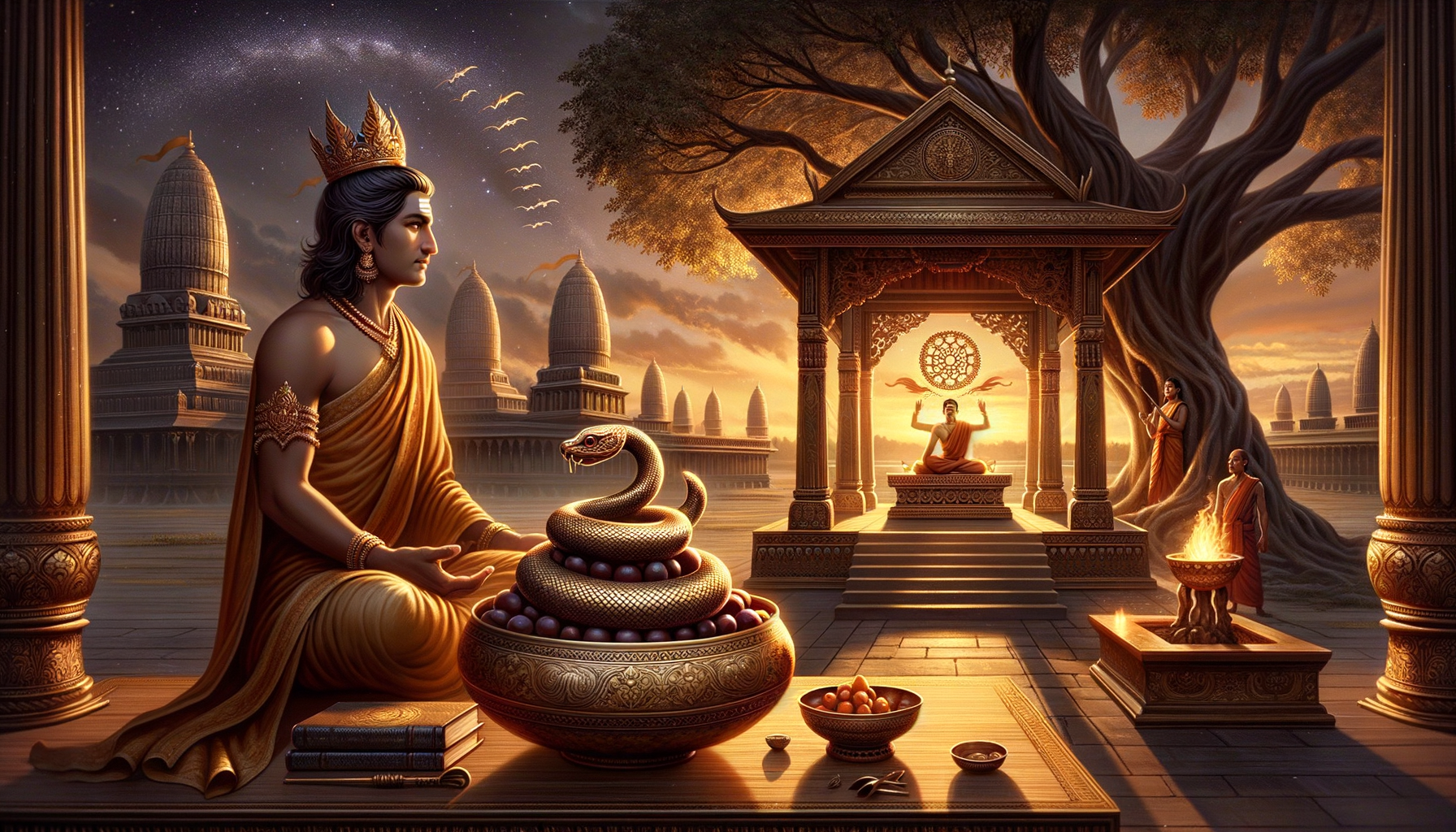
This article examines the complete story of Takshaka and King Parikshit through the lens of the Mahabharata, clarifying why the serpent king executed the curse and how older enmities shaped events. It traces the chain from Parikshit’s lapse with Sage Sameeka to Śṛṅgi’s curse, Takshaka’s calculated stratagem, and Janamejaya’s subsequent Sarpa Satra. Readers gain a…
-
Born Bad or Made Bad? Discover a Complete, Evidence‑Based Guide to Evil in Dharmic Thought

The everyday debateborn bad or made badfinds a nuanced resolution in Dharmic thought. Hindu philosophy integrates guṇas, karma, and saṁskāras with the formative power of culture and community. Buddhism explains harmful actions through dependent origination, making transformation possible via ethics, meditation, and wisdom. Jain Anekantavada reframes blame by recognizing many-sided causes while prioritizing ahimsa and…
-
Mahakapala in the Ramayana: Discover the Complete Path to Moksha through Divine Grace
Mahakapala’s brief but evocative appearance in Ramayana lore illustrates how divine grace can reveal the path to moksha even for those aligned with adharma. Framed within Dharma-Yuddha, his defeat is contemplated as a sacred end that preserves justice and dignity. The narrative shows how loyalty becomes virtue only when tethered to truth, and how sincere…
-
Essential Dharma Breakthrough: How Silent Goodness Enables Eviland How to Transform It

Indraprastha’s Rajasuya yajna offers an enduring lesson: when courtesy lacks boundaries, adharma grows. The Mahabharata shows how excessive toleranceat the Rajasuya and later in the dice hallcan legitimize injustice, as seen in the silence during Draupadi’s humiliation. Dharma demands proportionate, principled action after patient dialogue, a sequence Sri Krishna models in the Udyoga Parva. This…
-
Complete Guide to Manu in Hinduism: Discover the Timeless Law-Giver Beyond Gender and Time

This article examines Manu as both archetype and title within Hindu cosmology, clarifying how fourteen Manus guide each kalpa and why the role is best understood as beyond gender and bound to time cycles. It situates Manusmriti within the broader Dharmashastra tradition, highlighting contextual interpretation and ongoing ethical refinement. The narrative of Vaivasvata Manu and…
-
Essential Dharmic Lens on Trump’s Middle East Peace: Discover Hope, Risks, and Paths Forward
This analysis applies a dharmic lens to the Israel–Hamas conflict and the broader Middle East, exploring why high-profile peace initiatives, including those linked to Donald Trump, inspire both hope and skepticism. It highlights the dangers of absolutist narratives while distinguishing extremist ideologies from entire faiths. Drawing on the Mahabharata and Ramayana, it explains why Dharma…
-
Shravana Kumara in Ramayana: The Essential Story of Innocent Suffering and Divine Justice

Shravana Kumara’s episode in the Ramayana offers a moving meditation on innocent suffering, filial duty, and divine justice. Readers gain an accurate, accessible account of the story and its karmic implications for King Dasharatha. The analysis highlights dharma versus adharma and explains how compassion, restraint, and accountability create moral balance. Parallels across Buddhism, Jainism, and…
-
Ultimate Ramayana Insight: Guru Shukracharya’s Prophetic Curse and Ravana’s Downfall
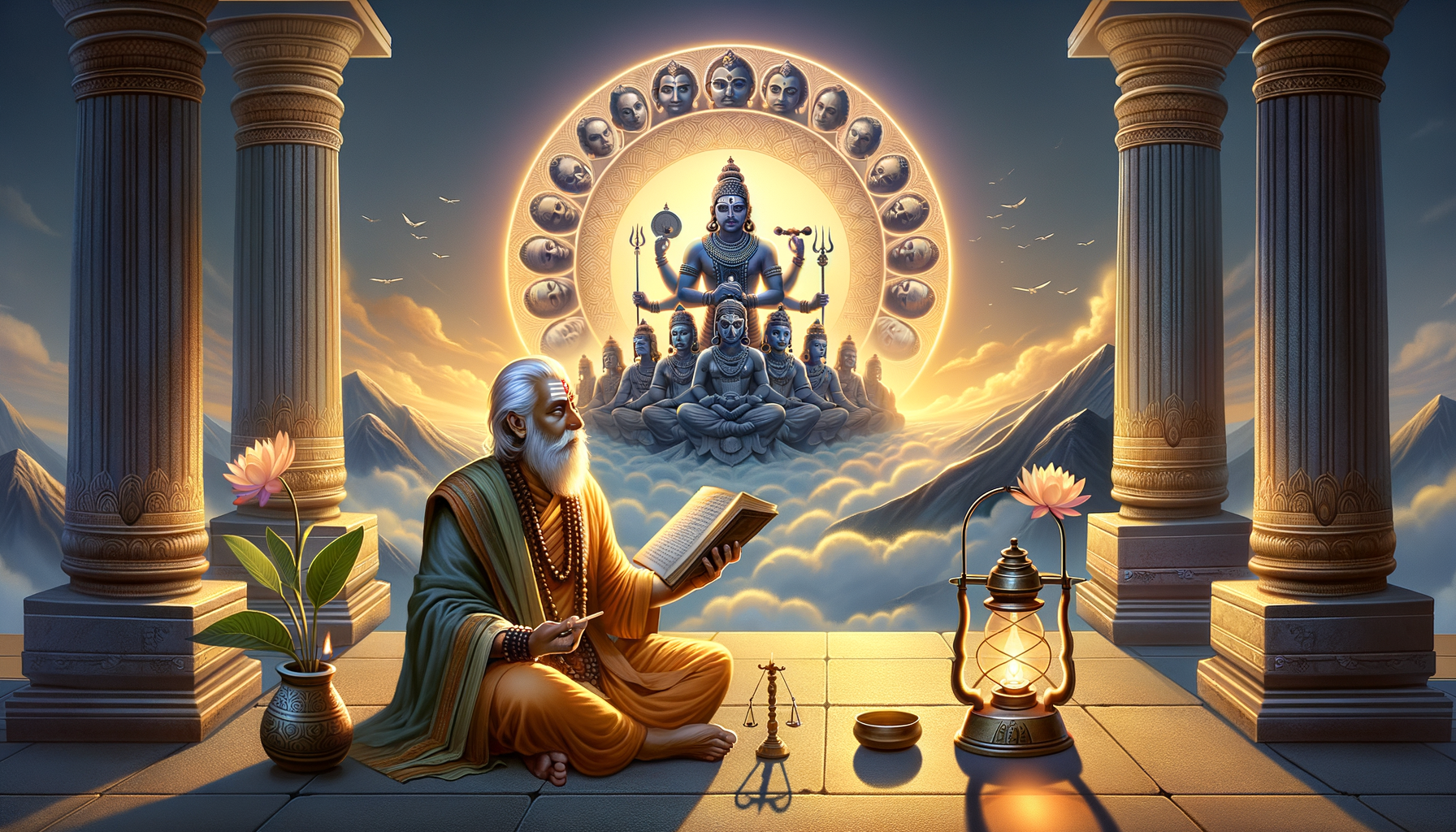
This exploration presents a scholarly reading of a lesser-known Ramayana motif linking Guru Shukracharya’s prophetic curse with Ravana’s downfall. It situates the episode within Hindu scriptures while acknowledging parallel vows and pronouncements such as those of Nandi, Vedavati, and Nalakubera. Readers discover how the language of “curse” functions as ethical causality, reinforcing the Ramayana’s core…
-
Essential Truth of ‘Finding Sita’ in Kali Yuga: Discover a Proven Path to Living Virtue

The phrase “impossible to find a Sita in Kali Yuga” is best read as a call to cultivate, not abandon, virtue. Grounded in the Ramayana and supported by shared ethics across Hinduism, Buddhism, Jainism, and Sikhism, Sita represents steadfast character, dignity, and courage under trial. Kali Yuga challenges these qualities, but does not extinguish them.…
-
Jainism’s Essential View on Abortion: Discover Ahimsa, Anekantavada, and Ethical Conduct
Jain ethics treats human life as sacred from conception, grounding its viewpoint on abortion in the primacy of ahimsa (non-violence). Within this framework, abortion is generally prohibited as hiṁsā, while anekantavada encourages humility and nuanced reflection in complex situations. Practical guidance emphasizes conscientious Family Planning and non-abortifacient Contraception, aligned with Brahmacharya Anuvrat and Right Conduct.…
-
Discover the Essential Bhagavad Gita: A Warrior’s Proven Path Through Life, Death, and Duty

I share how I discovered the Bhagavad Gita not in quiet meditation halls but on the battlefield of Kurukshetrawhere Arjuna and Sri Krishna speak to life’s hardest choices. In this first-person reflection, I connect the Gita’s teachings on dharma, adharma, and Karma Yoga to everyday decisions, crises, and responsibilities. You’ll see why this scripture from…
-
Episodes from the Udyoga Parva as Profound Guides to the Contemporary Hindu Society

Delve into the Udyoga Parva, a pivotal section of the Mahabharata, and explore its significance as a guide to statecraft, diplomacy, ethics, and values. This blog post draws parallels between the Udyoga Parva and the Sundara Kanda in the Ramayana, highlighting how both serve as preludes to battles defending Dharma against Adharma. Contrasting Sri Rama’s…