-
Ashes of Lanka: Subaltern Ramayana Insights on Dharma, Civilians, and War Ethics

This essay reframes the burning of Lanka in Sundara Kanda through a subaltern, ethically rigorous lens that centers the ordinary people of the golden city. It retains reverence for Hanuman’s strategic brilliance and Sri Rama’s cause while probing the moral costs of urban fire on artisans, traders, elders, and children. Drawing on Dharmayuddha norms and…
-
Maryland School Board Shift: Two Hindu Students Reclaim the Sacred Swastika through Policy

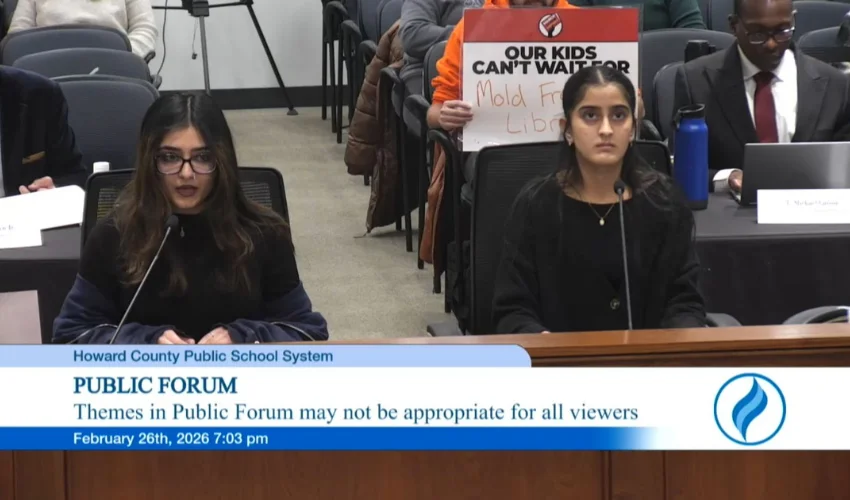
Two Hindu students catalyzed a policy review at the Howard County Public School System (Maryland) by clearly distinguishing the sacred Swastika from the Nazi Hakenkreuz. Their evidence‑based testimony advanced historical accuracy, reduced the risk of stigmatizing dharmic traditions, and offered practical guidance for K–12 educators. The Board responded by tasking its Policy Committee with updating…
-
CoHNA Demands Correction: Ye’s WSJ Apology Mislabels Swastika as Hakenkreuz

CoHNA urges Ye and The Wall Street Journal to correct a paid advertisement that mislabels the sacred Swastika as the Nazi Hakenkreuz. The distinction is historically established: the Nazi emblem was called the Hakenkreuz, while the Swastika has denoted auspiciousness in Hindu, Buddhist, and Jain traditions for millennia. Legislatures in Virginia and California, and the…
-
Surpanakha and Rama: A Heart‑Rending Clash of Cultures in the Ramayana’s Moral World

This analysis reframes Surpanakha’s meeting with Rama as a cross-cultural encounter shaped by contrasting ethical codes. It explores how direct desire, marital fidelity, and ascetic restraint collide in Panchavati and why the misreading escalates into conflict. Readers gain a nuanced view of Surpanakha’s agency without moral reductionism. The discussion highlights consent, proportionality, and empathy as…