-
The Silent Encirclement: How China Is Reshaping the Bharatiya Subcontinent

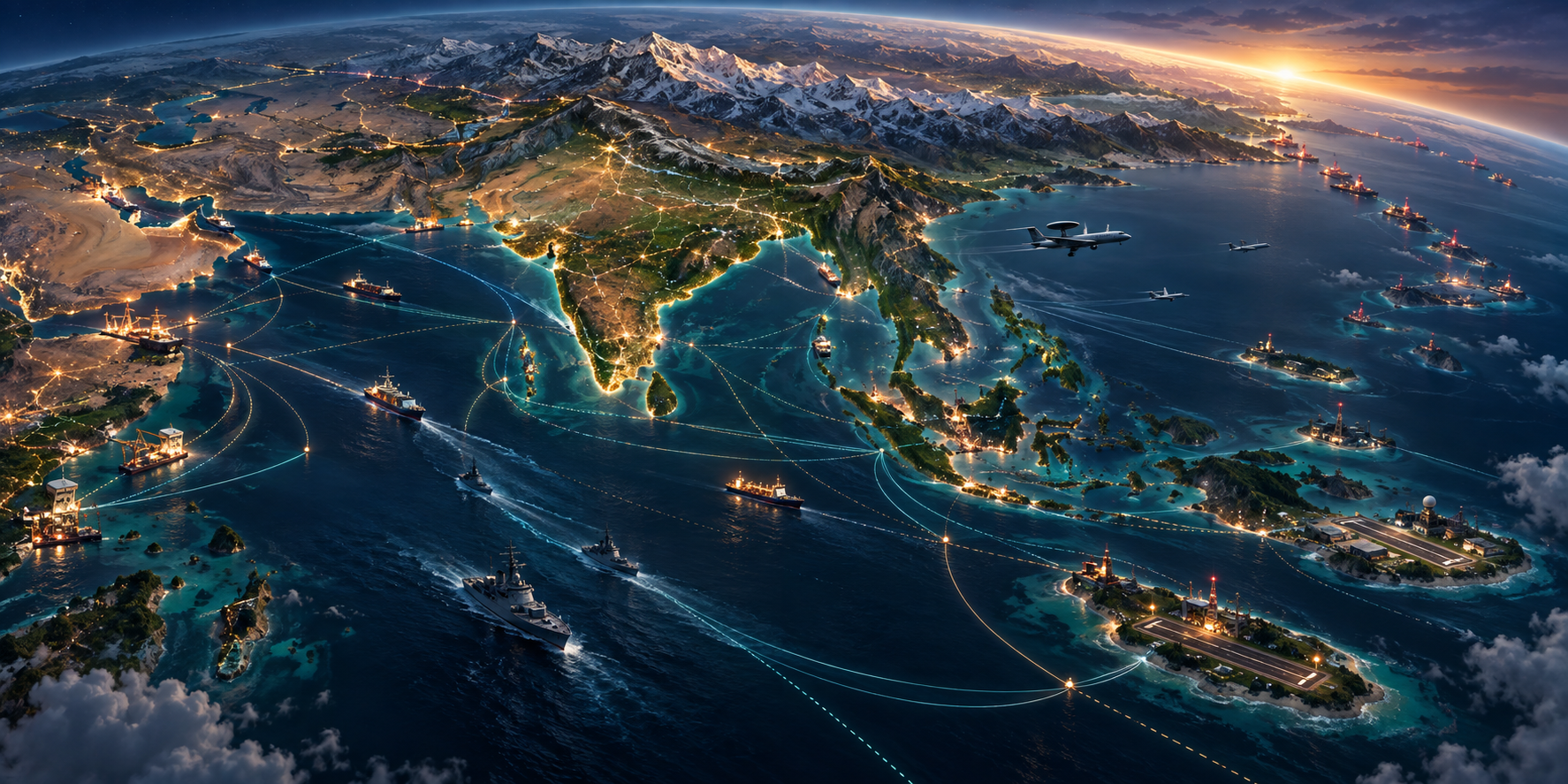
China’s challenge to the Bharatiya subcontinent extends far beyond conventional military pressure along the Line of Actual Control. This analysis explains how infrastructure finance, defence supply, ports, digital networks, debt exposure and political influence can create asymmetric dependence across South Asia. It provides country-specific assessments of India, Pakistan, Nepal, Bhutan, Bangladesh, Myanmar, Sri Lanka and…
-
Srila Prabhupada’s China Command: A Powerful Lesson in Surrender and Leadership

This expanded reflection examines the moment when Srila Prabhupada instructed Tamal Krishna Goswami to go to China. The episode is presented as a powerful case study in spiritual leadership, surrender, and institutional wisdom within ISKCON history. It explains how the success of the Radha Damodar party created both extraordinary book distribution results and serious organizational…
-
Bharat’s 5G Network Slicing Moment: Powerful Lessons from China’s Telecom Leap

Network slicing marks a decisive shift in Bharat’s 5G journey, moving telecom from simple speed claims to assured service quality. Airtel’s Priority Postpaid launch shows how Indian operators are beginning to address real-world congestion in traffic, concerts, markets, and public spaces. China’s more advanced standalone 5G slicing tests demonstrate the power of ecosystem coordination across…
-
Why Bharat’s PL-15 Shock Demands More Than a Powerful Long-Range Missile

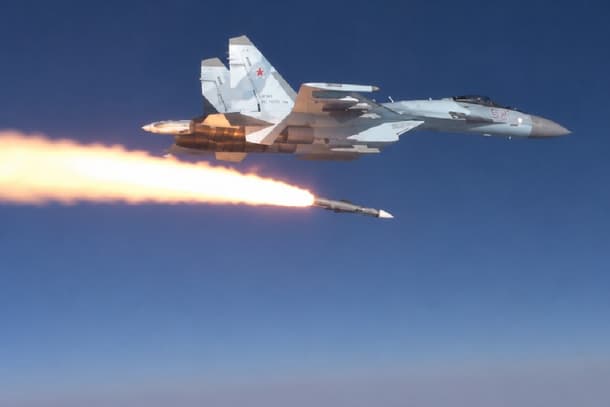
Bharat’s reported interest in the Russian R-37M missile is best understood as an interim response to Pakistan’s J-10C and PL-15 combination, not as a complete solution. The PL-15 challenge is rooted in networked air warfare, where sensors, datalinks, AEW&C aircraft, electronic warfare, and pilot training matter as much as missile range. The R-37M can threaten…
-
Bharat’s Strategic Reset: Why De-Americanising Must Not Mean Trusting China

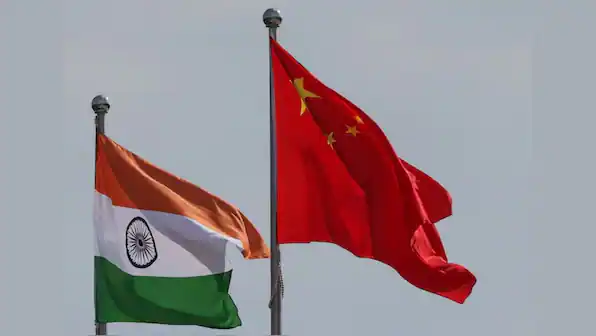
The debate over de-Americanising Indian statecraft must be treated with historical depth rather than emotional reaction. Bharat was never fully Americanised, as its record of non-alignment, the 1971 Indo-Soviet Treaty, and repeated resistance to external pressure demonstrate. At the same time, disappointment with Washington should not lead India to romanticise China or ignore the realities…
-
No R&D, No Subsidy: The Hard Lesson India Must Learn From China

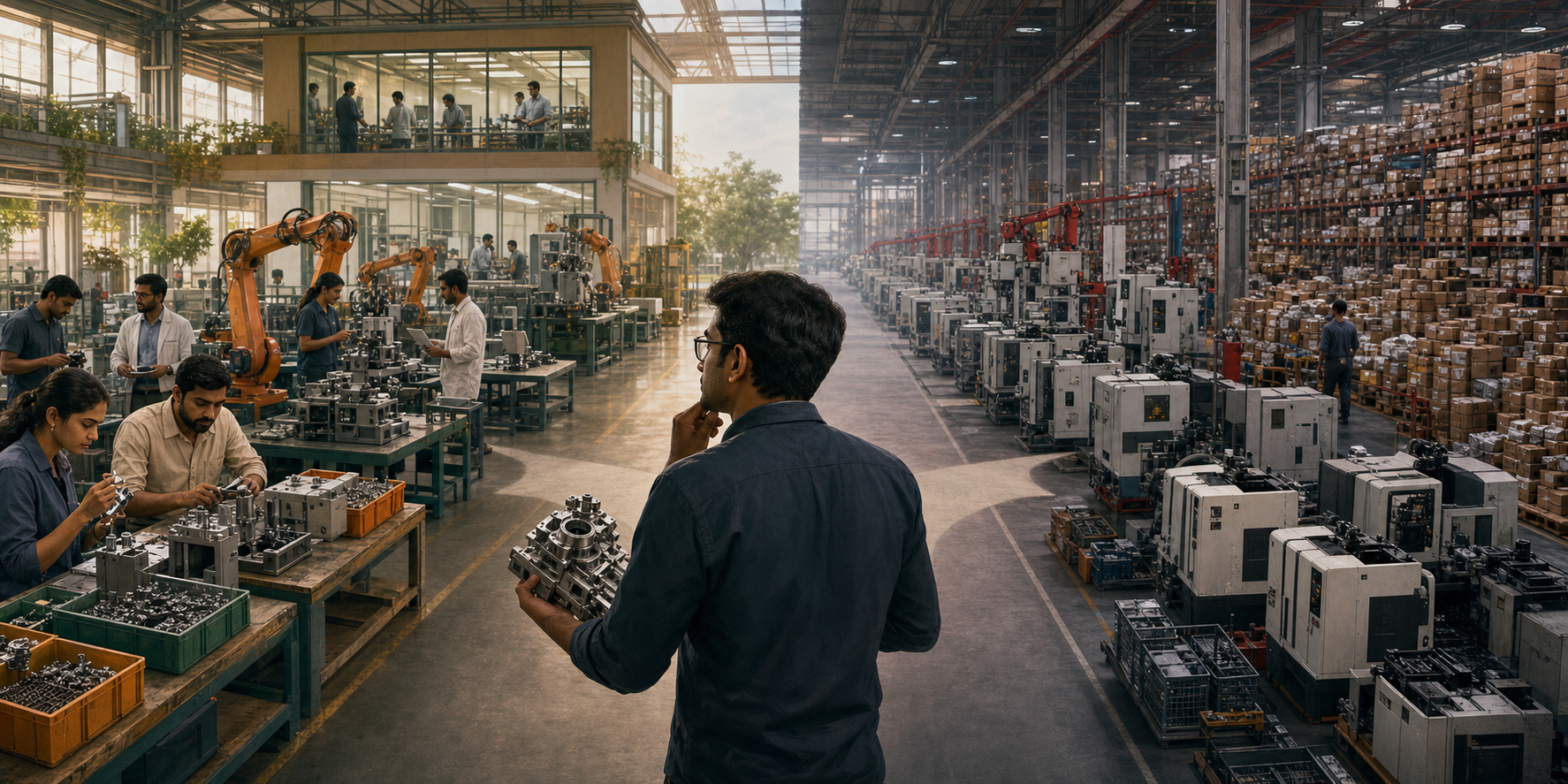
China’s industrial policy offers India both inspiration and warning. Its successes show that strategic subsidies can build manufacturing power, but failures such as Hongxin Semiconductor reveal the danger of funding ambition without research depth or technical discipline. India should link public incentives to R&D, domestic value addition, export competitiveness, workforce training, and measurable technology milestones.…
-
China’s Hidden Hindu Shrines: Maritime Silk Roads, Shared Gods, and a Living Memory

A quiet village shrine in Chedian, Fujian, preserves a living link to Hindu worship in China and opens a window onto the Maritime Silk Road. Archaeological finds in Quanzhoureused temple columns at Kaiyuan Temple and sculptures in maritime collectionsreveal the depth of Hindu presence during the Song–Yuan era. This long-form analysis traces how Indian Ocean…
-
When the Bower Manuscript Unlocked the Portals to a Vast Hindu Civilisational Imprint in China

-
When a Turkish Muslim Treasure-Hunter Sold an Ancient Sanskrit Manuscript to a Colonial British Colonel in China

At Kucha, now in Xinjiang, Colonel Hamilton Bower buys an ancient Sanskrit Manuscript from a Turkic Muslim treasure-hunter for a paltry sum and then brings it back to India. The British Government had chosen Hamilton Bower for a forthright reason. When we read between the lines, we can’t help but marvel at the intricacy and…
-
The Shanghai Cooperation Organisation (SCO) Meet In Goa – Substance Or Cosmetics?

By Maj Gen Neeraj Bali (Retd). In September last year, when India assumed the rotational chairmanship of the Shanghai Cooperation Organisation, it formally invited all the members to the Foreign Ministers’ confabulations. Inevitably, the list of invitees included China and Pakistan, two countries with which India shares geography and, unfortunately, intractable acrimony.
-
Revealed: China Bolstering Its Military Might In South China Sea

By Gp Capt Arvind Pandey (Retd). The South China Sea is considered to be one of the busiest waterways in the world and is a significant gateway for trade and merchant shipping. The South China Sea disputes are maritime and island claims between different sovereign states in the region. The reason why these areas are…
-
Nehru’s Tibetan Blunder

Jawaharlal Nehru had the power to oppose the Chinese invasion of Tibet, instead he turned a blind eye and became a Chamberlain. On August 20, 1950 Chou En-Lai was of the opinion that the liberation of Tibet was a sacred Chinese duty, but that would be done only via negotiations. On October 7, 1950, the…