Tag: Brahmanas

  • Unveiling Bhaujya: Aindra Mahabhisheka, Aitareya Brahmana, and the Power of Vedic Statecraft

    Unveiling Bhaujya: Aindra Mahabhisheka, Aitareya Brahmana, and the Power of Vedic Statecraft

    Bhaujya in the Aitareya Brahmana names both a system of governance and the oath-taking moment of the Aindra Mahabhisheka, where sovereignty is publicly bound to dharma. The celebrated sequence “samrajyam”, “bhaujyam”, “svarajyam”, “vairajya”, and “paramestya” maps layered forms of power—from self-rule to apex sovereignty—while insisting on ethical constraint. Read with Arthasastra and Dharmasastra, bhaujya emerges…

  • Decoding the Sacred Power of Om: Indra’s Epic Triumph in the Gopatha Brāhmaṇa Explained

    Decoding the Sacred Power of Om: Indra’s Epic Triumph in the Gopatha Brāhmaṇa Explained

    The Gopatha Brāhmaṇa of the Atharvaveda preserves a striking motif: Indra and the devas overcome asuras through the sacred syllable Om. Read alongside the Chāndogya and Māṇḍūkya Upaniṣads, the narrative reveals Om as a ritual seed, acoustic map of consciousness, and instrument of non-violent victory. The symbolism frames Indra’s triumph as clarity over confusion, integrating…

  • Decoding Pratigara: The Sacred Response that Powers Dialogue in Vedic Yajña Rites

    Decoding Pratigara: The Sacred Response that Powers Dialogue in Vedic Yajña Rites

    This article unpacks pratigara—the sacred response or assent—in Vedic yajña as a precise, timed, and theologically charged reply that authorizes ritual action. It situates pratigara within the fourfold priestly system (hotṛ, adhvaryu, udgātṛ, brāhmaṇ) and explains how call-and-response exchanges keep the rite synchronized with ṛta. Readers gain a clear sense of how oṃ or astu…

  • Decoding Khila in Vedic Sutras: Hidden Supplements That Shaped Ancient Hindu Wisdom

    Decoding Khila in Vedic Sutras: Hidden Supplements That Shaped Ancient Hindu Wisdom

    Khila, the Vedic category for recognized supplements, reveals how ancient Indian literature balanced canonical integrity with lived adaptability. This in-depth exploration maps khila across the Rigveda Khilāni and sūtra traditions, showing how supplementary hymns and pariśiṣṭas extend ritual capacity without unsettling core śruti. Readers learn why texts like the Śrīsūkta, though technically ancillary in many…

  • Sage Gopatha’s Legacy: Gopatha Brahmana and Why the Atharva Veda Matters Today

    Sage Gopatha’s Legacy: Gopatha Brahmana and Why the Atharva Veda Matters Today

    Sage Gopatha is traditionally linked with the Gopatha Brahmana, the only Brahmana of the Atharva Veda and a cornerstone of Vedic literature. The text explains Atharvan ritual and cosmology, emphasizing healing, protection, and communal well-being. Rather than being marginal, the Atharva Veda emerges as a complementary and indispensable voice within the Vedic canon. Readers gain…

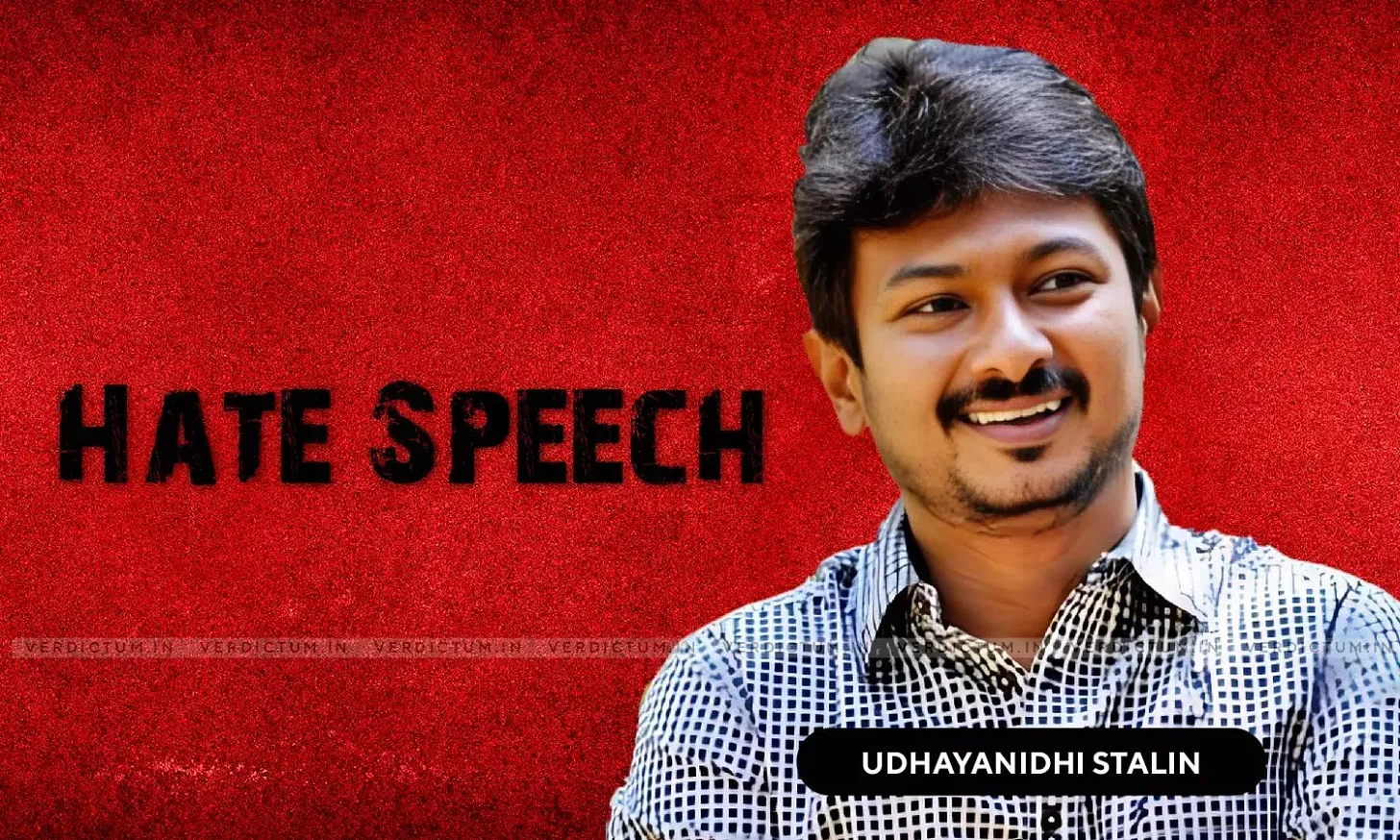
  • Why Hindus Must Take Udhayanidhi Stalin Seriously: It’s a Question of Survival

    Why Hindus Must Take Udhayanidhi Stalin Seriously: It’s a Question of Survival

    This blog post delves into the historical and ideological underpinnings of Dravidianism and its impact on Tamil Nadu, specifically its role in eroding the cultural and religious heritage of Sanatana Dharma (Hinduism). It examines the influence of key figures like E.V. Ramaswamy Naicker and Robert Caldwell, who promoted the Dravidian movement, and how this ideology…