
-
Haridwar Saints Call for Unity in IPL 2026: Calm, Dialogue over Bangladesh Player Row

Haridwar saints have opposed the inclusion of Bangladeshi cricketers in IPL 2026, warning of protests after Kolkata Knight Riders signed Mustafizur Rahman. This post explains the concerns in an academic, factual manner while emphasizing sports diplomacy, communal harmony, and interfaith dialogue. Readers gain a balanced overview of the issue and practical steps to de-escalate tensions.…
-
Bangladesh 2026 Holiday List Drops Dharmic Festivals: A Call for Inclusion and Harmony
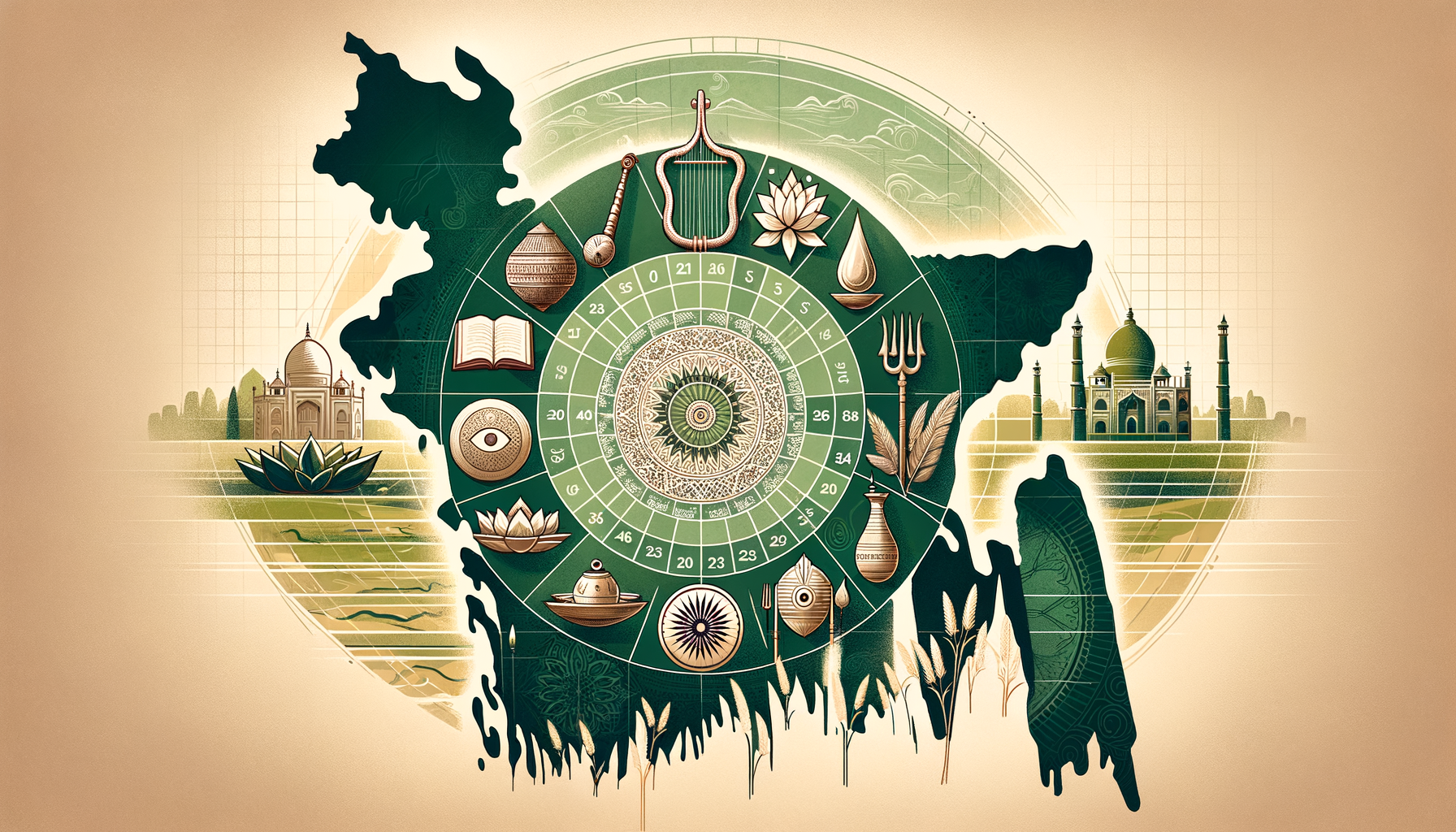
Reports suggest Bangladesh’s 2026 official holiday list removes Saraswati Puja, Buddha Purnima (Vesak), Janmashtami, and Durgashtami, raising concerns among Dharmic communities about recognition and accommodation. The analysis explains why these observances matter for spiritual life, family traditions, and intergenerational bonds. It frames the issue through religious freedom, minority rights, and inclusive governance, aligning with Bangladesh’s…
-
Asim Sarkar Faces FIRs, Threats After Remarks on Dipu Das LynchingCall for Unity, Law

Multiple FIRs have reportedly been filed against BJP MLA Asim Sarkar after remarks referencing the Quran in the wake of the lynching of Dipu Chandra Das in Bangladesh. Reports of life threats have raised serious concerns about public safety and the integrity of democratic discourse. This analysis explains how India’s free speech protections operate alongside…
-
Bangladesh on Edge: Third Hindu Killed in Two Weeks Raises Alarming Questions

Within two weeks, three Hindu men have reportedly been killed in separate incidents in Bangladesh, intensifying concerns about public safety and minority protections. The latest case involves Bajendra Biswas, a 40-year-old Hindu Ansar member, shot inside a Mymensingh garment factory in what police describe as an apparent accidental discharge. Authorities have arrested a colleague, and…
-
Mymensingh Tragedy: Hindu Worker Shot Dead, Urgent Call for Minority Safety in Bangladesh

A reported shooting in Mymensingh, Bangladesh, has left Hindu resident Brijendra Biswas dead, heightening concerns over minority safety. The incident highlights ongoing risks faced by Bangladesh Hindus and the need for impartial investigations and due process. It situates the tragedy within a broader pattern that erodes trust and communal harmony. Community recollections show that shared…
-
Kolabou as Lakshmi: Sacred Symbolism of the Banana Plant in Bengali Hindu Tradition

This article explores Kolabou (Kola Bou) worship in Bengali Hindu tradition, where the banana plant is revered as Goddess Lakshmi and also understood within the Nabapatrika during Durga Puja. It highlights the practice’s cultural roots in Faridpur and Barisal, its migration into the diaspora, and its layered meanings that embrace plural interpretations without conflict. The…
-
Blasphemy as a Weapon: 70+ Attacks Signal Systematic Targeting of Bangladesh Hindus
A Dec 27, 2025 report documents a marked rise in blasphemy-linked violence against minority Hindus in Bangladesh, with more than seventy incidents in six months. Across sources, the pattern is consistent: allegations spark rapid rumor chains, mob mobilization, and targeted attacks on homes, businesses, and temples. The analysis emphasizes due process, independent investigations, and preventive…
-
Nationwide Outcry and Unity: Protests Demand Justice for Bangladesh’s Hindus after Dipu Das Killing
India witnessed coordinated protests by Hindu organisations and patriotic citizens following the brutal killing of Dipu Chandra Das in Bangladesh. Demonstrators demanded firm diplomatic intervention, impartial investigations, and credible protection for Hindu minorities in Bangladesh. The response was marked by dharmic solidarity, with Hindu, Buddhist, Jain, and Sikh participants emphasizing non-violence and justice. The protests…
-
Suvendu Adhikari calls on Bangladesh to protect Hindu minorities in urgent Kolkata meet

On 26 December 2025 in Kolkata, WB LoP Suvendu Adhikari met officials at the Bangladesh Deputy High Commission to convey serious concern over reported attacks on Hindu minorities. The outreach urged immediate protection, impartial investigations, and swift legal action to uphold rule of law. It framed the issue within a rights-based, non-polarizing approach centered on…
-
Bangladesh on Edge: Targeted Arson on Hindu Homes Sparks Urgent Calls for Minority Safety
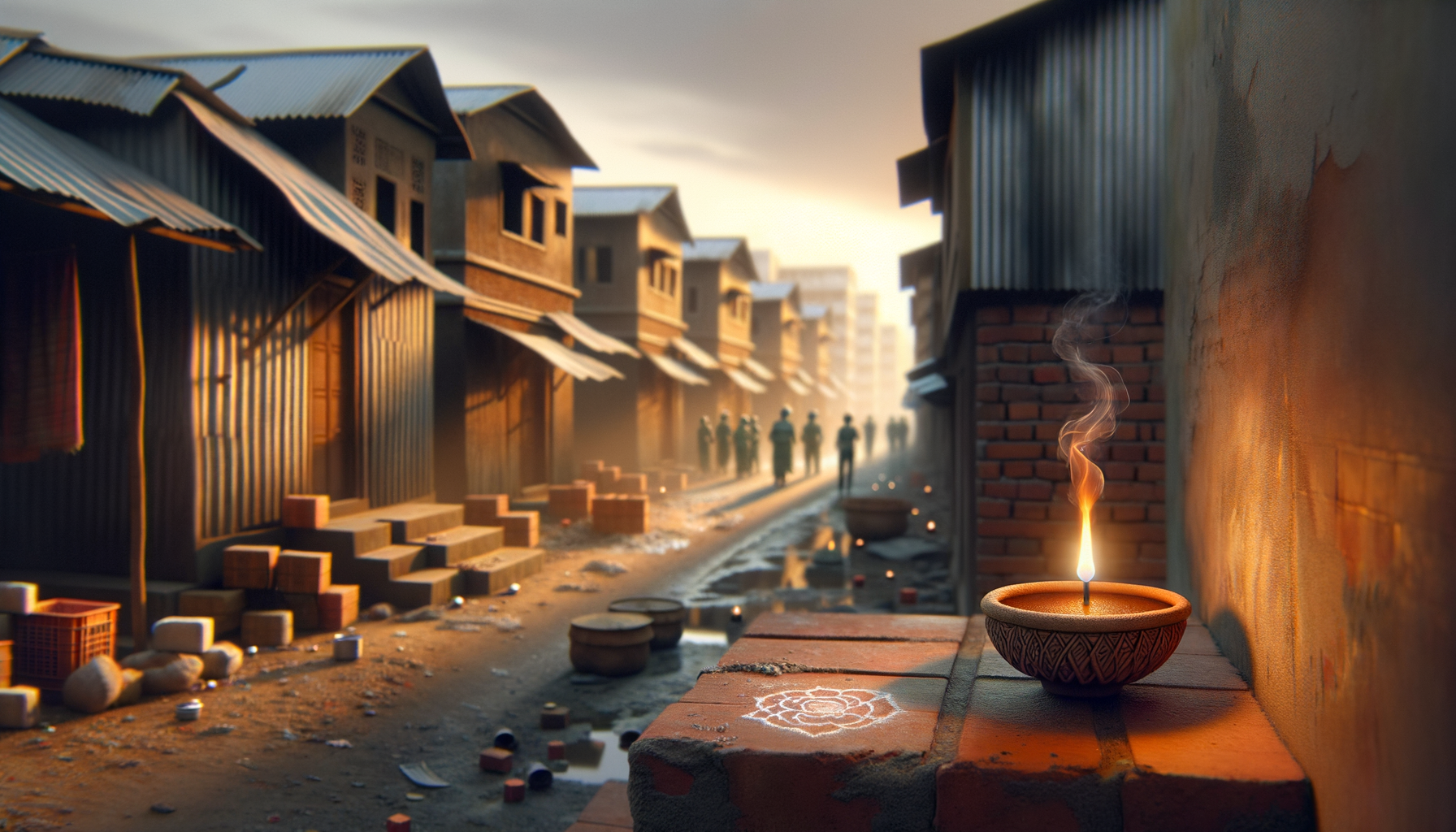
New reports from Bangladesh point to targeted arson against Hindu homes, heightening concerns about minority safety and the stability of law and order. The incidents unfold amid political uncertainty and fears of radicalisation, with calls for transparent investigations and firm accountability. Immediate human impacts include displacement, trauma, and loss of livelihoods, underscoring the need for…
-
Jharkhand Rallies Roar: HJS Leads Powerful Protests, Urges Action on Bangladesh Violence

Coordinated protests across Jharkhand, led by Hindu Janajagruti Samiti (HJS), urged urgent diplomatic intervention after reports of the lynching of Dipu Chandra Das in Bangladesh. Demonstrators submitted memoranda to district administrations, calling for independent investigations, accountability, and protective measures for minorities. The movement framed its appeal within human rights, rule of law, and regional stability.…
-
Grief and Solidarity in Kolkata: Protest Near Bangladesh Mission After Mymensingh Killing
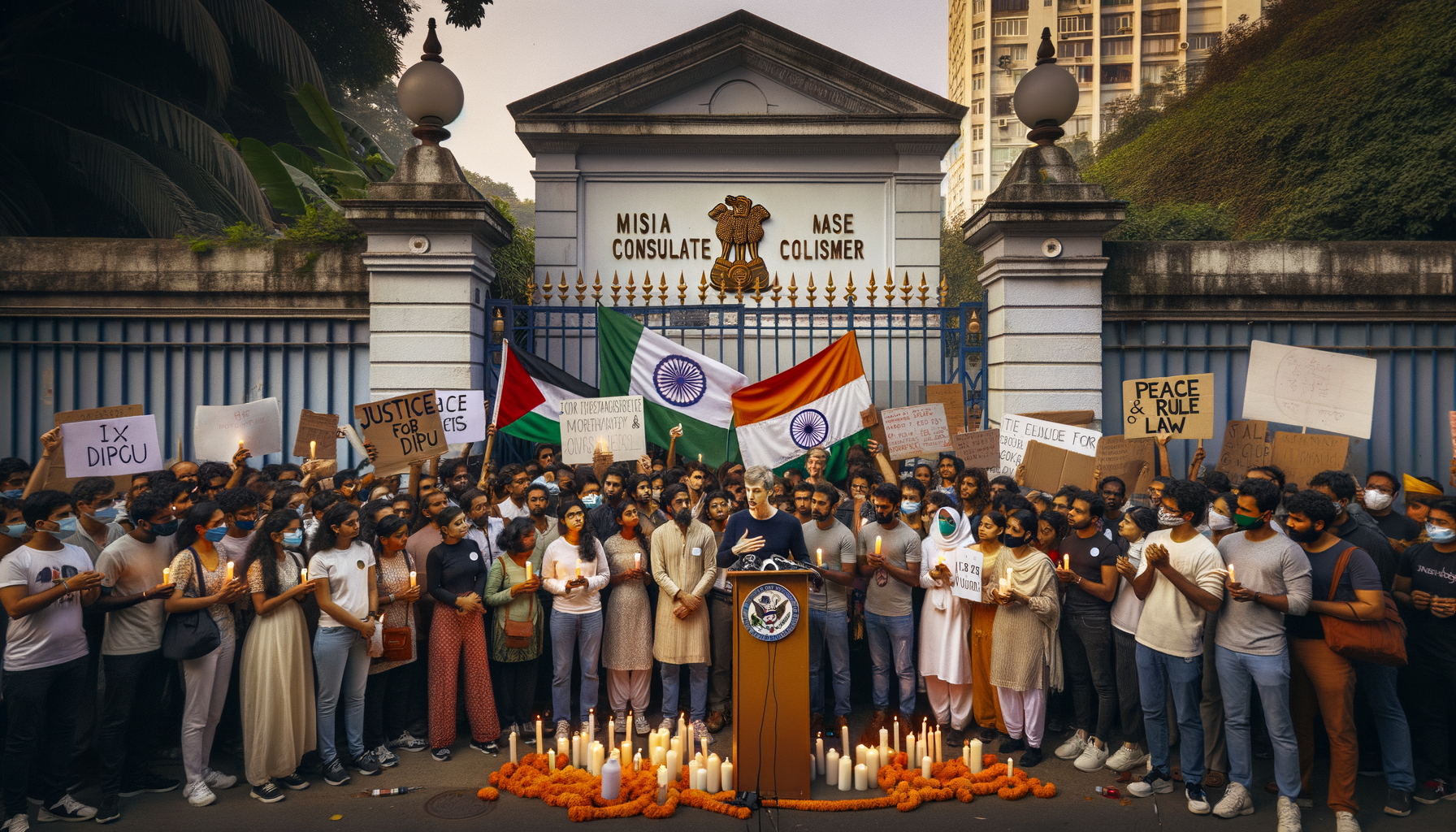
A peaceful demonstration near the Bangladesh Deputy High Commission in Kolkata on Dec 22, 2025, called for justice after the reported killing of Dipu Chandra Das in Mymensingh. Speakers, including Suvendu Adhikari, urged a transparent, time-bound investigation and sustained diplomatic engagement. The gathering emphasized dharmic ethicsnonviolence, compassion, and unity in diversitywhile rejecting communal polarization. Protest…
-
Justice for Dipu Chandra Das: A Hard Look at Bangladesh’s Mob Violence and Accountability Gap

The lynching of Dipu Chandra Das has focused attention on Bangladesh’s ability to prosecute mob violence impartially and transparently. This analysis clarifies legal standards, highlights the absence of consolidated conviction data, and explains why identity-blind accountability is essential to public trust. It outlines concrete reformspublic case tracking, fast-track courts, and witness protectionto close the accountability…
-
Horrific Lynching of Dipu Chandra Das in Bangladesh: Urgent Call for Justice and Unity

Reports from Bhaluka Upazila, Bangladesh, indicate that garment worker Dipu Chandra Das was lynched following blasphemy allegations, with videos showing his body hung and burned. The incident underscores the dangers of mob violence, religious extremism, and the abandonment of due process. This analysis calls for a response rooted in ahimsa and dharmic unityjustice through courts,…
-
Bangladesh Mob Lynching Sparks Alarm: Urgent Call to Safeguard Religious Minorities

Amid political instability in Bangladesh, the lynching of a Hindu youth in Mymensingh highlights escalating extremist violence and the growing insecurity of religious minorities. The analysis situates the incident within patterns of vigilantism driven by rumor, polarization, and weak enforcement. It emphasizes human dignity, due process, and the need for transparent investigations and legal accountability.…
-
Rangpur Murders: Bangladeshi Hindu Muktijoddha and Wife Found Slain, Calls for Justice

An elderly Bangladeshi Hindu freedom fighter (Muktijoddha) of the 1971 Liberation War, Jogesh Chandra Roy, and his wife, Suborna Roy, were found with their throats slit in their Rangpur home. Neighbours discovered the bodies after repeated knocks went unanswered. Initial reports note that no case had been filed and no arrests announced. The Awami League…
-
Bangladesh’s Rising Intolerance: Islamist Violence Hits Hindus, Durga Puja, and Baul ArtistsImplications for Minority Rights

Bangladesh faces a concerning rise in intolerance, with reports of an extremist Islamist group targeting Hindu minorities, Durga Puja pandals, and Baul artists. The Baul traditionrooted in syncretic Bhakti and Sufi currentsstands at the heart of Bengal’s cultural pluralism, making these attacks a direct challenge to religious freedom and heritage. This analysis outlines the human…
-
Mayapur Tremors After 5.5 Bangladesh Quake: Timelines, Impact, and Safety Guidance
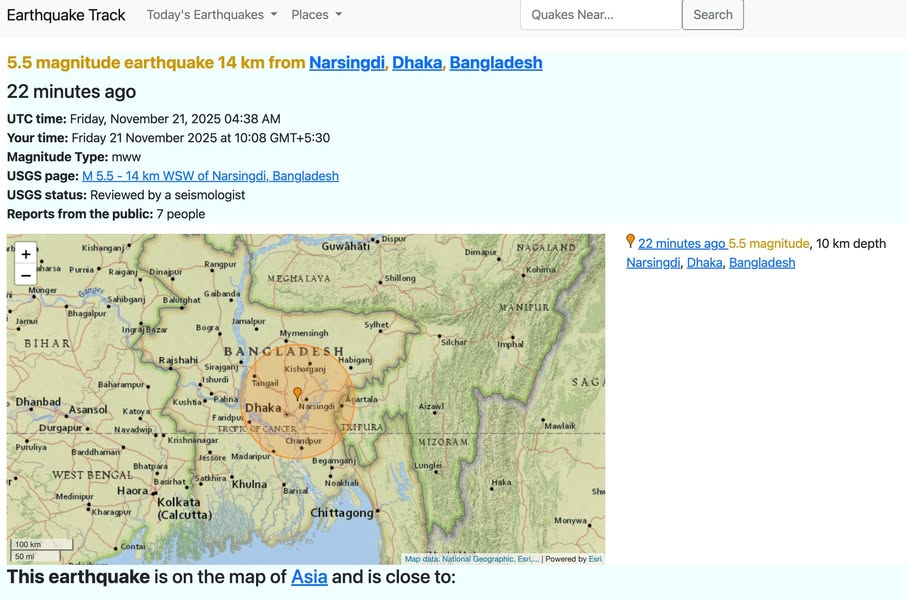
Mild tremors were reported in Mayapur after a 5.5 magnitude earthquake near Narsingdi, Bangladesh, around 10:08–10:10 am IST. Shaking lasted only seconds but was felt across Kolkata, Malda, Nadia, Cooch Behar, and other districts of West Bengal. Preliminary reports indicate at least three fatalities and several injuries in Bangladesh, with no major damage reported in…
-
Nishachar Thakur of Jamirta: Headless Guardian of Mahakal Bhairav on Kali Puja Night

In Jamirta, Sirajganj (Bangladesh), local oral tradition remembers Nishachar Thakuralso known as Nilkundaas the headless attendant of Mahakal Bhairav, with special devotion expressed during Kali Puja on Agrahayan Amavasya. Centered at the Paglanath temple by the riverside, the narrative blends vigilant service, protection, and communal memory. The “headless” form is interpreted as a symbol of…
-
Inside Bangladesh’s ISKCON Ban Push: Essential Facts, Risks, and a Path to Harmony
This analysis clarifies what recent calls to ban ISKCON in Bangladesh mean for religious freedom, minority rights, and social cohesion. Readers gain an evidence-led framework for assessing such demands without resorting to stigmatizing labels. It highlights constitutional principles and practical safeguards that protect worship while maintaining public order. The piece offers community-level strategiesfrom interfaith dialogue…