-
Padma Samhita Unveiled: Timeless Pancharatra Rituals to Elevate Modern Spiritual Life

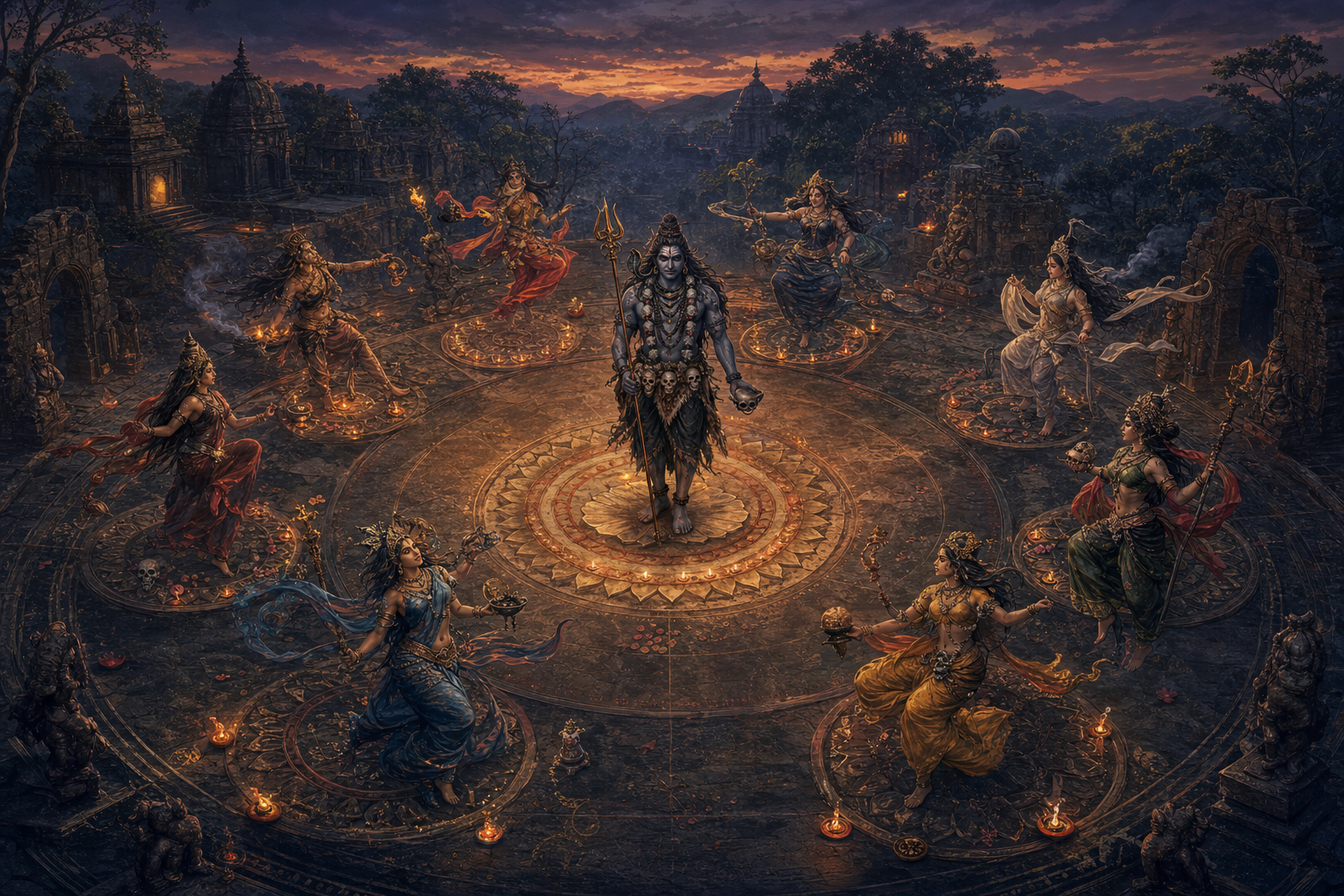
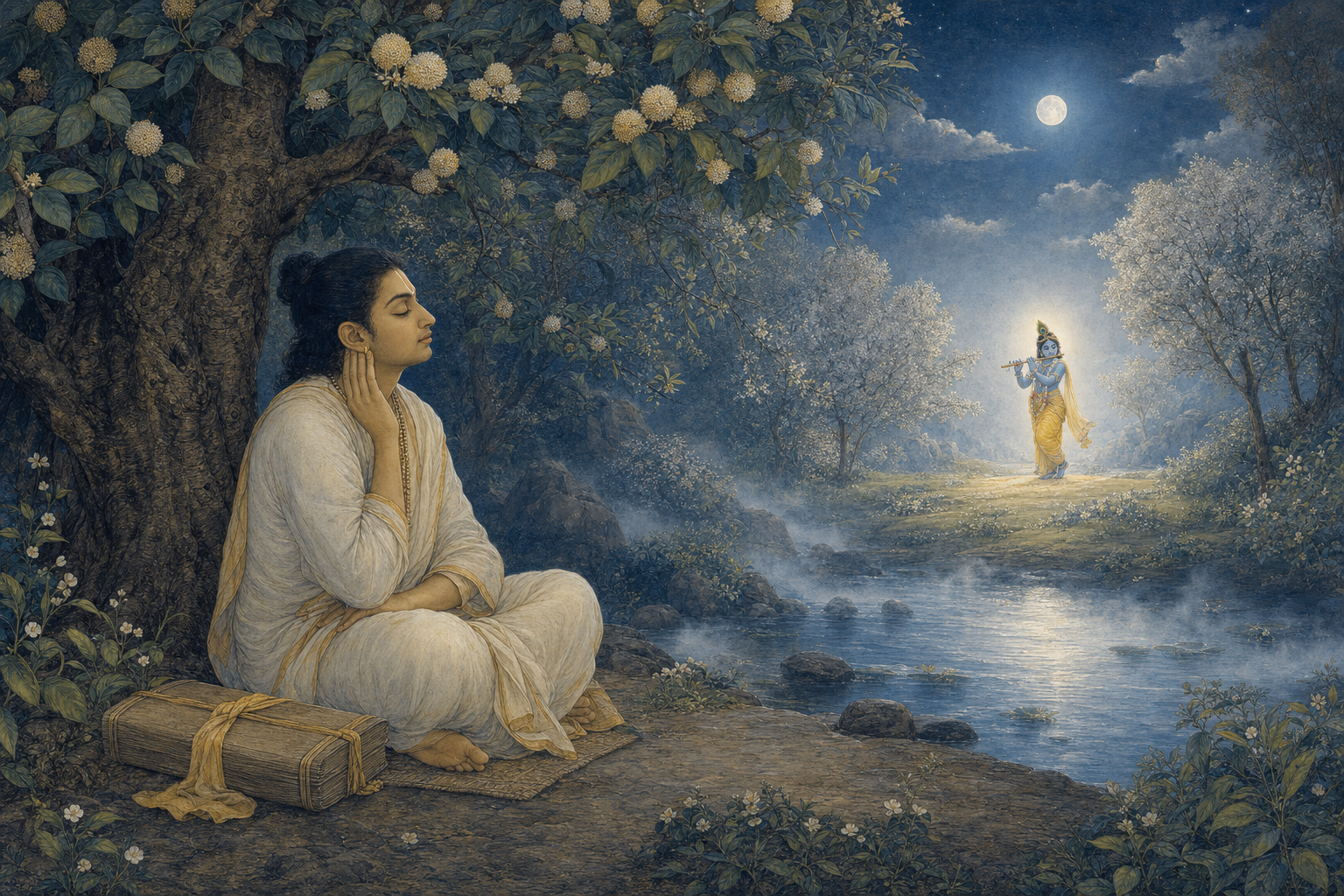
Padma Samhita is a cornerstone of the Pañcarātra tradition, detailing thirty-one chapters that integrate temple construction, mūrti consecration, daily worship, and ethical formation. This overview explains its core theology—the vyūha doctrine and arcā avatāra—and shows how mantras such as Om Namo Nārāyaṇāya and Om Namo Bhagavate Vāsudevāya shape steady household practice. Readers gain a practical…
-
Sanskrit vs Prakrit in Ancient India: A Sacred Dialogue Shaping Faith, Culture, and Power

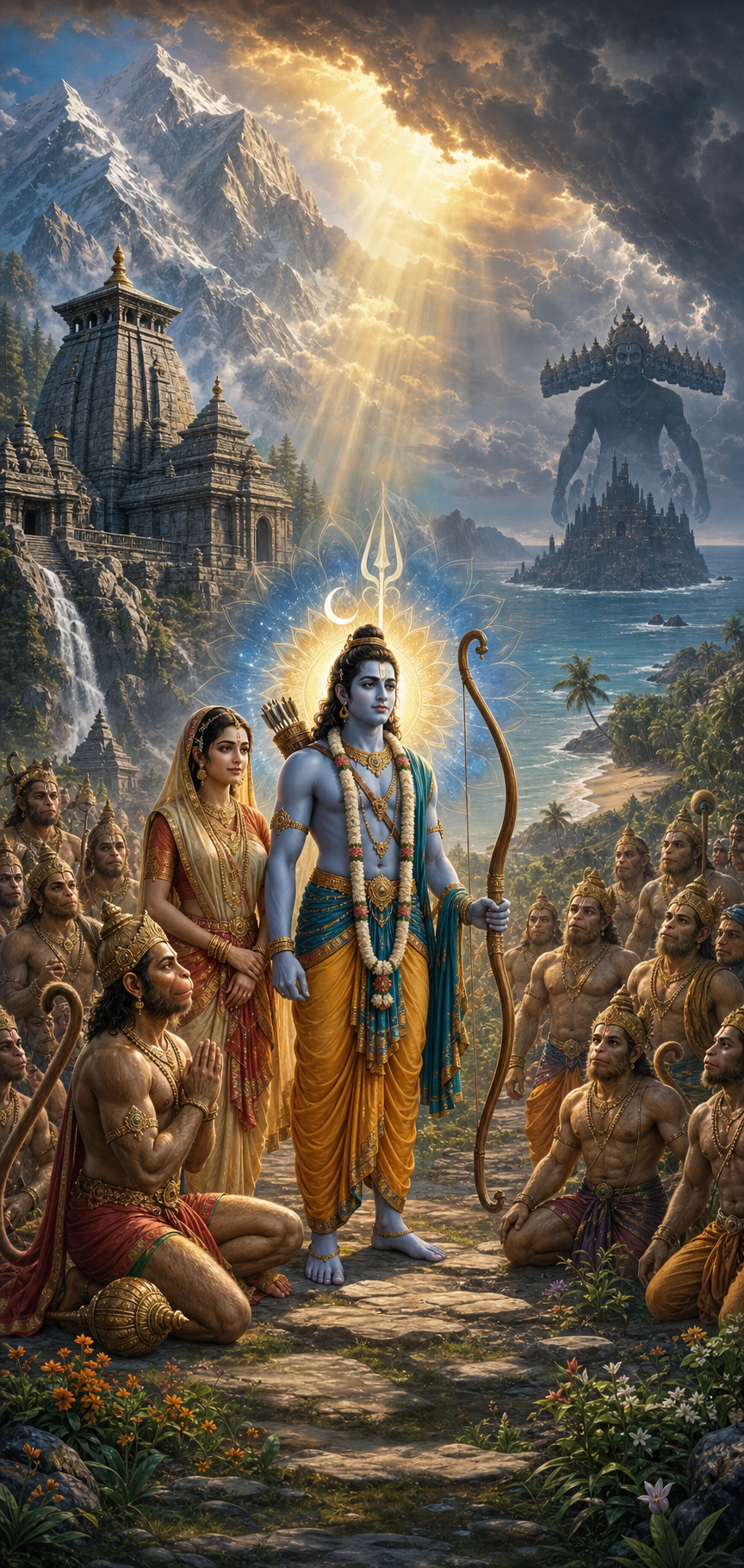
Sanskrit and Prakrit formed a sacred dialogue in Ancient India, shaping ritual, philosophy, drama, and everyday communication across Hinduism, Buddhism, Jainism, and later Sikhism. Rather than rigid opposites, they functioned as complementary registers within a diglossic ecology that prized both precision and accessibility. The article maps their historical development from Old to Middle to New…
-
Manasollasa Unveiled: A 12th‑Century Masterwork of Indian Statecraft, Arts, and Cuisine

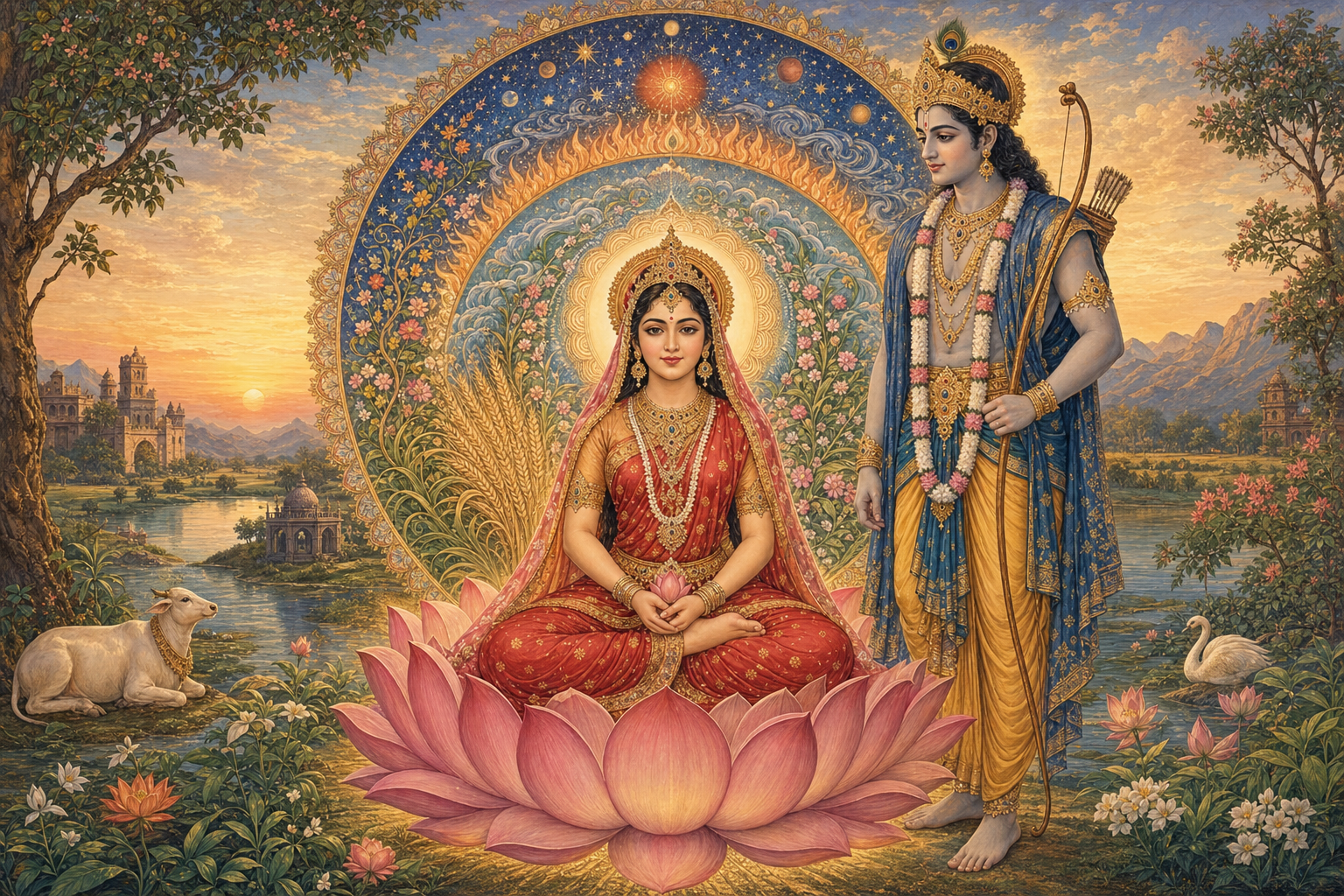
Manasollasa (Abhilashitartha Chintamani) is a 12th‑century Sanskrit encyclopedic treatise by King Someshvara III that integrates statecraft, justice, economy, arts, architecture, music, and culinary science into a single civilizational vision. It details rajadharma, due process, village administration, and fair markets alongside rigorous guidance on hydrology, architecture, and guild regulation. Musicology and dance are situated between Bharata’s…
-
When a Turkish Muslim Treasure-Hunter Sold an Ancient Sanskrit Manuscript to a Colonial British Colonel in China

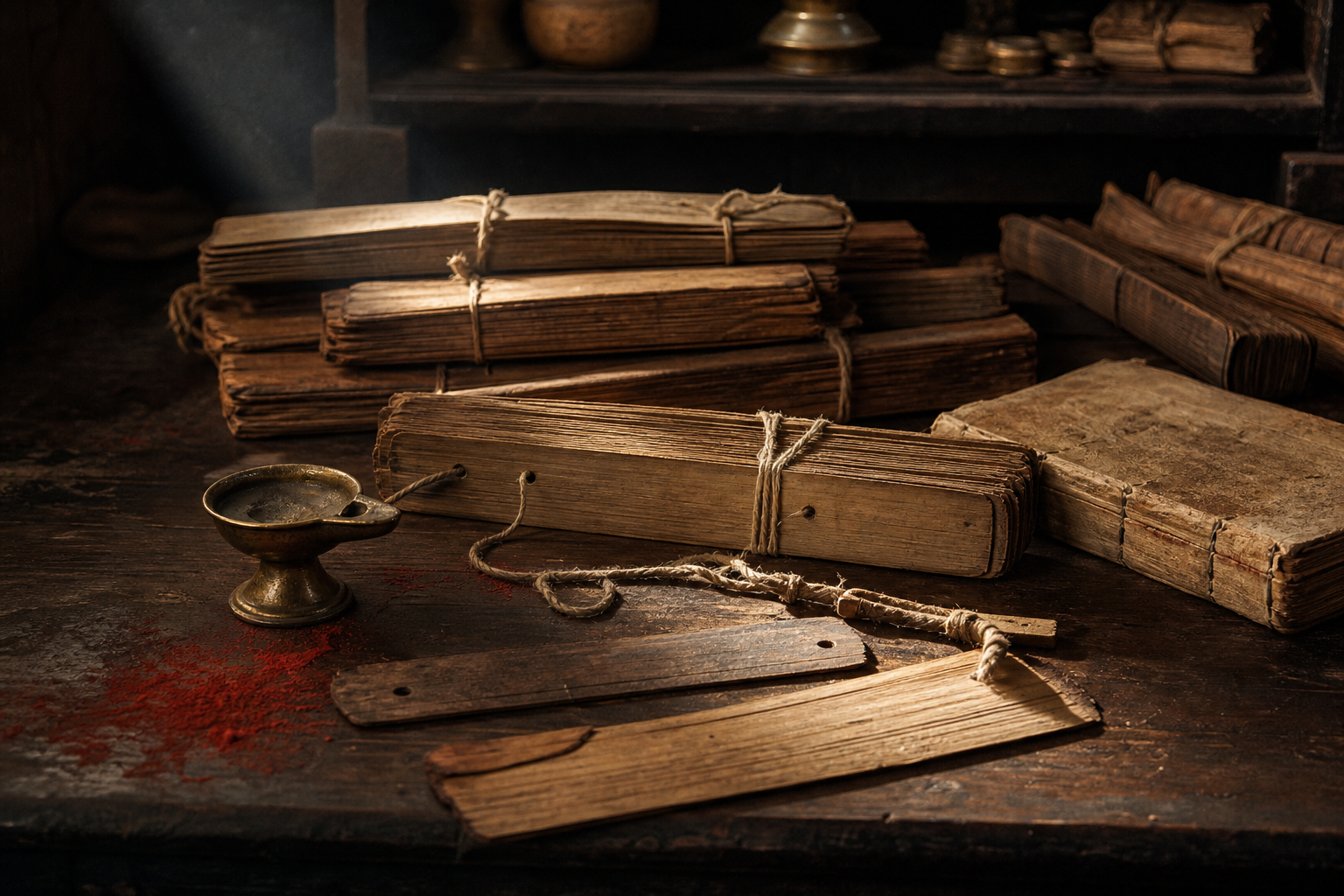
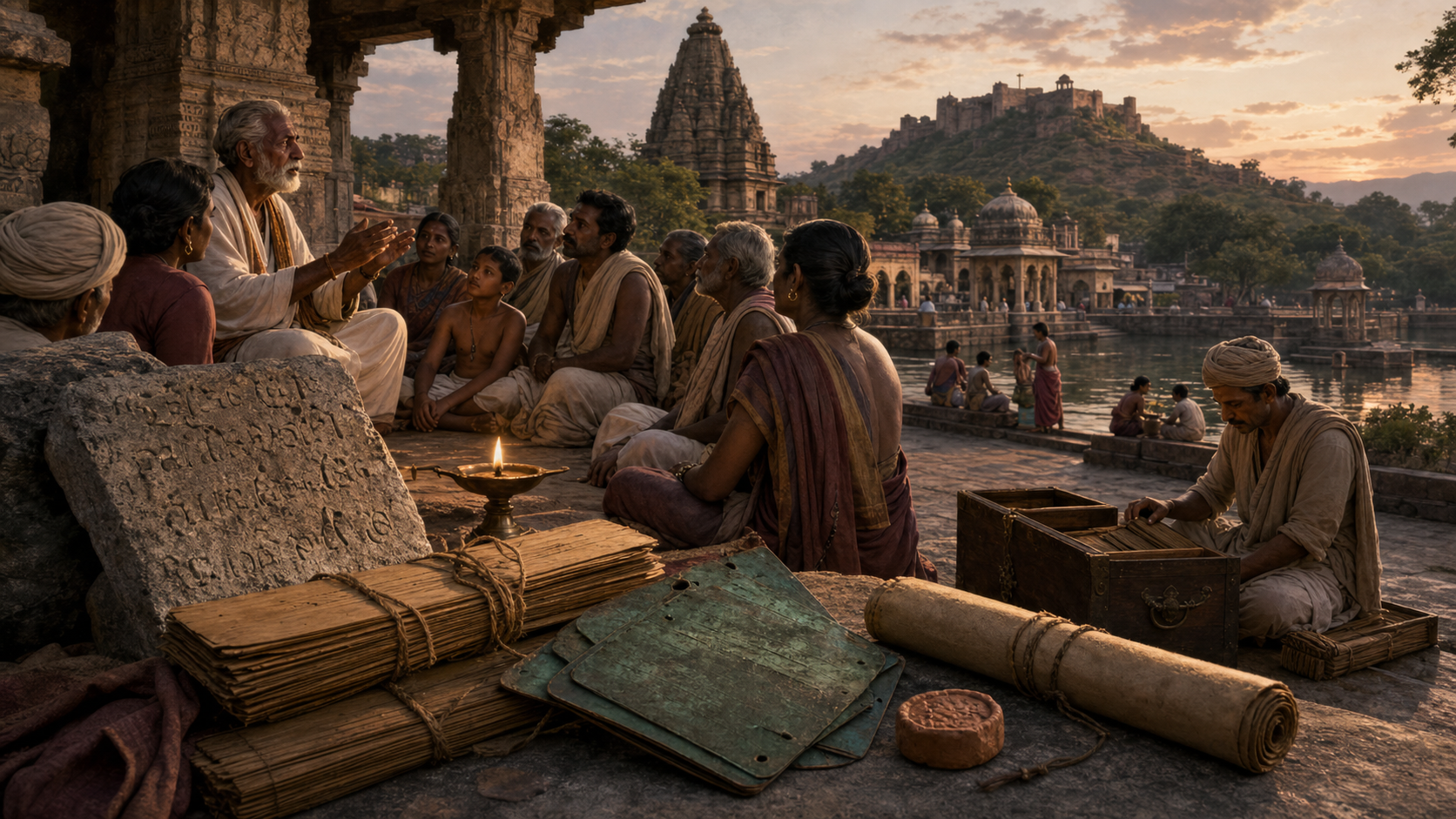
At Kucha, now in Xinjiang, Colonel Hamilton Bower buys an ancient Sanskrit Manuscript from a Turkic Muslim treasure-hunter for a paltry sum and then brings it back to India. The British Government had chosen Hamilton Bower for a forthright reason. When we read between the lines, we can’t help but marvel at the intricacy and…