-
When Indore’s Bureaucracy Burned History: The Lost Holkar Archives and Parasnis’s Crusade

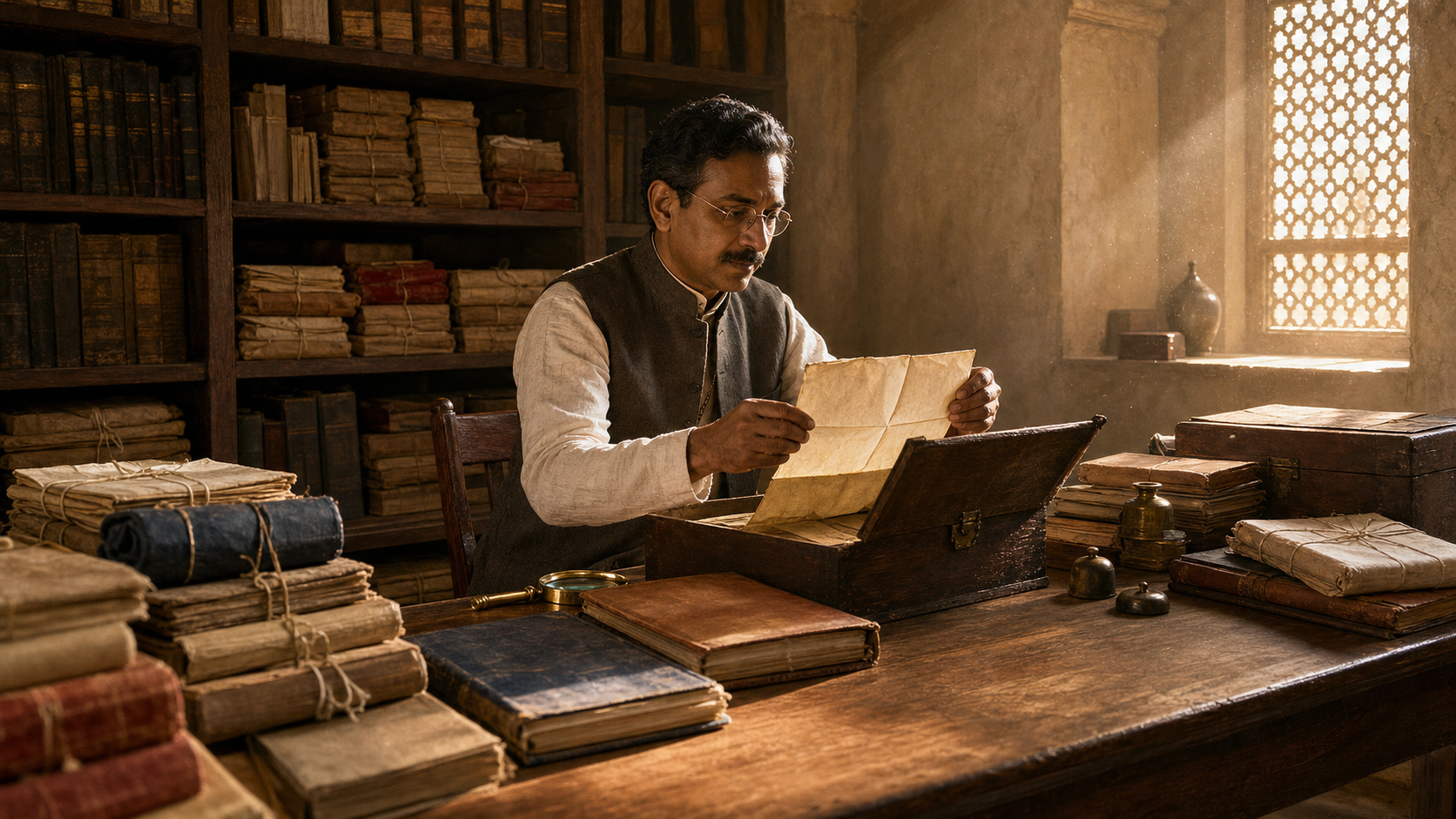
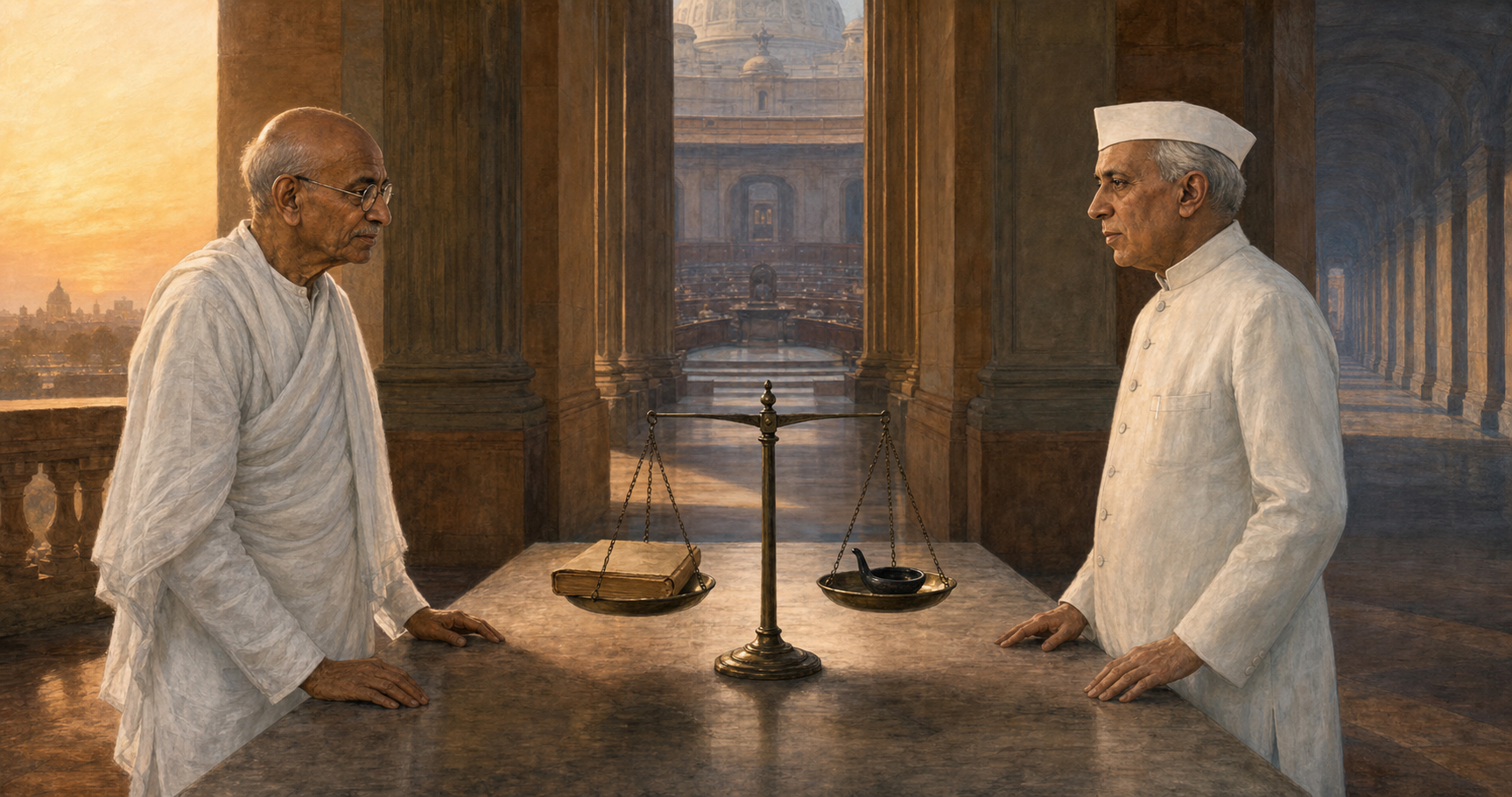
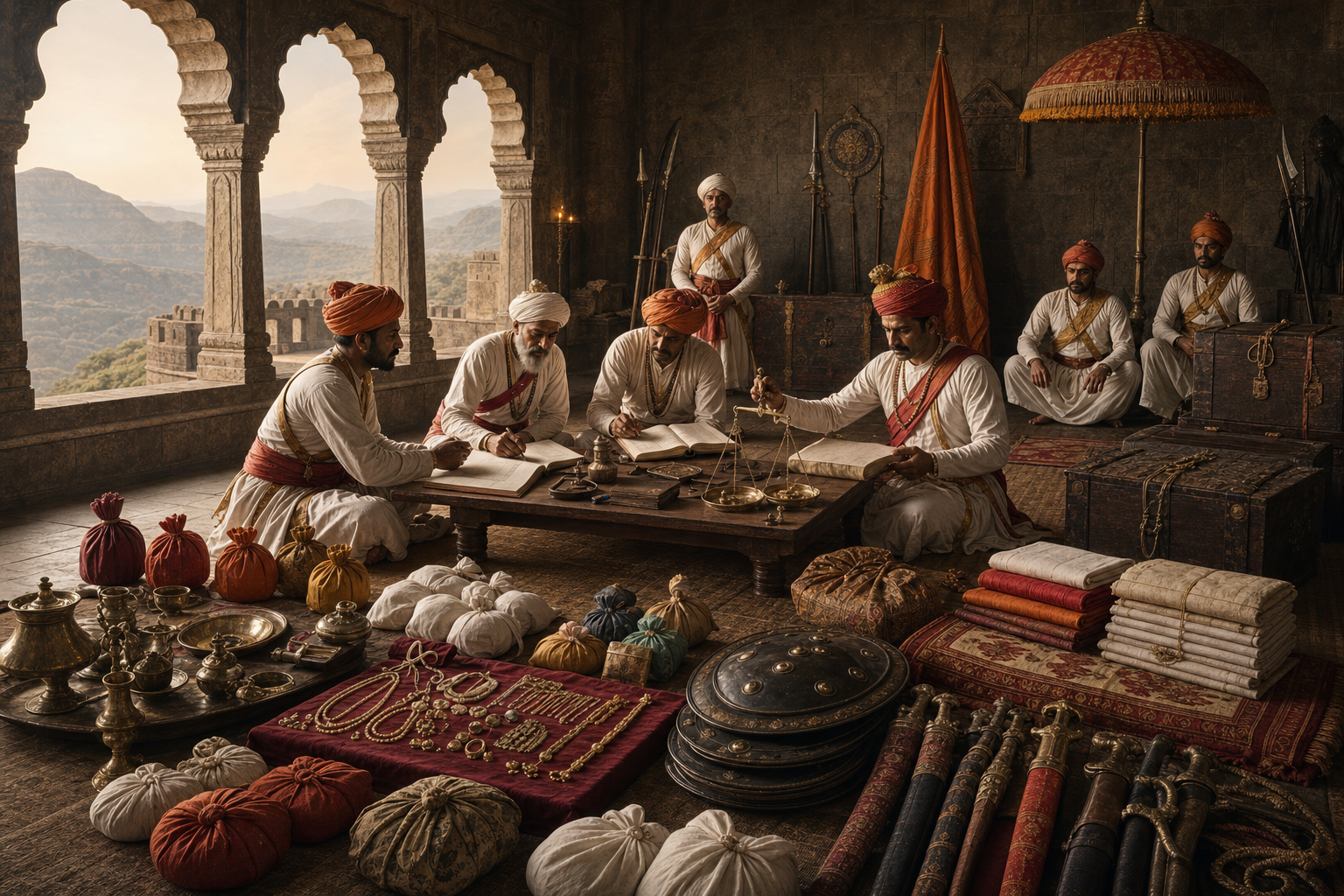
The near-total loss of the Holkar Archives at Indore, following years of official obstruction and a fire in a substandard repository, remains a defining lesson in how bureaucratic negligence can erase civilizational memory. This narrative situates D. B. Parasnis within that tragedy and highlights his lifelong effort to rescue, professionalize, and open Indian historical records…
-
Unsung Guardian of Maratha Archives: D.B. Parasnis and Acharya Jadunath Sarkar’s Salute

This essay examines Acharya Jadunath Sarkar’s tribute to D. B. Parasnis, highlighting the latter’s pivotal role in preserving primary sources central to Maratha history. It traces Parasnis’s early literary ventures, his collaborations around the Peshwas’ Daftar in Poona, and his Marathi publications that made crucial documentssanads, kaifiyats, yadis, diaries, and despatchesavailable to scholars. The discussion…
-
Unmasking Hyderabad’s Independence Myth: Evidence-Rich History from Asaf Jah I to 1948

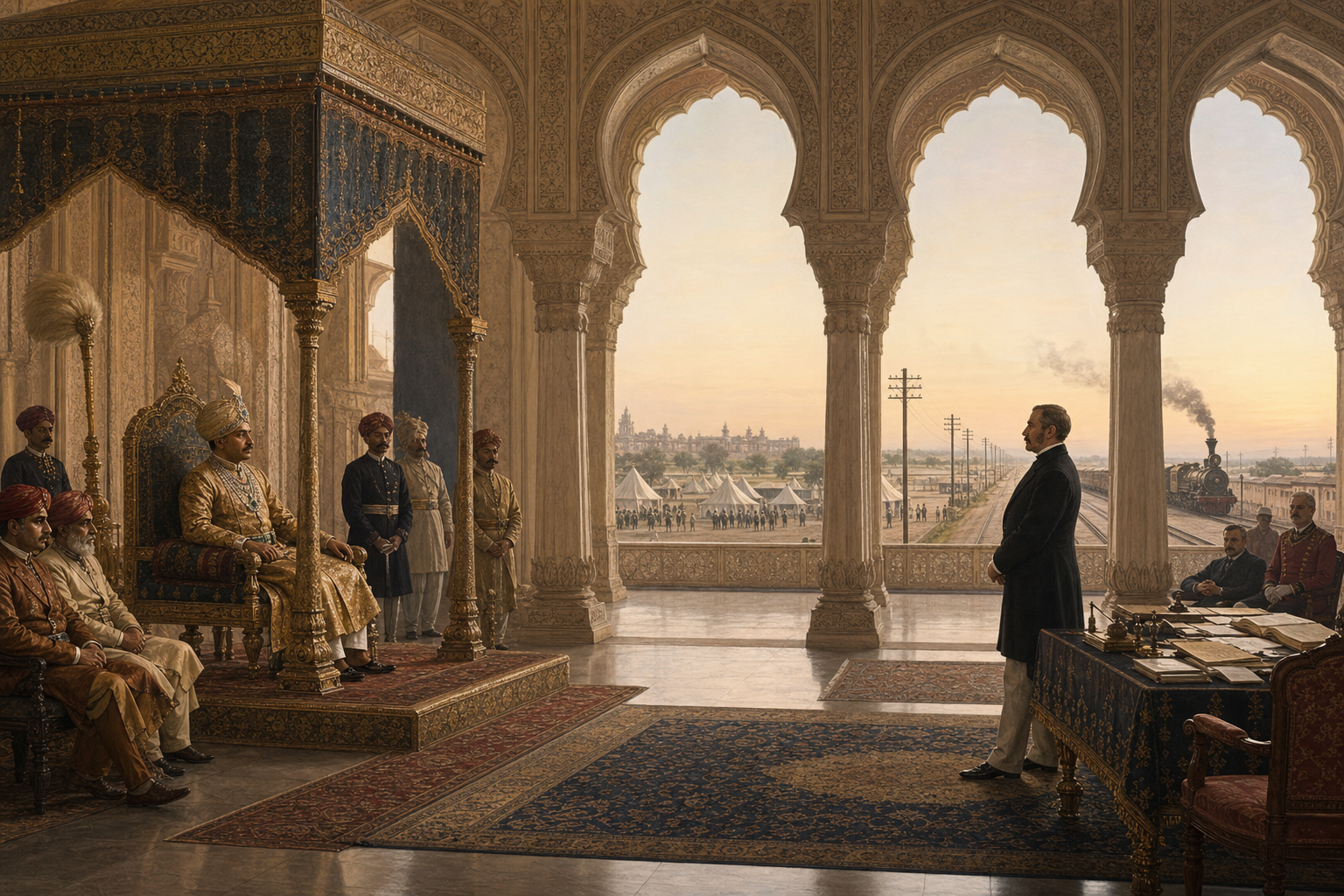
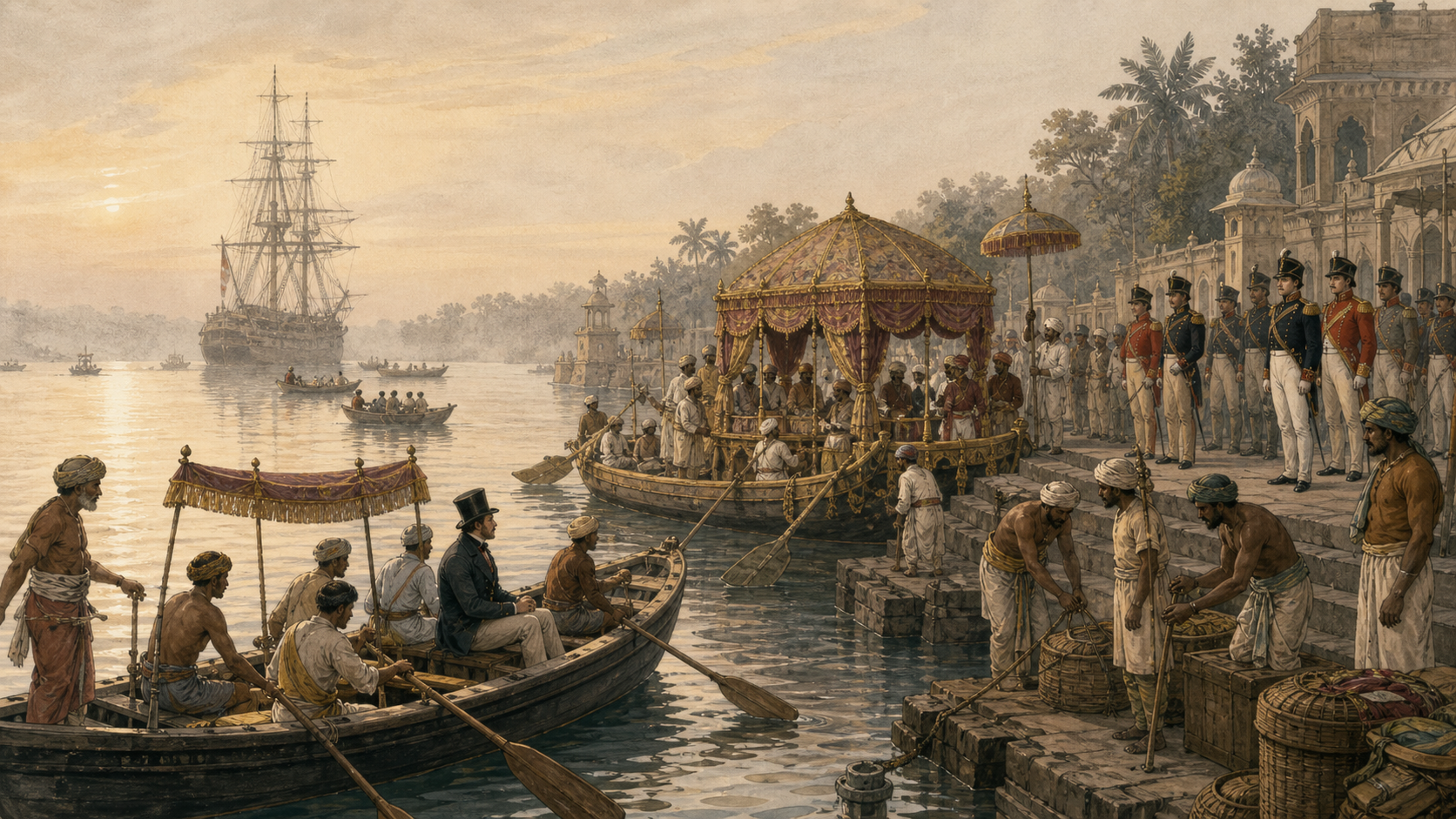
This evidence-driven analysis dismantles the myth that Hyderabad was ever an independent state by tracing its legal position from Asaf Jah I through British paramountcy to 1948. Drawing on Jadunath Sarkar’s core insights and British Residency records, it shows that Hyderabad possessed internal autonomy but lacked external sovereigntydefense, foreign affairs, and treaty-makingthroughout its history. Eyewitness…
-
Discover the Complete Story of Shah Alam II: Proven Insights into an Empire’s Unraveling

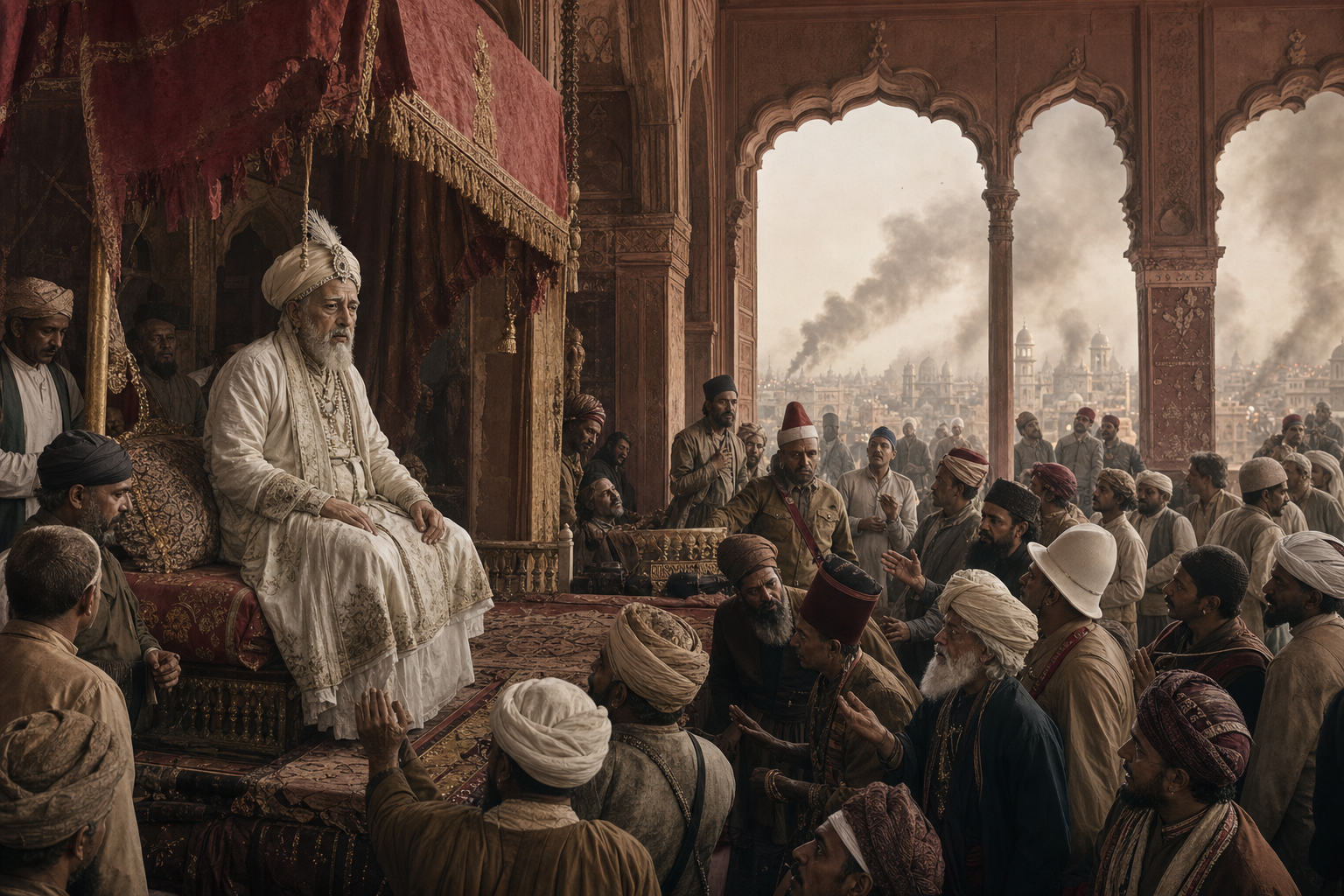
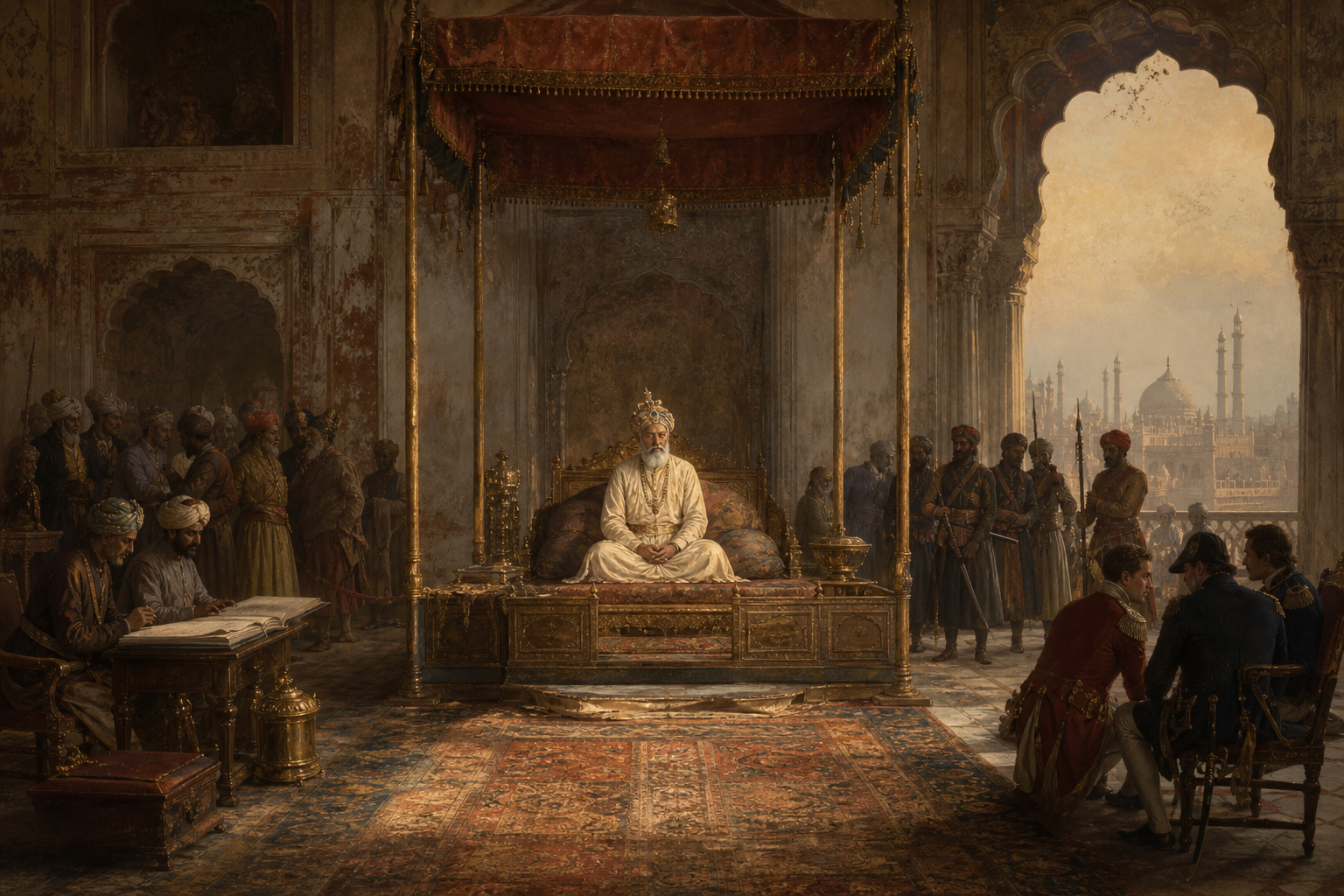
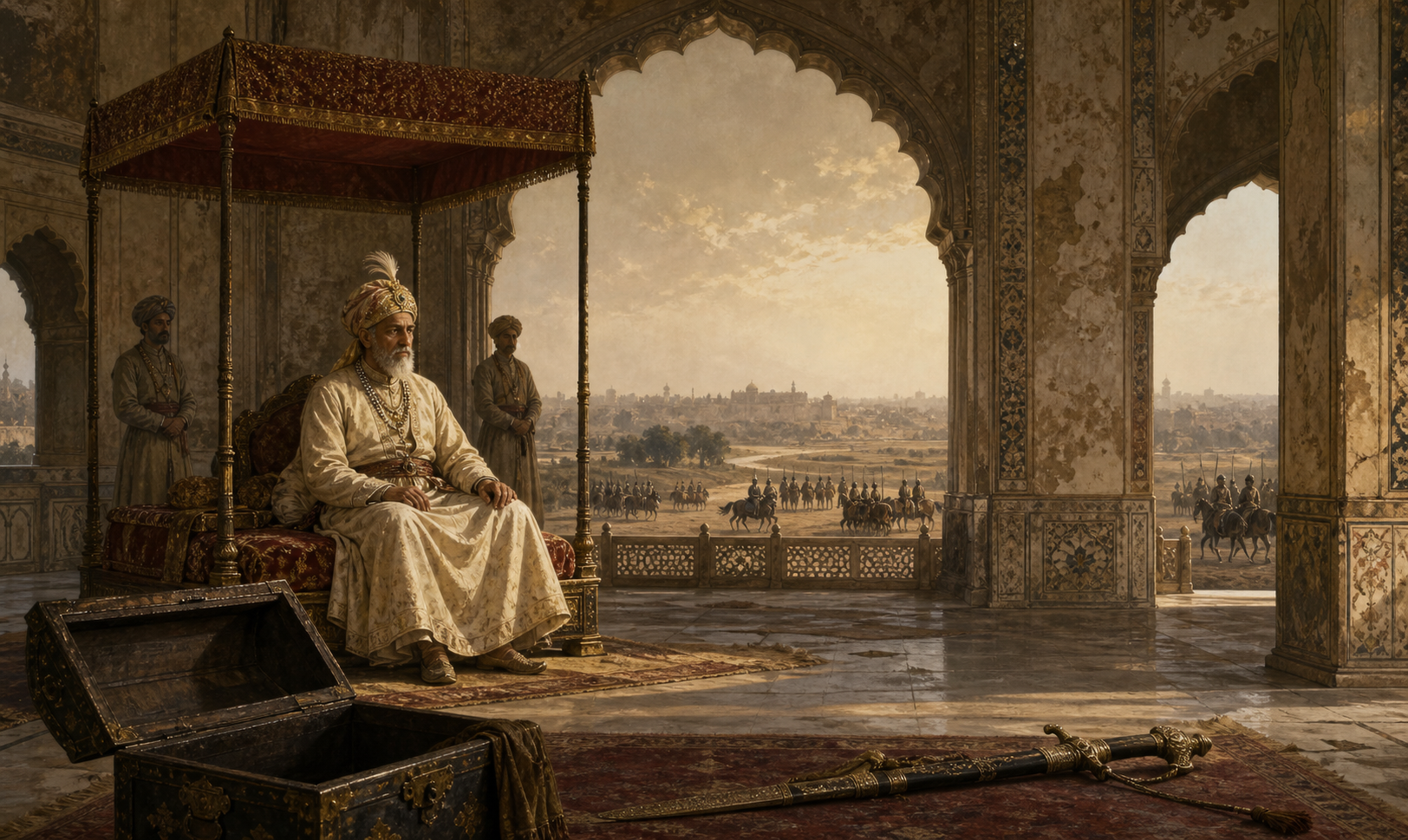
Shah Alam II’s long and turbulent reign reveals how imperial symbols persisted even as real power shifted to Maratha, Sikh, Afghan, and British actors. This clear, chronological analysis traces his return to Delhi under Mahadji Scindia, the Sikh reconfiguration of Delhi’s sacred landscape under Baghel Singh, and the decisive impact of the Battle of Buxar…
-
When Bakhtiyar Khalji Wiped out Gauda-Desa from Existence

Bakhtiyar Khalji’s catastrophic devastation of the ancient city of Gaur marked a pinnacle in his career of plunder and genocide. Gaur, a historic center of Sanskrit learning and Hindu culture, was thoroughly obliterated, replaced by Islamic structures. This transformation permanently altered Bengal’s cultural and religious landscape, erasing its Sanatana past.