-
The War They Could Not Win: Dharmic Unity vs. Empire’s Cultural Offensive (Part 1)

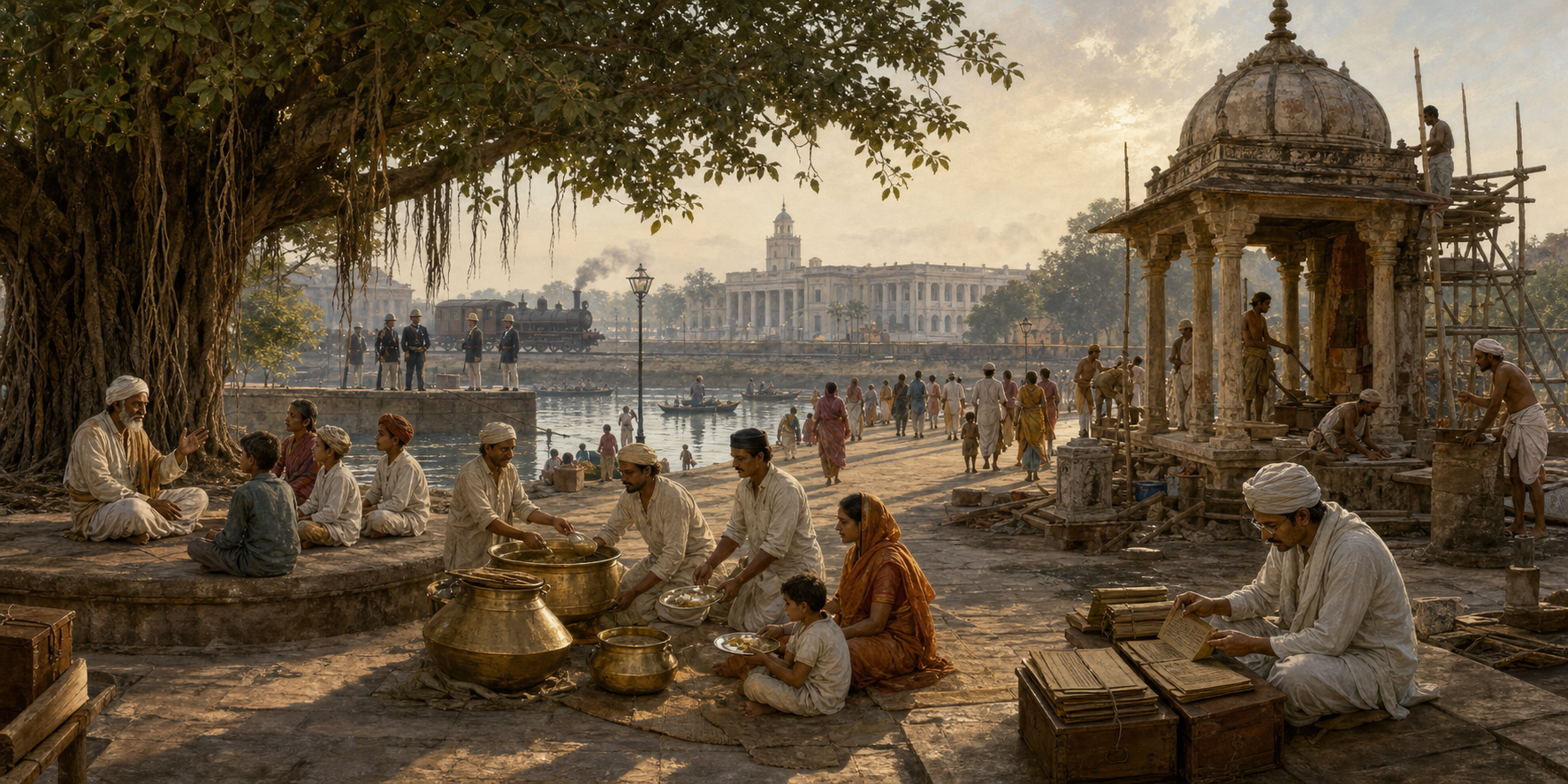
This long-form analysis reframes the nineteenth century as a hybrid struggle—military, legal, economic, educational, and narrative—between an expanding empire and a resilient, plural civilization. It situates the 1857 War of Independence within deeper structural transformations led by the British East India Company and subsequent Crown rule. The discussion explains how revenue settlements, legal codification, and…
-
The War They Could Not Win: How Dharmic Resilience Defied Empire and Erasure

This long-form analysis explains why attempts to subdue India’s civilizational core repeatedly failed. It argues that dharmic polycentricity—rooted in Hindu, Buddhist, Jain, and Sikh traditions—produced resilient networks of ethics, learning, and care beyond the reach of central control. Drawing on the Revolt of 1857, British Colonial Rule, and the intellectual countercurrents of Vivekananda and Aurobindo,…
-
Bahadur Shah Zafar and 1857: Evidence-Driven Reassessment Beyond Heroics and Betrayal

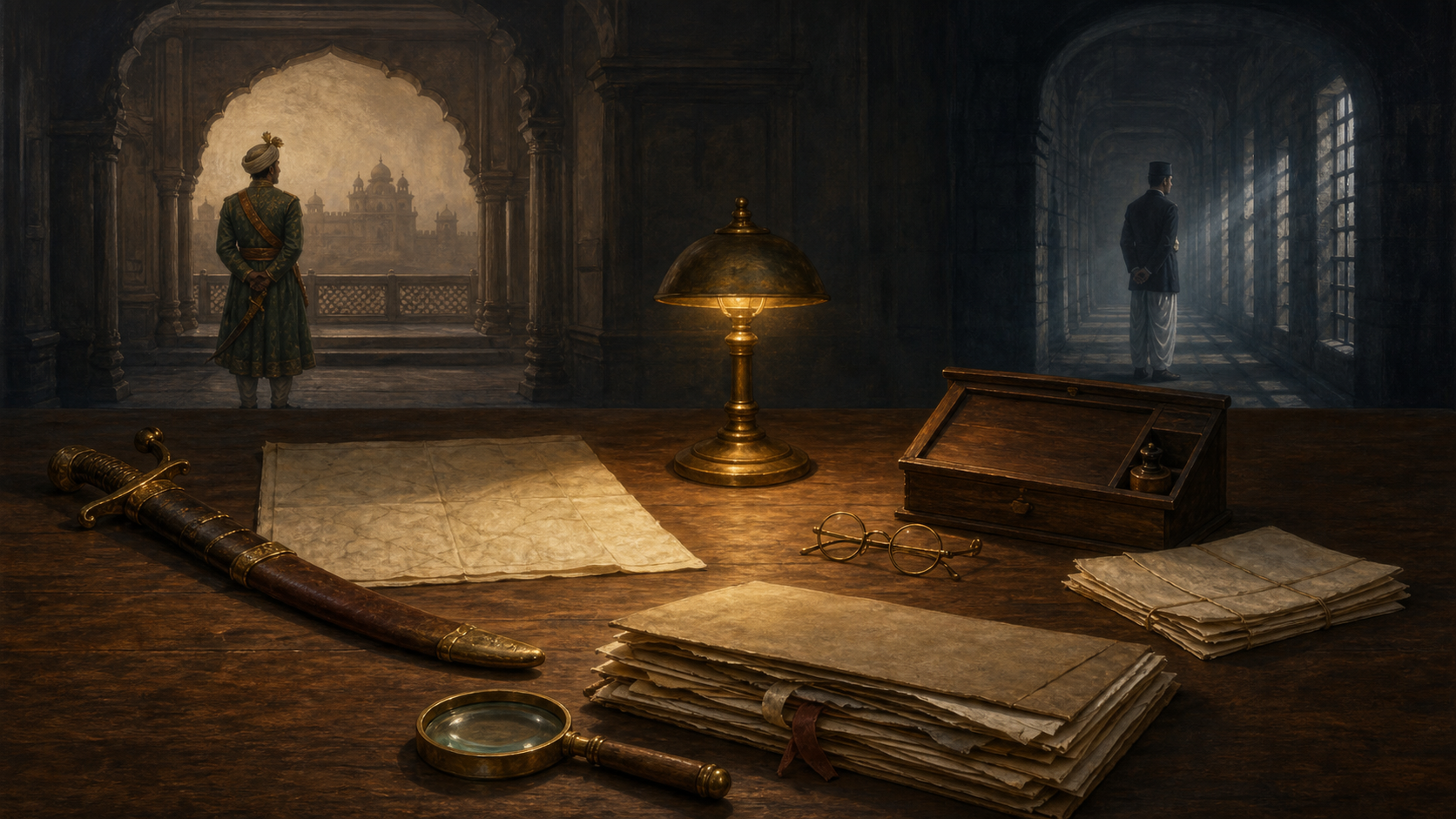
Bahadur Shah Zafar’s role in the Revolt of 1857 defies simple labels. Rather than casting him as either a heroic liberator or a betrayer, this analysis situates the last Mughal emperor within the material constraints of siege warfare, fractured command, and colonial-era power asymmetries. It traces the uprising’s structural causes—from annexations and revenue extraction to…
-
Kranti Gatha in Kamthe Ignites Youth Patriotism and Honors Bharat’s Freedom Legacy

On Indian Republic Day, Hindu Janajagruti Samiti (HJS) hosted the Kranti Gatha exhibition in Kamthe to familiarise students with the sacrifices of Bharat’s revolutionaries. The exhibit used concise visuals and timelines to make the Indian freedom struggle accessible. Visitors affirmed that such initiatives meaningfully strengthen patriotism among youth. Teachers observed heightened curiosity, and students reported…