
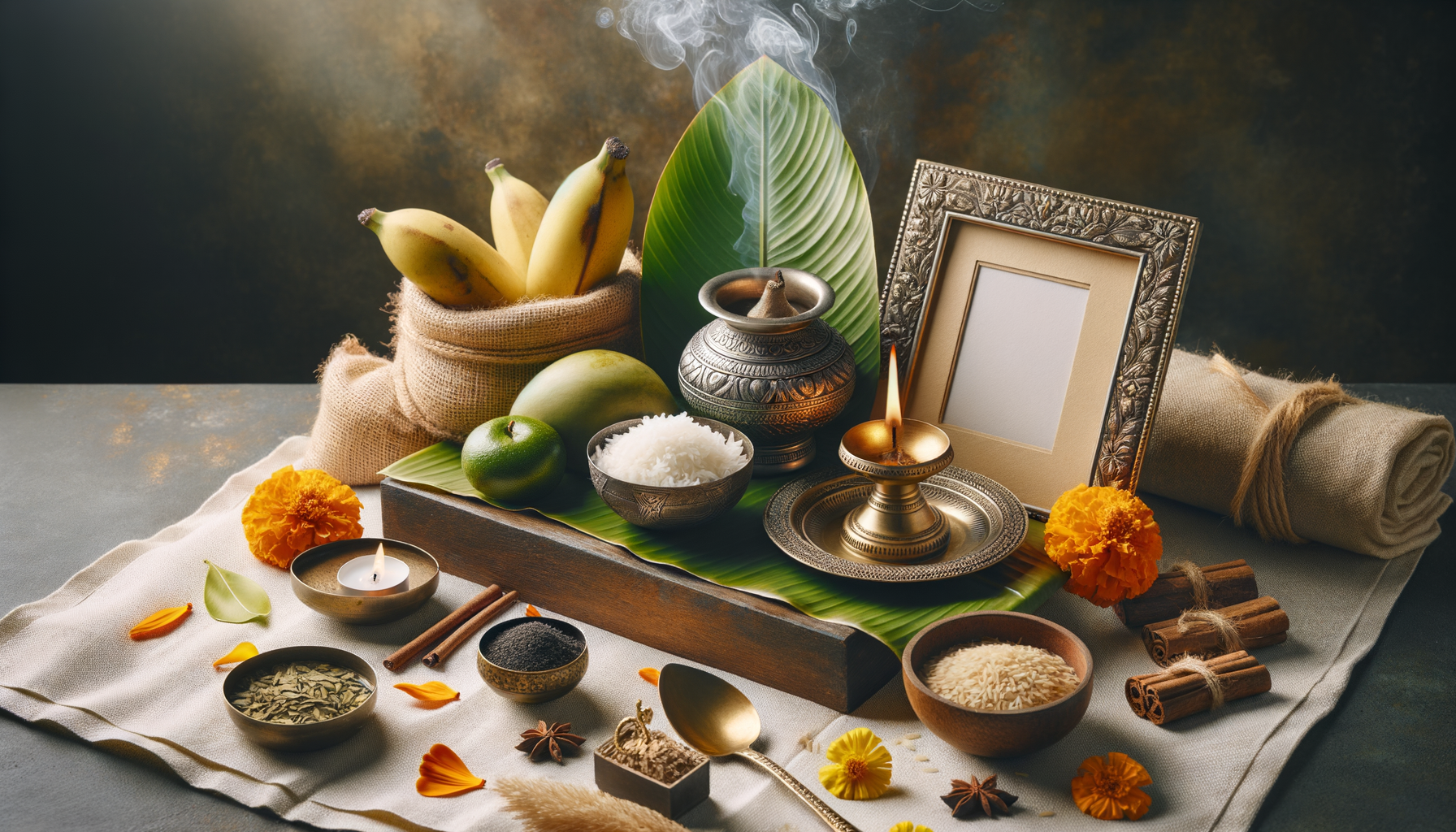
Ekoddishta Shraddha in Hinduism denotes a focused funeral rite performed specifically for the recently deceased, distinct from the broader ancestral observances known as parvana shraddhas. The term “ekoddishta” conveys a one-pointed offering directed toward a single soul, underscoring the rite’s precision and care within the cycle of samskaras. As part of Hindu funeral rites, it is intended to support a peaceful transition (shanti) and onward journey (gati) of the departed, aligning familial remembrance with dharmic duty.
Purpose and meaning are interwoven in this ritual. Ekoddishta Shraddha affirms the continuing relationship between the living and the deceased through gratitude, offerings, and prayer. In many traditions, it is regarded as essential for restoring balance in the household after loss, while ensuring that the departed is respectfully guided toward integration with the lineage of ancestors (pitrs) at the appropriate time. Families frequently describe this practice as transforming raw grief into a structured remembrance rooted in compassion and continuity.
Timing varies by regional custom and family tradition. Typically, Ekoddishta Shraddha appears within the post-cremation sequence, often between the 10th and 13th day, followed by monthly observances (masika shraddha) until sapindikarana. In some traditions, sapindikarana occurs soon after the initial rites; in others, it is performed at the first annual shraddha. The tithi (lunar day) of death is central for subsequent memorial observances. Consulting the family’s customary practice or a trusted priest is recommended to respect local dharma and ensure accuracy.
Eligibility to perform the rite (as karta) traditionally falls to the closest kin, often the eldest child. Many communities today recognize that a daughter, spouse, or another close relative can perform Ekoddishta Shraddha when needed, reflecting a lived ethic of responsibility and care. Diaspora families frequently adapt detailsdate, venue, and charitable offeringswhile maintaining the rite’s core intention. This inclusive approach reflects a wider dharmic ethos, where the essence of duty and compassion outweighs rigid form.
Core components are consistent across many traditions. The rite typically begins with a sankalpa (solemn intention), followed by offerings such as pinda daan (rice-balls symbolically representing the body), and tarpana (libations of water, often with sesame seeds) to honor and aid the departed. Acts of dana (charitable giving) and feeding guestsclassically Brahmanasare integral, though many families now extend offerings to any deserving recipients or community kitchens, thus preserving the spirit of generosity central to shraddha. These elements situate Ekoddishta Shraddha within the continuum of Hindu customs and samskara practices.
Ekoddishta Shraddha differs from general ancestral rites in scope and intent. While parvana shraddhas collectively honor all ancestors, Ekoddishta concentrates on one soul during the sensitive period following death. This focused rite facilitates the eventual merging of the departed with the pitrs during sapindikarana, after which annual ancestral rituals remember the departed alongside forebears. Understanding this distinction helps families plan observances with clarity and reverence.
The emotional and social dimensions of Ekoddishta Shraddha are equally significant. Structured remembrance offers a respectful space for mourning, enabling families to express love, gratitude, and closure. Community presencethrough shared prayer, collective meals, or acts of serviceoften provides strength and solidarity. Many find that the rite reframes loss into a living bond between generations, reinforcing family cohesion and ethical responsibility.
At a civilizational level, the values embedded in Ekoddishta Shraddharemembrance, dana, prayer, and compassionresonate across dharmic traditions. Buddhist, Jain, Sikh, and Hindu communities maintain parallel practices of memorial remembrance and service, whether through collective prayer, meditation, akhand path, or offering alms and meals. Emphasizing this shared ethical foundation fosters unity among dharmic paths, affirming that honoring the departed through compassion and service is a common thread in the region’s spiritual heritage.
Practical considerations benefit from clear guidance. The venue may be the family home, a sacred site associated with shraddha, or a community space, depending on feasibility and local customs. Many families choose eco-conscious offerings and simple, sattvic food to align with purity and reverence. Where travel is impractical, rites may be performed locally on the appropriate tithi, or arrangements made through trusted representatives, keeping the sankalpa and sincerity at the center of practice.
Frequently asked questions tend to focus on flexibility within dharma. When uncertainty arises regarding who may perform the rite, many traditions affirm that a responsible relative can act as karta with devotion and sincerity. Where feeding Brahmanas is not feasible, providing meals or aid to the needy honors the intention of dana central to shraddha. If precise materials are unavailable, close equivalents used respectfully are generally acceptable, provided the spirit of the rite remains intact.
Ethically, Ekoddishta Shraddha cultivates gratitude, humility, and continuity. It frames death not as an end but as a transition that calls for compassion and responsibility. The rite nurtures virtuescare for elders, service to community, and stewardship of traditionthat support harmonious living and strengthen the moral fabric of society. In this way, the ritual is both memorial and moral education, sustaining a living legacy.
As an expression of Hindu funeral rites, Ekoddishta Shraddha is a complete practice: academically grounded in dharmashastra and puranic guidance, practically adaptable across regions and diaspora settings, and emotionally healing for families. Approached with sincerity, clear intention, and compassion, it honors the departed, uplifts the living, and reaffirms unity with the ancestorswhile echoing a broader dharmic message of remembrance, service, and peace shared across Hinduism, Buddhism, Jainism, and Sikhism.
Inspired by this post on Hindu Blog.
