

The July 20, 2026 Panchang is shaped by an early transition from Shukla Paksha Sashti to Saptami, followed later by a change from Hasta to Chitra Nakshatra. The supplied DharmaRenaissance Blog entry also reports materially different transition times among regional calculations, making consistency more important than choosing a single time without context.
This guide connects the day’s calendar elements with the practical questions they raise: which tithi governs an observance, why the Nakshatra can change while the Moon remains in Kanya Rashi, and when a locally calculated Panchang is essential.
Key takeaways
- Monday, July 20, falls in Shukla Paksha and contains both Sashti and Saptami under the principal regional reckoning reported by the source.
- The source places the Sashti-to-Saptami transition at 6:56 AM IST in its principal calculation, while noting a western Indian calculation near 3:30 AM IST.
- Hasta is the principal Nakshatra, but its reported ending varies from about 7:09 PM to 11:06 PM among the calculations discussed.
- The Moon remains in Kanya Rashi throughout July 20, so the later Nakshatra change does not also mean an immediate Rashi change.
What changes during July 20
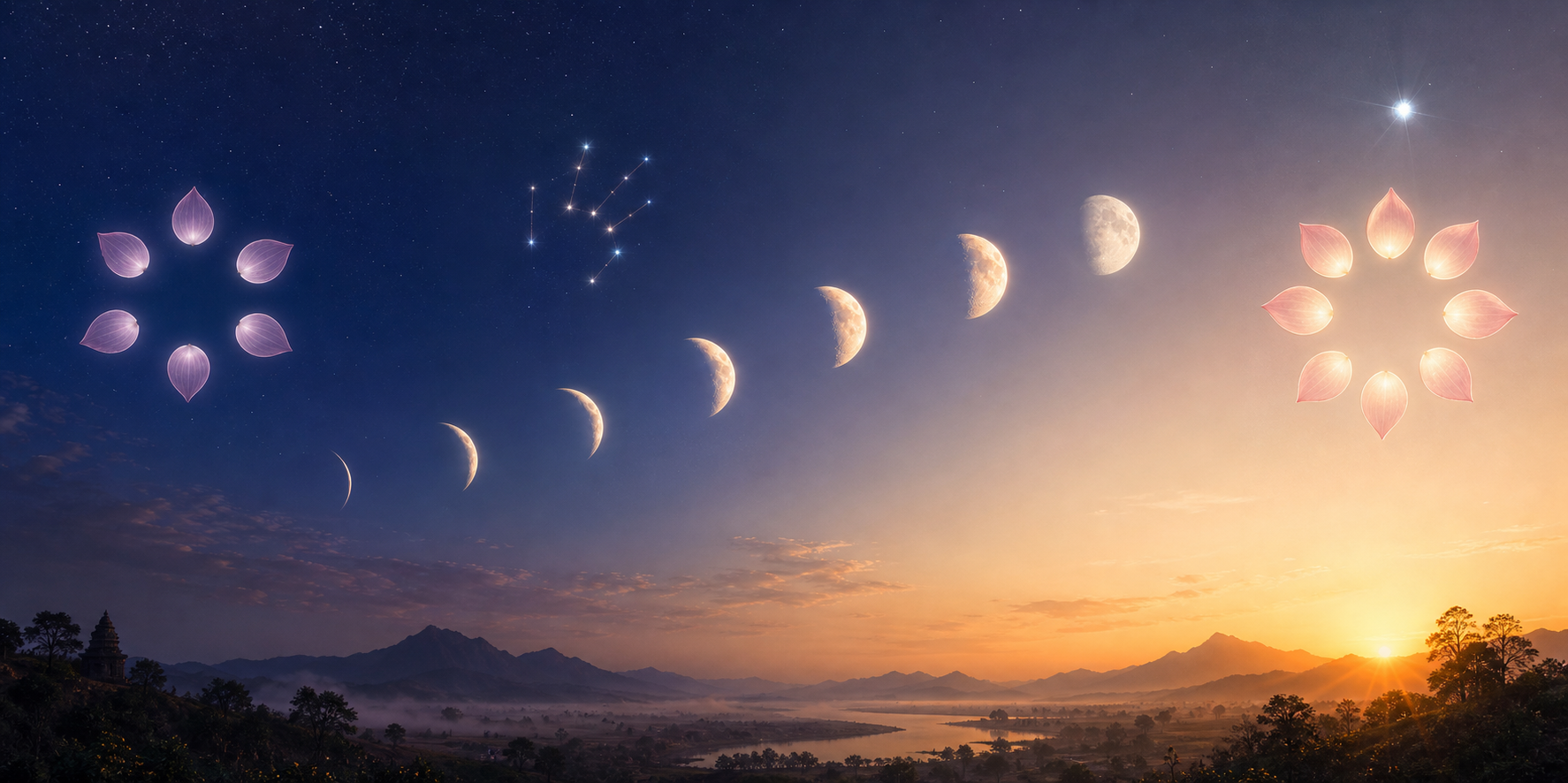
The supplied calendar entry identifies the date as Somavara, or Monday, during the waxing half of the lunar month. Its reported daily elements can be separated into transitions that occur on July 20 and conditions that remain in place throughout the civil day.
| Calendar element | Position reported for July 20 | Important qualification |
|---|---|---|
| Tithi | Shukla Paksha Sashti followed by Saptami | The principal regional transition is 6:56 AM IST; a western Indian calculation places it near 3:30 AM IST. |
| Nakshatra | Hasta, followed by Chitra | The principal regional convention places the change near 11:06 PM; the western Indian calculation cited places it near 7:09 PM. |
| Moon Rashi | Kanya, or sidereal Virgo | Kanya continues throughout the civil day despite the Nakshatra transition. |
| Nitya Yoga | Shiva followed by Siddha | The source says Siddha follows in the evening but does not supply a single universally applicable local time in the material provided. |
| Karana | Garaja and Vanija | These are identified as the principal karanas in commonly used western Indian calculations. |
The most consequential change is the early tithi boundary. Under the source’s principal timing, Sashti is present at sunrise in many Indian cities before Saptami begins at 6:56 AM. Under the alternative calculation near 3:30 AM, Saptami is already present by sunrise.
Why Panchang timings can legitimately differ
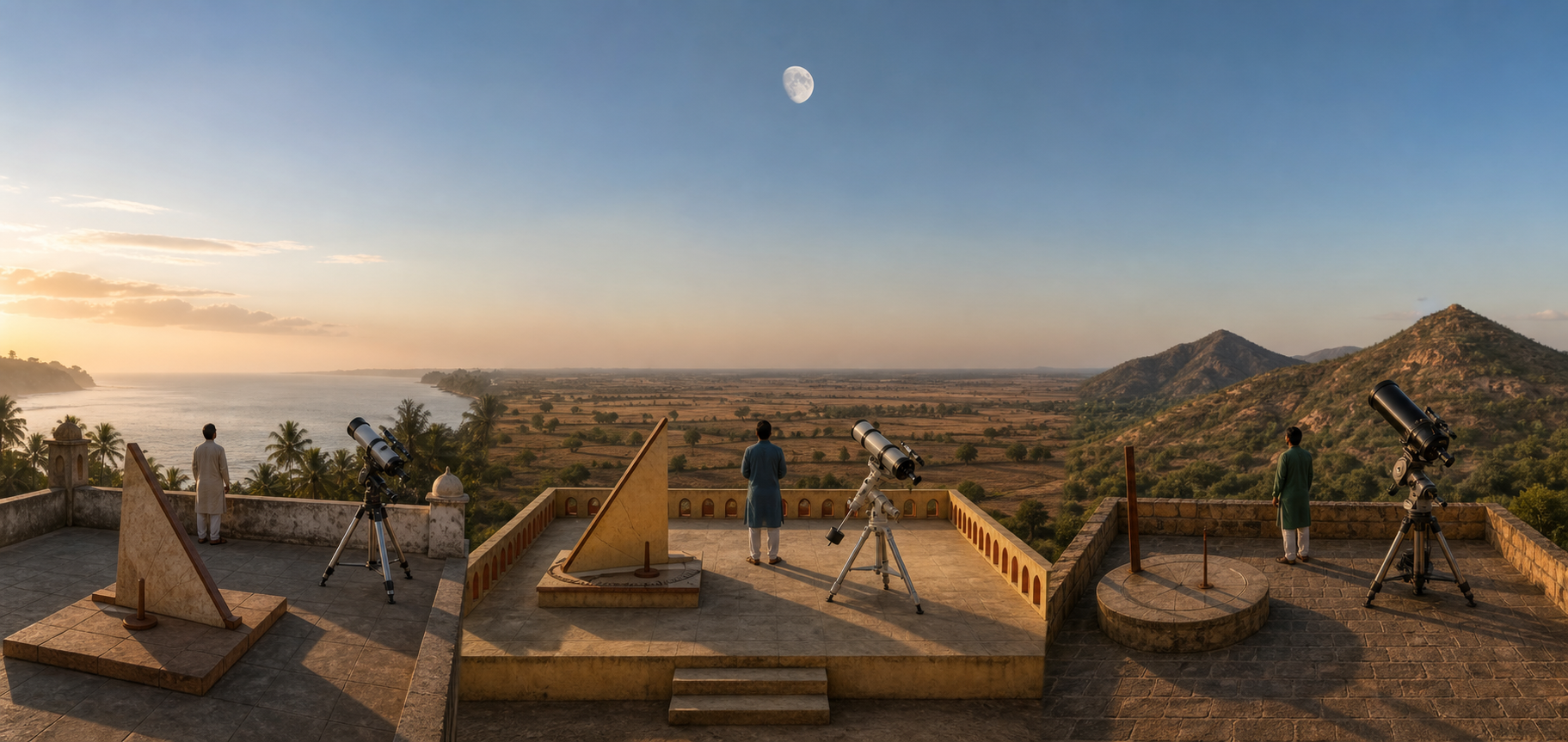
A tithi is based on the angular separation of the Moon and Sun, not a fixed midnight-to-midnight period. Each tithi spans 12 degrees of that separation, so its beginning and ending can occur at any clock time. Nakshatra boundaries similarly reflect the Moon’s passage through 27 sidereal sectors, each measuring 13 degrees and 20 minutes.
The DharmaRenaissance entry attributes the timing differences to factors including location, regional almanac tradition, calculation method, ayanamsha standard, and the rules used to assign observances to a sunrise-based day. The reported values should therefore be understood as products of internally consistent systems rather than interchangeable estimates.
This distinction matters most for vrata and festival decisions. The source associates the relevant Muruga Sashti fast or Kumar Sashti Vrata with July 19 in the calendars it discusses; Sashti’s short continuation into July 20 under one reckoning does not automatically move the observance. The applicable sunrise rule and the devotee’s sampradaya remain decisive.
How the day’s symbolic layers fit together
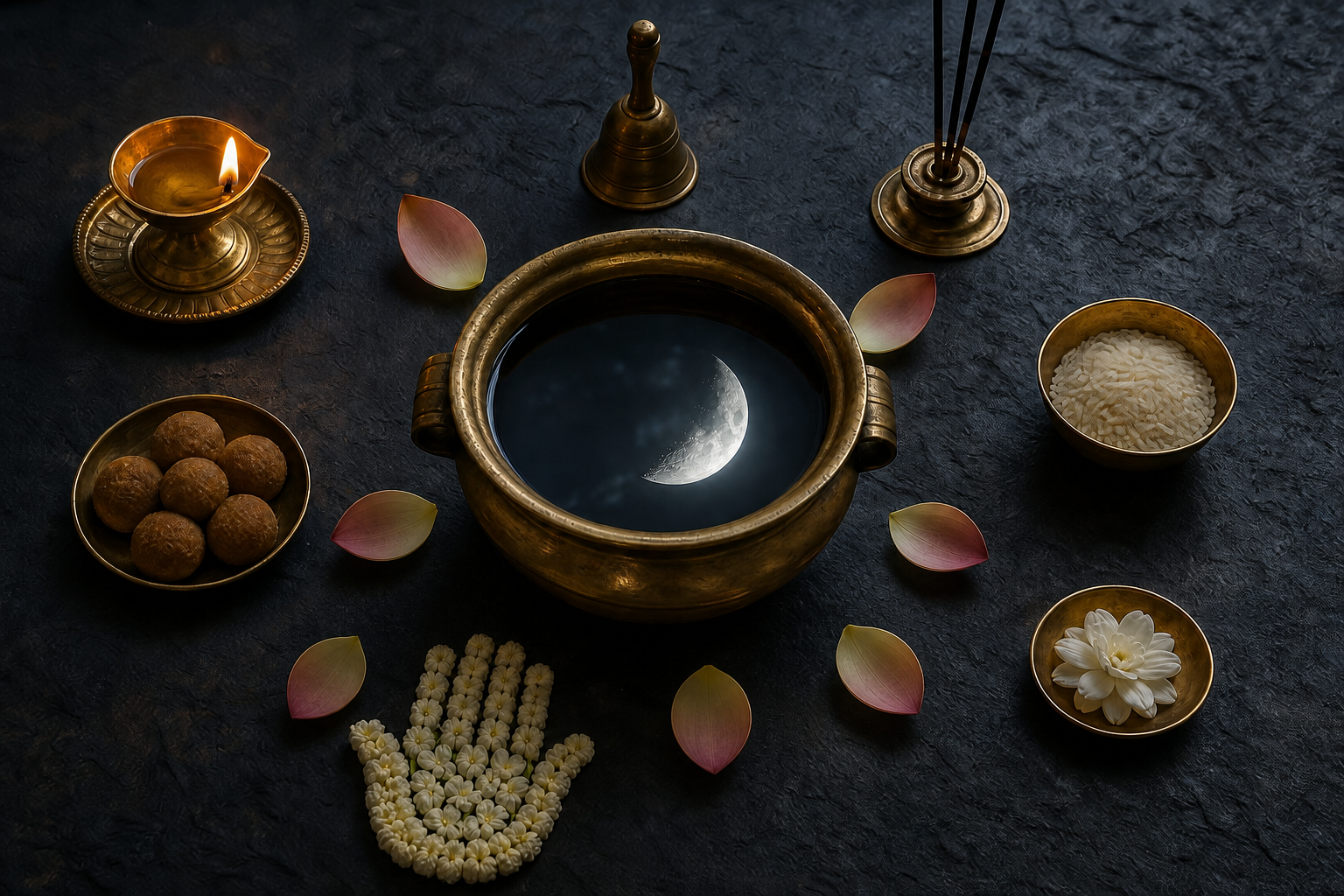
The calendar entry brings together several distinct classifications. Monday carries traditional associations with Chandra and Shiva worship, while Saptami is connected with Surya in several ritual traditions. Shiva Yoga adds another Shaiva name, but it arises from a separate Panchang calculation and should not be treated as identical to the weekday association.
Hasta contributes a different theme. Traditionally associated with Savitar and the image of the hand, it is interpreted in relation to craftsmanship, practiced skill, orderly execution, healing gestures, and translating intention into tangible work. The source presents these meanings as cultural and devotional interpretations, not guaranteed predictions.
The Moon’s continued presence in Kanya explains why Hasta can give way to Chitra without a simultaneous Rashi change. A Rashi covers 30 degrees, whereas a Nakshatra covers 13 degrees and 20 minutes. Hasta and the opening portion of Chitra both fall within Kanya, so the two calendar indicators describe the Moon’s position at different levels of detail.
Applying the Panchang without mixing systems
For ordinary daily worship, the principal entry supports recognizing the brief residual Sashti period before 6:56 AM IST and Saptami afterward. Its traditional framing makes the later period suitable for Surya Arghya, recitation, disciplined study, and health-oriented routines, while Somavara can retain its customary emphasis on Shiva worship.
A Nakshatra-specific ceremony requires greater precision because the two reported Hasta endings differ by several hours. The relevant city’s calculation and the convention used by the household or officiating priest should determine whether Hasta or Chitra applies at the planned time.
The same discipline applies to muhurta selection. Tithi, Vara, Nakshatra, Yoga, and Karana form the five classical limbs of the Panchang, while factors such as local sunrise, sunset, Rahu Kaal, Yamaganda, Gulika, and Choghadiya may also be consulted. A favorable label in one limb is not, by itself, a complete judgment about an undertaking.
For a ceremony, vrata, or other rule-bound observance, the sound next step is to confirm July 20 against one location-specific Panchang and continue with that same tradition from interpretation through performance.