
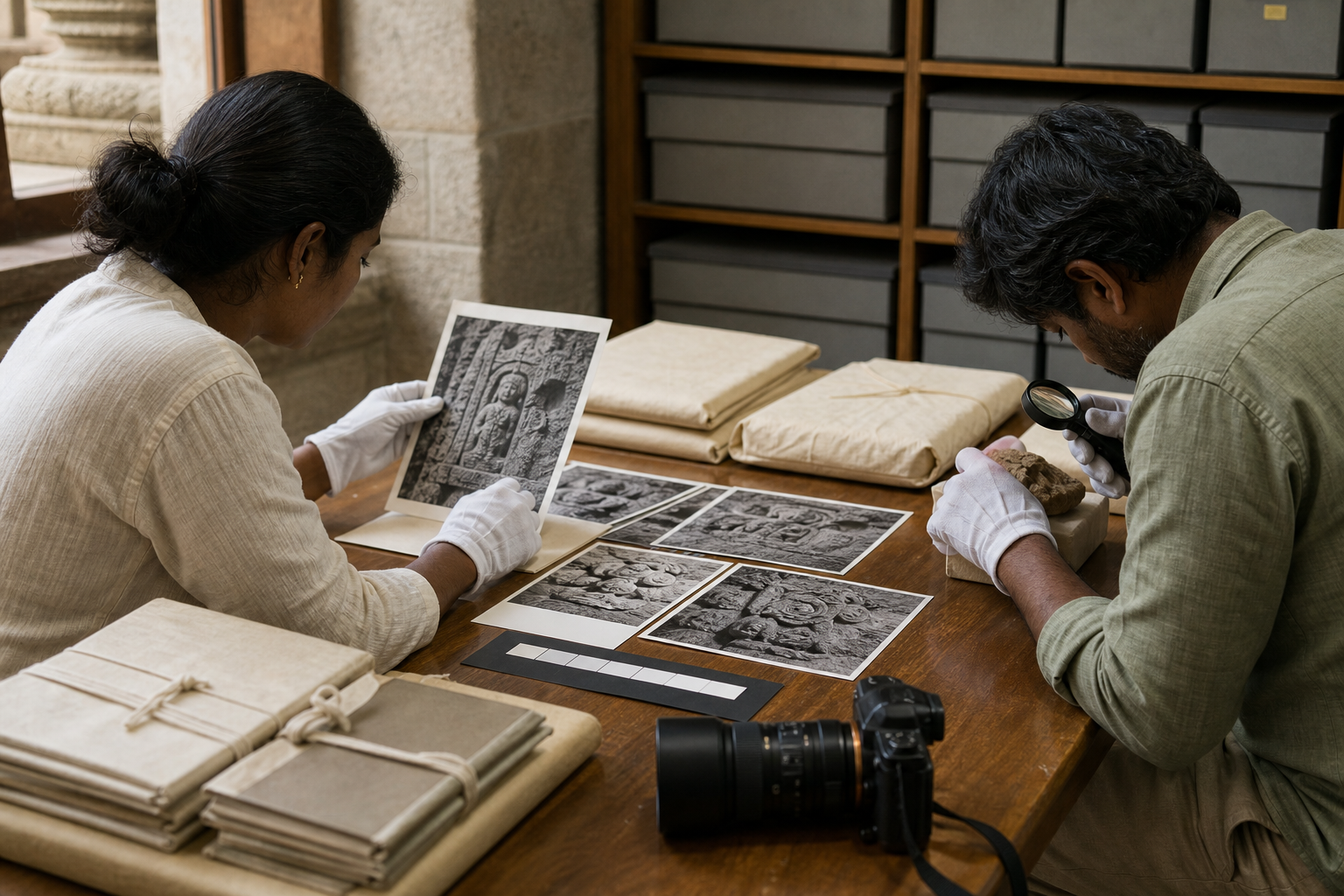
If you are deciding when to perform puja, begin a study session, or handle an important routine task on February 21, the day has a useful two-part rhythm. The morning favors clearing obstacles and establishing direction; the later part of the day favors learning, organization, and steady continuation.
On Saturday, February 21, 2026, Shukla Paksha Chaturthi continues until roughly 1:30 PM, after which Shukla Paksha Panchami begins as a general planning outline. Do not treat 1:30 PM as a universal local deadline. Tithi timings and sunrise-based muhurta windows must be confirmed for your city.
Verify the local clock before arranging the day
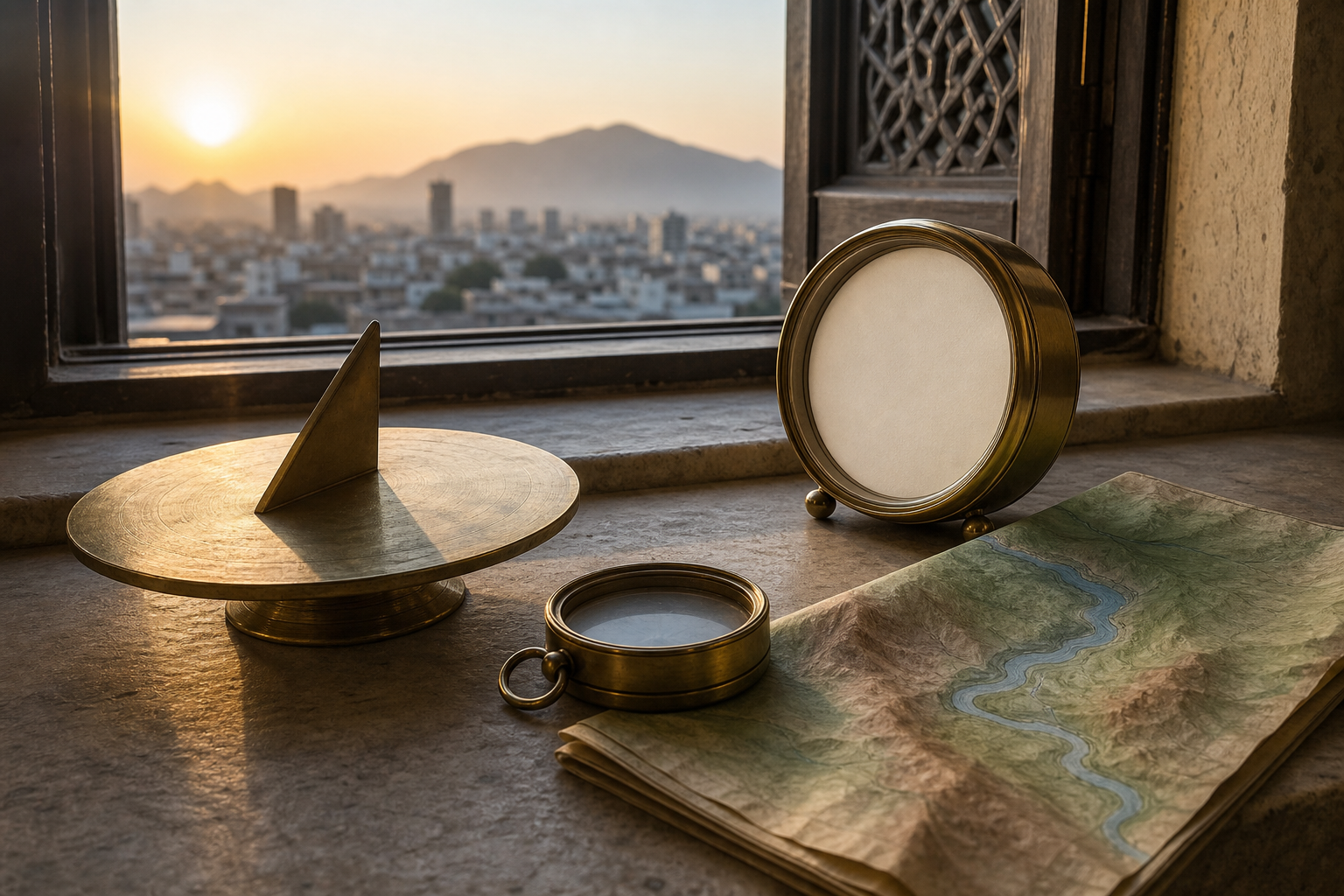
A tithi is a lunar-calendar division, so it does not begin and end neatly with the civil date. February 21 can therefore contain part of Chaturthi and part of Panchami. The transition matters more than midnight if you are trying to align an elective beginning with the active tithi.
The broad 1:30 PM transition gives you a working structure, but a location-specific Panchang should settle the actual clock. This is especially important when a family follows Rahu Kalam, Abhijit Muhurat, Nakshatra, or the Moon’s Rashi alongside the tithi.
- Set the Panchang to the city where the activity will occur, not the city where a calendar was published.
- Open the entry for February 21, 2026 and confirm the displayed end time for Shukla Paksha Chaturthi.
- Check Rahu Kalam before fixing an elective commencement if your family or sampradaya observes that interval.
- Look for a locally calculated Abhijit or another auspicious window if the action requires finer timing.
- Use the Nakshatra and Moon’s Rashi shown in that same local calculation. Do not combine a tithi time from one city with other Panchang elements from another.
For ordinary puja, study, creative work, and household organization, the two-part daily outline may be enough. For a major rite or a commitment that specifically requires a muhurta, consult a complete regional Panchang or a qualified local practitioner rather than deriving an exact time from this general date guidance.
Use Chaturthi to remove friction and begin steadily
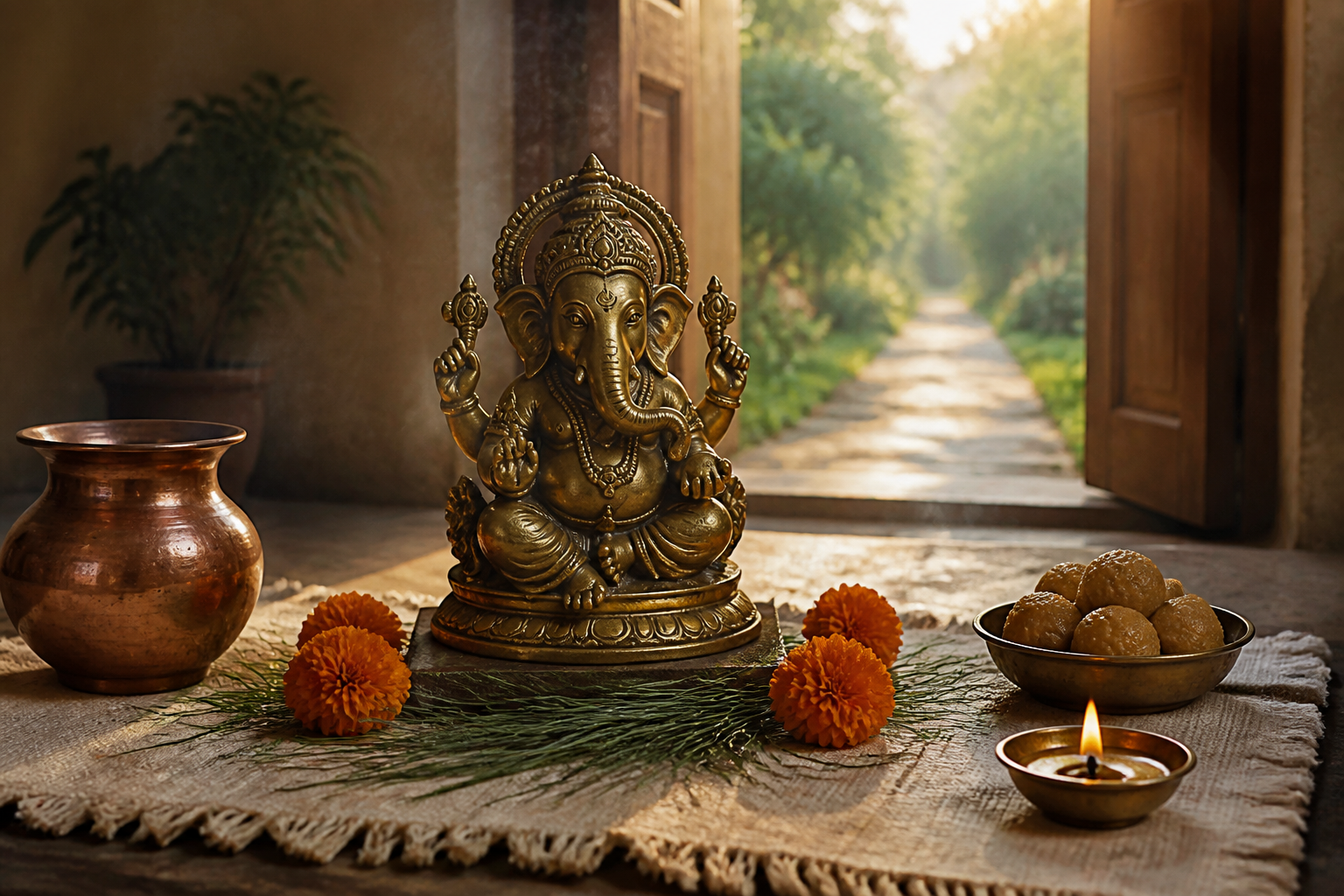
Shukla Paksha Chaturthi is traditionally associated with focused effort, orderly beginnings, and Ganesha worship. Its practical value on this morning is not an invitation to start everything at once. It is a prompt to identify the obstacle that is actually preventing progress and then take one clear step through it.
If Ganesha puja belongs to your practice, keep the observance faithful to your household or sampradaya. A simple sequence is sufficient:
- Prepare the worship space and put away whatever will divide your attention.
- Name the obstacle plainly: confusion about a decision, disorder in a task, procrastination in study, or lack of continuity in practice.
- Perform your customary Ganesha remembrance or puja with a specific sankalpa rather than a vague wish for success.
- Begin the related work while the intention is still fresh. Open the book, organize the materials, outline the creative task, or complete the first necessary action.
The key is the connection between worship and conduct. If you pray for clarity but leave the decision undefined, the morning remains symbolic. If you identify the obstruction and act on it, Chaturthi becomes a disciplined frame for real effort.
Do not turn the approximate transition time into a source of anxiety. Starting before the tithi changes does not guarantee an outcome, and missing a preferred minute does not make responsible work fruitless. The Panchang helps you bring attention and order to an action; it does not replace preparation, competence, or dharmic judgment.
Let Panchami carry the work forward after the transition
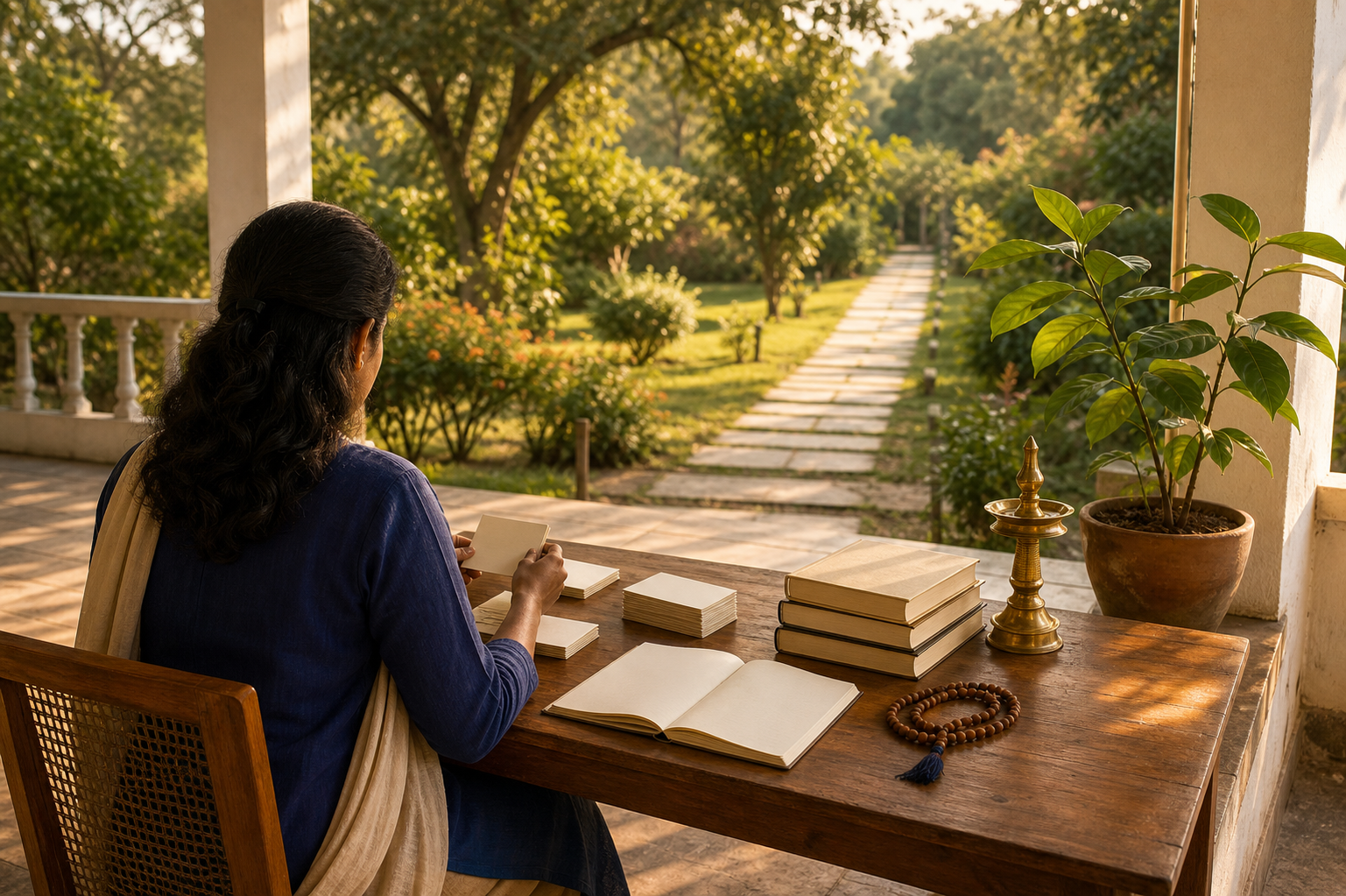
After the locally confirmed shift from Chaturthi to Shukla Paksha Panchami, change the emphasis from removing resistance to sustaining momentum. Panchami is well suited to continuing studies, arranging materials, completing modest tasks, and maintaining routine worship.
| Part of the day | Useful emphasis | What to avoid |
|---|---|---|
| Chaturthi, before the local transition | Ganesha remembrance, intention-setting, resolving confusion, and beginning focused study or creative work | Loading the morning with too many unrelated beginnings |
| At the tithi change | A brief pause to note what has begun and decide what must continue | Abandoning necessary work merely because the lunar phase has changed |
| Panchami, after the local transition | Learning, organization, routine puja, and measured follow-through | Confusing gentle momentum with haste or overcommitment |
If a study session or household task crosses the transition, you do not need to stop at the clock. Pause at a natural break, recollect the purpose of the work, and continue. The change from Chaturthi to Panchami is most useful as a shift in emphasis: establish direction first, then consolidate it.
A practical day plan could therefore place obstacle-clearing, initial organization, and a focused beginning in the morning. The later period can hold revision, filing, continued reading, ordinary administration, or the next stage of work already begun. This keeps the day coherent instead of dividing it into unrelated auspicious and inauspicious halves.
Read the Panchang as a set of layers, not one verdict
Tithi gives the day’s broad lunar cadence, but it is not the only Panchang element used for timing. Each layer answers a different question, and none should be guessed when the local value has not been confirmed.
| Panchang element | What it helps you decide | How to use it on February 21 |
|---|---|---|
| Tithi | The broad quality and sequence of the lunar day | Use Chaturthi for a clear beginning and Panchami for steady continuation. |
| Rahu Kalam | Whether an elective commencement falls within an interval your tradition treats as obstructive | Check the regional time and keep a discretionary beginning outside it when that is your practice. |
| Abhijit or another shubh window | A more precise period for an auspicious action | Use only the window calculated from the relevant local sunrise. |
| Nakshatra | Additional refinement for activities such as study, travel, or household rites | Confirm the day’s local entry rather than inferring it from the tithi. |
| Moon’s Rashi | Further context for those whose practice considers the Moon’s zodiacal placement | Use the Rashi shown by a reliable regional Panchang. |
If these indicators appear difficult to reconcile, begin by separating obligation from choice. A necessary duty, compassionate response, or time-sensitive responsibility should not be neglected while you search for an ideal window. Apply muhurta selection to actions you are genuinely free to schedule.
This distinction also keeps Panchang practice grounded in dharma rather than fatalism. Sacred timing can cultivate attention, restraint, and continuity, but ethical conduct remains the measure of how that attention is used. Hindu, Buddhist, Jain, and Sikh traditions have distinct calendars and observances; their shared regard for mindful conduct and compassion should not be used to erase those differences. You can honor the wider Dharmic ethos by treating time carefully while respecting the discipline of your own tradition.
Key takeaways for February 21, 2026
- The general sequence is Shukla Paksha Chaturthi until about 1:30 PM, followed by Shukla Paksha Panchami.
- The transition time is location-sensitive, so verify it in a Panchang configured for the city where you will act.
- Use the Chaturthi portion for Ganesha worship, intention-setting, resolving obstacles, and beginning focused work.
- Use the Panchami portion for learning, organization, routine puja, and continuing what has already been set in motion.
- Check Rahu Kalam, Abhijit, Nakshatra, and the Moon’s Rashi locally if you need more than broad daily guidance.
- Let the calendar order elective actions without allowing it to delay duty, compassion, or necessary work.
Before making your plan, write down the locally confirmed Chaturthi end time, any interval you intend to avoid, and the one task that deserves a clear beginning. Give the morning a definite purpose and let Panchami carry that purpose forward.
References
