
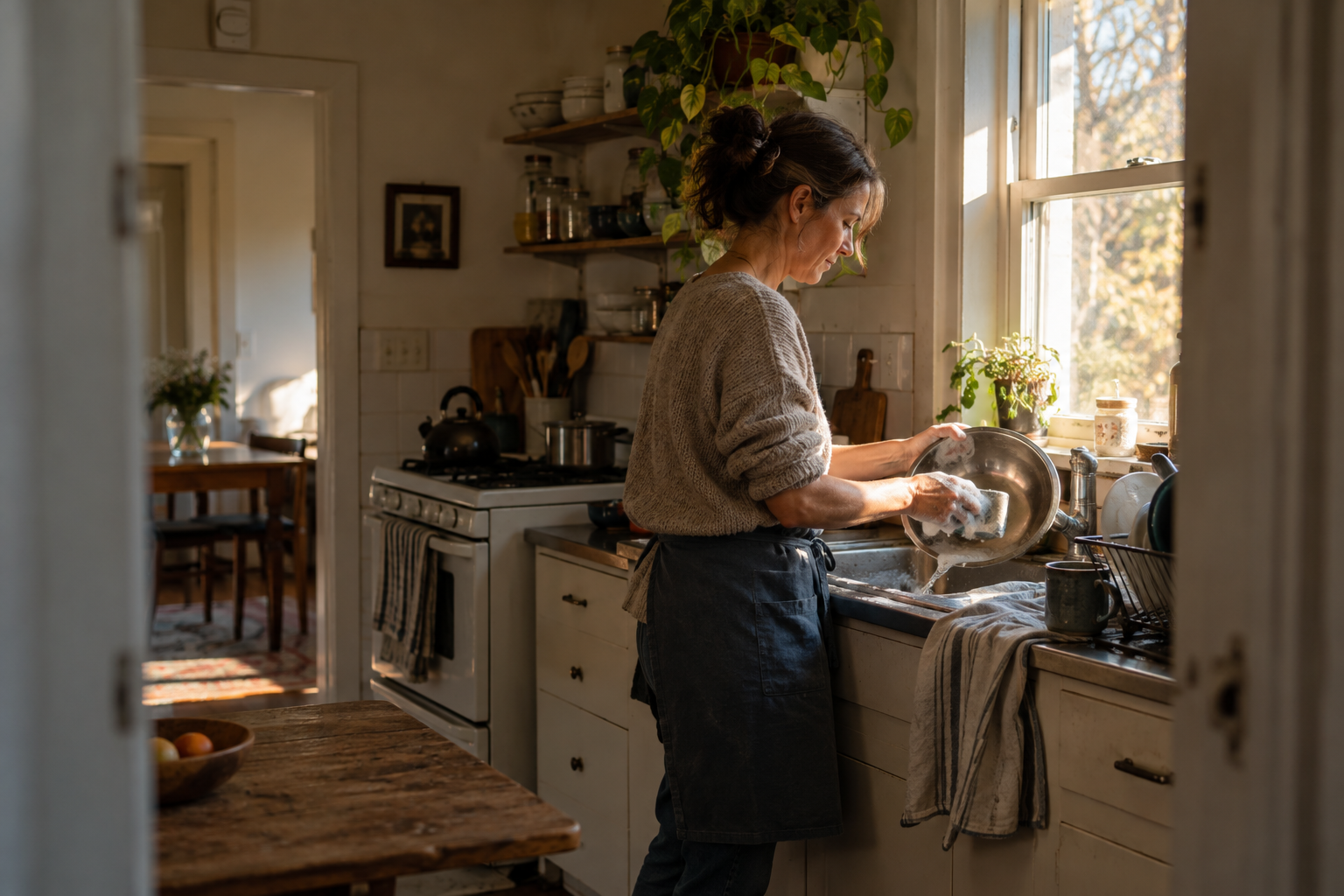
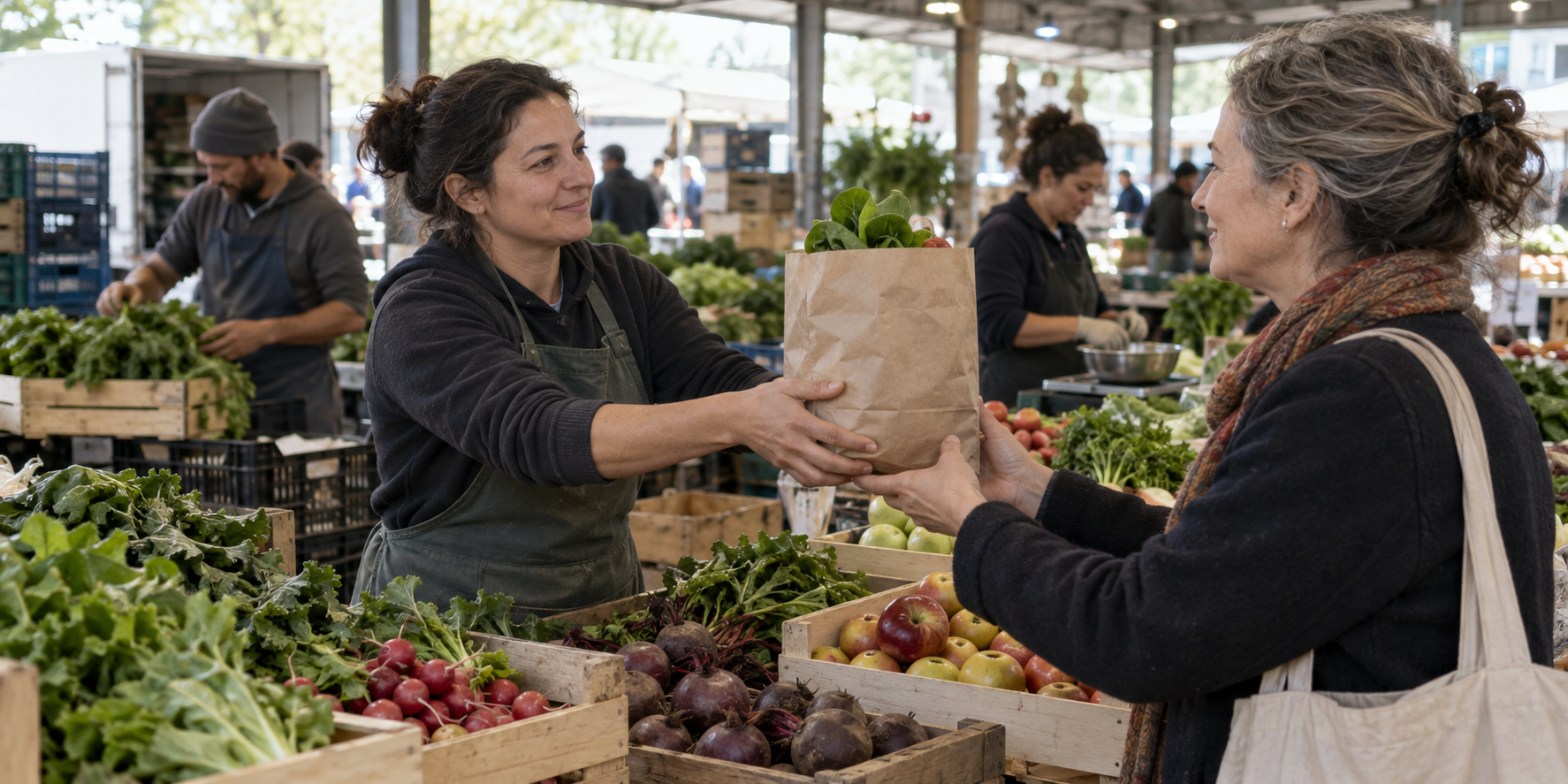
You may recognise beauty in a temple, during aarti, or before a mountain view, yet pass through most of your day as though nothing sacred were present. The sink is full, the train is crowded, someone is arranging produce at a market, and your attention has already moved to the next task.
You do not need a more picturesque life. You need a way of looking that can recognise dignity, care and living presence without pretending that everything is pleasant. That change in perception is small enough to practise today, but demanding enough to change how you treat people and places.
Sacred beauty is not the same as prettiness
Prettiness depends heavily on preference. It asks whether a scene pleases you. Sacred attention asks a different question: what here deserves regard, even if it does not gratify me?
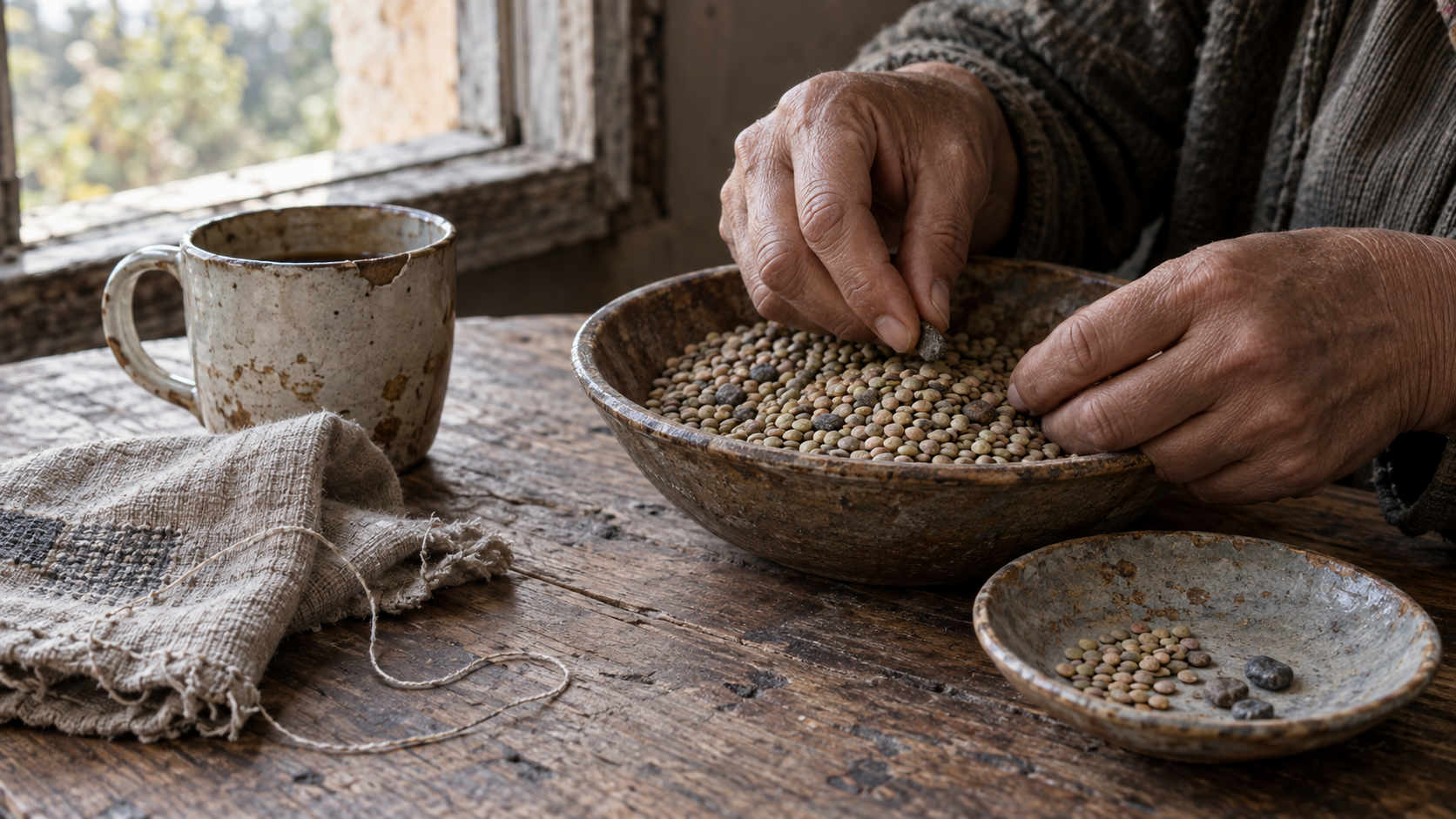
This distinction matters because much of life is not conventionally beautiful. Work marks the body. Commuters look exhausted. Winter strips a landscape of colour. Yet a vendor’s careful arrangement, a weary face among commuters, or a stark frozen landscape can reveal a depth hidden by hurried looking. None of these needs to be made photogenic before it can call forth attention.
To see sacred beauty is not to paste a pleasing interpretation over the world. It is to stop reducing what you encounter to its usefulness, inconvenience or appearance. The vegetable is more than an item to buy. The person serving you is more than a function. The landscape is more than a background for your photograph.
When an ordinary scene catches your eye, test your perception with three questions:
- What am I treating as an object, obstacle or service rather than meeting with full attention?
- What care, effort, order or vulnerability is visible here?
- What response would honour what I have noticed?
The last question keeps spiritual perception from becoming private sentiment. If seeing beauty changes nothing about your conduct, you may only be consuming a mood.
Train your attention at an ordinary threshold
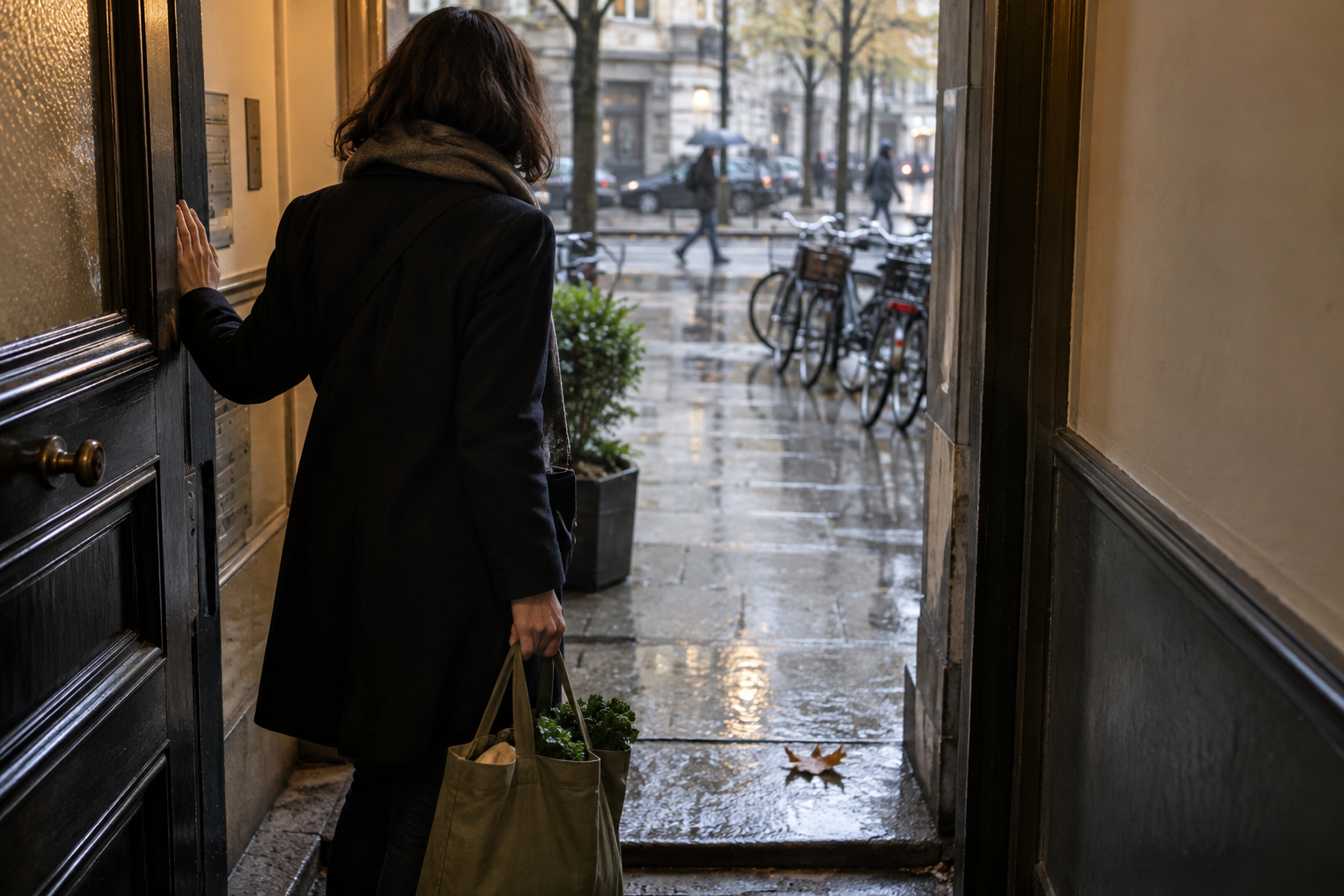
Trying to remain reverently aware all day is too vague to be useful. Choose one transition that already occurs in your routine: opening the front door, waiting for transport, preparing a meal, washing a cup, beginning work, or turning off the light at night. Let that threshold become your place of practice.
- Interrupt your momentum. Before reaching for your phone or rushing into the next task, let your body become still. You are not attempting to manufacture a special feeling. You are making room to perceive.
- Describe before judging. Notice colour, texture, movement, sound and arrangement. Replace “messy market” with what is actually present: hands sorting vegetables, colours placed in rows, voices crossing, bags changing hands. Description loosens the grip of habit.
- Look for relationship. Ask what depends on what. A meal depends on soil, labour, transport, preparation and someone remembering that others must eat. A clean corridor depends on work usually performed outside your attention.
- Make one fitting response. Handle an object carefully, thank the person whose work you noticed, clear the space you used, yield room to someone else, or leave a natural place undisturbed. The response should arise from the scene rather than from a wish to feel virtuous.
Do not rush to assign cosmic meaning to every detail. First see what is there. Spiritual imagination without disciplined observation easily becomes projection. A humble, accurate encounter is more valuable than an elaborate story imposed on another person or place.
Keep returning to the same threshold until the pause begins to arrive naturally. This is abhyasa in its simplest practical sense: not one dramatic experience, but repeated attention that reshapes a habit.
See people as persons, not as spiritual scenery
The most serious mistake is turning another person’s life into material for your own uplift. A tired face in a crowded carriage is not a symbol placed there for your enlightenment. Weathered hands are not rustic decoration. They belong to people with privacy, obligations and histories you do not know.
Begin by dropping the label that has replaced the person: cashier, cleaner, driver, vendor, security guard. You do not need to invent a biography to correct this reduction. Notice the actual interaction. Did you make eye contact without staring? Did you speak as respectfully as you would to someone of higher status? Did you acknowledge work that makes your own routine possible?
Then allow perception to govern behaviour. On public transport, move your bag so another person can sit. Lower your voice when people around you are resting. Offer a seat when it is appropriate. In a shop, do not continue a phone conversation while treating the person serving you as an extension of the counter. When someone is working, do not photograph them merely because the scene appears evocative.
This is where sacred beauty and dharma meet. Recognition creates responsibility. To perceive dignity while acting carelessly toward its bearer is a contradiction.
Do not romanticise hardship, fatigue or injustice
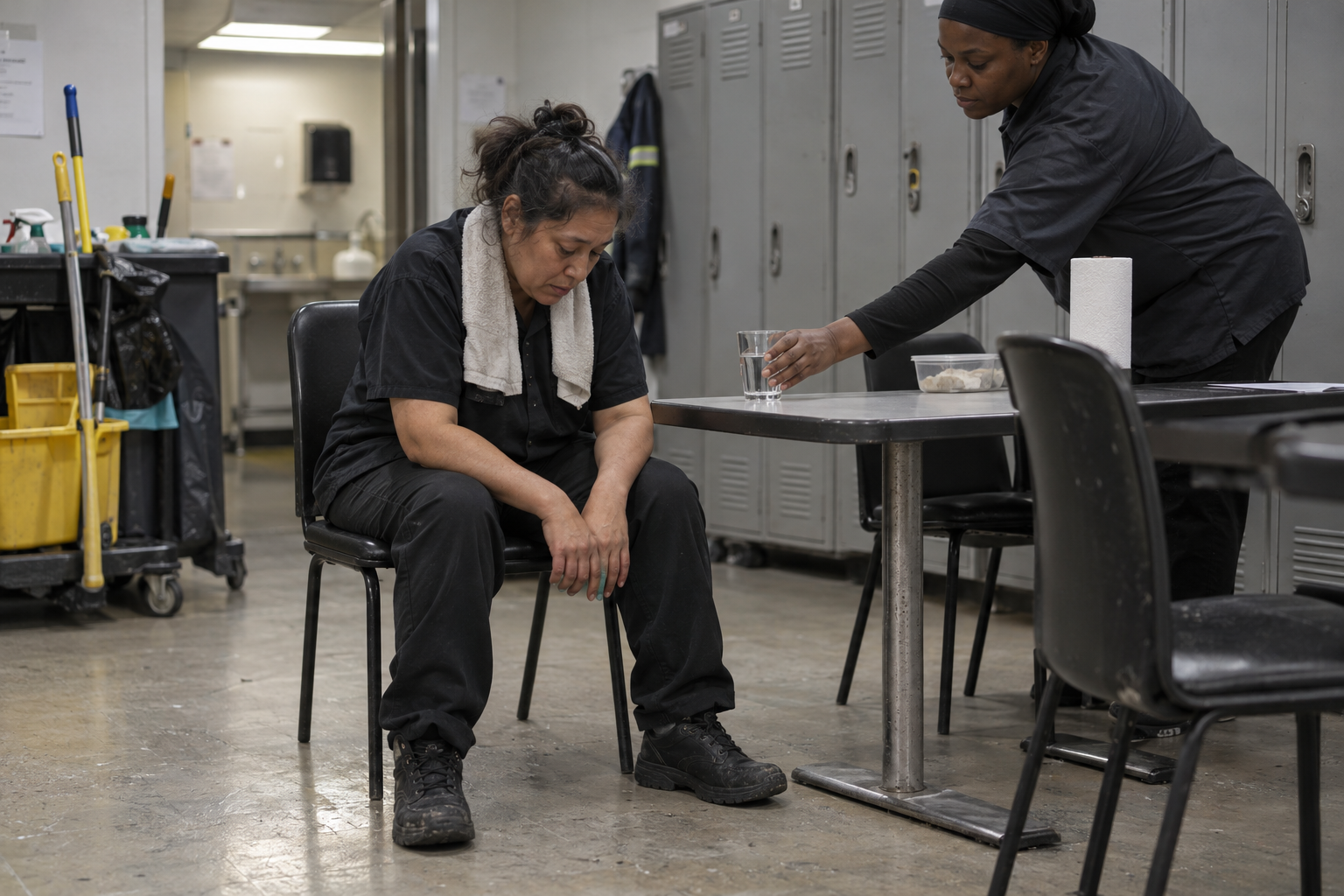
Sacred vision is not a command to call suffering beautiful. Pain can coexist with courage, tenderness and dignity, but the pain itself does not become desirable. Poverty does not become noble because endurance is moving. Exhaustion does not become harmless because a weary face awakens compassion.
Your response should change with the kind of difficulty in front of you:
- When the situation is merely inconvenient, suspend complaint long enough to notice what impatience has concealed. A queue may reveal cooperation, restraint, human variety or unseen labour.
- When a person is in pain, do not demand that the moment deliver a spiritual lesson. Attend to the person before interpreting the scene. Listening, practical help or respectful space may be the proper response.
- When conditions are unjust, let recognition sharpen your sense of duty. Praising resilience is not a substitute for opposing the conditions that continually require it.
- When a landscape is severe or empty, resist the need to possess it through constant photography or commentary. Scale, silence and exposure may become perceptible only when you stop placing yourself at the centre.
This distinction protects you from spiritual bypassing. Sacred beauty does not erase what is broken. It helps you see the world clearly enough to respond without contempt, numbness or self-serving sentimentality.
Key takeaways
- Sacred beauty is the dignity and depth you learn to recognise, not merely an appearance you find pleasing.
- Practise at one ordinary transition instead of waiting for an exceptional spiritual experience.
- Describe what is present before assigning meaning; this reduces projection and makes attention more honest.
- Let perception produce a fitting act of care, restraint, gratitude or service.
- Never use spiritual language to beautify another person’s suffering or excuse an unjust condition.
Try the practice before this day ends
Choose the next ordinary crossing in your day. It may be standing in a queue, washing a plate, sitting down to eat, entering a room, or looking out of a window you usually ignore. Pause before distraction takes over. Look until one previously unnoticed detail becomes specific. Then ask what that detail deserves from you.
The answer may be gratitude, silence, careful handling, a word of respect or a useful action. Some moments will remain dull, and some will remain painful. You do not have to force radiance into them. Begin by meeting what is directly before you without reducing it. That is how sacred beauty becomes part of everyday life rather than an experience reserved for exceptional places.
References

Leave a Reply
You must be logged in to post a comment.