

If you are checking on Jayapataka Swami Maharaja after seeing a worried message or an overly optimistic one, the clearest answer lies between those extremes. His condition is stable, several indicators are moving in the right direction, and the medical team remains hopeful. He has not, however, completed the difficult stages of recovery.
As of 6:00 PM IST on 7 September 2026, Maharaja was showing gradual improvement in alertness and overall sensorium. He was also tolerating longer periods of independent breathing. At the same time, he continued to require ventilatory support and dialysis on alternate days. That combination of progress and continuing dependence on intensive medical care is the essential context.
What is confirmed about his present condition
The most encouraging neurological sign is the improvement in his sensorium and level of alertness. In clinical language, sensorium broadly concerns a person’s awareness and responsiveness. Improvement here is meaningful, but it should not be enlarged into claims that his communication, interaction, or broader functioning has completely returned. Those remain recovery goals.
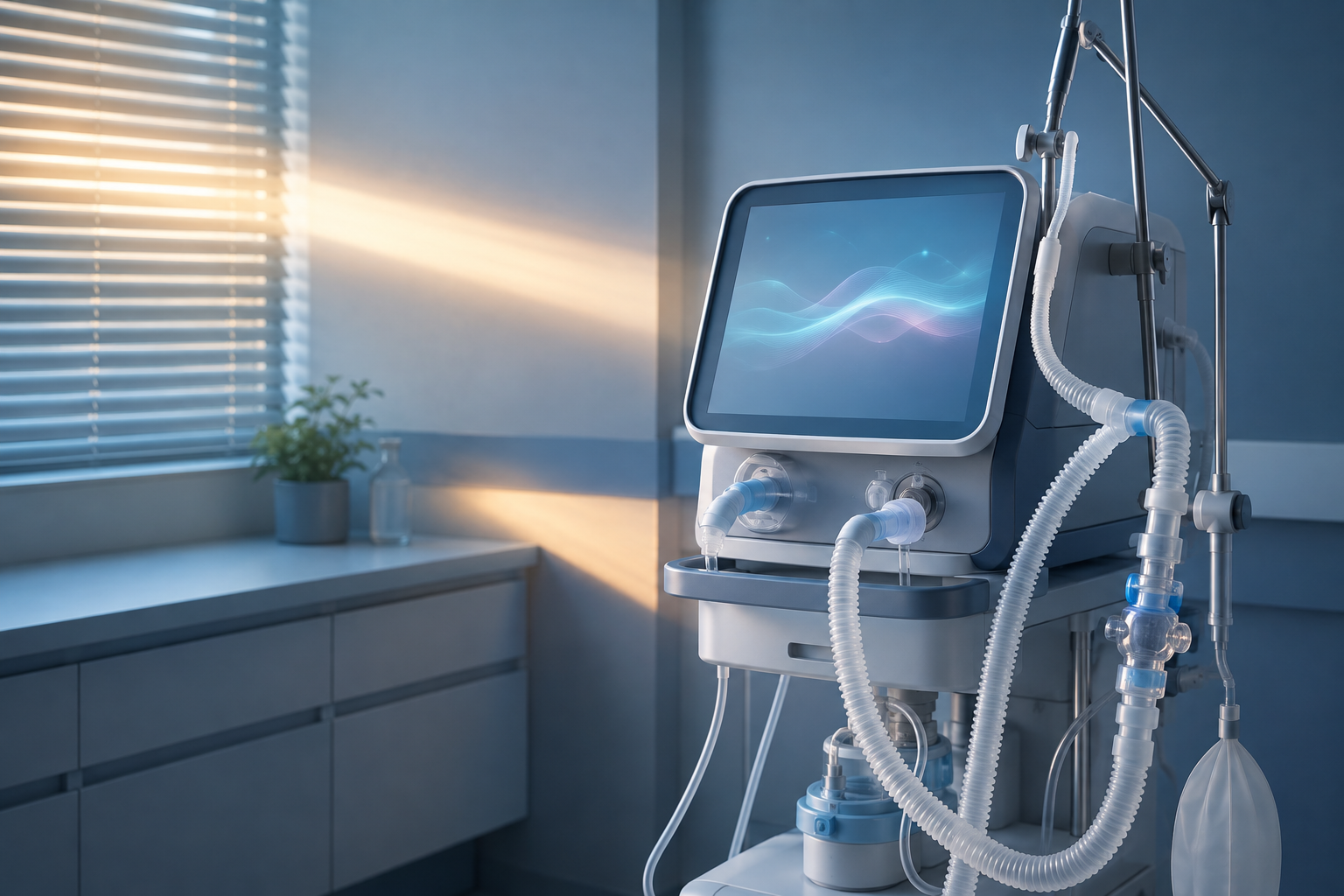
His respiratory progress is also measurable. The medical team has been lengthening his breaks from ventilatory support, giving him progressively longer opportunities to breathe independently as tolerated. The phrase “as tolerated” matters: each increase depends on how his body responds, and the process can advance gradually rather than on a fixed schedule.
Several other indicators were stable or improving. Maharaja had remained clinically stable and free from significant signs of infection for almost three weeks. His vital signs were stable, and the wounds affecting his legs and toes were showing signs of healing. He still required dialysis on alternate days, which he had tolerated well for several weeks.
“Clinically stable” should not be read as “recovered.” It means there was no reported major deterioration at that point. The continuing need for respiratory support, a tracheostomy, dialysis, wound care, and close observation shows why the recovery remains medically serious.
Why the next few weeks matter
The medical outlook contains a hopeful possibility, not a promised date. If Maharaja maintains the present improvement over the coming weeks without a significant setback, doctors hope that within the next few weeks to a month he may make further substantial progress toward being completely weaned from ventilatory support. Removal of the tracheostomy would be considered subsequently.
This sequence helps you interpret future reports correctly. Longer breathing breaks are an intermediate step. Complete weaning from ventilatory support is a later milestone. Tracheostomy removal comes after sufficient respiratory progress and clinical stability. A report that his independent-breathing periods have increased would therefore be good news, but it would not mean that all three milestones had already been reached.
The respiratory forecast also says nothing definite about when dialysis might end. His kidneys still required alternate-day support as of this update, and no timetable for changing that schedule was given. Respiratory improvement and kidney support should be tracked as separate parts of his condition.
Key takeaways
- Jayapataka Swami Maharaja was clinically stable as of 6:00 PM IST on 7 September 2026.
- His alertness and sensorium were gradually improving.
- He was tolerating increasingly long breaks from ventilatory support, allowing more independent breathing.
- He had shown no significant signs of infection for almost three weeks, while his vital signs remained stable and the wounds on his legs and toes were healing.
- He continued to need dialysis on alternate days and had been tolerating it well.
- Further respiratory progress over the next few weeks to a month is a conditional hope, not a guaranteed deadline.
How devotees can respond without spreading confusion
When you share this news, keep the date and time attached. Medical conditions can change, and an undated message can circulate after newer information becomes available. Link to the full communication rather than forwarding a cropped sentence about ventilator removal; without its conditions, a hopeful possibility can quickly become a false declaration that removal is imminent or already complete.
Use precise language. It is accurate to say that Maharaja is stable and gradually improving. It is also necessary to say that he remains dependent on significant medical support and faces an extended recovery. Avoid claims that he is “fully conscious,” “off the ventilator,” “free of the tracheostomy,” or “no longer on dialysis,” because none of those outcomes had been confirmed.
Devotees have also been asked to remember the medical team and caretakers in their prayers. A focused prayer can include freedom from infection and other complications, increasing strength and consciousness, restored ability to communicate and interact, greater independence in breathing, and steady progress toward stable health. The requested invocation is directed to Sri Sri Radha-Madhava, Sri Panca-tattva, Lord Nrsimhadeva, and Srila Prabhupada.
Prayer and medical care are not competing responses. For devotees, prayer is seva and surrender; the treating professionals remain responsible for clinical decisions about breathing support, dialysis, wound care, and the tracheostomy. Speculation from outside the care team should not be treated as medical guidance.
What to look for in the next confirmed update
The next meaningful respiratory indicators will be whether Maharaja can sustain still longer periods of independent breathing, whether complete ventilator weaning has actually been achieved, and whether the medical team is ready to consider removing the tracheostomy. These are related milestones, but they should not be collapsed into one event.
Other important indicators are continued freedom from significant signs of infection, further improvement in alertness and interaction, the condition of his wounds, and any explicit change in his dialysis requirement. Stable vital signs would remain welcome, but they would not by themselves answer whether respiratory or kidney support had been reduced.
Until a later confirmed communication supplies those details, keep your words measured and your prayers consistent. The present direction is encouraging, but protecting that progress from complications is the immediate priority.



References
