
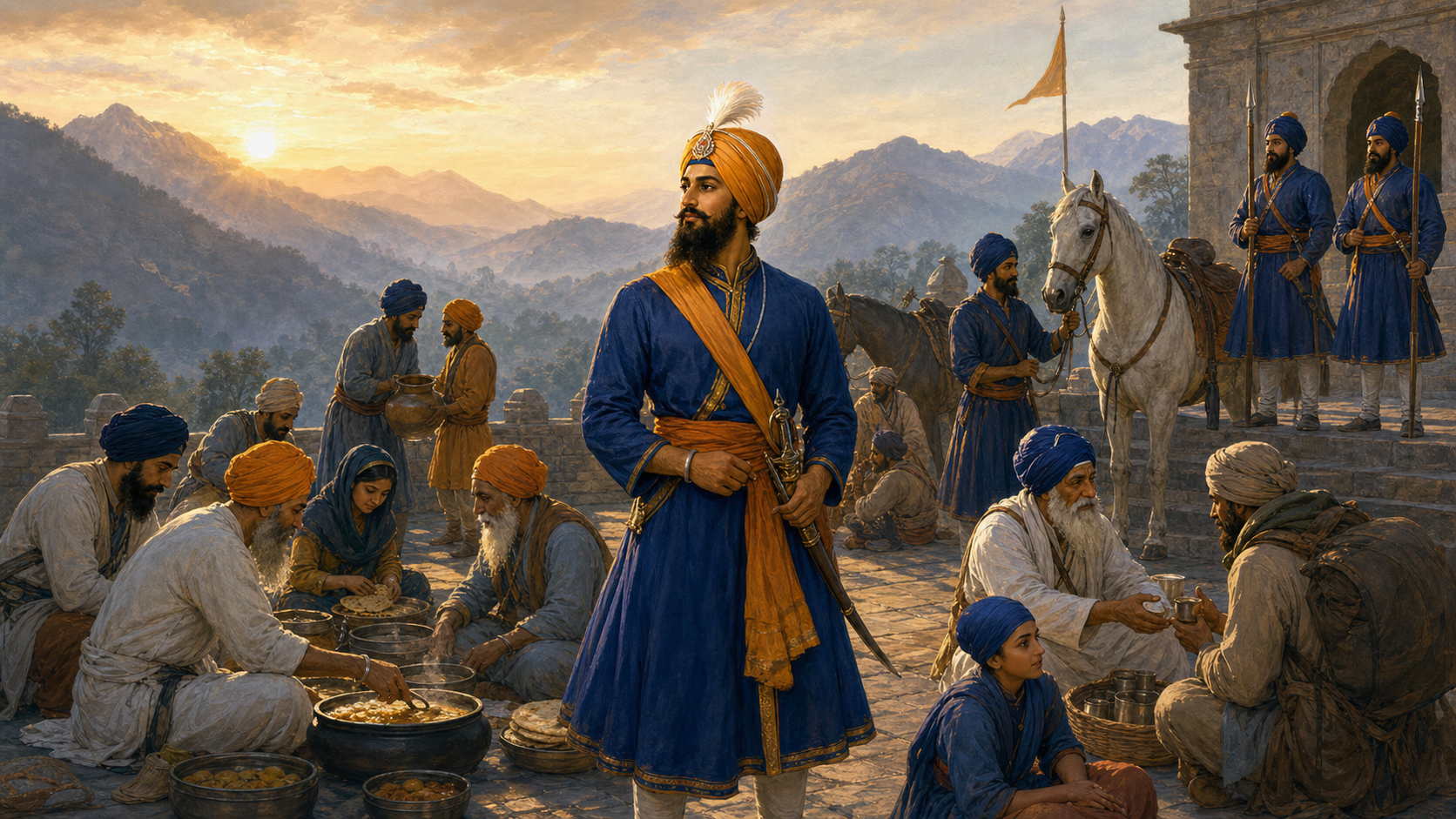
If you are preparing a Gurpurab program, speaking with your children, or trying to explain why Guru Gobind Singh Ji matters beyond one community, praise alone will not carry the lesson. The useful question is more demanding: what should his example change in the way you act when truth, dignity, or another person’s freedom costs you something?
His legacy gives you a practical answer. Train the inner life, serve without seeking status, and become capable of principled protection. Courage, seva, and unity are not three separate virtues in that vision. Discipline binds them together.
Courage is measured by whose freedom you protect
Guru Gobind Singh Ji encountered the cost of moral responsibility at a formative age. At Anandpur Sahib, he witnessed Guru Tegh Bahadur’s decision to oppose the forced conversion of Kashmiri Pandits during Aurangzeb’s reign. Guru Tegh Bahadur’s martyrdom left the nine-year-old successor with more than a personal bereavement. It placed before him a public duty: religious conscience had to be defended even when the people under threat followed another path.
That distinction matters. Courage is not simply intensity, aggression, or refusal to compromise. Its moral quality depends on what it protects. Guru Tegh Bahadur did not defend the Pandits in order to make them Sikh. He defended their freedom to remain faithful to their own tradition. Guru Gobind Singh Ji carried forward that expansive understanding of duty.
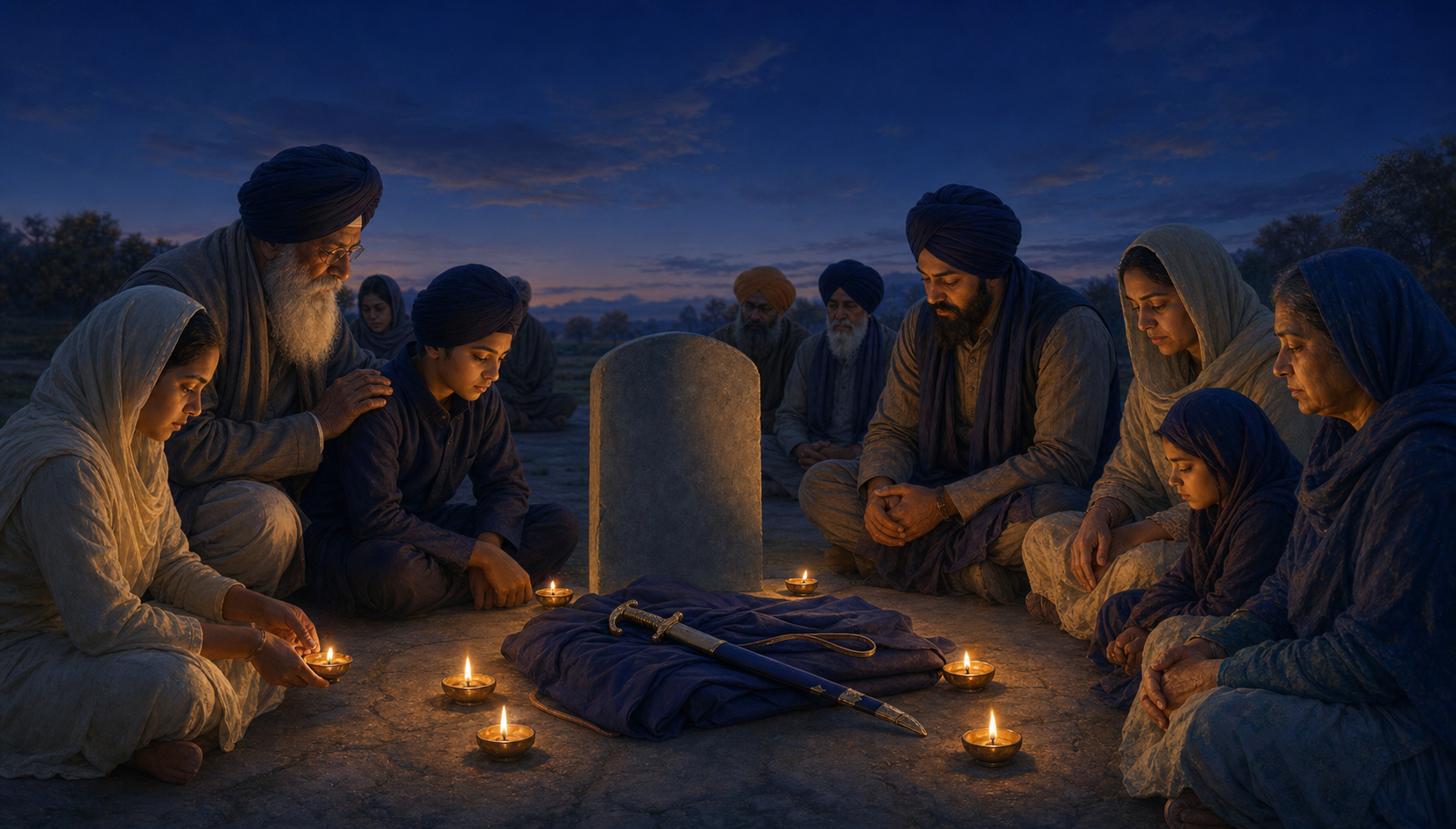
His own losses made the standard still more exacting. The Chaar Sahibzaade were martyred: two in battle and two after refusing conversion, with the younger Sahibzaade bricked alive. Mata Gujri attained martyrdom during imprisonment in the Thanda Burj. Yet the Guru’s ethical horizon did not contract into concern for his family or community alone. The duty remained the defense of dignity, justice, and conscience.
You can apply that standard before responding to a conflict at work, in a school, within a community institution, or online. Ask four questions:
- What principle is actually being threatened: dignity, truth, freedom of conscience, or merely my preference?
- Who will bear the cost if people with influence remain silent?
- Is the proposed response truthful and proportionate, or is anger choosing it for me?
- Am I willing to remain accountable for the consequences after public attention moves elsewhere?
These questions separate moral courage from performed outrage. Silence can abandon the vulnerable, but noise can also use their suffering as a stage. Begin with verifiable facts. Support the affected person. Use constructive institutional channels where they can work. Speak publicly when public clarity is needed, but do not make humiliation the measure of strength.
This is one way to understand the sant–sipahi, or saint–soldier, ideal. Read the two words together. The sant disciplines ego, attention, and motive. The sipahi refuses passivity when protection becomes necessary. Spiritual composure without responsibility can become withdrawal; action without inner discipline can become vengeance. The ideal permits neither failure.
The Khalsa turns conviction into a disciplined public ethic
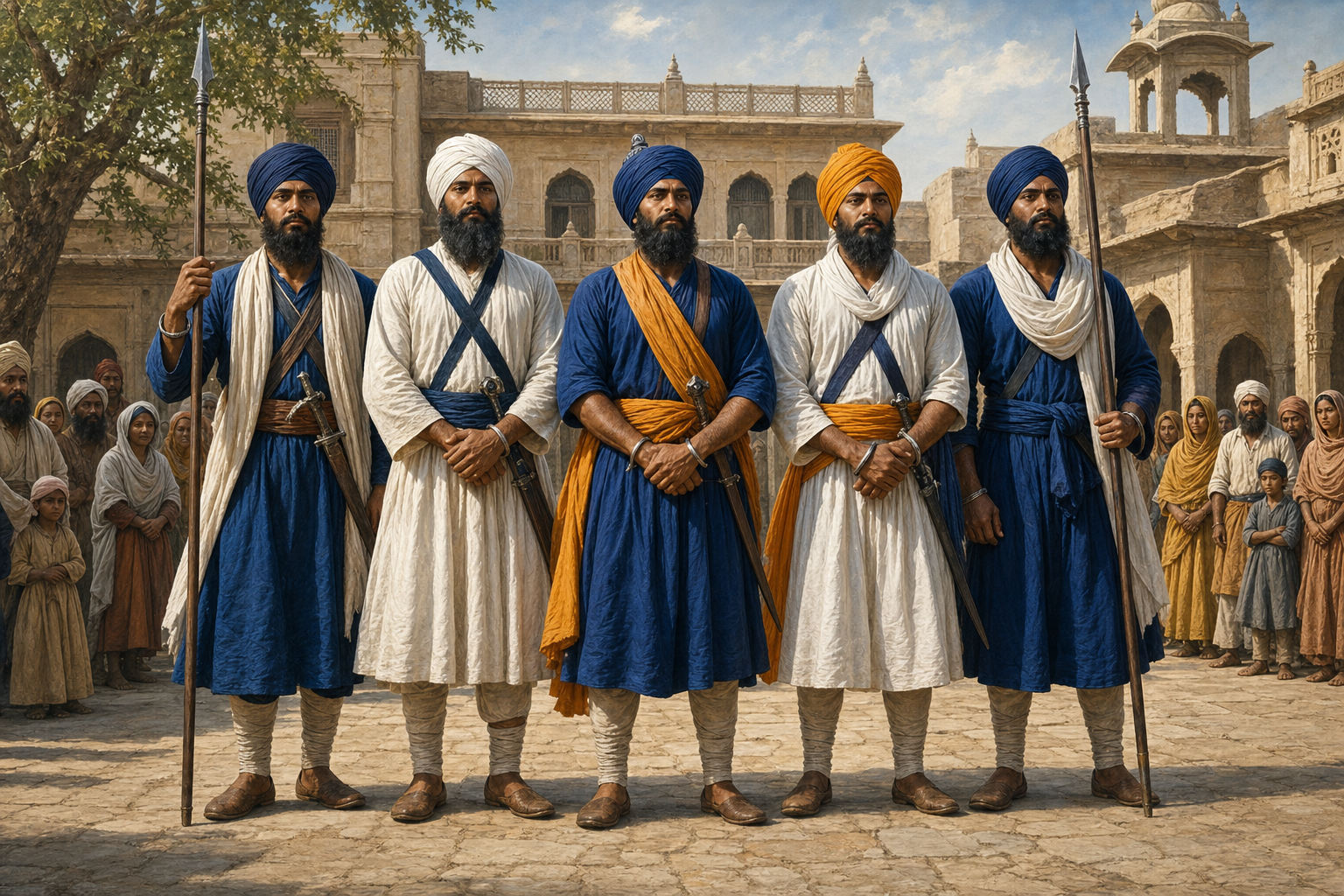
Good intentions are fragile when they depend on mood. Guru Gobind Singh Ji answered that problem institutionally. At Baisakhi in 1699, he founded the Khalsa at Sri Anandpur Sahib. The initiation of the Panj Pyare with amrit established a disciplined order grounded in equality, devotion, courage, and responsibility for the vulnerable.
The founding of the Khalsa should therefore not be reduced to a dramatic historical scene. Its enduring force lies in the conversion of conviction into form: belonging carried obligations; equality had to be practiced; courage required preparation; and devotion had public consequences. The Khalsa made ethical responsibility repeatable through community discipline rather than leaving it to occasional heroism.
That gives every admirer of Guru Gobind Singh Ji a useful test. Does your reverence have a structure strong enough to survive inconvenience? A workable personal rule should include all three of the following:
- A regular spiritual practice that checks anger, vanity, and fear before they direct your conduct.
- A recurring form of seva in which you accept real work, including work that brings no visibility or prestige.
- A habit of protection: noticing exclusion, coercion, or humiliation and supporting the person who would otherwise face it alone.
This three-part rule is not a substitute for Sikh initiation or discipline. It is a way for any person inspired by the Guru to determine whether admiration is producing character. If one element is missing, the imbalance soon appears. Practice without service becomes private self-improvement. Service without self-command can become control. Protective rhetoric without either discipline or service becomes performance.
Guru Gobind Singh Ji’s final institutional act reinforces the same lesson. In 1708, he conferred eternal Guruship on the Guru Granth Sahib, affirming the primacy of scripture and shared spiritual responsibility in Sikh life. A commemoration should therefore do more than celebrate a heroic personality. It should create space for bani, kirtan, learning, disciplined reflection, and service. If a non-Sikh organization hosts the gathering, knowledgeable Sikh participation should guide specifically Sikh practices and teachings.
Seva keeps strength answerable to human dignity
Seva is sometimes treated as the gentle counterpart to courage. In Guru Gobind Singh Ji’s legacy, it performs a harder task: it keeps courage from becoming domination. A strong person who will not serve can easily begin to treat other people as instruments. Selfless service reverses that posture. It asks you to place time, skill, attention, and effort at the disposal of a need that is not centered on you.
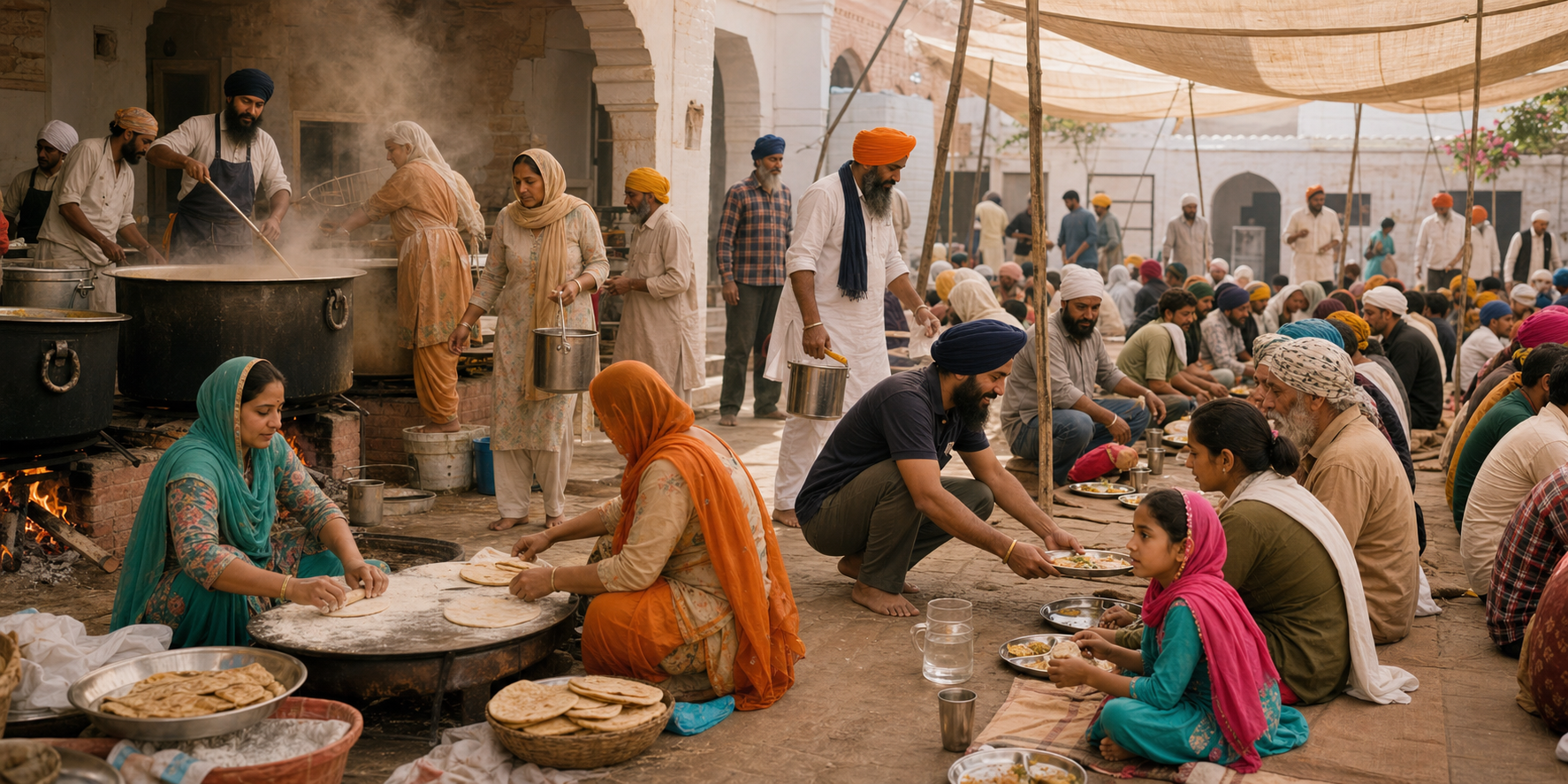
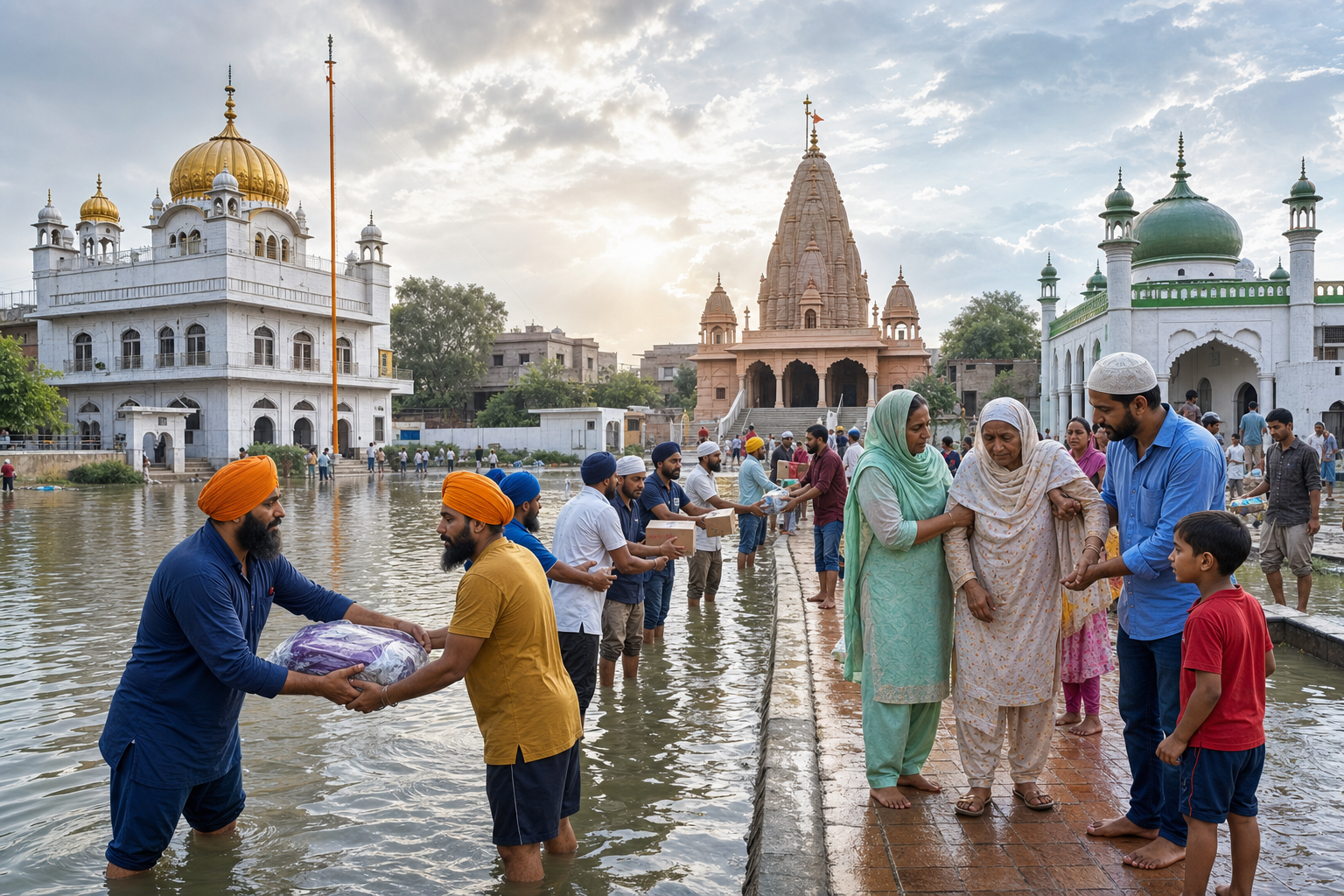
Langar makes this ethic visible. During Parkash Aagman observances, langar welcomes people without distinction. Equality is no longer only a statement when people share food and volunteers undertake the work required to prepare, serve, and clean. The practice joins dignity to material care.
If you want to honor the Guru through seva, begin with an identified need rather than a photogenic activity. Ask a local gurdwara or community organization what work is already required. Accept the role assigned. Follow the institution’s maryada and practical instructions. Do not photograph recipients without their permission, and do not turn another person’s hardship into promotional material.
Useful forms of public seva can include food service, educational support, and interfaith dialogue, all of which have been used by Sikh communities to carry the Guru’s values into contemporary life. Choose the form by asking what obstacle it removes:
- Food seva should answer an actual food need and preserve equal treatment at every point of contact.
- Educational seva should help learners gain usable knowledge or access, not simply produce a one-day event.
- Interfaith dialogue should address a concrete misunderstanding or shared responsibility, not stop at ceremonial compliments.
- Neighborhood service should leave behind a named person or team responsible for follow-through.
Judge the work by whether the promised task was completed, people were treated with dignity, and volunteers remained willing to serve after the commemorative day. That is a better measure than the size of the audience or the volume of social-media attention.
Dharmic unity must preserve Sikh distinctiveness
Guru Gobind Singh Ji’s legacy can unite communities, but only if unity is understood correctly. It does not require Hinduism, Sikhism, Buddhism, and Jainism to be treated as interchangeable. Guru Gobind Singh Ji is the tenth Sikh Guru. The Khalsa, the Panj Pyare, and the Guruship of the Guru Granth Sahib have specifically Sikh meanings that should be learned with care rather than absorbed into a vague spiritual vocabulary.
Distinctiveness does not prevent solidarity. The Guru’s defense of religious freedom, his cultivation of disciplined courage, and his commitment to social uplift resonate with the Dharmic principles of dharma, compassion, self-mastery, and truthfulness. The connection becomes credible when communities protect one another’s freedom while respecting the integrity of each path.
Use three rules when teaching or speaking about this shared legacy:
- Begin with particularity. Explain who Guru Gobind Singh Ji is within Sikh tradition before drawing wider civilizational parallels.
- Build solidarity around conduct. The strongest common ground is not a slogan but the shared defense of conscience, dignity, and the vulnerable.
- Practice reciprocity. Do not ask another community to honor your sacred memory while remaining indifferent to theirs.
Intergenerational remembrance has long helped carry this bond. In many Hindu households, stories of Guru Tegh Bahadur and Guru Gobind Singh Ji have shaped devotion, seva, and the defense of dharma. Families can preserve the moral force of those stories by teaching the whole chain of responsibility: Guru Tegh Bahadur’s defense of another community, Guru Gobind Singh Ji’s leadership, the suffering of Mata Gujri, and the martyrdom of the Chaar Sahibzaade.
After telling that history, ask children and adults the same three questions: Who was being protected? What did protection cost? What duty does the memory place on us now? These questions prevent remembrance from becoming passive admiration.
They also guard against a serious misuse of martyrdom. Memory should sharpen opposition to coercion; it should not cultivate inherited hostility toward ordinary people in the present. Collective blame abandons the Guru’s universal defense of conscience. The faithful response is to recognize coercion clearly, oppose it firmly, and refuse to reproduce it.
Key takeaways for your next observance
- Courage is morally serious when it protects another person’s dignity and freedom, not merely your own identity.
- The sant–sipahi ideal joins inner discipline to proportionate public action; neither half is sufficient alone.
- The Khalsa shows that equality and courage need institutions, practices, and accountable community discipline.
- Seva turns remembrance into material care while preventing strength from becoming self-importance.
- Dharmic unity is strongest when Sikh distinctiveness is respected and communities cooperate around freedom of conscience.
The year 2026 marks 360 years from Guru Gobind Singh Ji’s birth on 22 December 1666 at Patna Sahib. Public observance dates can vary because Sikh communities use Nanakshahi and Bikrami calendrical conventions. If you are organizing a program, verify the local gurdwara’s schedule and communicate the convention being followed. Calendrical diversity need not become a dispute over whose devotion is correct.
A meaningful observance can follow a simple sequence:
- Learn accurately: include a careful account of Guru Tegh Bahadur, the founding of the Khalsa, Mata Gujri, and the Chaar Sahibzaade.
- Make room for spiritual practice: participate in or support appropriately led paath, kirtan, and simran rather than filling the program only with speeches.
- Serve concretely: connect langar or another form of seva to a real community need and protect the dignity of everyone involved.
- Continue after the event: assign one responsibility, one person or team to carry it, and a definite point at which the community will review the work.
Before your next observance ends, write down one act of seva or principled protection that will continue after the gathering. Name who will carry it forward and when progress will be checked. That small act of disciplined continuity will honor Guru Gobind Singh Ji more faithfully than admiration that ends when the program does.
References
- CoHNA — The Legacy of Guru Gobind Singh: Sacrifice, Justice and Unity
- SikhNet — Guru Gobind Singh Ji’s 360th Parkash Aagman: Timeless Courage, Seva, and Unity
