
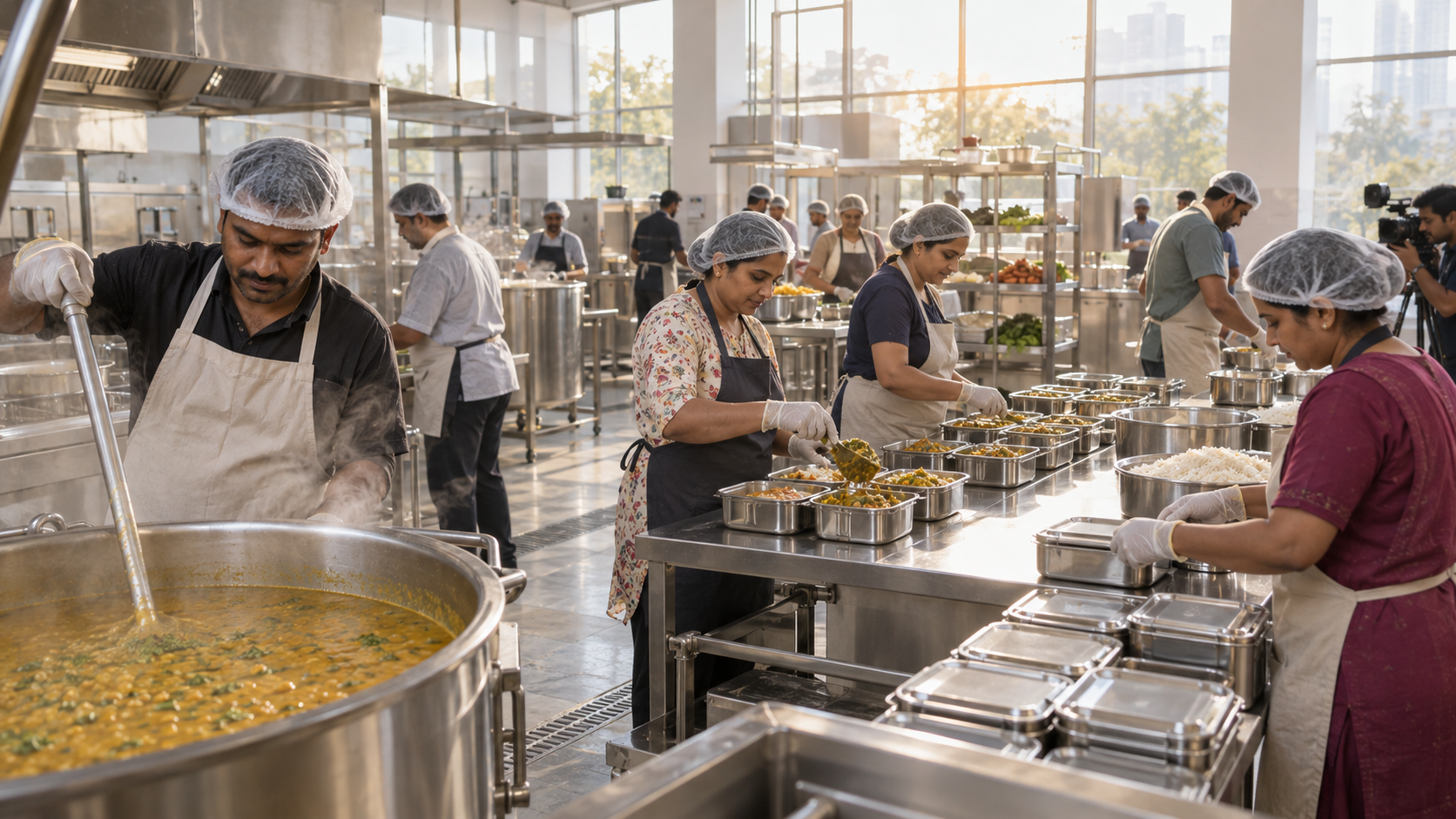
You may have seen the recognition of ISKCON Annamrita’s Gurugram kitchen and wondered what, beyond a welcome moment of visibility, it actually means. The useful answer lies in what the cameras turned toward: a team, a working kitchen and the disciplined service required to place nutritious meals before others.
The Doordarshan feature on the Gurugram kitchen honours that collective effort. If you want to share the news, support the initiative or judge its significance fairly, you should celebrate what is established without attaching claims the recognition itself cannot prove.
What the recognition establishes – and what it does not
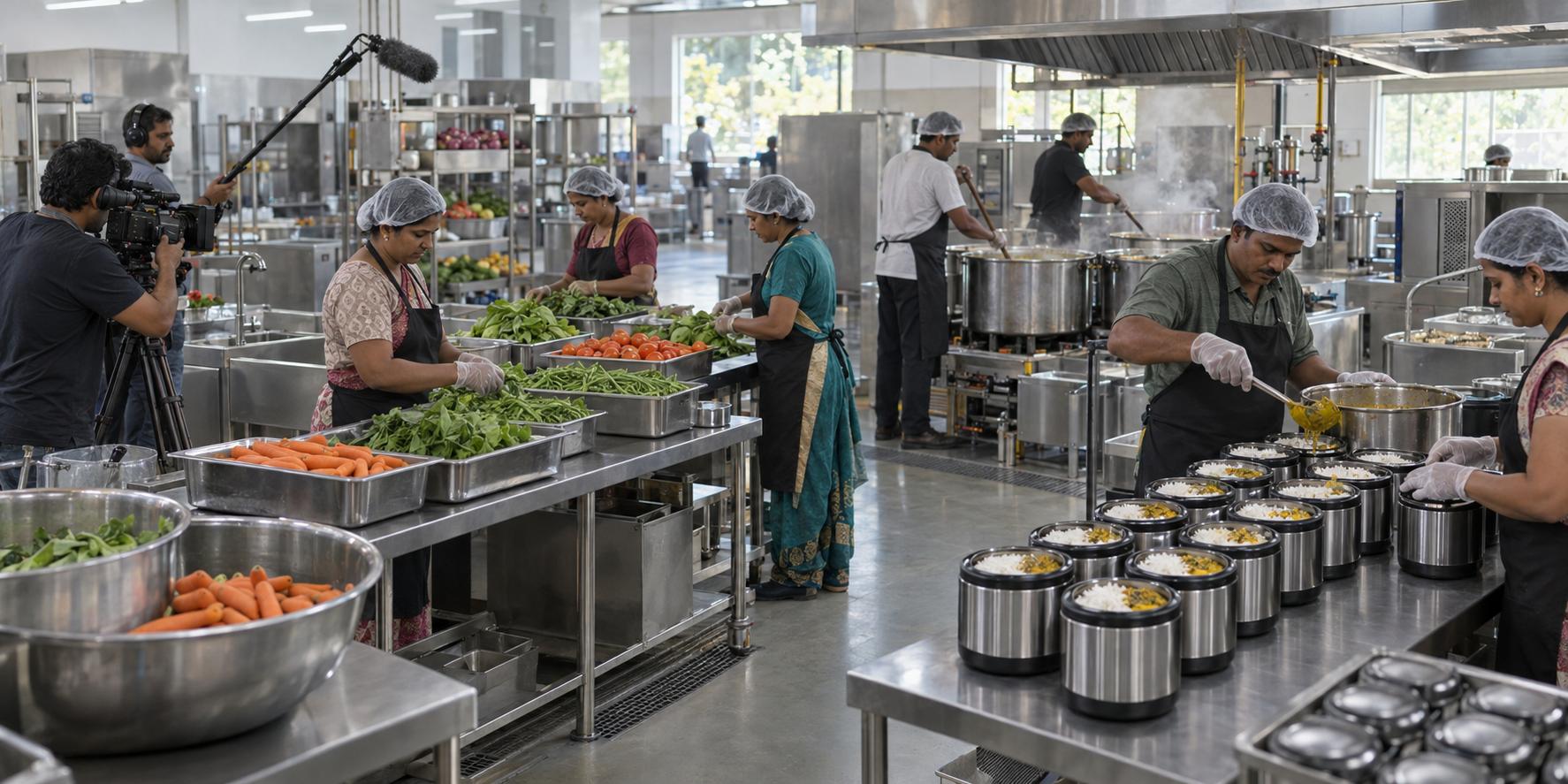
The central fact is straightforward: Doordarshan featured ISKCON Annamrita’s Gurugram kitchen, bringing public attention to the work and dedication of the team serving meals there. The recognition specifically presents that service in terms of nutrition, care, commitment and purpose.
That is worth marking. Kitchens do not run on sentiment alone. Meal service requires people to coordinate preparation, hygiene, portioning, movement and timing, then return to the same responsibilities again. Public attention can make this usually unseen discipline visible.
Recognition, however, is not the same thing as an operational audit. The fact of a broadcast feature does not establish the number of meals served, the frequency of distribution, the cost per meal, the nutritional method used, the food-safety controls in place or the measured effect on recipients. No such figures should be added when you discuss the recognition unless ISKCON Annamrita has separately published current evidence for them.
This distinction protects the credibility of the seva. You do not need an inflated statistic to make service meaningful, and you do not need to treat a media appearance as proof of every possible operational claim. State what happened, honour the people involved and verify any additional claim before repeating it.
Why a kitchen belongs at the centre of Dharmic public life
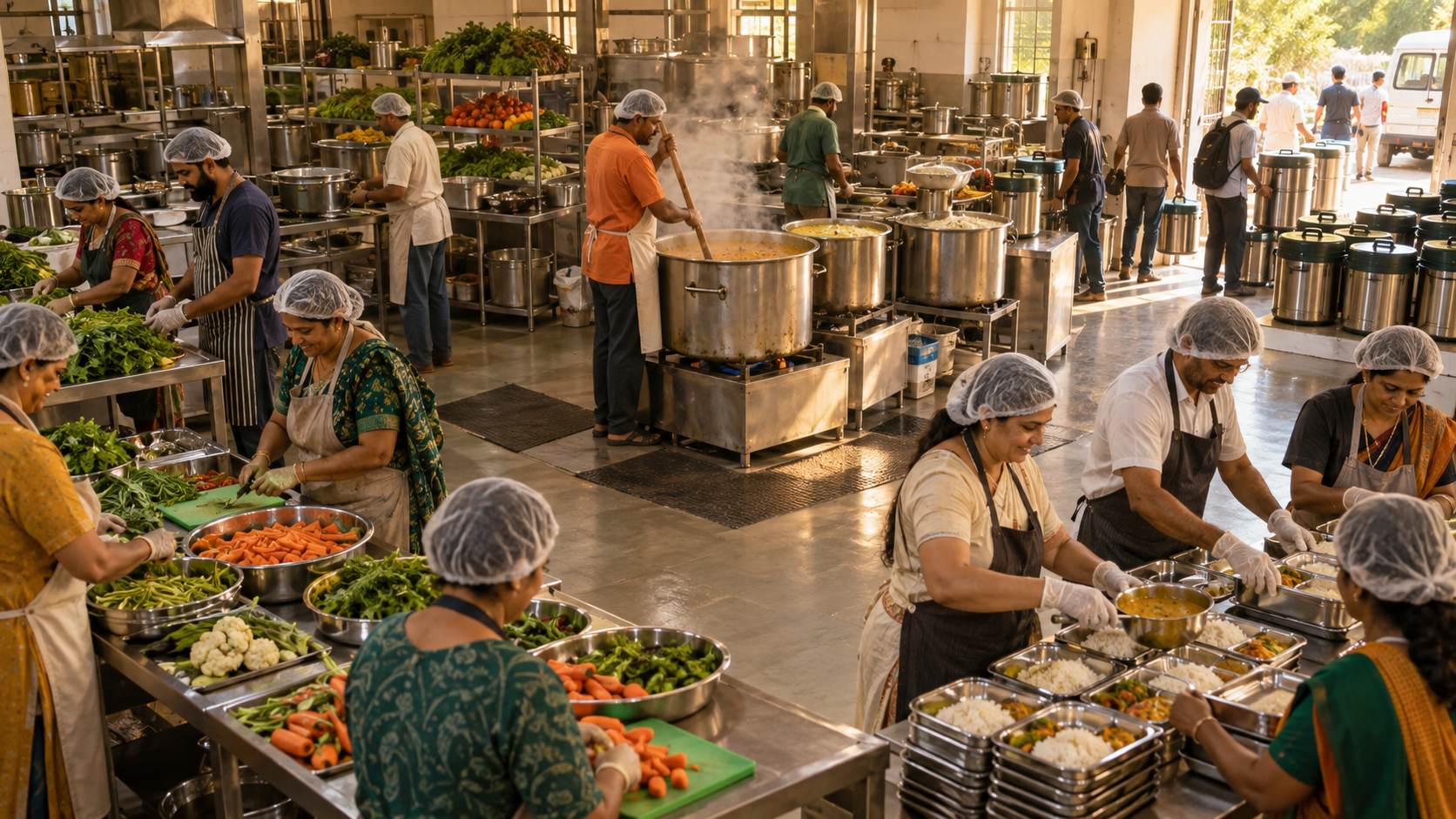
In a Dharmic frame, seva joins inward intention to outward responsibility. A kitchen makes that relationship unusually concrete. Ingredients must be handled, work must be assigned and meals must reach people in usable form. Good intention matters, but it becomes service only through competent action.
That is why the team matters as much as the institution’s name. A public feature can easily be reduced to organisational prestige: a familiar broadcaster noticed a familiar movement. The more important reading is that sustained, coordinated service became visible enough to receive attention.
You can preserve that emphasis in the way you speak about the moment. Centre the kitchen and its workers. Avoid presenting Doordarshan as the source of the work’s moral worth; the coverage recognises the service but does not create its value. Avoid turning the occasion into a contest between religious organisations. The relevant question is whether public visibility strengthens the work and encourages responsible participation.
Visibility also creates a healthy obligation. Once an initiative attracts wider attention, supporters are more likely to ask how the service operates. Clear answers about need, standards, finances and results do not diminish devotion. They help ensure that trust rests on practice as well as reputation.
How you can turn recognition into responsible support
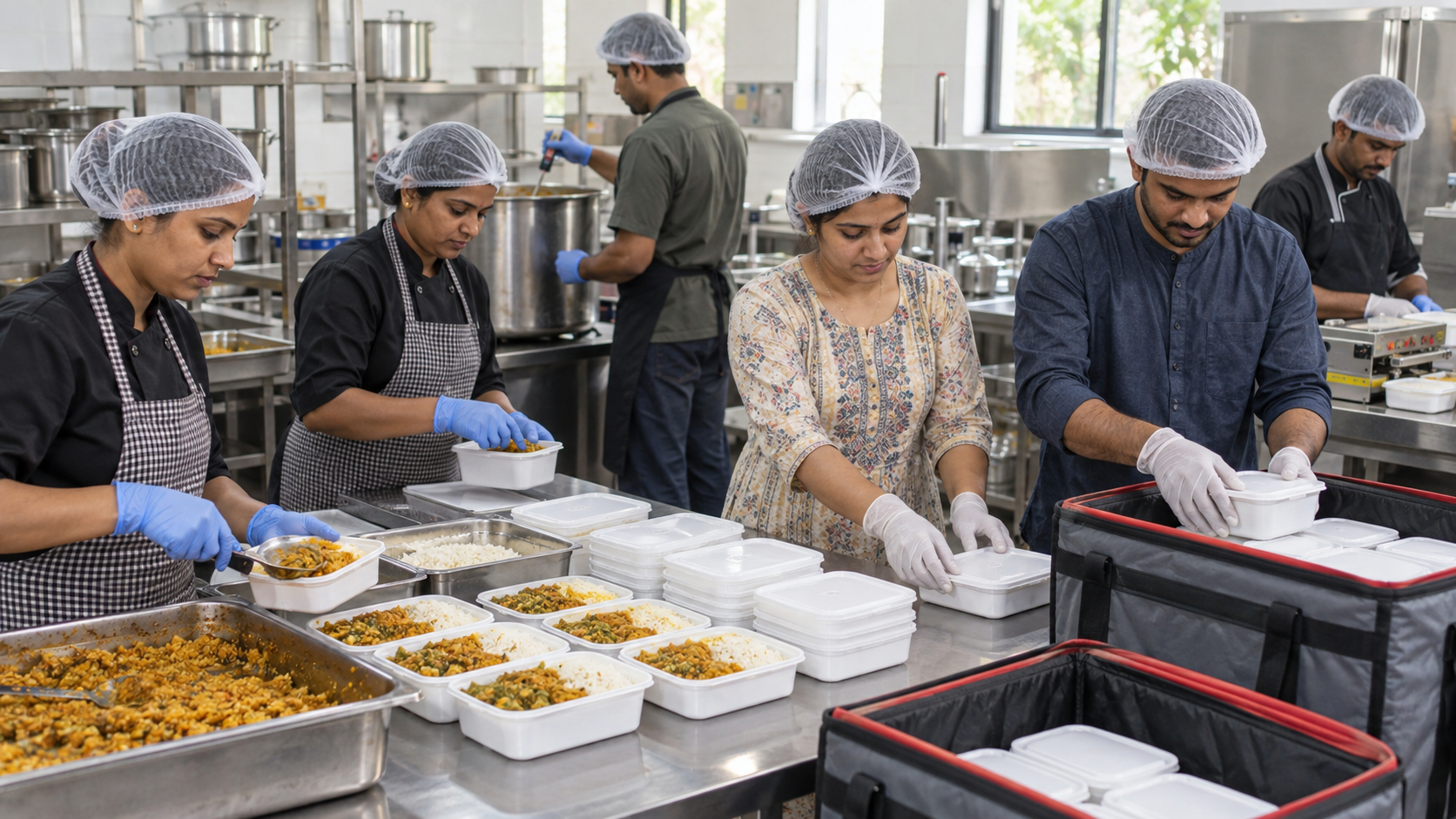
If you are sharing the news
Use a restrained caption that preserves the known facts. For example: “Doordarshan has featured ISKCON Annamrita’s Gurugram kitchen, bringing attention to its meal service and the dedicated team behind it.” Link to the original notice so readers can see the basis for the statement.
Do not add an assumed meal count, beneficiary profile, distribution schedule or geographic reach. Do not describe the feature as an award unless a named award was actually given. “Featured” and “recognised” are accurate; stronger labels would change the event into something the available facts do not establish.
If you want to contribute
Choose the form of support before contacting the organisation. Money, volunteer time, professional expertise and accurate public communication solve different needs. Then confirm the current requirement through the organisation’s official channels rather than assuming that every kitchen accepts walk-in volunteers or the same kind of donation.
- For a financial contribution: verify the organisation name and payment destination through a current official channel. Ask whether a receipt is issued and what the contribution will support before sending money.
- For volunteering: ask for the exact task, location, reporting time, expected duration and any kitchen hygiene or clothing requirements. Do not arrive unannounced at an operational food facility.
- For in-kind help: ask what is presently needed before purchasing anything. An unsolicited ingredient or piece of equipment may be unsuitable for the kitchen’s storage, menu or workflow.
- For professional assistance: describe one defined competence you can offer, such as logistics, food-safety documentation, procurement or communications. If your offer involves nutrition or another regulated field, state your actual qualification clearly.
If you are assessing accountability
A broadcaster’s recognition is a reason to look more closely, not a replacement for due diligence. If you are considering substantial or recurring support, ask for information proportionate to that commitment. You do not need to interrogate volunteers; two or three precise questions will usually reveal more than a long list of vague demands.
- Who is the intended recipient of the meal service, and how is the present need identified?
- What does “nutritious” mean in practice, and who is responsible for menu or nutrition decisions?
- What food-safety, storage and hygiene controls govern preparation and distribution?
- How often does the service operate, and what area does the Gurugram kitchen presently cover?
- How are donations recorded, allocated and reported to supporters?
- How can recipients, volunteers or community partners provide feedback or report a problem?
These questions are not accusations. They distinguish admiration from blind endorsement and help serious seva attract serious support. Answers should come from current operational information, not from assumptions attached to a media appearance.
Key takeaways
- Doordarshan’s feature publicly recognises ISKCON Annamrita’s Gurugram kitchen and the team’s dedicated meal service.
- The deeper significance lies in making organised, collective seva visible, not merely in gaining publicity for an institution.
- The recognition does not, by itself, verify scale, costs, nutrition protocols, safety systems or outcomes.
- Share only established facts, and do not attach invented figures or call the feature an award.
- Before donating or volunteering, confirm the current need, official contact route and practical requirements.
- Thoughtful questions about operations and accountability protect both the people being served and the integrity of the seva.
If the Gurugram recognition moved you, choose one concrete next step: share it with accurate wording, verify a current way to contribute or ask one relevant operational question before committing support. Broadcast attention passes quickly. Careful participation is what can help a moment of recognition serve a longer purpose.
References

Leave a Reply
You must be logged in to post a comment.