
If the Palghar conversion claim reached you through a headline or forwarded message, resist the pressure to choose between outrage and dismissal. You can take the allegation seriously without treating every unverified detail as established fact.
The useful question is what you should do next: distinguish documented conduct from inference, protect anyone facing pressure or deception, preserve reliable evidence, and respond through lawful institutions rather than public intimidation.
What the Palghar allegation does and does not establish
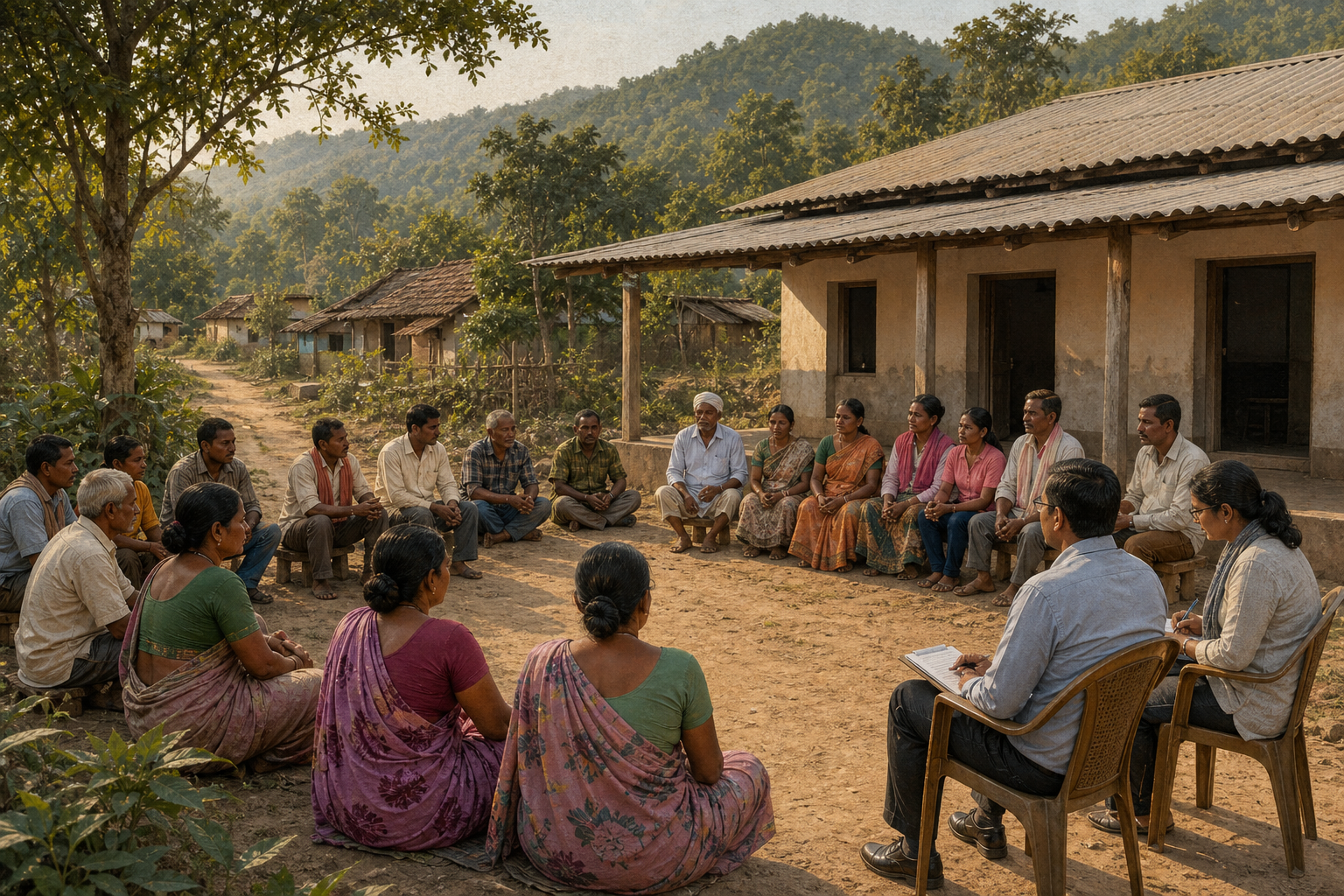
The narrow factual core is that a case was registered against 22 women in Mokhada, Palghar. They were accused of attempting to convert tribal Hindus by distributing free literature, providing amenities, and allegedly making false promises that illnesses could be cured.
Those are serious allegations. A deceptive promise about illness can place a vulnerable person at risk, especially if it delays qualified medical care. Material assistance can also become improper pressure when it is made conditional on adopting or abandoning a faith. Neither concern should be trivialised.
But an FIR records accusations and sets the police process in motion; it does not determine guilt. Registration of a case does not, by itself, prove that every alleged act occurred, that every accused person played the same role, or that the conduct legally amounted to an offence. Those questions depend on evidence and the applicable law.
The word “network” requires particular care. The presence of 22 accused may justify investigating coordination, but a number alone does not prove a continuing organisation, a chain of command, common funding, or centrally issued instructions. If you use the term, be clear that coordinated activity is an allegation to be established, not a conclusion produced by the headcount.
Four questions that reveal what actually happened

Religious outreach, charitable assistance, deceptive inducement, and coercion are not interchangeable. Before sharing a claim or organising a response, ask four concrete questions.
- What exact words and actions are alleged? Distributing literature is different from promising a medical cure. Offering assistance is different from saying that assistance will be withdrawn unless the recipient changes religion. Record the precise conduct instead of replacing it with a general label.
- Was any benefit conditional? Identify what was offered, who offered it, and whether a change of faith was stated or understood as the price. Free food, transport, books, or other amenities do not prove coercion on their own. The condition attached to the benefit, if there was one, is the crucial fact.
- What did the person receiving the message understand? Ask whether the proposal was explained in a language the person understood, whether repeated pressure was applied, and whether illness, financial dependence, or another vulnerability was used to influence the decision. Let the affected person describe the experience in their own words.
- What evidence can corroborate the account? Look for original pamphlets, complete messages, unedited recordings lawfully held, consistent witness accounts, and the precise wording of any healing claim. A genuine network allegation would also need evidence of coordination, such as shared instructions, organised financing, repeated methods, or assigned roles.
These are practical distinctions, not substitute legal tests. Do not declare that a particular criminal provision has been satisfied unless a qualified legal professional has examined the facts and the law. The same caution applies in the other direction: absence of an immediate conviction is not proof that nothing improper occurred.
A lawful response for families and community groups
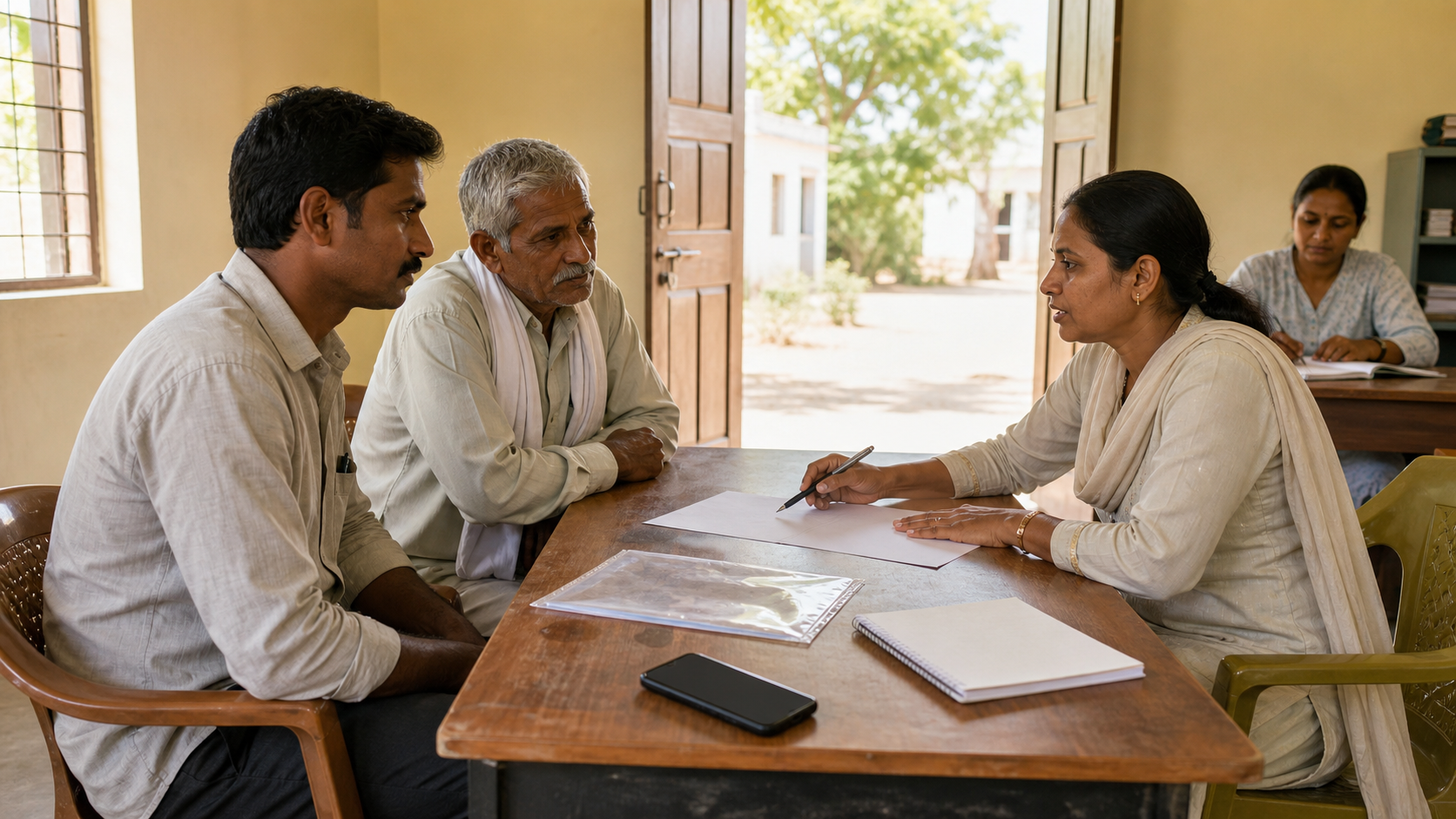
A responsible response protects the complainant, preserves the integrity of any investigation, and prevents the community itself from committing harm. If you are helping a family or local organisation, use the following sequence.
- Write down the first-hand account promptly. Note the place, approximate time, people present, exact offer or promise, and what happened afterward. Separate what the witness personally saw or heard from what someone else later told them.
- Preserve originals. Keep pamphlets, messages, photographs, and files in their original form. Do not add captions to screenshots, cut recordings into persuasive clips, or write on physical material. Note who received each item and when.
- Protect medical safety. If someone was told that faith or prayer would cure an illness, help that person reach qualified medical care. Do not let a dispute over conversion delay treatment. Do not circulate the person’s diagnosis or medical records as campaign material.
- Use official channels. Give first-hand information and preserved material to the police or an appropriate legal adviser. Ask for a record of what was submitted. A private citizen should not detain suspects, seize devices, enter premises, or conduct coercive questioning.
- Protect identities where disclosure could cause harm. Do not publish addresses, phone numbers, medical details, or the faces of vulnerable families. Avoid naming accused individuals merely because their names appear in a complaint. Public exposure can cause irreversible damage before the facts are tested.
- Use disciplined public language. Say “alleged,” state that an FIR has been registered, and distinguish a police accusation from a court finding. If a detail cannot be traced to a first-hand account or reliable record, do not add it to a speech, poster, video, or social-media thread.
Crowd confrontation is especially dangerous. It can expose participants to legal consequences, frighten witnesses, create communal tension, and compromise evidence. Threats and humiliation also hand the moral ground away. Supporting a complainant does not require punishing the accused before due process has run its course.
Protect tribal agency while strengthening Dharmic life

Tribal Hindus should not be spoken about as passive territory claimed by competing organisations. Their testimony, judgement, traditions, and freedom of conscience belong at the centre of any response. A defence of Dharma becomes paternalistic when outsiders decide what a community experienced without first listening to its members.
This means holding two principles together. A person must be free to hear, accept, reject, or question a religious message. That freedom does not make deception, threats, exploitative pressure, or a conditional offer of essential help acceptable. The task is to identify the conduct, not to assume that every conversation across religious lines has the same character.
The durable answer also begins before a disputed visit occurs. Communities are less exposed to manipulative promises when trustworthy local institutions remain present through illness, financial distress, education problems, and cultural disruption. That presence should be dependable and non-transactional. Hindu assistance loses its ethical force if it copies the very quid pro quo it condemns.
A local Hindu or Adivasi organisation can make this practical:
- Maintain a named contact who can document complaints, direct medical emergencies to qualified services, and connect families with legal help.
- Keep a confidential incident log that separates first-hand statements, physical material, follow-up actions, and unverified reports.
- Publish clear rules that food, medical navigation, educational help, and emergency assistance are never conditional on religious participation.
- Place local elders, women, and youth in decision-making roles instead of treating them only as beneficiaries or witnesses.
- Support locally led teaching of festivals, oral histories, sacred places, family practices, and community languages so that cultural continuity is lived rather than invoked only during a controversy.
Transparency matters here. Record how welfare projects are funded, who administers them, and what conditions apply. Use the same standard when evaluating outside groups and Dharmic organisations. Consistent accountability makes it easier to distinguish sincere service from assistance designed as leverage.
Key takeaways
- A case against 22 women is a serious development, but an FIR is not a finding of guilt.
- The alleged use of literature, amenities, and healing promises must be examined as distinct conduct rather than collapsed into one slogan.
- Calling the activity a network requires evidence of coordination, funding, shared instructions, or an organised pattern.
- Preserve original evidence, prioritise medical care, use official channels, and do not expose or intimidate private individuals.
- The strongest long-term protection is locally led, transparent, unconditional service joined to confident transmission of Dharmic and Adivasi traditions.
If you share the Mokhada case, link to the known record, retain allegation language, and ask what has actually been corroborated. If you organise locally, put your effort into careful documentation, medical safety, due process, and institutions that remain after the headline disappears. That is how you defend both Dharma and truth.
References
